No products in the cart.




All rights of this website are reserved for EXTRUTEX Austria and its partner companies, © 2026

Multiple Payment Methods

Discount for advance payments over 50%

Free Shipping Coordination Services
Payment methods:


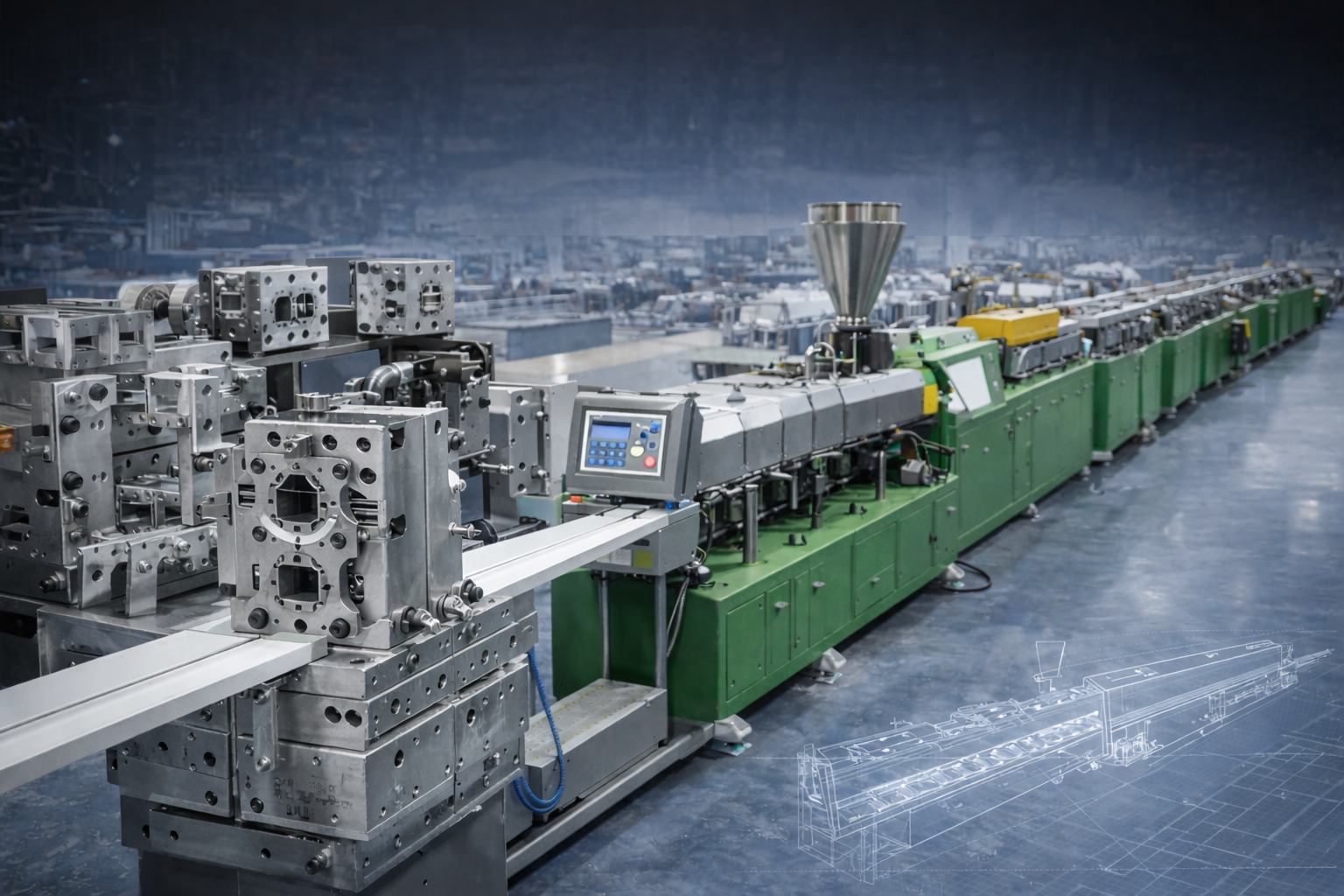
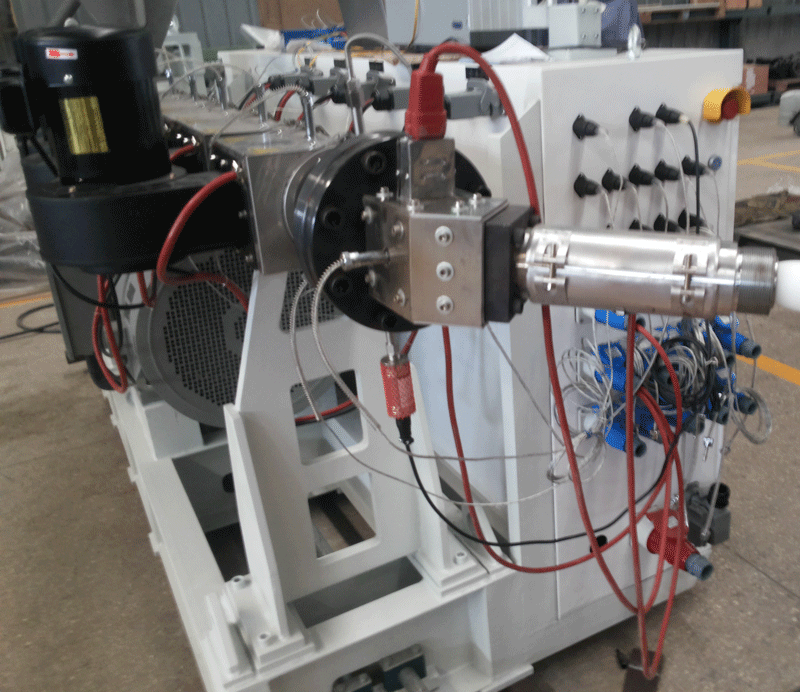
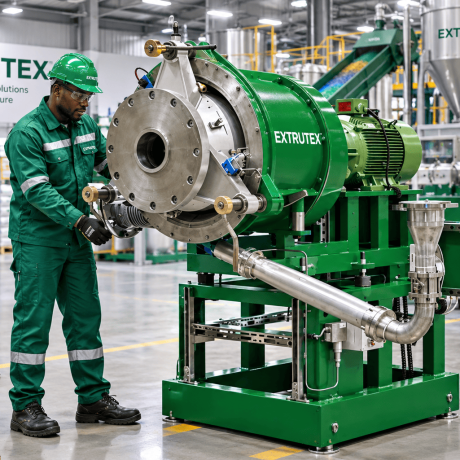
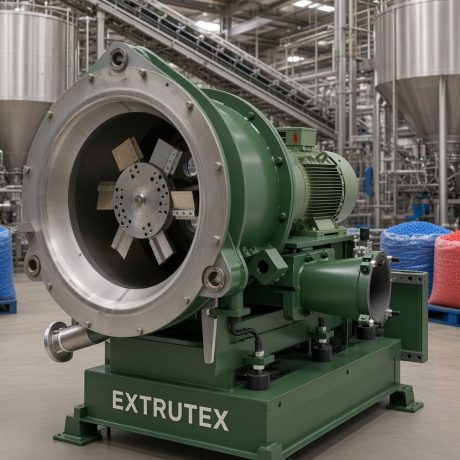
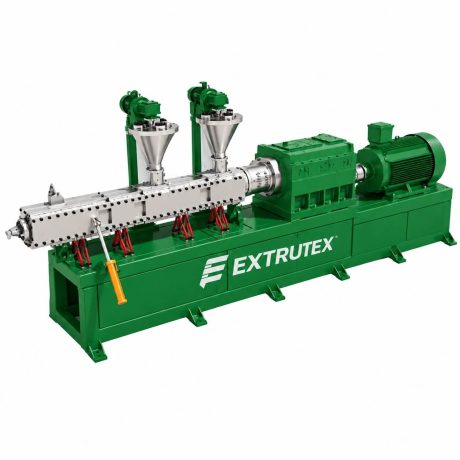
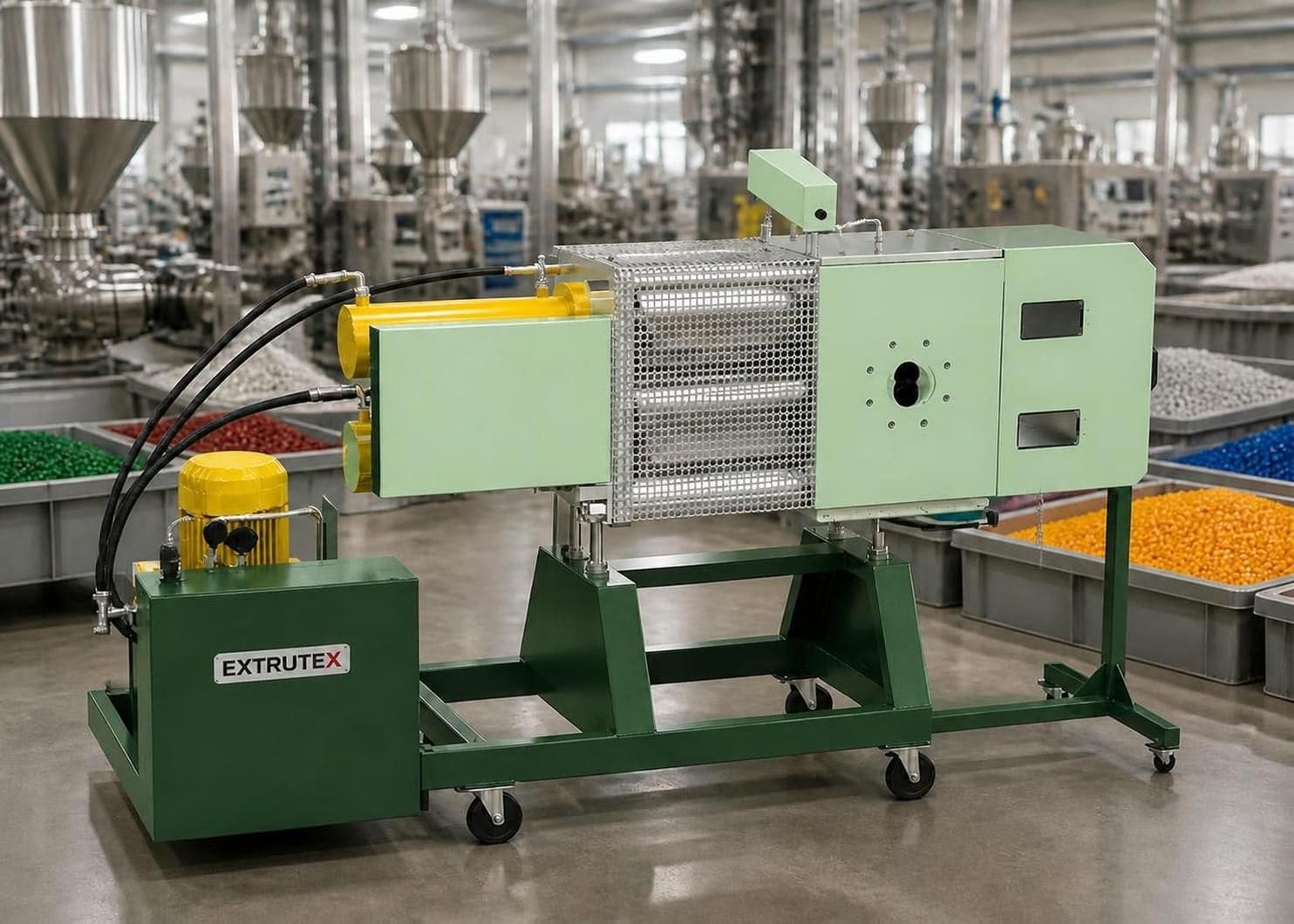
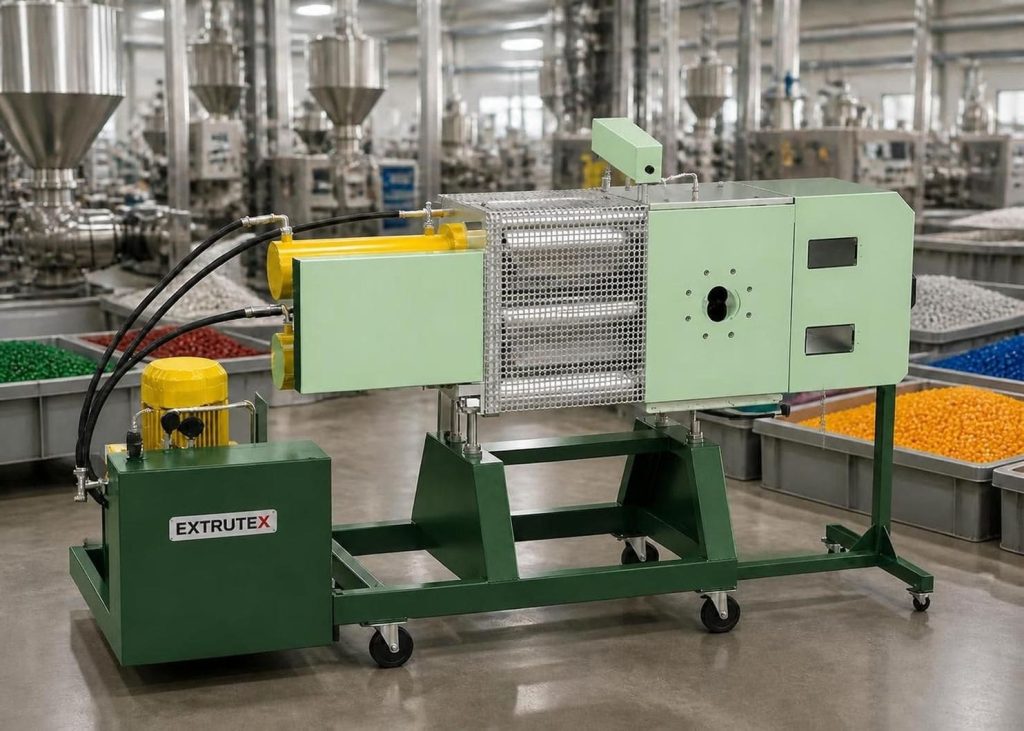
The EXTRUTEX EXC Continuous Screen Changer is designed for plastic extrusion, polymer compounding, and recycling applications where stable melt filtration and uninterrupted production are important. Featuring a double-piston filtration system, the EXC allows operators to replace a contaminated screen pack while the polymer melt continues to flow through the other filtration chamber. This arrangement helps reduce production interruptions and supports consistent operation in demanding industrial processing environments.
During the extrusion process, polymer melts may contain impurities such as metal fragments, paper, dust, unmelted particles, degraded polymer, and other foreign materials. If these contaminants reach the die, they can contribute to surface defects, flow instability, blocked channels, and inconsistent product quality. A suitable screen changer captures contaminants before the melt enters the downstream equipment.
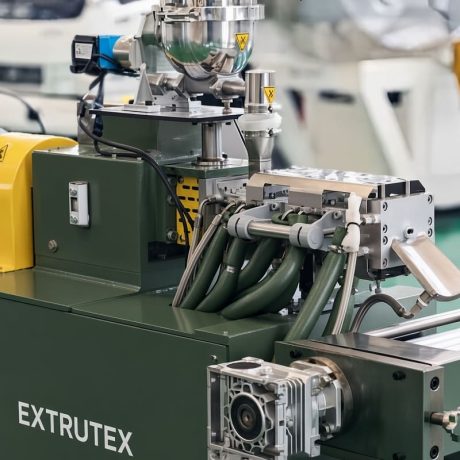
EXTRUTEX manufactures the EXC continuous screen changer for integration into different polymer processing lines. Its double-piston arrangement, hydraulic screen movement, and flow-oriented melt passage design are intended to support efficient filtration while limiting unnecessary pressure losses and excessive melt residence time.
Depending on the model, polymer type, filtration requirements, and operating conditions, the EXC series can be configured for a wide range of production capacities, with the product family intended to serve applications reaching up to approximately 10,000 kg/h. Final capacity and configuration must be confirmed for the specific process.
The EXTRUTEX EXC is a continuous screen changer that uses two filter-carrying pistons. Each piston contains a screen pack and forms part of the melt filtration system. During normal production, the polymer melt flows through both filtration sections according to the machine's operating design.
When the pressure reaches the defined switching threshold, one piston can be moved hydraulically to allow the screen pack to be replaced. During this operation, the melt flow is redirected through the other filtration section, maintaining the filtration path while the screen is serviced. Once the replacement screen is installed and the piston is returned to its operating position, the system can resume its normal arrangement. The procedure can then be repeated for the other piston when necessary.
This alternating arrangement is particularly useful for extrusion lines that process large volumes of material or operate for extended production periods. Rather than stopping the entire line for every screen replacement, operators can change screens during operation according to the equipment's approved procedure.
The molten polymer is delivered from the extruder into the EXC filtration unit. The internal flow channels distribute the melt toward the filtration sections, where the screen packs capture unwanted solid particles.
During standard operation, the two piston assemblies are positioned to provide the required melt-flow path. Each piston carries a replaceable filter screen. The arrangement is designed to allow one screen pack to be serviced while the other filtration section maintains the melt path.
As contaminants accumulate on a screen, resistance to melt flow can increase. The operating pressure is monitored to determine when a screen change is required. The switching threshold should be established according to the selected machine, polymer, screen specification, and process limits.
When the defined switching condition is reached, the hydraulic system moves one piston out of its operating position. The melt is directed through the remaining filtration section so that the process can continue during screen replacement.
The exposed screen pack can be removed and replaced with a suitable clean screen. Operators must follow the EXTRUTEX operating procedure and observe the required precautions for hot polymer, residual pressure, and moving hydraulic components.
After the screen pack has been replaced and checked, the piston is returned to its operating position. The system resumes its normal filtration arrangement, and the other piston can be serviced when required.
This alternating process is the main functional advantage of a continuous double-piston screen changer: it enables screen replacement without the routine full-line interruption associated with a conventional discontinuous design.
The EXC uses two screen-carrying piston assemblies to support continuous melt filtration during screen replacement. When one screen requires servicing, the other filtration section provides the alternative melt-flow path.
This configuration can help reduce production downtime, particularly in processes where screens become contaminated frequently or where stopping the extruder would result in significant material loss or operational disruption. The actual benefit depends on the contamination level, screen life, production schedule, and the operating procedure.
The melt passage design is developed to guide polymer through the filtration area while limiting unnecessary resistance. Effective flow distribution is important because uneven flow can influence screen loading, local pressure conditions, and the consistency of material delivered to the die.
A well-matched flow path also helps reduce unnecessary material retention within the filtration assembly. The final melt behavior, however, depends on the entire extrusion system, including the extruder, adapter, screen pack, die, polymer rheology, and operating temperature.
Polymer degradation can occur when sensitive materials remain at elevated temperatures for excessive periods. A compact, flow-conscious filtration design can help limit unnecessary melt residence time within the screen changer.
This consideration is particularly relevant for temperature-sensitive formulations, recycled materials, and polymers that require carefully controlled processing conditions. Residence time is influenced by the complete melt channel geometry and actual throughput, so performance should be evaluated for the intended application rather than assumed from the screen changer alone.
The EXC is designed to manage flow resistance and avoid unnecessary pressure increases across the filtration section. Keeping pressure within the process limits helps protect the equipment, support stable output, and reduce the risk of pressure-related variation in the extrusion process.
As a screen becomes loaded with contaminants, pressure drop generally increases. A continuous screen changer allows a contaminated screen to be replaced without the same type of full-line stop required by a discontinuous system. Correct pressure monitoring and switching settings remain essential for reliable operation.
Residual polymer inside a machine can complicate color changes, formulation changes, and transitions between different materials. The EXC design emphasizes minimizing material-retention areas in the melt path to help support efficient cleaning and changeover procedures.
Actual changeover time depends on polymer compatibility, color contrast, degradation sensitivity, temperature, residence time, and cleaning practices. The screen changer is one part of the overall melt system; the extruder, adapter, die, and downstream equipment must also be considered when planning a rapid material change.
The double-piston mechanism and hydraulic actuation are intended for repeated screen-changing cycles in industrial production environments. Correct model selection, installation, maintenance, and operation are important to achieve dependable service life.
Hydraulic components, piston movement, sealing interfaces, and screen assemblies should be inspected according to the manufacturer's maintenance recommendations. Operating limits must be respected to protect personnel and equipment.
The EXTRUTEX EXC is intended for use with a broad range of thermoplastic melt-processing applications. Final compatibility must be checked against the polymer grade, processing temperature, viscosity, pressure requirements, chemical properties, and the selected machine's construction materials.
PE is used in pipe, film, sheet, profile, and recycling applications. Melt filtration can help remove contaminants before the polymer reaches the die or pelletizing system. The screen grade should be selected according to the product specification and the cleanliness of the feed material.
PP extrusion and compounding processes can benefit from filtration where solid contamination affects product appearance or processing stability. The EXC configuration should be matched to the melt flow rate, formulation, and required filtration level.
Selected PVC applications may require filtration to remove foreign particles and support consistent product quality. PVC has specific thermal-processing requirements, so the screen changer must be suitable for the formulation and operating conditions. Residence time and temperature control should be evaluated carefully.
PET processing, including suitable recycling and compounding applications, may require effective melt filtration. The screen changer must be selected according to the PET grade, melt viscosity, moisture management, temperature, pressure, and production rate. Specialized configurations may be necessary for particular process conditions.
Polyamide processing can involve demanding temperature and moisture-control requirements. The suitability of the EXC should be confirmed for the particular PA grade and application, including the intended filtration fineness and pressure conditions.
Selected engineering plastics and formulated compounds may also be considered. Because these materials can vary significantly in viscosity, processing temperature, filler content, and degradation sensitivity, EXTRUTEX should evaluate the material specification before recommending a configuration.
The suitability of a continuous screen changer depends on the material and process. Highly contaminated feedstock, unusual filler content, corrosive components, or particularly sensitive polymers may require a specialized filtration solution.
Both continuous and discontinuous screen changers filter polymer melts, but they use different procedures to replace contaminated screens. The choice depends on production continuity, investment considerations, contamination level, process requirements, and the acceptable time required for maintenance.
| Feature | EXTRUTEX EXC Continuous | EXTRUTEX EXDC Discontinuous |
|---|---|---|
| Screen replacement | Designed for replacement during operation | Requires the extrusion process to be stopped |
| Filtration arrangement | Two screen-carrying pistons | Hydraulically moved screen-carrying piston |
| Melt flow during screen change | Directed through the remaining filtration section | Screen replacement takes place after stopping the process |
| Production interruption | Designed to minimize routine interruption for screen changes | Planned downtime is needed for screen replacement |
| Typical selection factor | Continuous operation is a priority | Screen changes can be scheduled during production stops |
For high-output processes or lines that operate for extended periods, the EXC may offer operational advantages by reducing routine screen-change interruptions. For smaller systems or applications where production stops are acceptable, a discontinuous design may be sufficient. The best configuration should be selected after comparing the production target, material contamination, screen replacement frequency, and total operating costs.
The EXTRUTEX EXC product family is intended for a wide range of production scales, with configurations available for applications reaching up to approximately 10,000 kg/h. This figure represents the upper end of the stated product range, not a guaranteed output for every model or polymer.
Actual throughput depends on the screen changer's dimensions, the polymer's melt viscosity, operating temperature, filtration grade, contamination level, pressure limits, extruder capacity, and downstream system. Fine filtration or heavily contaminated feedstock may reduce achievable output or require more frequent screen changes.
| Parameter | EXTRUTEX EXC |
|---|---|
| Equipment type | Continuous melt screen changer |
| Filtration design | Double-piston arrangement |
| Screen movement | Hydraulic actuation |
| Screen replacement | During operation, using the alternate filtration path |
| Indicative maximum throughput | Up to approximately 10,000 kg/h, depending on configuration |
| Polymer compatibility | Selected thermoplastics, subject to process verification |
| Screen specification | Selected according to polymer and filtration requirements |
| Connection dimensions | Confirmed according to the selected model and extrusion line |
| Hydraulic and operating specifications | Confirmed in the model-specific technical documentation |
Technical note: This is a general product overview. Exact model dimensions, screen area, hydraulic power, operating pressure, temperature limits, connection sizes, and model-specific throughput should be confirmed with EXTRUTEX before ordering.
The EXC is typically installed in the melt flow path between the extruder and the downstream equipment. Proper integration requires attention to the connection design, melt flow direction, operating pressure, temperature, installation space, maintenance access, and hydraulic system requirements.
Before installation, the engineering team should verify that the selected screen changer is compatible with the extruder's maximum output and the material being processed. The system should also be checked against the pressure limits of the adapter, die, and other connected equipment.
For recycling and compounding applications, the incoming material's contamination level and consistency should be considered when selecting the screen pack and changeover settings. If the line processes different polymers or colors, the entire melt path should be reviewed to minimize residual material and reduce the risk of cross-contamination.
EXTRUTEX can evaluate the EXC as part of a complete processing solution that may include extrusion equipment, adapters, dies, pelletizing systems, and downstream machinery. Coordinated selection helps align filtration capacity with the output and operating requirements of the production line.
Maintenance intervals should be established according to the operating manual, process conditions, usage hours, and observed wear. Work on the equipment must follow appropriate isolation and safety procedures.
A continuous screen changer filters polymer melt and allows a contaminated screen to be replaced while the melt continues to pass through an alternative filtration path. This helps reduce routine production interruptions.
The EXC uses two screen-carrying pistons. When one screen requires replacement, the corresponding piston is moved hydraulically and the melt is directed through the other filtration section. The screen can then be changed before the piston returns to its operating position.
The stated product range reaches up to approximately 10,000 kg/h. Actual output depends on the model, polymer, melt viscosity, screen specification, contamination level, and operating conditions.
The EXC is intended for a broad range of thermoplastic applications, but compatibility must be confirmed for the specific polymer grade and process. Temperature, viscosity, pressure, chemical characteristics, and construction materials all influence the final selection.
Yes, it can be considered for suitable recycling lines where melt filtration is required. The screen specification and model should be selected according to the contamination level and production requirements.
The EXC is designed to allow screen replacement during operation by directing the melt through the alternate filtration section. The procedure must follow the machine's operating instructions and safety requirements.
The flow design considers reducing material-retention areas, which can help with cleaning and changeovers. Actual color-change performance depends on the polymer, pigment, previous material, temperature, and the design of the entire melt path.
Provide EXTRUTEX with the polymer type, required throughput in kg/h, melt temperature, operating pressure, contamination level, desired screen mesh, extruder model, and downstream connection details. This information helps determine the appropriate model and screen configuration.
EXTRUTEX manufactures polymer processing and extrusion equipment for industrial applications. The EXC continuous screen changer is designed for production lines that require melt filtration while minimizing routine interruptions during screen replacement.
To receive a suitable configuration recommendation, provide details about your polymer, production capacity, operating conditions, filtration requirements, and extrusion-line layout. For recycling and compounding applications, information about feedstock contamination and material variation is also helpful.
Contact EXTRUTEX to discuss the EXC continuous screen changer for your plastic extrusion, compounding, or recycling production line.
There are no reviews yet.
By submitting your email, you agree to our company’s terms and conditions.
We are not looking to sell; we are here to provide you with the best support and service.
Contact available 24/7
Please do not contact us for advertising or sales inquiries
All rights of this website are reserved for EXTRUTEX Austria and its partner companies, © 2026
-
(0 customer reviews)