No products in the cart.


All rights of this website are reserved for EXTRUTEX Austria and its partner companies, © 2026


Multiple Payment Methods

Discount for advance payments over 50%

Free Shipping Coordination Services
Payment methods:


The EXTRUTEX PET and PP Strap Extrusion Machine is designed for the industrial production of plastic strapping bands used in packaging, palletizing, transportation, warehousing, and logistics. With flexible equipment configurations, production capacity options, and processing solutions for different raw materials, EXTRUTEX helps manufacturers establish strapping band production facilities according to their product requirements, investment budgets, and target markets.
Polyethylene terephthalate (PET) and polypropylene (PP) are two of the most widely used materials for plastic strapping. PET strapping is generally selected for medium- and heavy-duty packaging applications where high tensile strength and dimensional stability are important. PP strapping is often preferred for lightweight packages, general-purpose carton packaging, and applications where economical material consumption is a priority.
EXTRUTEX offers customized PET strap extrusion lines, PP strap extrusion lines, and production configurations developed around the customer's required strap width, thickness, output, raw material availability, and downstream packaging equipment.
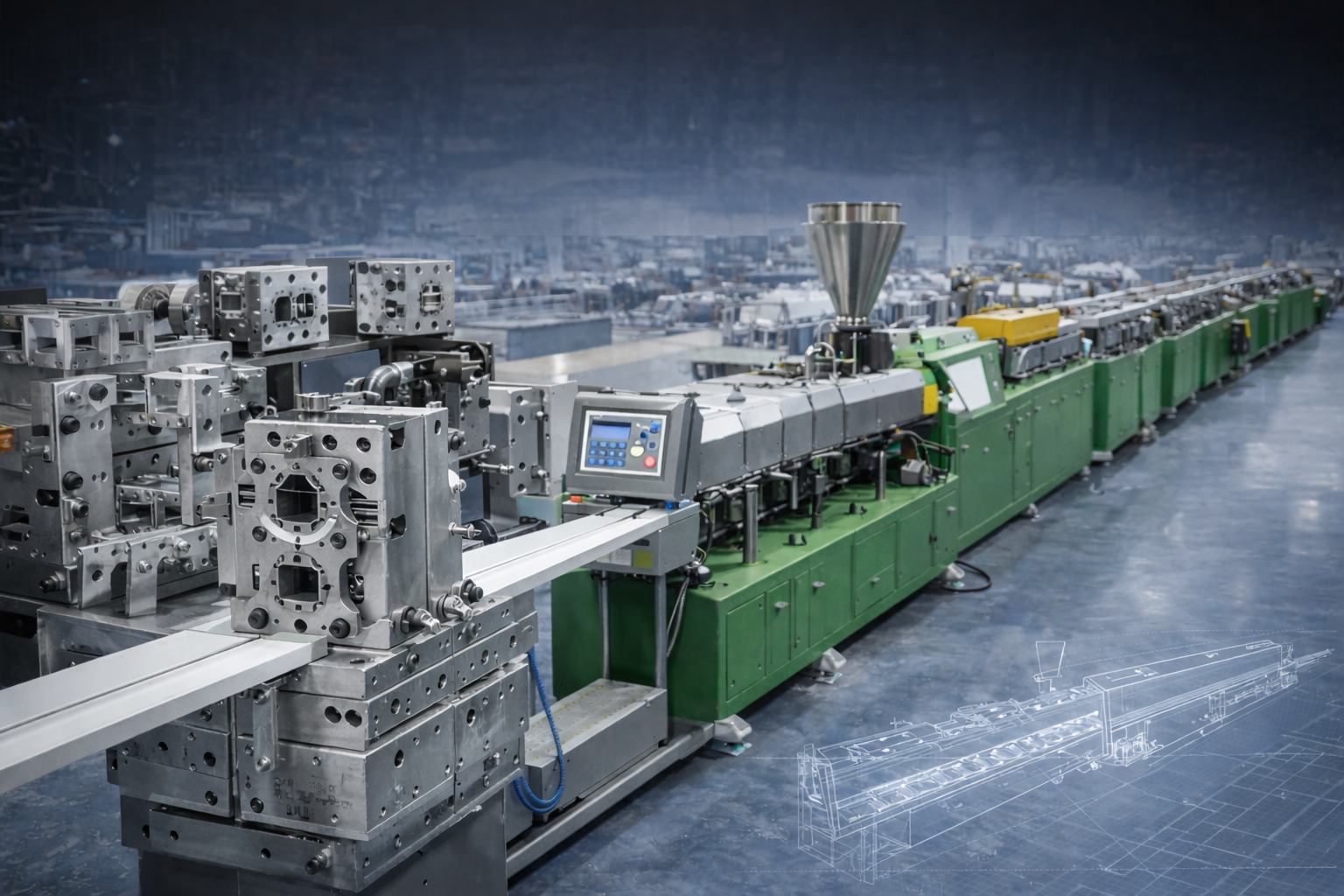
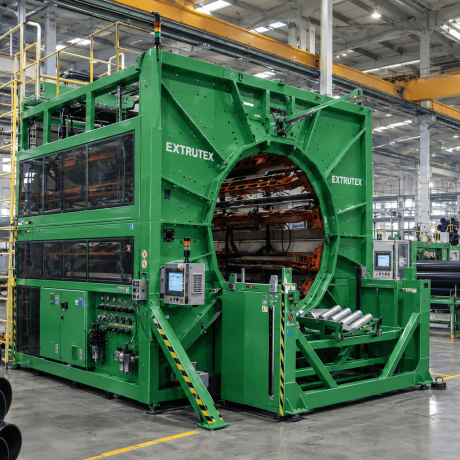
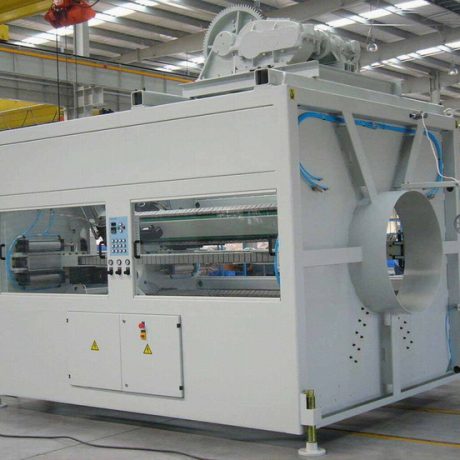
A plastic strapping extrusion line transforms polymer raw materials into continuous plastic bands with controlled dimensions and mechanical properties. Depending on the selected material and production process, the line can include raw material feeding, drying, extrusion, melt filtration, forming dies, cooling, stretching, heat treatment, embossing, dimensional control, traction, and winding systems.
Each stage contributes to the final strap's appearance, dimensional consistency, tensile performance, and winding quality. The line configuration must therefore be selected according to the material formulation and the intended application rather than output capacity alone.
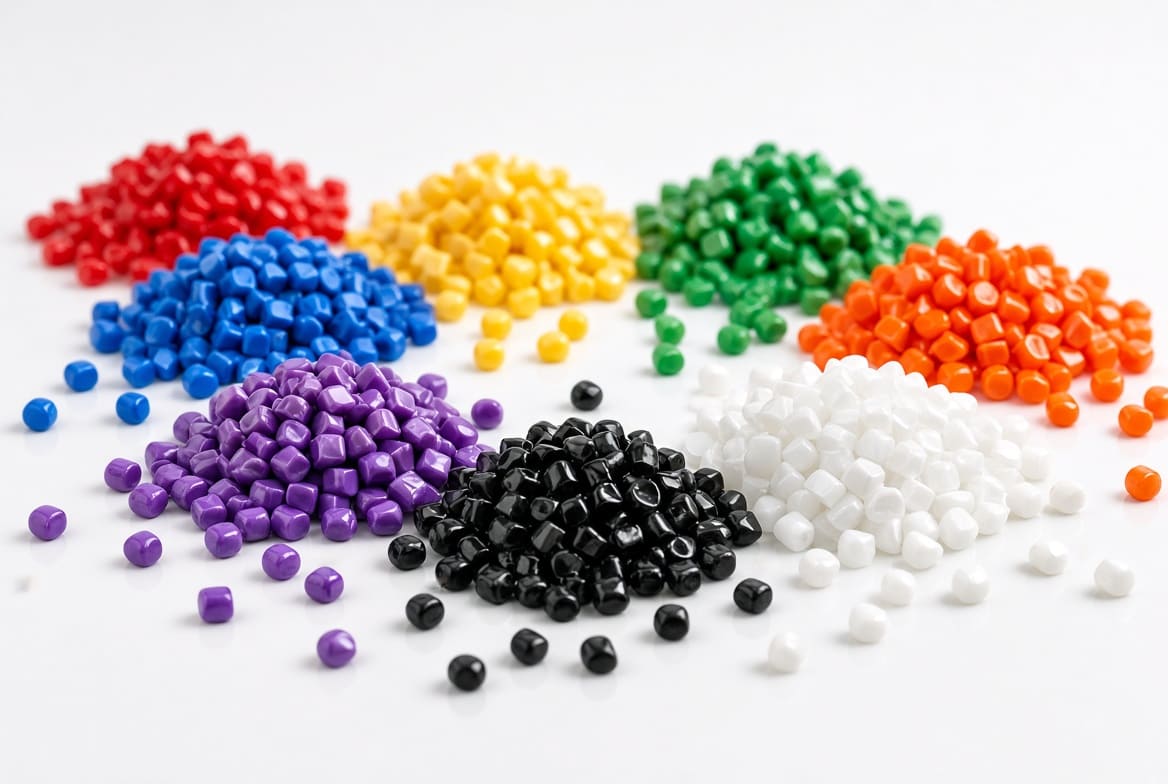
EXTRUTEX can develop different equipment combinations for new PET or PP raw materials, suitable recycled materials, and selected recycling-based production processes. For PET strap production using recycled PET bottle flakes, material preparation and moisture control are particularly important. The appropriate drying, crystallization, filtration, and processing arrangements depend on the condition and quality of the incoming flakes.
PET strapping is widely used for securing palletized goods and heavy or bulky products during storage and transportation. Its mechanical performance can make it a practical alternative to steel strapping in suitable applications, while its lower weight and compatibility with modern strapping equipment offer operational advantages.
The EXTRUTEX PET Strap Extrusion Machine is intended for manufacturers that require consistent PET strapping for industrial packaging. Depending on the selected configuration, the production line can process appropriate PET raw materials or treated recycled PET bottle flakes.
Recycled PET is an important raw material option for strapping production. A properly engineered line can use suitable treated PET bottle flakes, potentially reducing dependence on virgin polymer and supporting resource-efficient manufacturing.
Successful processing requires attention to incoming material quality. Moisture, contamination, PVC residues, labels, adhesives, and other unwanted substances can affect extrusion stability and finished strap performance. Depending on the feedstock, pretreatment may include sorting, washing, drying, crystallization, and other preparation steps.
During extrusion, controlled melting, effective filtration, and stable melt delivery help reduce contamination-related defects. Subsequent stretching and heat treatment establish the mechanical characteristics required by the final application. The exact process should be validated using the customer's raw materials and target strap specifications.
Polypropylene strapping is widely used in carton sealing, light palletizing, parcel handling, printing and packaging operations, and general industrial packaging. Compared with many heavy-duty PET strapping applications, PP strapping is commonly selected where lower cost, light weight, and ease of handling are important.
The EXTRUTEX PP Strap Extrusion Machine can be configured for the required strap dimensions, material formulation, production capacity, and winding arrangement. The final configuration depends on the customer's choice of PP grade, recycled content, colorants, additives, and finished-product requirements.
PET and PP strapping should be compared according to the application rather than price alone. PET is often selected when higher tensile performance and load retention are required, while PP is commonly selected for lighter packaging duties and cost-sensitive applications. Actual performance depends on strap width, thickness, formulation, orientation, production quality, and the conditions under which the strap is used.
Before selecting a line, manufacturers should define the required breaking force, elongation, strap dimensions, package weight, transportation conditions, and compatibility with their customers' strapping equipment.
The complete equipment configuration varies according to the material, production capacity, and final product. A typical line may include the following systems.
The feeding system delivers raw material to the extrusion process at a controlled rate. Depending on the material and feedstock, preparation equipment may include hoppers, loaders, dryers, crystallizers, dosing units, and blending equipment. Correct preparation is particularly important when processing hygroscopic or recycled materials.
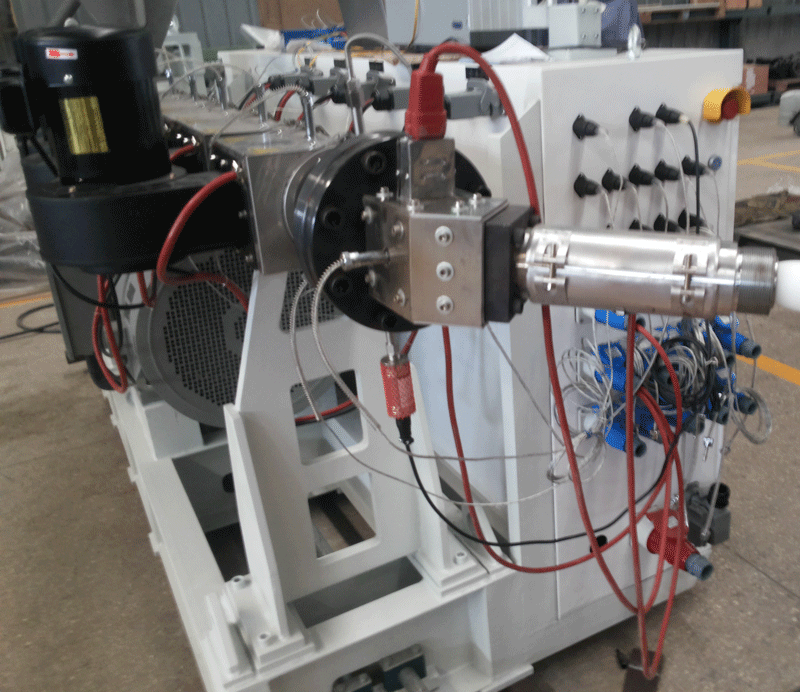
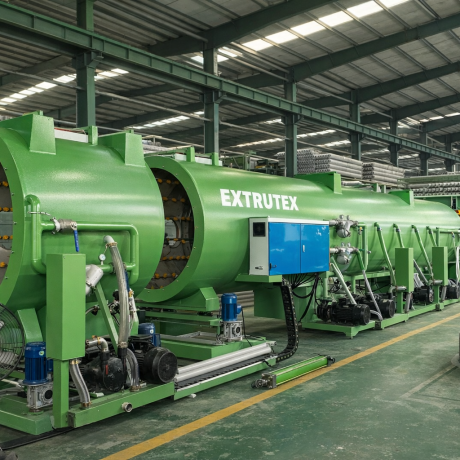
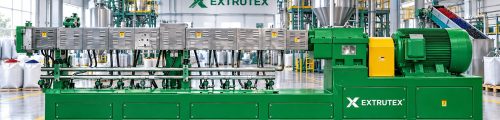
The extruder melts, mixes, and conveys the polymer under controlled temperature and pressure conditions. Screw geometry, screw diameter, L/D ratio, compression characteristics, and drive power should be selected according to the polymer and target throughput.
EXTRUTEX can evaluate screw and barrel configurations for the required material and operating conditions. Nitrided alloy steel and other suitable wear-resistant materials may be considered according to the screw design and application. Surface hardness and treatment specifications should be confirmed for the selected component rather than applied as a universal value to every screw.
Melt filtration helps remove suitable solid contaminants before the polymer reaches the forming die. The filtration arrangement should account for the raw material's contamination level, the required filtration rating, melt pressure, and the production process. Recycled feedstocks may require particular attention to filtration and pressure monitoring.
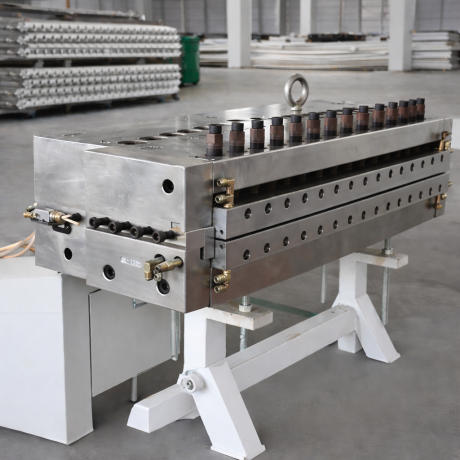
The die distributes the molten polymer into the required initial strap profile. Die design and process control influence the profile's width, thickness, and uniformity. Final dimensions are also affected by downstream drawing, cooling, and heat treatment, so the complete process must be calibrated together.
Cooling stabilizes the extruded profile before subsequent processing. Drawing or stretching aligns polymer chains and helps develop the desired mechanical properties. The required draw ratio, temperature, and cooling conditions vary according to PET or PP formulation and the target product specification.
Where required, heat treatment helps control residual stress, shrinkage, and dimensional stability. Embossing equipment can produce a textured strap surface that supports handling and gripping characteristics. The selected embossing pattern and heat-treatment conditions should be validated against the final strap's performance requirements.
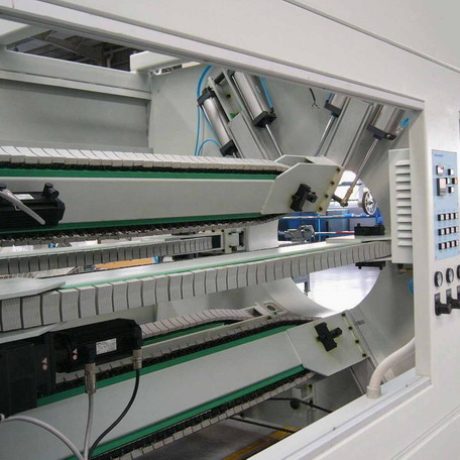
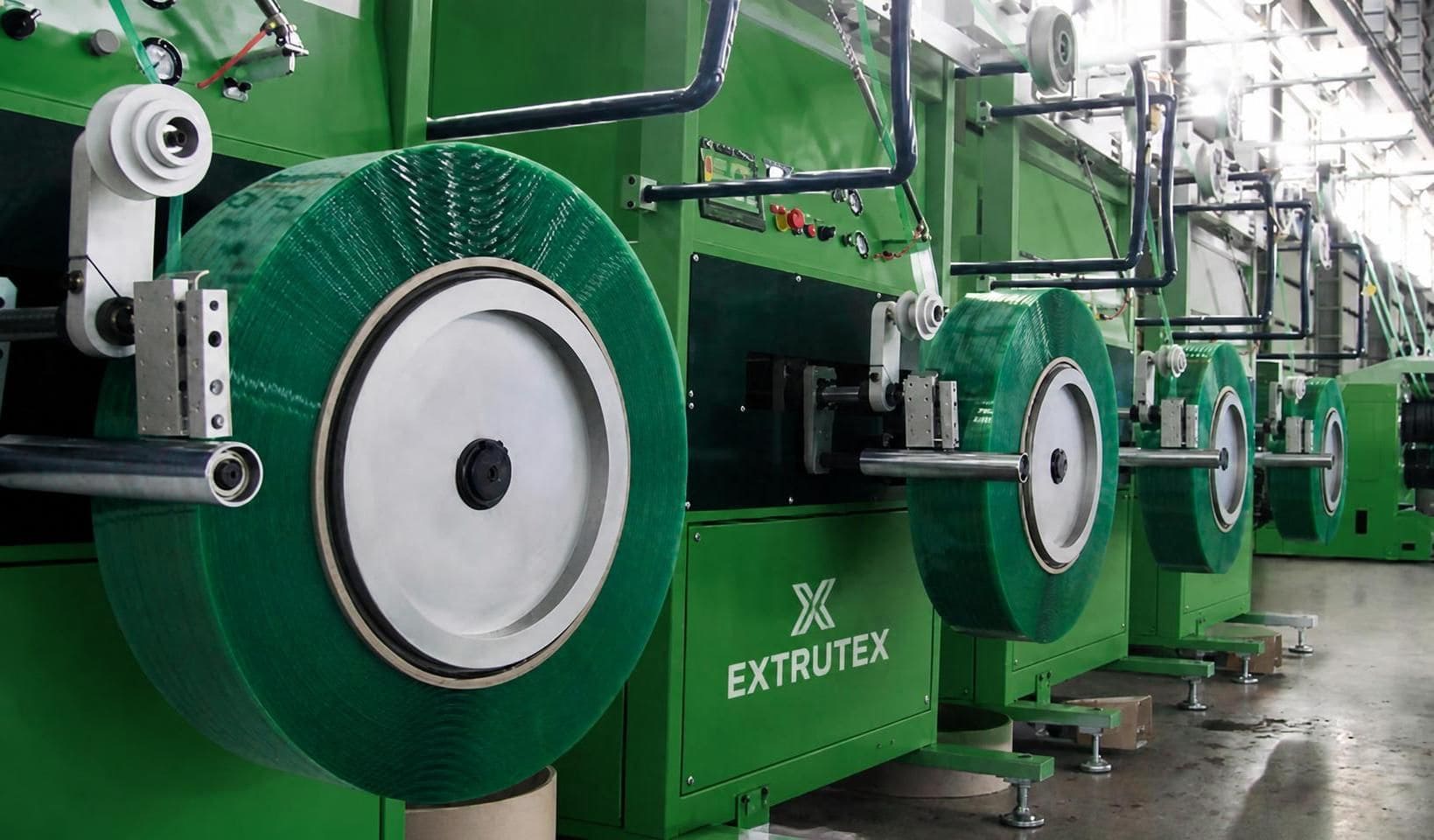
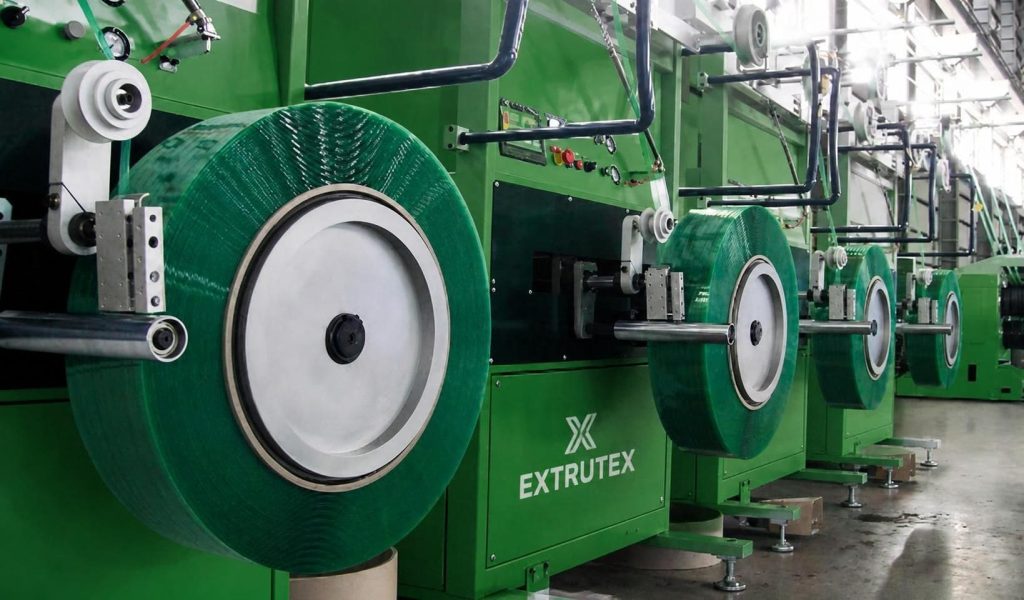
Traction equipment maintains stable movement through the downstream process. The winding system forms finished coils or reels suitable for storage, transport, and use by customers. Winder design, coil dimensions, changeover method, and automation level should match the intended sales format and production speed.
The following table presents reference specifications for the JC-SPET series supplied for this product description. These models are PET strapping line references; PP line specifications and complete line configurations should be confirmed separately with EXTRUTEX.
| Model | Applicable Material | Screw Diameter | Strap Width | Extrusion Capacity |
|---|---|---|---|---|
| EXPP90 | PET | 90 mm | 9–19 mm | 200 kg/h |
| EXPP110 | PET | 110 mm | 9–25 mm | 300 kg/h |
| EXPP130 | PET | 130 mm | 9–25 mm | 400 kg/h |
Important: These are reference model figures, not a guarantee of finished-product output. Actual production depends on raw material, strap dimensions, the number of straps produced simultaneously, line speed, drawing ratio, process settings, and equipment configuration. Confirm the number of output strands and the rated capacity under the intended production conditions before ordering.
Different packaging markets require different strap dimensions, mechanical properties, and output levels. EXTRUTEX can assess the required line configuration based on the intended product range, raw materials, factory conditions, and investment plan.
Production capacity should be selected in relation to expected sales volume, operating hours, material availability, and future expansion plans. A suitable line should balance investment cost, energy demand, labor requirements, finished-product quality, and maintenance needs.
Stable feeding, melting, filtration, drawing, cooling, and winding are essential for consistent strap dimensions and performance. A well-matched extrusion system helps operators maintain the process within the required operating window and identify deviations before they lead to excessive waste.
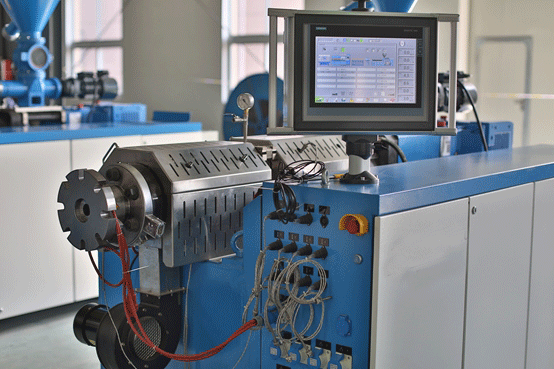
A clearly arranged control system helps operators monitor important production parameters, including temperatures, drive speeds, melt pressure, and downstream traction. The available automation and monitoring functions depend on the selected configuration.
Where technically suitable, production planning can consider virgin PET or PP, selected recycled material, color concentrates, and compatible additives. The permitted material range must be established for each line. Changing polymer type or increasing recycled content may require process adjustments and additional quality testing.
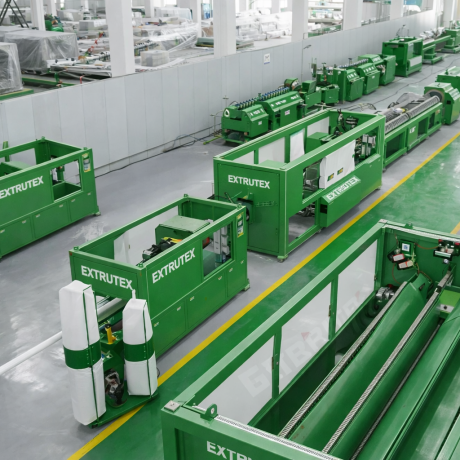
EXTRUTEX can work with customers to define a practical production solution, including the required output, product dimensions, material preparation, downstream equipment, and factory layout. Providing raw material details and finished-product samples during the project planning stage helps improve the accuracy of equipment selection.
Plastic strapping is used across a wide range of industries. The correct material and strap specification should be selected according to package weight, handling conditions, and required load security.
Finished strap quality depends on the combined effects of raw material, extrusion conditions, drawing, heat treatment, and winding. Manufacturers should establish inspection procedures suited to their product specifications and customer requirements.
For recycled PET production, raw material moisture and contamination should also be monitored. Test results should be evaluated against agreed product specifications rather than assumed performance values.
Correct installation and maintenance support reliable production and help protect the extrusion equipment. Before commissioning, the factory should prepare suitable electrical power, ventilation, cooling water where required, compressed air where required, raw material storage, and sufficient operating space.
During commissioning, operators should verify temperature control, drive direction, safety interlocks, emergency stops, melt pressure monitoring, and downstream synchronization. Initial trials should use the selected raw material and progressively establish stable processing conditions.
Routine maintenance may include inspecting heaters, thermocouples, gearboxes, bearings, filters, cooling systems, traction belts, rollers, and winding components. Screen changes and cleaning should follow the approved procedure and be performed only after the relevant system has been made safe.
Operators should receive training in start-up, shutdown, material changes, process monitoring, troubleshooting, and safe handling of hot polymer and rotating machinery. Maintenance intervals should follow the equipment documentation and actual operating conditions.
To recommend an appropriate line, EXTRUTEX needs to understand the customer's intended product and production objectives. The following information helps define a technically and commercially suitable configuration.
With these details, the line can be evaluated as a complete process rather than by extruder size alone. This helps ensure that the extruder, forming system, stretching equipment, and winding units are appropriately matched.
Some components may be adaptable, but PET and PP have different processing requirements. A line intended to handle both materials must be specifically engineered and validated for both. Material changes may require cleaning, temperature adjustments, tooling changes, or other modifications.
Yes, suitable treated PET bottle flakes can be used in appropriately configured PET strap production lines. The feedstock must meet the process requirements for moisture, contamination, and material consistency. Pretreatment and filtration requirements depend on the incoming material.
PET strapping is generally used for higher-load applications, while PP strapping is commonly used for lighter packaging. Actual strength depends on strap dimensions, material formulation, orientation, and manufacturing quality. Compare measured performance values for the intended application.
Yes. The available dimensional range depends on the selected extrusion line, die, drawing system, and winding equipment. Confirm the target width and thickness range during technical planning.
The appropriate capacity depends on required output, product dimensions, raw material, number of simultaneous strands, operating hours, and investment budget. A rated extruder throughput does not automatically equal the same mass of saleable finished strap.
Finished straps can be designed for compatible automatic strapping equipment. Compatibility should be checked against the customer's required strap dimensions, coil format, surface properties, and machine specifications.
EXTRUTEX provides PET and PP strap extrusion solutions for packaging manufacturers seeking suitable production capacity, stable processing, and customized product specifications. Whether your project focuses on heavy-duty PET strapping, recycled PET bottle flakes, or economical PP strapping, the line should be designed around the intended raw material and final product requirements.
Contact EXTRUTEX with your target strap width and thickness, raw material, production capacity, and application requirements. Our team can assess the appropriate extrusion and downstream configuration and prepare a proposal for your project.
EXTRUTEX — Customized Plastic Extrusion Technology for Industrial Packaging.
There are no reviews yet.
By submitting your email, you agree to our company’s terms and conditions.
We are not looking to sell; we are here to provide you with the best support and service.
Contact available 24/7
Please do not contact us for advertising or sales inquiries
All rights of this website are reserved for EXTRUTEX Austria and its partner companies, © 2026
-
(0 customer reviews)