No products in the cart.

All rights of this website are reserved for EXTRUTEX Austria and its partner companies, © 2026


Multiple Payment Methods

Discount for advance payments over 50%

Free Shipping Coordination Services
Payment methods:


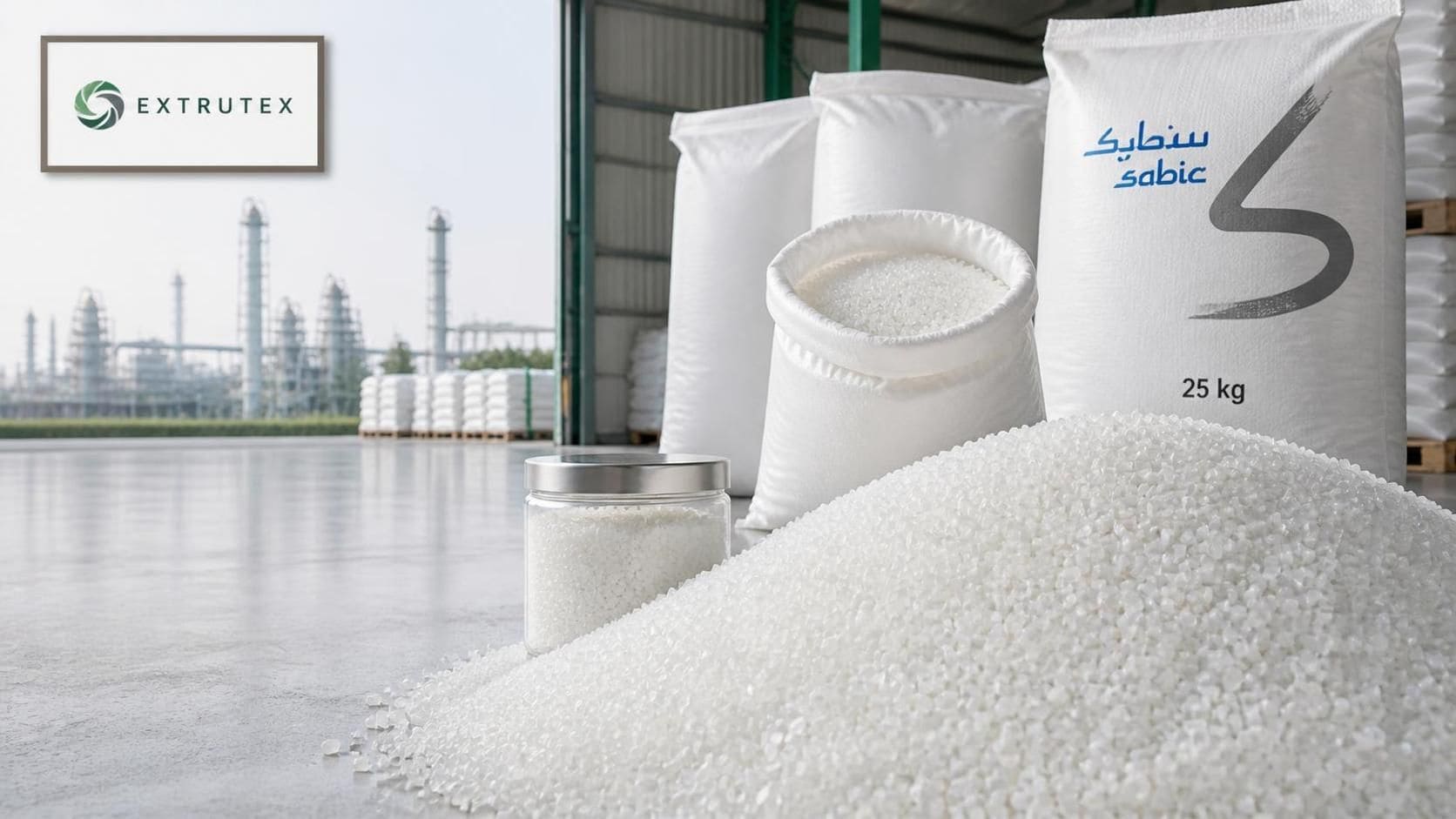
PP Homopolymer (PPH) is a versatile polypropylene material widely used in injection molding, extrusion, packaging, household products, electrical appliances, automotive components and industrial manufacturing. Its combination of low density, stiffness, chemical resistance and processing versatility makes it a popular choice for manufacturers across many industries.
EXTRUTEX supplies PP homopolymer grades for industrial customers seeking suitable raw materials for their production requirements. We can also explore sourcing options from Chinese refineries, subject to grade availability, technical specifications and purchasing requirements.
Whether you require polypropylene for rigid packaging, molded components, household articles, sheets, fibers or other applications, EXTRUTEX can help you identify suitable supply options based on your required grade, melt flow rate, processing method and end-use requirements.
PP homopolymer, commonly abbreviated as PPH, is a type of polypropylene produced from propylene monomer units without intentionally incorporating a comonomer such as ethylene into the polymer chain. Commercial grades commonly have a predominantly isotactic molecular structure, which contributes to their relatively high crystallinity.
This molecular structure gives PP homopolymer its characteristic stiffness, strength, low density, chemical resistance and useful thermal properties. Depending on the specific grade, PPH can be processed into rigid containers, caps, household products, electrical components, fibers, tapes, sheets and various industrial articles.
Different PPH grades offer different flow characteristics and performance profiles. Choosing the appropriate grade requires consideration of the processing method, product design, mechanical requirements and intended operating conditions.
EXTRUTEX supplies PP homopolymer to customers looking for dependable material sourcing options for plastics processing and manufacturing. Our role is to help buyers identify suitable materials and coordinate supply according to their requirements.
We do not manufacture PP homopolymer. We supply available materials from suitable sources, including potential supply channels from Chinese refineries. Specific grades, origins, quantities, documentation and delivery arrangements must be confirmed when making an inquiry.
PP homopolymer grades for suitable molded products, including containers, household goods, caps, boxes, toys and appliance components.
Selected grades for sheet extrusion, fibers, tapes and other extrusion applications, depending on the resin specification and processing requirements.
Assistance with identifying grades based on melt flow rate, product performance, processing method, quantity and destination.
PP homopolymer is commonly selected for products requiring good rigidity and structural stability. Its stiffness makes it suitable for many rigid containers, household articles, packaging products and industrial components. The actual stiffness depends on the grade, additives, product geometry and processing conditions.
Unfilled polypropylene typically has a density of approximately 0.90–0.91 g/cm³. This relatively low density allows manufacturers to produce lightweight products and can help reduce material consumption when compared with heavier materials in appropriately designed applications.
PP homopolymer generally offers good resistance to many acids, alkalis and aqueous solutions. This property supports its use in selected containers, industrial products and household articles.
Chemical compatibility depends on the substance, concentration, temperature, exposure duration and mechanical loading. Specific applications should be evaluated before the material is selected.
Polypropylene can provide good resistance to repeated flexing when the material grade and product design are appropriate. Certain PP grades are therefore used in hinged lids, closures and reusable products.
Performance depends on hinge geometry, molding quality, material orientation, temperature and the required number of operating cycles.
Many conventional isotactic PP grades have melting temperatures around 160–170°C. However, the melting temperature is not the same as the maximum continuous service temperature.
Actual heat resistance depends on the specific grade, loading conditions, stabilization, product geometry and operating environment. The technical data sheet should be consulted when evaluating applications exposed to heat.
PP homopolymer is used in selected electrical and electronic products because polypropylene generally has useful electrical insulating properties. Applications requiring particular dielectric performance, flame retardancy or electrical safety compliance need a suitable, verified grade.
Polypropylene is commonly identified by resin identification code 5. Clean, appropriately sorted PP products can be mechanically recycled where suitable collection and processing facilities are available.
The performance of recycled polypropylene depends on contamination, degradation, feedstock quality and the recycling process.
PP homopolymer and PP copolymer are both polypropylene materials, but their molecular structures can produce different mechanical and thermal characteristics. The most suitable option depends on the finished product and its operating conditions.
| Property | PP Homopolymer (PPH) | PP Copolymer |
|---|---|---|
| Composition | Propylene-derived repeat units | Propylene combined with a comonomer, commonly ethylene |
| Stiffness | Generally high for comparable unfilled grades | Depends on the copolymer structure and grade |
| Impact resistance | Can be more limited at low temperatures | Impact copolymers can offer improved toughness |
| Heat performance | Often suitable for rigid products requiring good thermal performance | Depends on the copolymer type and formulation |
| Typical applications | Rigid packaging, housewares, fibers and selected industrial parts | Impact-resistant containers, automotive components and demanding molded parts |
These are general comparisons rather than absolute rules. Individual grades should always be evaluated using their technical data sheets and intended application requirements.
PP homopolymer is widely used in packaging applications, including selected rigid containers, lids, caps, storage boxes and reusable packaging products. Its low density, stiffness and chemical resistance make it useful for manufacturing a broad range of packaging articles.
The required grade depends on wall thickness, mold design, flow requirements, product appearance and mechanical performance. Food-contact applications require confirmation that the resin and finished product comply with applicable regulations.
PPH is used in various household products, such as storage containers, flowerpots, organizers, kitchen accessories, furniture components and everyday consumer goods.
The appropriate grade should provide the necessary stiffness, surface finish, dimensional stability and processability for the intended product.
Polypropylene is widely used in the automotive industry for selected interior components, housings, covers and other molded products. PP homopolymer may be appropriate where stiffness and low weight are important.
Applications requiring substantial impact resistance, especially at low temperatures, may need an impact copolymer or a specially formulated material instead.
Selected PP homopolymer grades are used in appliance components, housings, covers and internal molded parts. Material selection should consider operating temperature, dimensional stability, electrical performance and any applicable flame-retardancy requirements.
Standard PPH should not automatically be considered flame retardant. Any required fire classification must be verified for the specific material.
Polypropylene can be processed into fibers, filaments, tapes and textile materials. Depending on the grade and process, applications include industrial textiles, woven bags, ropes, selected nonwoven fabrics and other products.
Fiber and tape production requires appropriate melt characteristics and processing behavior. Not every injection molding grade is suitable for these applications.
Selected PP homopolymer grades can be used in sheet extrusion and other continuous extrusion processes. Applications may include industrial sheets, fabricated components and selected rigid products.
The grade should be selected according to melt stability, output requirements, die design, cooling conditions and the requirements of the downstream equipment.
PP homopolymer is used in selected industrial articles requiring a combination of rigidity, low weight and chemical resistance. These may include trays, storage products, housings, selected mechanical components and other molded products.
For products exposed to high loads, elevated temperatures, outdoor weather or aggressive chemicals, the material should be assessed against the actual operating conditions.
Melt flow rate is an important parameter when comparing polypropylene grades. It indicates the mass of molten polymer that flows through a standardized test die under specified temperature and load conditions during a defined period.
Polypropylene MFR is commonly reported in grams per 10 minutes. A frequently used test condition is 230°C under a 2.16 kg load, but the exact conditions must be verified in the grade's technical documentation.
| Approximate MFR Range | General Flow Profile | Potential Applications |
|---|---|---|
| 2–4 g/10 min | Lower-flow grades | Selected thicker molded parts, closures and rigid containers |
| 5–12 g/10 min | Medium-flow grades | General injection molding, household goods and appliance components |
| 13–25 g/10 min | Higher-flow grades | Selected thin-wall molded products |
| Above 25 g/10 min | High-flow grades | Selected high-speed molding and specialized applications |
These ranges are general guidelines, not universal grade classifications. MFR alone cannot establish mechanical properties or guarantee suitability for a particular process.
The following grades and application descriptions are based on the supplied reference information. They can serve as a starting point when identifying potential materials for your application.
EXTRUTEX supplies polypropylene materials and can explore sourcing options from Chinese refineries. Actual grade availability, manufacturer, origin, technical specifications and supporting documentation must be confirmed when making an inquiry.
| Grade No. | Manufacturer Reference | MFI* | Listed Application Areas |
|---|---|---|---|
| H540 | LG | 8 | Automotive parts, electrical appliances |
| H1500 | LG | 12 | Electronic appliances, toys |
| H930F | SK | 3.5 | Beverage straws, sheets, extrusion applications |
| HP500N | Arak | 12 | Small daily necessities, injection-molded parts |
| HP502N | Arak | 12 | Cooling boxes, thermos flasks, flowerpots, syringes |
| 2100N | ORPIC | 11 | Electronic appliances, automotive applications |
| 1100N | ORPIC | 12 | Daily-use articles, appliance parts |
| 130400000 | Exxon | 11 | Packaging products, containers |
| 136400 | Exxon | 12 | Cups, shields and agricultural applications |
| 6431 | Basell | 7.5 | Sealed appliances, toys |
| HP400M | Basell | 7.5 | Food containers, medical containers |
| HP400H | Basell | 2 | Bottle caps, containers, household items |
| HP401H | Basell | 2.2 | Rigid packaging, food containers |
| HP502N | Basell | 11 | Furniture and selected molded products |
| 6331 | Basell | 12 | Sporting goods, toys |
| HP500N | Basell | 12 | Containers, packaging boxes, furniture |
| HP602N | Basell | 12 | Toys, containers, sporting goods |
| HP401R | Basell | 25 | Furniture, daily supplies, automotive parts |
| HJ333MO | Borouge | 70 | Household supplies, packaging, molded products |
| HE120MO | Borouge | 12 | Pallets, buckets, extrusion, pipes, sheets, structural parts |
| HG385MO | Borouge | 25 | Screw caps, bottle caps, hinge caps, thick parts |
| HC205TF | Borouge | 4 | Containers, lids, packaging, dairy containers |
| HJ4006 | KPIC | 6 | Microwave trays, food storage bins, small appliances |
| HJ4012 | KPIC | 12 | Microwave trays, food storage bins, packaging films |
| 4017 | KPIC | 8.5 | Home appliances, industrial components |
| 4017M | KPIC | 14 | Electrical parts, industrial parts, industrial textiles |
| HJ4045 | KPIC | 45 | Household goods, electronics and appliances |
| 6431 | TITAN | 7.5 | Airtight containers, toys, high-stiffness components |
| 6331 | TITAN | 14 | Housewares, packaging, consumer goods, general molding |
| 570P | SABIC | 8 | Rigid packaging, daily necessities, molded products |
| 5702P | SABIC | 9 | Containers, furniture, toys |
| 575P | SABIC | 11 | Rigid packaging, molded products |
| J700N | HYOSUNG | 11 | Daily supplies, packaging bags |
*MFI values are reproduced from the supplied reference information. The original data does not consistently specify test conditions or units. Confirm the exact MFR, test method, polymer classification and technical data sheet before selecting or purchasing a grade. Manufacturer names and grade numbers are supplied for identification purposes only.
EXTRUTEX can explore supply options for PP homopolymer sourced from Chinese refineries, subject to the availability of the required material and confirmation of its specifications.
For industrial buyers, sourcing decisions should consider more than the country of origin. Grade consistency, traceability, technical documentation, packaging, delivery arrangements and the suitability of the material for the intended production process are all important.
Regulatory compliance depends on the exact material and its intended use. Food-contact or medical applications require the relevant documentation and verification for the target market.
Selecting the correct polypropylene grade can help manufacturers maintain stable processing conditions and achieve consistent finished-product quality. The following factors should be considered before ordering.
Injection molding parameters should be established according to the selected grade, mold design and machine. Barrel temperature, mold temperature, injection speed, holding pressure and cooling time all influence the finished product.
Follow the material supplier's recommendations and optimize processing conditions through controlled production trials.
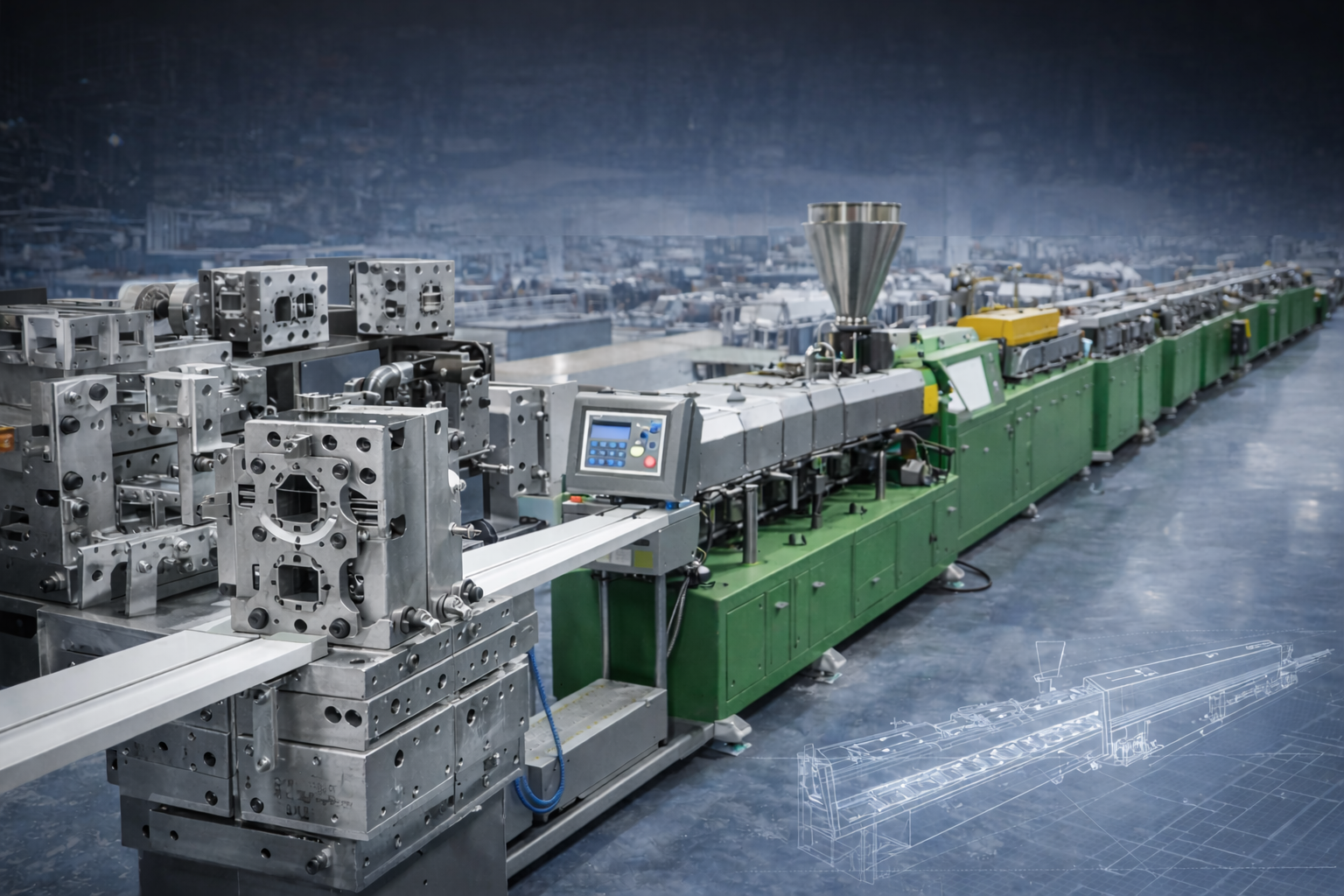
Extrusion performance depends on stable feeding, suitable screw configuration, melt temperature, die design and downstream cooling. The required grade and processing window vary between sheets, tapes, fibers and other products.
MFR should be considered alongside melt stability, output requirements, die design and cooling conditions.
Store polypropylene resin in its original packaging in a clean, dry location, away from excessive heat, direct sunlight and contamination. Keep packaging sealed until use and follow the supplier's handling recommendations.
Although polypropylene generally has low moisture absorption, contamination from dust, foreign polymers and other materials can affect processing and finished-product quality.
EXTRUTEX supplies polypropylene materials to industrial customers seeking suitable resin grades for plastics processing and manufacturing. Our role is to help customers identify available materials and coordinate supply according to their technical and purchasing requirements.
Actual supply availability, origin, documentation, delivery schedule and commercial terms depend on the selected grade and order requirements. Contact EXTRUTEX to discuss your material needs.
EXTRUTEX supplies PP homopolymer for injection molding, packaging, household products, electrical appliances and industrial applications. We can also explore sourcing options from Chinese refineries.
Contact our customer service team with your required grade, MFR, application, order quantity and delivery destination. We will help you explore suitable available supply options.
Contact EXTRUTEX Customer ServicePPH stands for polypropylene homopolymer. It is a polypropylene material made from propylene monomer units and commonly used for its stiffness, low density, chemical resistance and processing versatility.
PP is the general abbreviation for polypropylene, which includes homopolymers and copolymers. PPH specifically refers to polypropylene homopolymer.
Yes. Many PPH grades are designed for injection molding. The correct grade depends on melt flow rate, mold design, product geometry and required mechanical performance.
Yes. Selected grades can be used for sheet, fiber, tape and other extrusion processes. Always confirm the grade's suitability for the intended process.
MFI, often used interchangeably with MFR in commercial discussions, measures how much molten polymer flows through a standardized test die under specified conditions over a defined period. It helps compare flow behavior but does not independently determine overall performance.
The suitable MFI depends on the product and manufacturing process. General-purpose molding grades often use medium-flow ranges, while some thin-wall applications require higher-flow materials. Consult the technical data sheet before selecting a grade.
PP homopolymer generally resists many acids, alkalis and aqueous solutions. Compatibility depends on the specific chemical, concentration, temperature and exposure conditions.
PP homopolymer can become more brittle at low temperatures than certain impact polypropylene copolymers. Applications involving cold conditions and impact loads should be assessed carefully.
Certain grades can be suitable for food-contact applications when the material and finished product meet the applicable requirements. Confirm the relevant documentation for the exact grade and destination market.
Yes. Polypropylene is identified by resin identification code 5 and can be mechanically recycled where suitable collection, sorting and processing systems are available.
No. EXTRUTEX supplies PP homopolymer sourced from available supply channels. We can also explore sourcing options from Chinese refineries, depending on the required grade, availability and specifications.
Yes. EXTRUTEX can explore supply options from Chinese refineries. The exact grade, origin, quantity, documentation and delivery terms must be confirmed for each inquiry.
Yes. Provide your existing grade designation, technical data sheet, target MFR, processing method and application requirements. Potential alternatives can then be evaluated, subject to technical verification and availability.
Please provide the required grade or technical specification, intended application, requested quantity, packaging requirements and delivery destination. Include any special regulatory or documentation requirements.
No. Grades differ in MFR, molecular characteristics, additives, mechanical properties and processing behavior. Verify technical suitability before replacing an existing material.
PP homopolymer is a versatile thermoplastic used in packaging, household products, electrical appliances, automotive-related components, fibers, sheets and industrial manufacturing. Its low density, stiffness, chemical resistance and processing versatility make it an important material for many plastics applications.
Selecting the correct grade requires careful consideration of polymer classification, melt flow rate, processing method, mechanical performance, service conditions and technical documentation.
EXTRUTEX supplies PP homopolymer and can explore sourcing options from Chinese refineries according to customer requirements and material availability. Contact EXTRUTEX customer service to discuss your required grade, confirm available supply options and request further information.
There are no reviews yet.
By submitting your email, you agree to our company’s terms and conditions.
We are not looking to sell; we are here to provide you with the best support and service.
Contact available 24/7
Please do not contact us for advertising or sales inquiries
All rights of this website are reserved for EXTRUTEX Austria and its partner companies, © 2026
-
(0 customer reviews)