No products in the cart.



All rights of this website are reserved for EXTRUTEX Austria and its partner companies, © 2026


Multiple Payment Methods

Discount for advance payments over 50%

Free Shipping Coordination Services
Payment methods:


EXTRUTEX LDPE (Low-Density Polyethylene) is a versatile thermoplastic resin designed for flexible packaging, film extrusion, coating, wire and cable applications, and a wide range of industrial and consumer products. Known for its softness, flexibility, transparency, moisture resistance, and easy processing, LDPE is an important raw material for manufacturers seeking reliable performance in flexible plastic products.
EXTRUTEX can help customers source LDPE resin from China and international petrochemical producers, depending on grade requirements and market availability. Potential sourcing options may include SABIC, Borealis, Chevron Phillips Chemical, ExxonMobil, and other qualified producers. Contact our team to check currently available grades, stocked materials, technical data sheets, pricing, and delivery options.
LDPE stands for Low-Density Polyethylene, a thermoplastic polymer produced by polymerizing ethylene, commonly through a high-pressure process. Its molecular structure contains extensive branching, which prevents the polymer chains from packing as closely together as those of high-density polyethylene (HDPE). This structure contributes to LDPE's lower density, flexibility, softness, and relatively high elongation.
LDPE is widely used where a material needs to bend, stretch, seal, or conform to a product without becoming excessively rigid. It can be processed using established plastic manufacturing technologies, including blown film extrusion, cast film extrusion, extrusion coating, wire and cable extrusion, and selected molding processes.
Compared with HDPE, LDPE generally offers greater flexibility and a softer feel, while HDPE typically provides higher stiffness. Compared with linear low-density polyethylene (LLDPE), LDPE may offer useful melt strength and processing characteristics for particular film applications. The best choice depends on the required mechanical properties, processing equipment, film structure, and final product performance.
EXTRUTEX supports manufacturers and distributors seeking LDPE resin for regular production, new product development, and specialized processing requirements. We can help identify suitable grades based on the application, melt flow rate, density, film thickness, mechanical performance, and processing equipment.
Depending on availability and customer requirements, sourcing options may include Chinese-produced LDPE and materials from international petrochemical producers such as:
Brand names and example grades are provided for sourcing guidance only. Not every producer offers every LDPE application grade in every market. The actual manufacturer, grade, origin, and available quantity will be confirmed before quotation.
LDPE is widely used in flexible packaging because of its softness, flexibility, moisture resistance, and ability to form seals. Typical applications include general-purpose packaging film, protective wrapping, liners, and selected multilayer film structures.
Suitable LDPE grades can be used in shopping bags, refuse bags, industrial liners, and other flexible bag products. Grade selection should consider film thickness, tensile performance, tear resistance, sealing behavior, and the proportion of any recycled content in the formulation.
LDPE is used in selected shrink-film and protective-packaging applications where flexibility, toughness, and processability are important. The appropriate resin depends on the required shrink behavior, packaging line, film construction, and final application.
Specialized LDPE grades can be used for extrusion coating and lamination, including selected paper and packaging substrates. Processing requirements may include stable extrusion, suitable melt strength, adhesion performance, and consistent coating quality. Substrate treatment and the overall coating system also influence final performance.
LDPE may be used in selected wire and cable insulation or jacketing compounds because of its electrical insulating characteristics and flexibility. Electrical, mechanical, thermal, and regulatory requirements must be checked for each cable design. Cable-grade materials should be selected using the applicable technical documentation and standards.
LDPE is used in certain squeeze bottles, caps, flexible containers, and dispensing products. Its softness can help a container recover or deform when squeezed. The correct grade depends on the container design, chemical contents, wall thickness, and applicable food-contact or product-safety requirements.
LDPE grades are used in selected agricultural films, protective covers, industrial films, and construction-related membrane products. Outdoor service life depends on formulation, UV stabilization, climate, film thickness, and exposure conditions. UV-resistant formulations may be required for extended outdoor use.
LDPE is not a single universal material. Different grades are designed to meet different melt-flow, density, melt-strength, optical, mechanical, and processing requirements. EXTRUTEX can help customers compare available grades against their manufacturing conditions and product specifications.
| Grade or Property | Typical Purpose | Selection Considerations |
|---|---|---|
| Film extrusion grade | Blown film and flexible packaging | Melt flow rate, bubble stability, film strength, clarity, and sealing performance |
| Heavy-duty film grade | Industrial packaging and stronger films | Impact resistance, tear performance, film thickness, and extrusion stability |
| Extrusion coating grade | Coating paper and selected substrates | Melt strength, coating uniformity, line speed, and substrate compatibility |
| Wire and cable grade | Selected electrical insulation applications | Electrical properties, thermal performance, mechanical properties, and compliance |
| Molding grade | Selected flexible or squeezable products | Melt flow, mold design, shrinkage, flexibility, and finished-part requirements |
These categories are general descriptions, not a substitute for an individual manufacturer's grade designation. Always confirm that the selected grade is approved for the intended process and end use.
The following table gives general reference ranges for LDPE. These values are indicative only and should not be used as guaranteed specifications for a purchase. Individual grades can differ significantly in melt flow rate, density, mechanical properties, processing behavior, and regulatory status.
| Property | Typical Reference | Notes |
|---|---|---|
| Polymer name | Low-Density Polyethylene | LDPE |
| Density | Approximately 0.910–0.940 g/cm³ | Confirm the specific grade's technical data sheet |
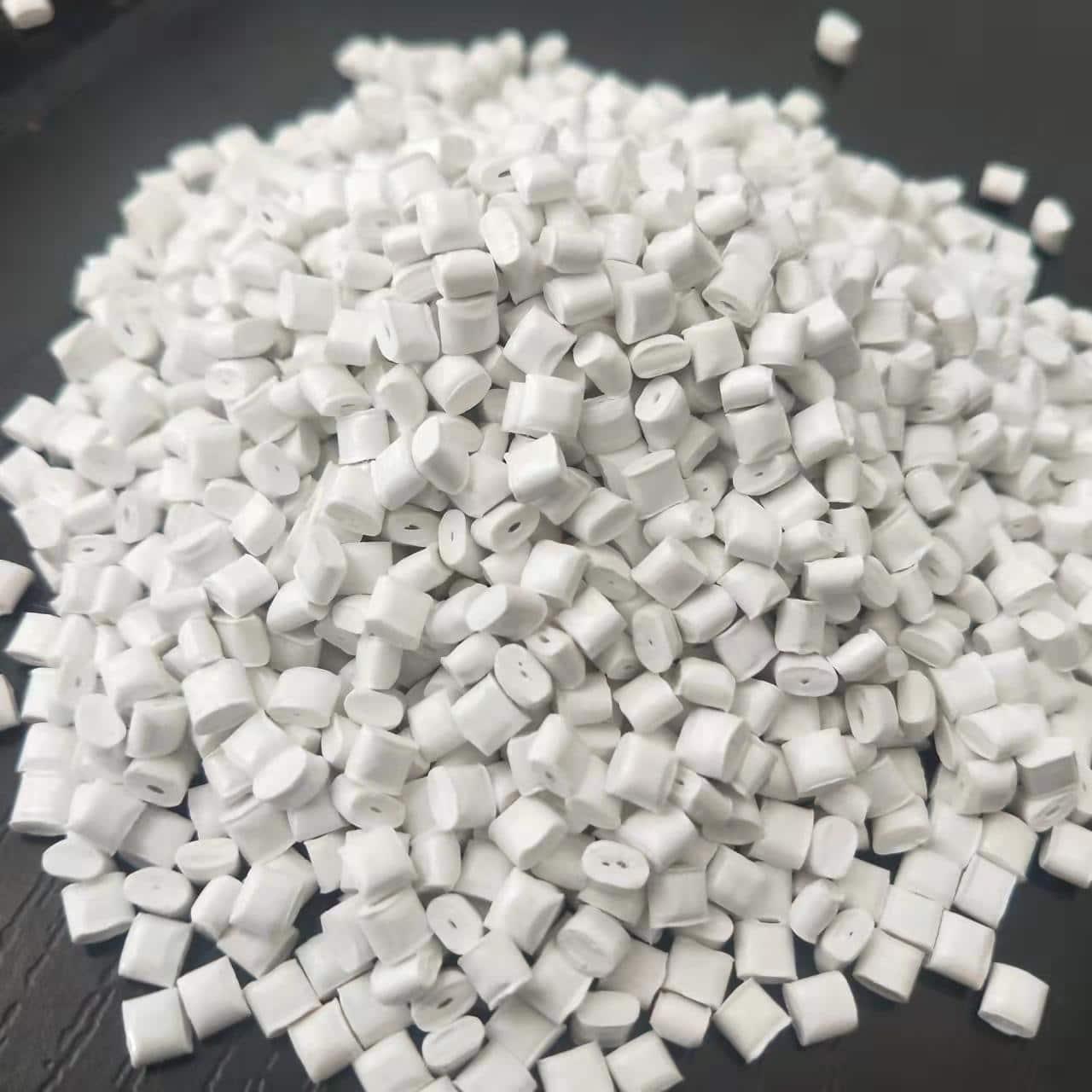
| Appearance | Usually natural or translucent pellets | Color and pellet appearance vary by grade |
| Melting range | Often approximately 105–115°C | Grade-dependent; measured values vary by method |
| Softening behavior | Typically softens with increasing temperature | Not a single fixed service-temperature limit |
| Processing method | Film extrusion, coating, selected molding and extrusion | Depends on the grade and equipment |
| Moisture resistance | Generally good | Actual barrier performance depends on film thickness and structure |
| Electrical insulation | Useful in selected applications | Verify electrical and thermal requirements |
Important: A processing melt temperature is not the same as a melting point or a recommended operating temperature. Use the manufacturer's processing guide and technical data sheet for the specific resin. For safety-critical, food-contact, medical, or electrical applications, confirm all required approvals and test data before use.
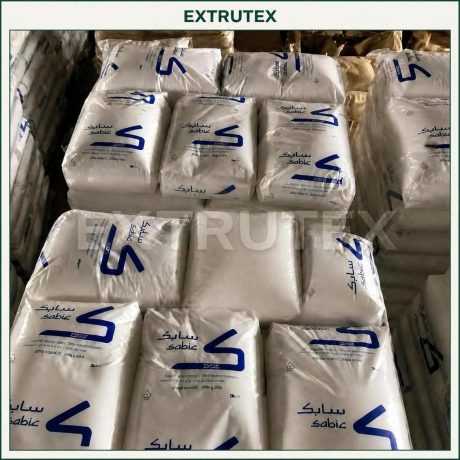
SABIC markets polyethylene materials for various processing and end-use applications. An example referenced in the market is SABIC® LDPE 2100N0. Its suitability for a particular film or extrusion application should be evaluated against the current manufacturer documentation and the customer's processing requirements.
When requesting this or another named grade, provide the exact grade code and target application. EXTRUTEX can check sourcing possibilities, availability, packaging, origin, lead time, and the current technical data sheet. Similar-looking grade names should not be treated as interchangeable without technical confirmation.
Choosing the correct LDPE resin starts with the finished product and the process used to manufacture it. A grade that performs well in one film line may not be ideal for a different machine, film thickness, or product specification.
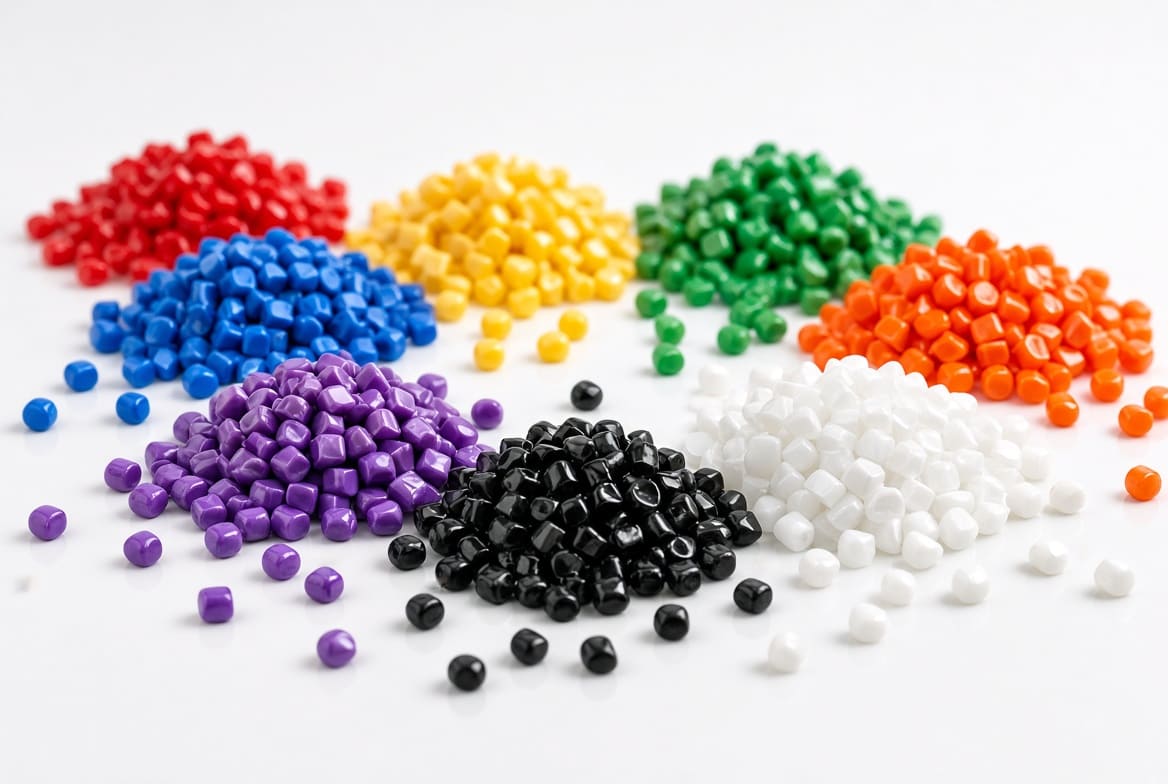
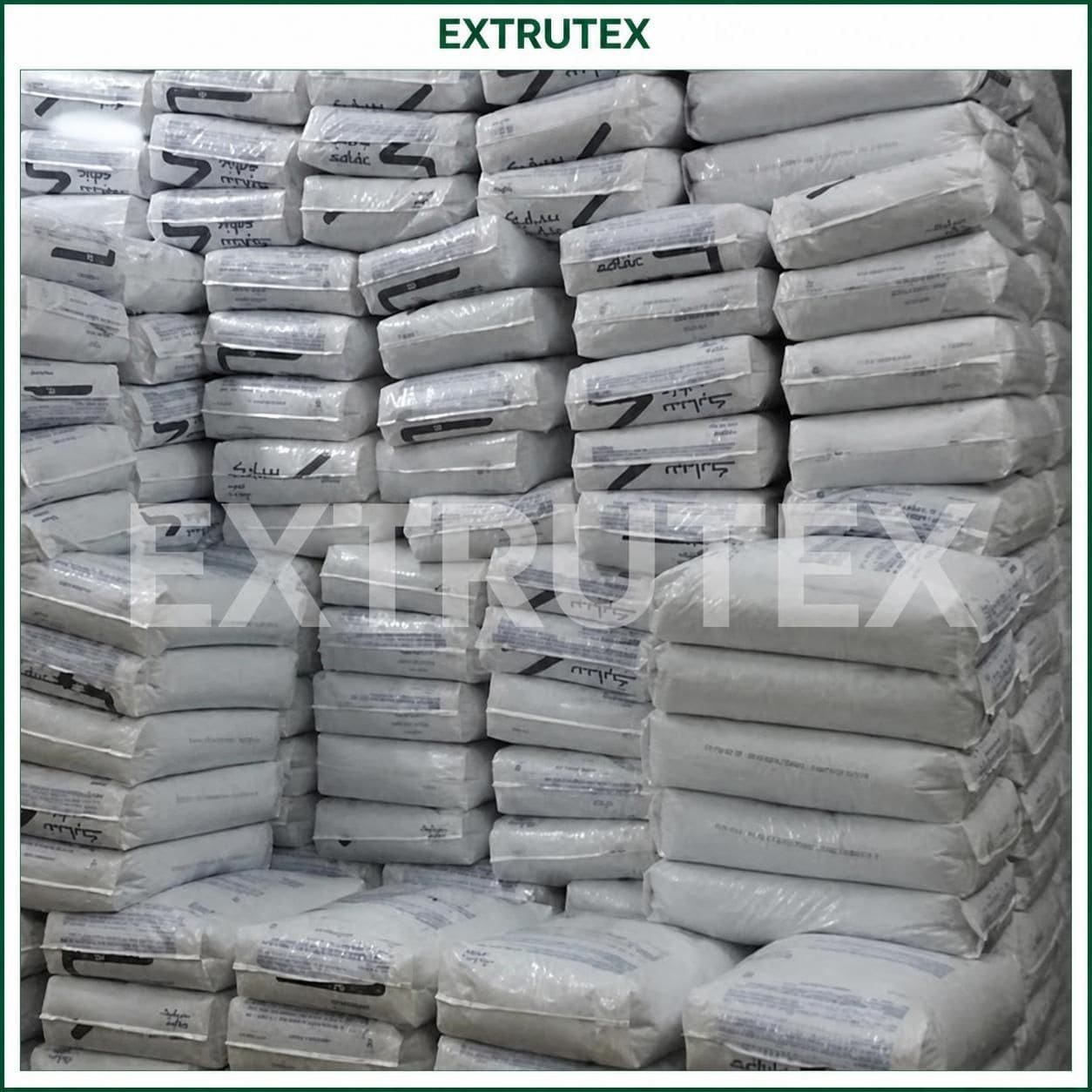
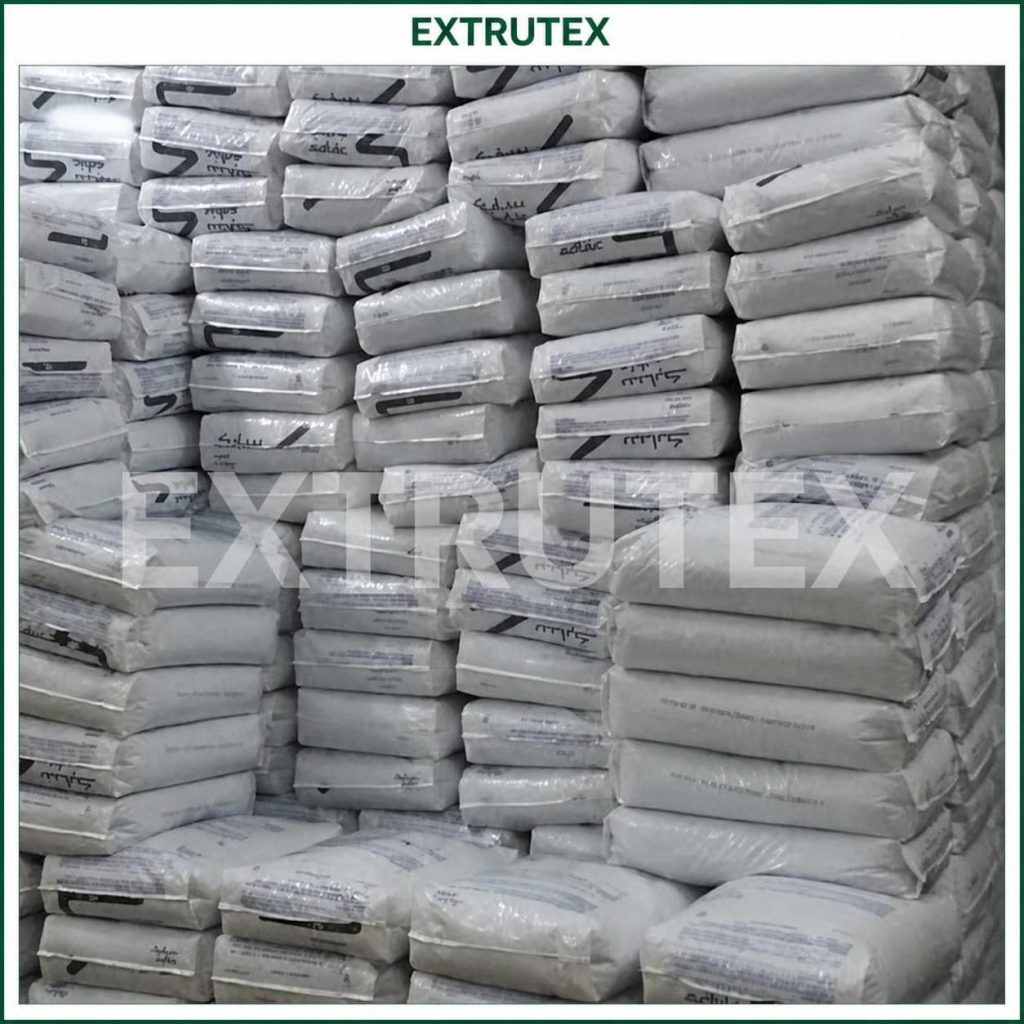
LDPE resin is commonly supplied as plastic pellets or granules packed in bags, often in 25 kg packaging. Other packaging arrangements or bulk-supply options may be possible depending on the producer, grade, order volume, and logistics.
EXTRUTEX can check available stock and sourcing options for customers looking for trial quantities, regular production supply, or larger commercial orders. Stock status, minimum order quantity, packaging, shipping method, delivery time, and port of loading must be confirmed in the quotation.
For a faster quotation, please provide:
EXTRUTEX helps customers identify suitable polymer materials for manufacturing and industrial applications. Our sourcing approach can cover Chinese materials and selected international brands, with grade selection based on application requirements rather than price alone.
EXTRUTEX does not assume that all grades from different manufacturers are directly interchangeable. Any proposed alternative should be reviewed against the original technical specifications and validated in the intended production process.
LDPE stands for Low-Density Polyethylene, a flexible thermoplastic polymer produced from ethylene. Its branched molecular structure contributes to its lower density and softness compared with HDPE.
LDPE is generally softer and more flexible, making it useful for flexible films, bags, and selected squeeze containers. HDPE is generally stiffer and offers higher density and strength in many applications. The correct choice depends on the product design and performance requirements.
EXTRUTEX can check sourcing possibilities for SABIC LDPE grades, including specific grade codes requested by the customer. Availability, authenticity documentation, price, and delivery conditions must be confirmed for each enquiry.
Yes, EXTRUTEX can check Chinese LDPE sourcing options, subject to the required grade, technical specifications, order quantity, and market availability. Chinese and international grades should be compared using their technical data sheets rather than assumed to be equivalent.
LDPE commonly has a density of approximately 0.910–0.940 g/cm³. The exact density depends on the resin grade and should be verified in the manufacturer's technical data sheet.
The right grade depends on the film process, thickness, output, strength, clarity, sealing behavior, and other performance targets. Share your application and machine details so available grades can be compared more accurately.
Some LDPE grades are designed for food-contact applications, but food-contact suitability must be verified for the exact grade, intended use, market, and applicable regulations. Do not assume that every LDPE resin is approved for food contact.
Contact EXTRUTEX with the requested grade, application, quantity, destination, and any technical requirements. We can check available stock or sourcing options and confirm pricing, documentation, packaging, and delivery conditions.
Looking for LDPE resin for film extrusion, flexible packaging, coating, wire and cable applications, or other plastic manufacturing processes? Contact EXTRUTEX to discuss your requirements and check our currently available grades.
Whether you need a named grade from SABIC, Borealis, Chevron Phillips Chemical, ExxonMobil, or a suitable material sourced from China, please send us your required specification and order quantity. We will review the available options and confirm the applicable technical and commercial details.
EXTRUTEX – LDPE Resin Sourcing for Industrial Plastic Manufacturing.
There are no reviews yet.
By submitting your email, you agree to our company’s terms and conditions.
We are not looking to sell; we are here to provide you with the best support and service.
Contact available 24/7
Please do not contact us for advertising or sales inquiries
All rights of this website are reserved for EXTRUTEX Austria and its partner companies, © 2026
-
(0 customer reviews)