
No products in the cart.



All rights of this website are reserved for EXTRUTEX Austria and its partner companies, © 2026


Multiple Payment Methods

Discount for advance payments over 50%

Free Shipping Coordination Services
Payment methods:


EXTRUTEX supplies High-Density Polyethylene (HDPE) resin for industrial manufacturing, packaging, pipe extrusion, blow molding, injection molding, film production, and other plastic processing applications. We can assist customers in sourcing HDPE grades from China and international petrochemical producers, including SABIC, Borouge, ExxonMobil, LyondellBasell, and selected suppliers from South Korea and Japan, subject to grade availability and commercial conditions.
Whether you require HDPE for water pipes, chemical containers, industrial packaging, household products, agricultural applications, or custom plastic components, EXTRUTEX can help you identify suitable materials according to your processing equipment, product design, mechanical requirements, and target cost.
Origin and supply: China and international sources
Material: High-Density Polyethylene (HDPE)
Available forms: Virgin HDPE resin and selected application-specific grades
Processing methods: Extrusion, blow molding, injection molding, and other compatible thermoplastic processes
Packaging: Commonly 25 kg bags or other packaging according to supplier availability
HDPE stands for High-Density Polyethylene, a thermoplastic polymer produced through the polymerization of ethylene. It is widely used in the plastics industry because of its excellent strength-to-density ratio, chemical resistance, moisture resistance, durability, and versatility in manufacturing.
Compared with Low-Density Polyethylene (LDPE), HDPE generally has a more linear molecular structure with less branching. Its polymer chains can therefore pack more closely together, resulting in higher density, greater crystallinity, and increased stiffness.
These characteristics make HDPE suitable for products that require structural strength, resistance to impact, long-term durability, or reliable performance in demanding environments. Depending on the selected grade, HDPE can be processed into rigid containers, pressure pipes, drainage systems, industrial components, household products, and packaging materials.
HDPE is available in numerous grades because different manufacturing processes require different combinations of melt flow rate, molecular weight, density, toughness, stiffness, and environmental stress-cracking resistance. Selecting the correct grade is essential for achieving consistent production and finished-product quality.
HDPE provides good tensile strength and stiffness relative to its weight. It is widely used for rigid packaging, structural plastic products, containers, pipes, and industrial components. The final mechanical performance depends on the molecular structure, grade selection, wall thickness, processing conditions, and product design.
HDPE offers strong resistance to many acids, alkalis, salts, and aqueous chemical solutions. This makes it useful for chemical storage tanks, detergent bottles, industrial containers, and chemical transportation systems. Compatibility must still be evaluated for the specific chemical, concentration, temperature, pressure, and exposure duration.
HDPE absorbs very little moisture under normal conditions. This characteristic helps maintain dimensional stability and makes the material suitable for water-related applications, outdoor equipment, packaging, and products exposed to humid environments.
Many HDPE grades provide good impact resistance, including at relatively low temperatures. Specialized blow-molding and pipe grades can offer an effective combination of toughness, durability, and resistance to cracking.
HDPE has useful electrical insulating properties and low moisture absorption. Selected grades are used in cable protection, electrical components, conduits, and telecommunications infrastructure.
Standard HDPE can deteriorate under prolonged ultraviolet exposure. For outdoor products, customers should select UV-stabilized or carbon-black-containing grades appropriate for the application and applicable technical standards.
The following table provides indicative properties commonly encountered across commercial HDPE grades. These figures are general reference ranges, not a specification for one particular resin grade. Always consult the manufacturer's Technical Data Sheet (TDS) and Safety Data Sheet (SDS) before production.
| Property | Typical Reference Range | Unit |
|---|---|---|
| Polymer type | High-Density Polyethylene | - |
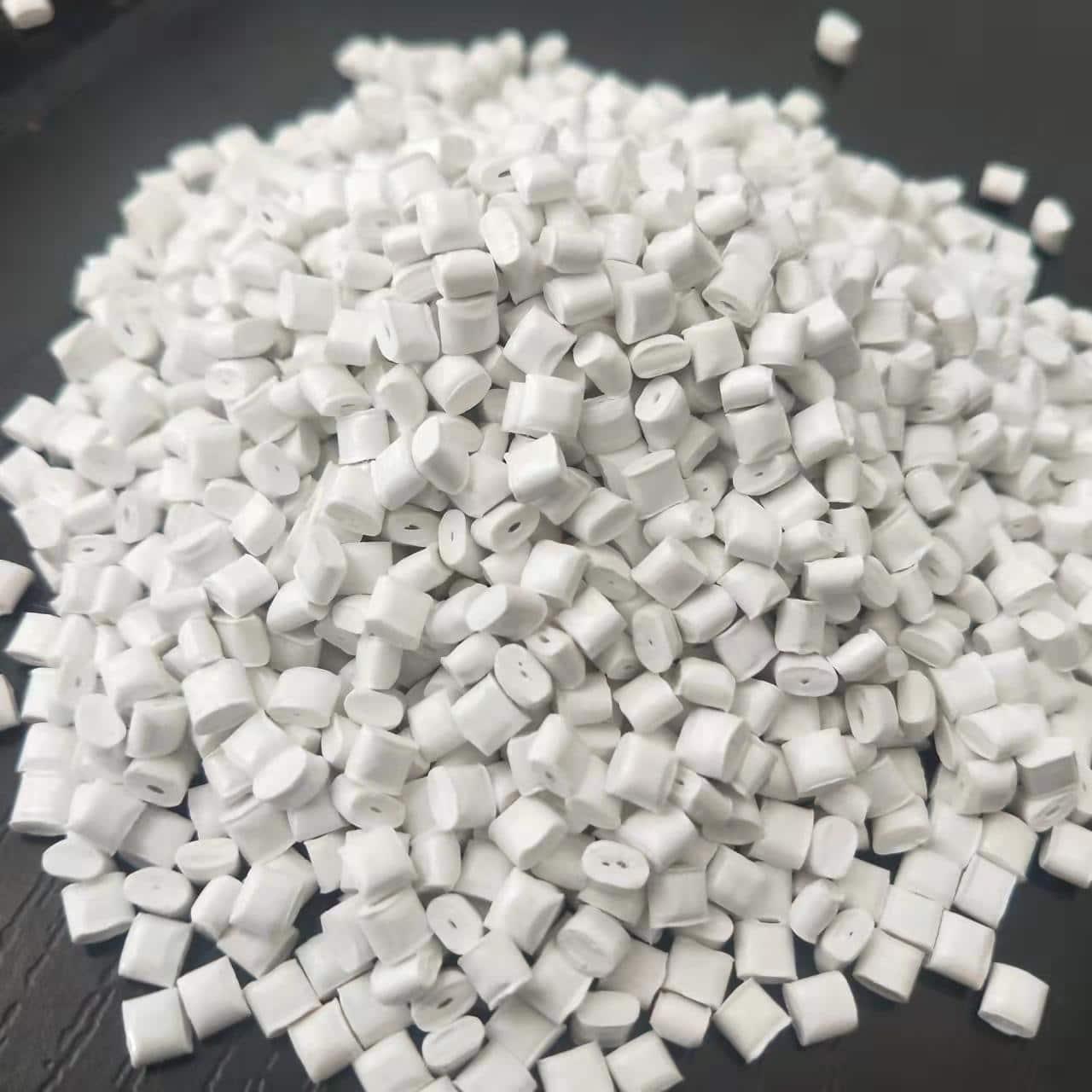
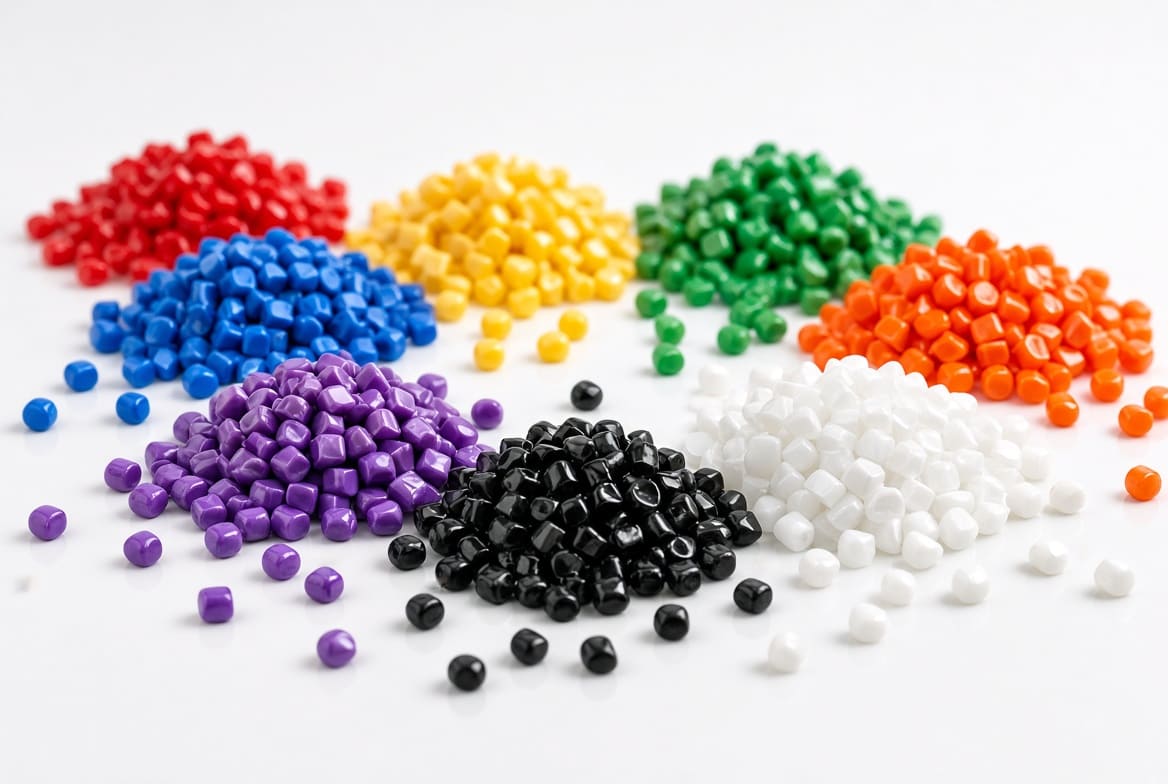
| Appearance | Natural, translucent, or colored pellets | - |
| Density | Approximately 0.941–0.965 | g/cm³ |
| Melt Flow Rate (MFR) | Approximately 0.03–20 or higher, depending on grade | g/10 min |
| Tensile yield strength | Approximately 20–35 | MPa |
| Elongation at break | Grade-dependent; often greater than 100% | % |
| Flexural modulus | Approximately 700–1,800 | MPa |
| Melting temperature | Approximately 125–135 | °C |
| Glass transition temperature | Approximately -120 to -100 | °C |
| Water absorption | Very low, typically below 0.1 | % |
| Processing temperature | Approximately 170–250, depending on process and grade | °C |
| Electrical properties | Good electrical insulation | - |
| Chemical resistance | Good resistance to many acids, alkalis, and aqueous solutions | - |
Important: The ranges above are illustrative and can vary significantly with test method, molecular weight, additives, and resin formulation. MFR values must be compared using the same test conditions, commonly 190°C with a 2.16 kg load for polyethylene. Tensile, flexural, and thermal results should be checked against the applicable test method and the exact grade datasheet.
Blow-molding HDPE is used to manufacture hollow plastic products with consistent wall thickness, good stiffness, and reliable impact resistance. Suitable grades are available for extrusion blow molding and other compatible container-forming processes.
Typical applications include milk bottles, detergent bottles, shampoo containers, chemical packaging, fuel containers designed for the relevant application, and industrial jerry cans.
Key selection criteria include melt strength, melt flow rate, environmental stress-cracking resistance, drop impact performance, and compatibility with the intended contents. Packaging for fuels, food, or regulated chemicals requires appropriate grade qualification and product testing.
Pipe-grade HDPE is engineered for extrusion into water supply pipes, pressure pipelines, gas distribution systems, drainage pipes, irrigation networks, and industrial fluid transportation systems.
Pressure pipe materials are selected according to long-term hydrostatic strength, resistance to slow crack growth, resistance to rapid crack propagation where applicable, processing stability, and compliance with the relevant standards.
For pressure applications, customers should specify the intended pipe diameter, wall thickness, operating pressure, service temperature, installation conditions, and required standard. Potable-water and gas applications require the appropriate certifications and approvals for the destination market.
Injection-molding HDPE grades are designed to flow through the molding machine and fill the mold efficiently. Depending on the grade, they offer a balance of stiffness, impact resistance, cycle time, and dimensional performance.
Applications include household containers, caps, closures, storage boxes, crates, pallets, industrial components, toys, and general-purpose molded products.
The required melt flow rate depends on part geometry, wall thickness, mold design, injection pressure, and machine capability. Higher-flow grades can improve filling in suitable applications, while lower-flow grades may provide different mechanical or processing characteristics.
Selected HDPE grades are used in film extrusion and sheet production. HDPE film can offer stiffness, moisture resistance, and useful mechanical strength for packaging and industrial applications.
Potential applications include shopping bags, packaging films, liners, industrial wrapping, protective sheets, and selected agricultural products. Film performance depends on molecular structure, extrusion conditions, gauge, additives, and orientation.
General-purpose HDPE grades are available for profile extrusion, protective components, conduits, boards, and other molded or extruded products. Material selection should consider output requirements, surface quality, dimensional stability, stiffness, and environmental exposure.
HDPE is widely used for rigid and semi-rigid packaging because it combines low weight, durability, moisture resistance, and chemical compatibility. Typical products include detergent bottles, household cleaning containers, personal-care packaging, industrial drums, and selected food-contact packaging.
Qualified pipe grades are used in water distribution, irrigation, drainage, wastewater management, and approved gas distribution applications. Their flexibility, corrosion resistance, and suitability for fusion joining can offer advantages in properly designed pipeline systems.
HDPE is used for irrigation pipes, water storage products, agricultural containers, protective sheets, and selected greenhouse or farming components. UV stabilization and environmental durability are important when products are exposed to sunlight for extended periods.
HDPE is suitable for many industrial tanks, containers, ducts, liners, and fluid-handling components. Chemical compatibility and mechanical design must be evaluated for each service condition, especially when the material is exposed to elevated temperatures or sustained loads.
Selected HDPE grades are used in automotive fluid containers, protective components, ducts, and other vehicle-related applications. Fuel systems and safety-critical components require grades specifically qualified for the intended service and regulatory requirements.
HDPE is used in storage boxes, bins, caps, toys, furniture components, reusable containers, and numerous everyday products. Colorants, UV stabilizers, and other additives may be incorporated when required by the final product design.
| Property | HDPE | LDPE | LLDPE |
|---|---|---|---|
| Molecular structure | Relatively linear, low branching | Highly branched | Mostly linear with short-chain branches |
| Density | Higher | Lower | Generally lower than HDPE |
| Stiffness | Generally high | Generally low | Depends on grade and formulation |
| Flexibility | Moderate to low | High | High in many film grades |
| Typical applications | Pipes, rigid containers, crates | Flexible films, coatings, bags | Stretch film, liners, flexible packaging |
Although all three materials are polyethylene, they are not interchangeable in every application. The right choice depends on product design, stiffness, impact performance, film properties, processing equipment, and cost targets.
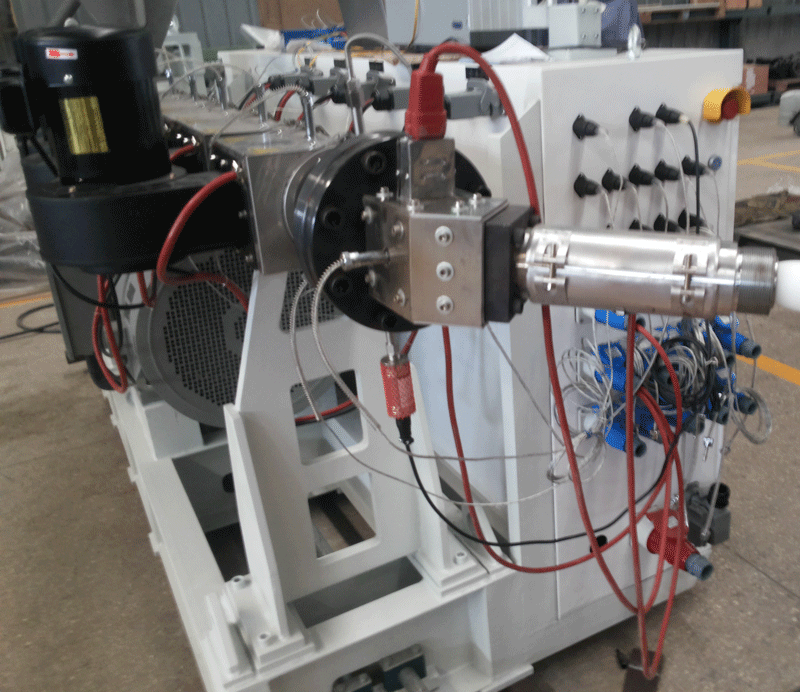
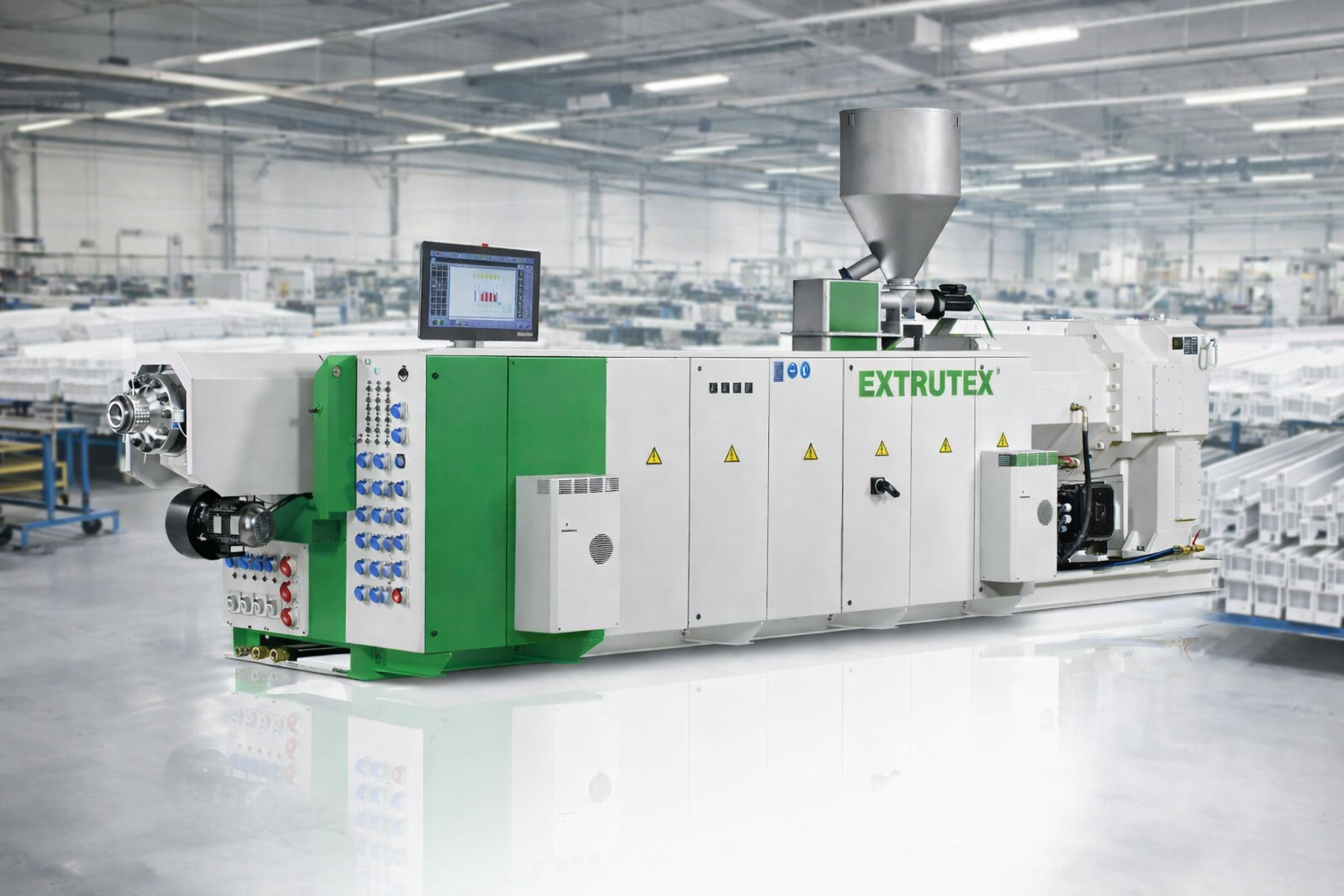
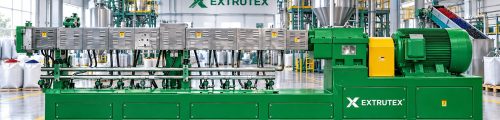
HDPE extrusion is used to produce pipes, profiles, sheets, films, and other continuous products. A suitable extruder, screw and barrel configuration, die design, temperature control system, and downstream equipment are important for achieving stable output and consistent dimensions.
For pipe extrusion, cooling, haul-off speed, wall-thickness control, and sizing conditions influence product quality. Actual processing temperatures should be established using the resin manufacturer's recommendations and optimized for the production line.
In extrusion blow molding, molten HDPE is formed into a parison, enclosed in a mold, and inflated to create a hollow product. Suitable melt strength and stable parison behavior help maintain wall thickness and product consistency.
Injection molding involves melting the resin, injecting it into a closed mold, and cooling the finished part. Melt temperature, mold temperature, injection speed, holding pressure, cooling time, and shrinkage compensation must be optimized for the selected grade and product geometry.
HDPE film can be manufactured using suitable blown-film or cast-film equipment, depending on the grade and intended application. Stable melt processing, cooling, bubble control where applicable, and thickness monitoring are important factors in achieving uniform film quality.
Choosing an appropriate HDPE resin requires more than identifying the polymer type. Different grades can behave very differently during processing and in long-term service.
EXTRUTEX helps customers source HDPE resin for a range of plastic manufacturing applications. Depending on current availability, commercial conditions, and the required specification, sourcing options may include Chinese manufacturers and international petrochemical producers such as SABIC, Borouge, ExxonMobil, LyondellBasell, and selected producers in South Korea and Japan.
Availability of individual brands, grades, production origins, and quantities can change. Brand names identify their respective owners and do not imply that EXTRUTEX is an authorized distributor or that every listed grade is continuously in stock. Specific supply options should be confirmed when requesting a quotation.
When contacting EXTRUTEX, please provide your intended application and, if available, the grade number or manufacturer's datasheet. If you do not know the exact grade, our team can help narrow down suitable options based on your production process and technical requirements.
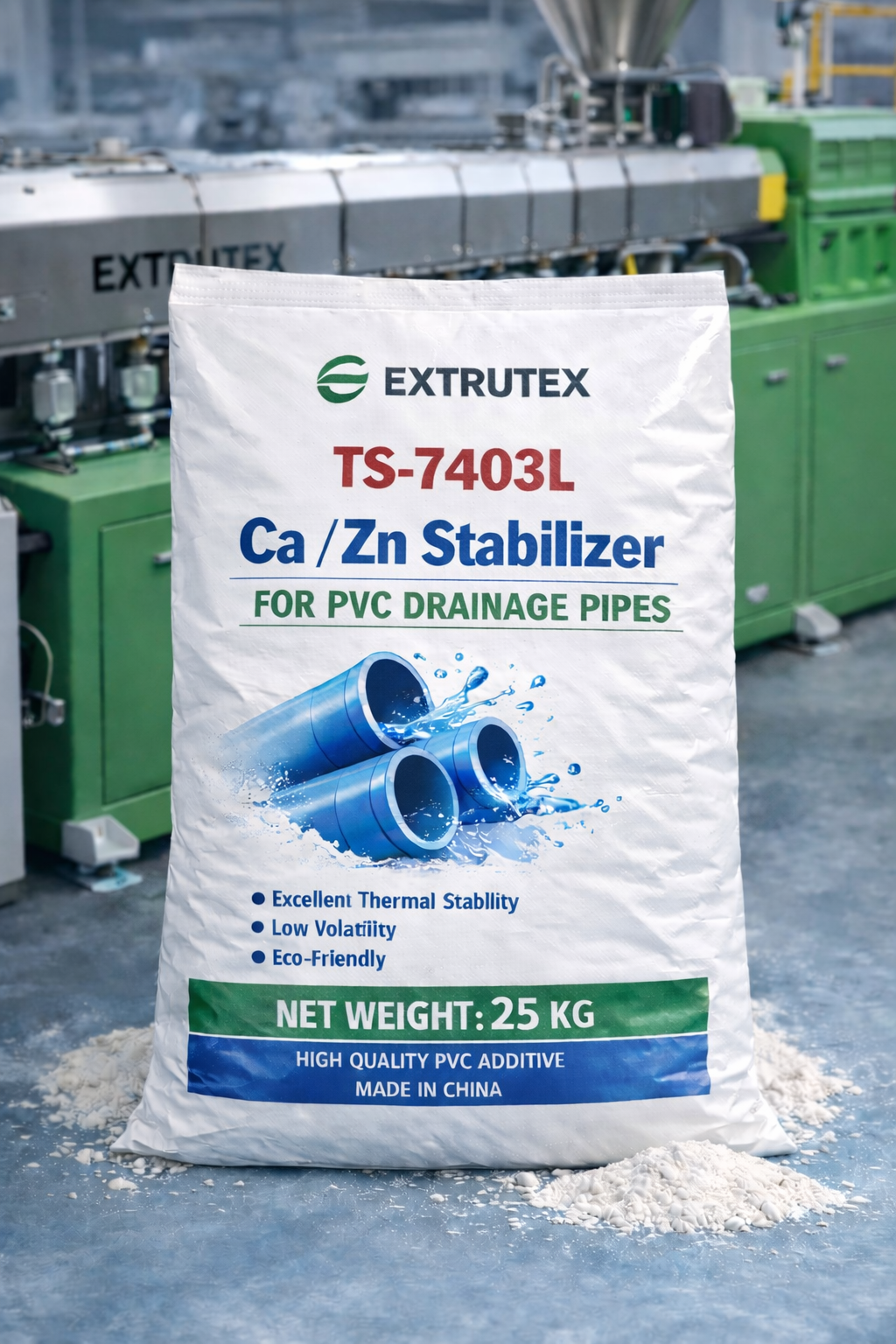
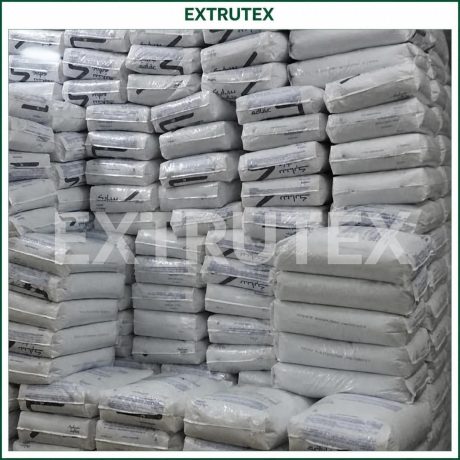
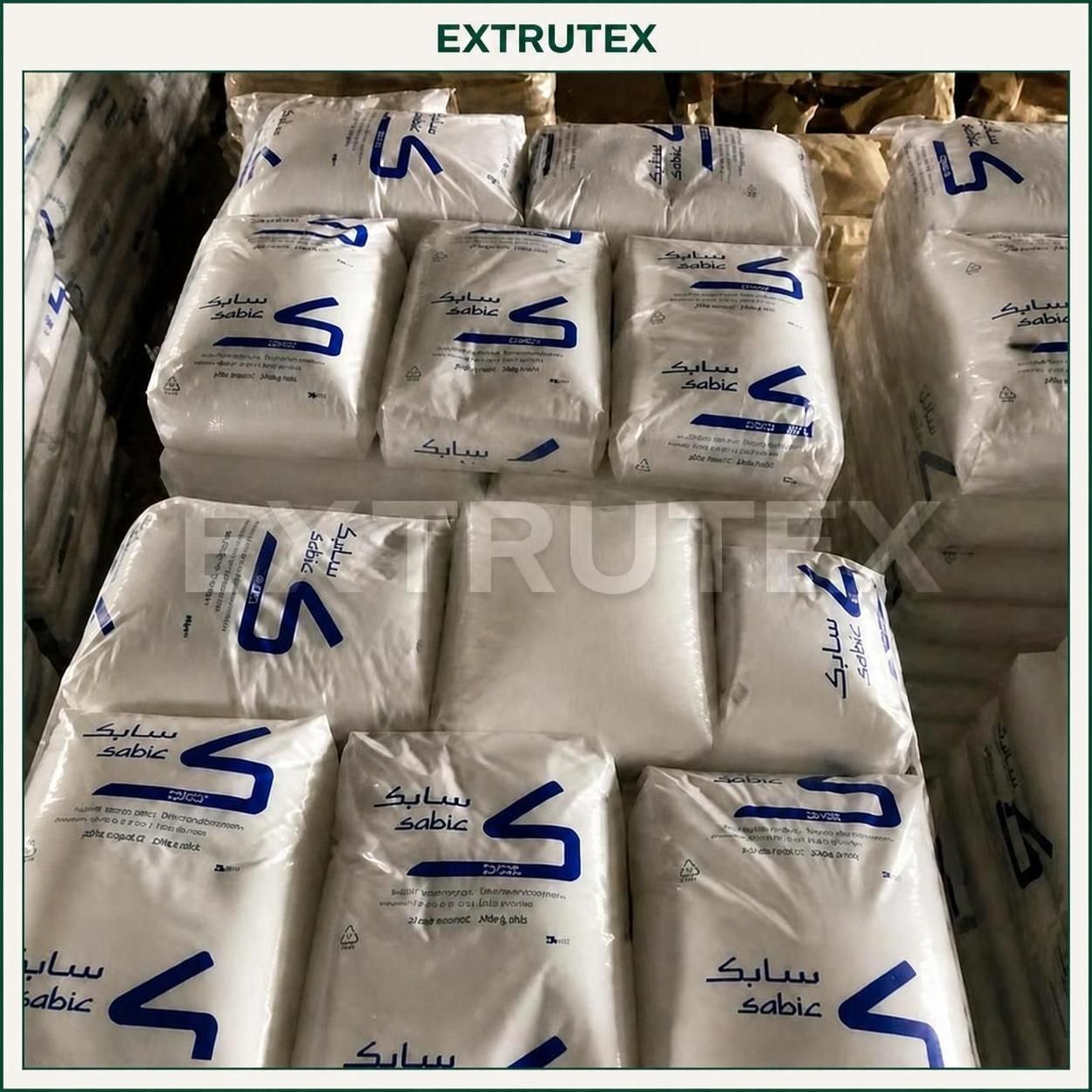
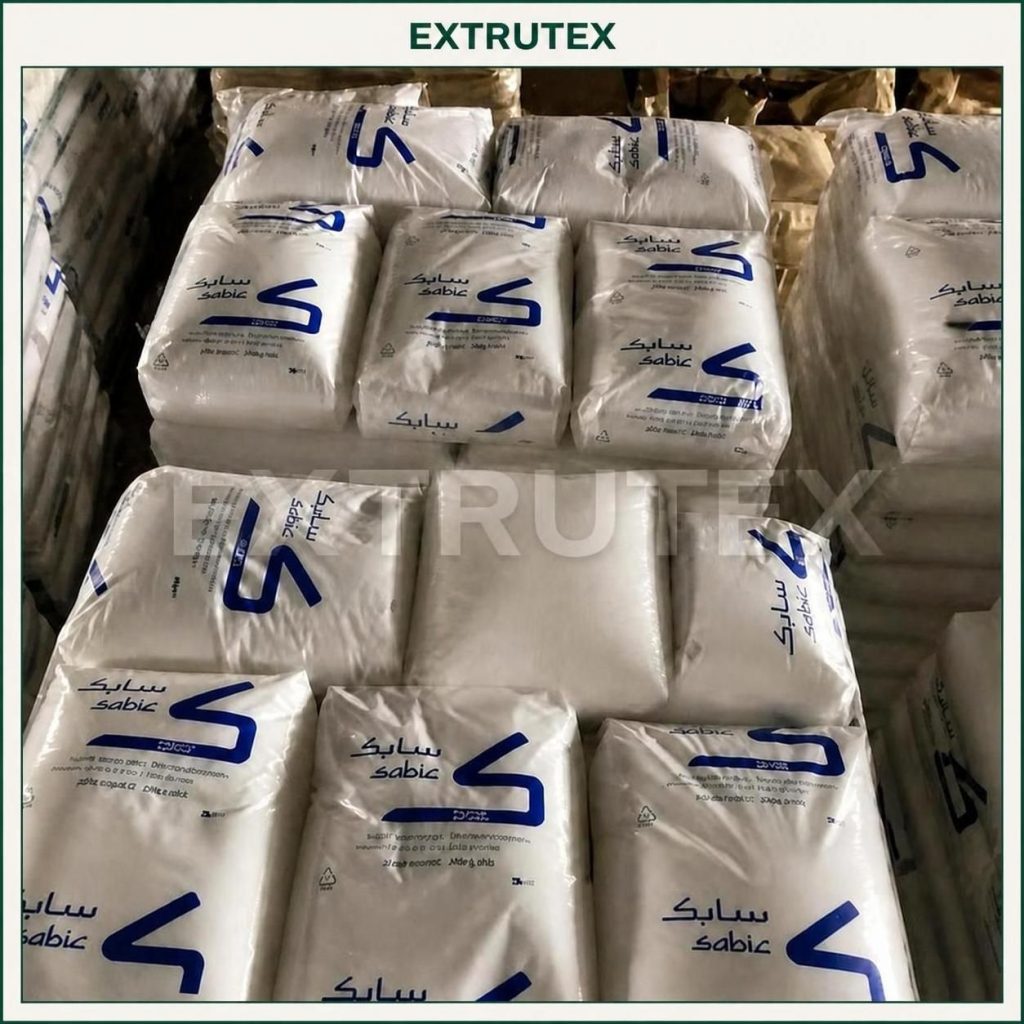
HDPE resin is commonly supplied in pellet form in 25 kg bags, although packaging formats and pallet configurations depend on the supplier. Bulk packaging may be available for selected products and quantities.
Store resin in a clean, dry, well-ventilated area, away from excessive heat, direct sunlight, contamination, and sources of ignition. Keep bags sealed when not in use and follow the supplier's recommendations for handling and storage.
Although HDPE has low moisture absorption, surface contamination and moisture introduced during storage or handling can affect processing quality. Maintain good housekeeping and follow the applicable safety instructions. Consult the product SDS for handling, fire prevention, and workplace safety requirements.
For industrial production, material traceability and documented specifications are important. Depending on the selected product and supplier, customers should request the relevant documentation before placing an order.
For critical applications, conduct processing trials and finished-product testing before approving a resin grade for full-scale production. Product qualification should reflect the actual manufacturing process and final operating conditions.
EXTRUTEX supports manufacturers seeking practical material sourcing options for industrial plastic production. Our focus is to help customers match resin characteristics with real manufacturing requirements rather than selecting a material based on its name alone.
Are you looking for HDPE resin for your next production order? Contact EXTRUTEX with your requirements, and we can review potential sourcing options according to your application, technical specification, and purchasing conditions.
To help us provide a more accurate quotation, please include:
Contact EXTRUTEX for available HDPE grades, technical datasheets, pricing, and delivery options. We will help you identify a suitable material solution for your manufacturing requirements.
HDPE is used for water and drainage pipes, detergent bottles, milk containers, industrial packaging, chemical tanks, crates, household products, films, and many other applications.
Commercial HDPE grades commonly have densities of approximately 0.941–0.965 g/cm³. The exact value depends on the grade and its molecular structure.
Many commercial HDPE grades have melting temperatures around 125–135°C. The recommended processing temperature is higher and depends on the grade, machine, and manufacturing process.
Yes, specifically qualified HDPE pipe grades can be used for potable-water systems when the resin, finished pipe, design, and installation meet the applicable standards and certification requirements.
EXTRUTEX can investigate sourcing options from these producers and regions according to the requested grade, availability, quantity, and commercial conditions. Please contact us to confirm the current options for your order.
HDPE generally has a more linear molecular structure, higher density, and greater stiffness. LDPE is generally softer and more flexible. The best material depends on the application and processing requirements.
HDPE resin is commonly supplied in 25 kg bags. Actual packaging, palletization, and bulk options depend on the manufacturer and order quantity.
Contact EXTRUTEX with the required application, grade number if known, quantity, and delivery destination. We can review available sourcing options and request the relevant technical documentation and quotation.
EXTRUTEX – HDPE Resin Supply for Industrial Plastic Manufacturing.
There are no reviews yet.
By submitting your email, you agree to our company’s terms and conditions.
We are not looking to sell; we are here to provide you with the best support and service.
Contact available 24/7
Please do not contact us for advertising or sales inquiries
All rights of this website are reserved for EXTRUTEX Austria and its partner companies, © 2026
-
(0 customer reviews)