

No products in the cart.



All rights of this website are reserved for EXTRUTEX Austria and its partner companies, © 2026


Multiple Payment Methods

Discount for advance payments over 50%

Free Shipping Coordination Services
Payment methods:


EXTRUTEX supplies Linear Low-Density Polyethylene (LLDPE) for packaging, agriculture, construction, industrial manufacturing, and other plastic-processing applications. We help customers source suitable LLDPE materials from China and international petrochemical producers, subject to availability, grade specifications, and order requirements.
Our sourcing options may include materials from DOW, QAPCO LOTRENE, Chevron Phillips Chemical MARLEX®, ExxonMobil, SABIC, and other qualified manufacturers. We can also assist customers in identifying suitable Chinese-origin LLDPE according to processing requirements, target properties, and budget.
LLDPE is widely used because of its flexibility, tensile performance, puncture resistance, and stretching characteristics. It is an important raw material for stretch film, packaging film, agricultural film, industrial liners, plastic bags, and many other flexible plastic products.
Contact EXTRUTEX with your required grade, application, quantity, and destination. Our team can help you check suitable materials, technical documentation, availability, and current quotations.
LLDPE stands for Linear Low-Density Polyethylene. It is a thermoplastic polymer produced by copolymerizing ethylene with a small proportion of an alpha-olefin comonomer, commonly butene, hexene, or octene. Its molecular structure provides a useful balance of strength, flexibility, toughness, and processability.
Compared with conventional Low-Density Polyethylene (LDPE), LLDPE generally has a more linear molecular backbone with short-chain branches. This structure can improve tensile properties, tear resistance, puncture resistance, and film performance in many applications. Actual performance depends on molecular structure, density, melt flow rate, comonomer type, additives, and processing conditions.
Compared with High-Density Polyethylene (HDPE), LLDPE is generally more flexible and is particularly valuable in applications where stretchability, impact resistance, and film toughness are important.
EXTRUTEX works with customers to identify materials that fit their production requirements rather than relying on a single universal LLDPE grade.
EXTRUTEX can help customers enquire about LLDPE grades associated with established petrochemical producers. Brand and grade availability must be confirmed for each order.
DOW offers polyethylene materials for a range of packaging and industrial applications. Depending on the specific grade, relevant properties may include film toughness, seal performance, flexibility, and processability. Customers should provide their existing grade number or target application when requesting a quotation.
LOTRENE is a polyethylene brand associated with Qatar Petrochemical Company (QAPCO). Selected LLDPE grades may be suitable for film extrusion and flexible packaging applications. Final selection should be based on the manufacturer's current technical data sheet and processing recommendations.
MARLEX® is a polyethylene brand associated with Chevron Phillips Chemical. Depending on the grade and product family, materials may be used in film and other polyethylene processing applications. Confirm the exact resin designation and application suitability before ordering.
ExxonMobil supplies polyethylene materials for various converting and industrial uses. Specific grades may provide different combinations of film strength, stretch performance, clarity, stiffness, and processing characteristics. EXTRUTEX can help check availability for the requested grade.
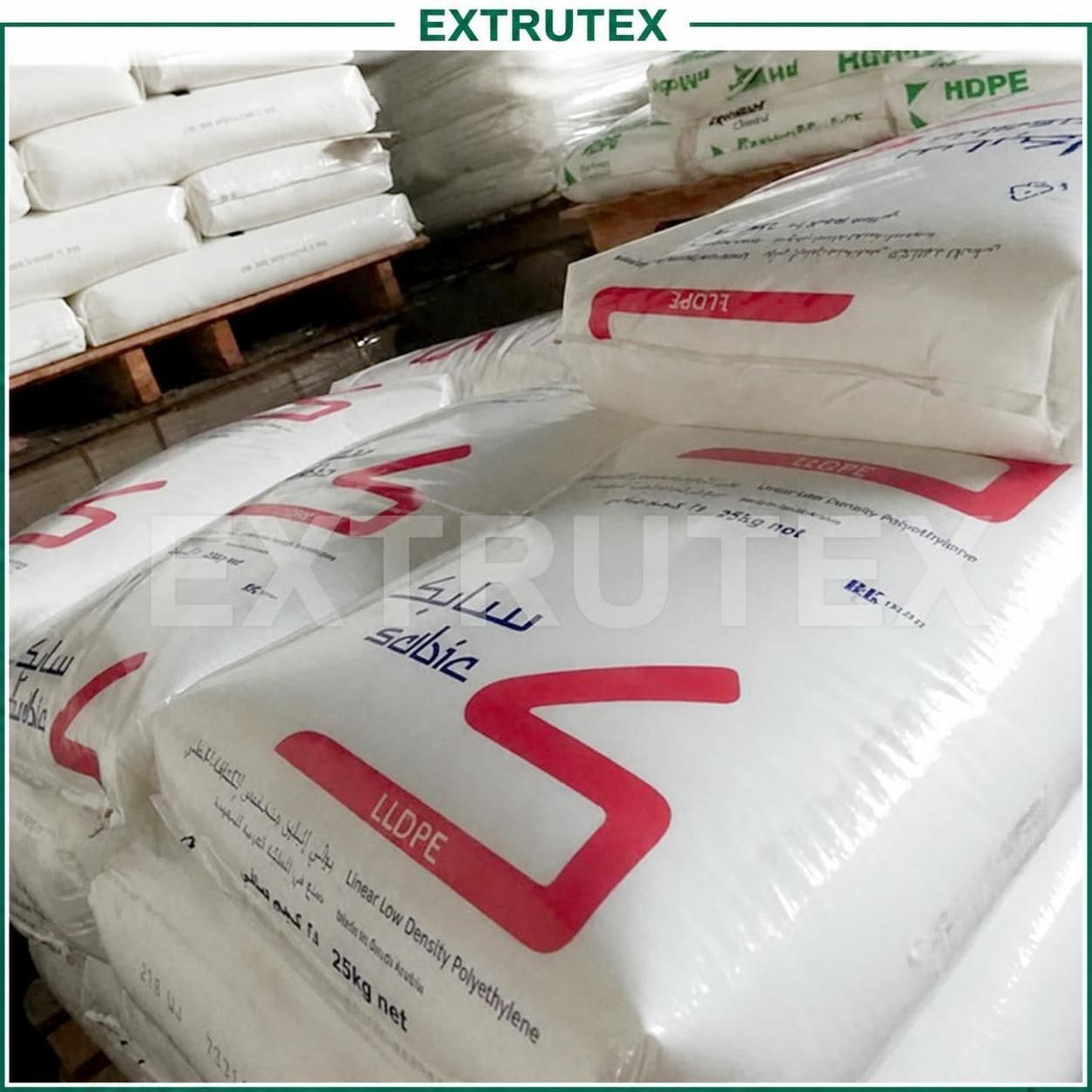
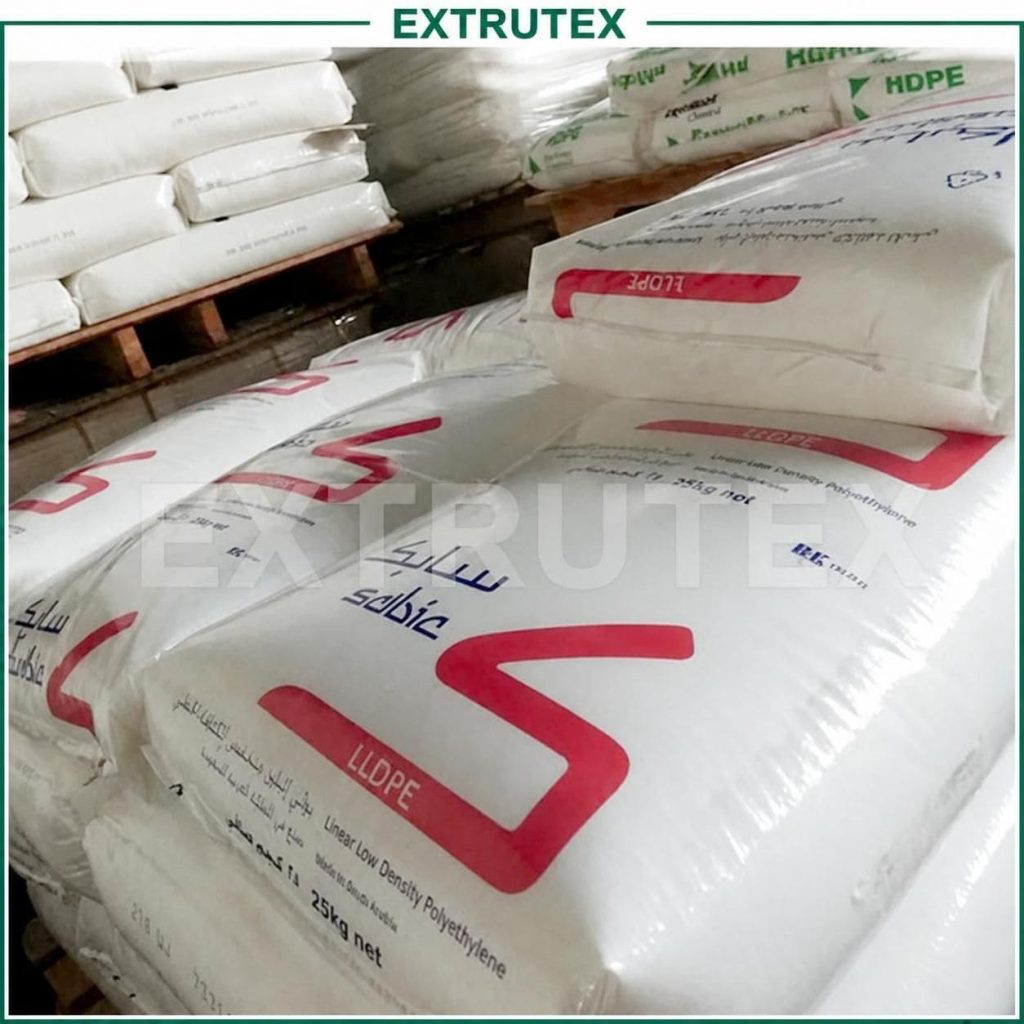
SABIC offers polyethylene grades for diverse markets and processing methods. Selection depends on the required density, melt flow rate, film thickness, mechanical performance, and end-use requirements.
EXTRUTEX can also assist customers seeking suitable LLDPE produced in China. Chinese-origin materials may be considered for cost-sensitive manufacturing, local supply requirements, or applications with established technical specifications. The actual producer, grade, origin, and documentation should be confirmed before purchase.
Important: The brands listed above are the respective property of their owners. Listing a brand does not imply authorization, exclusive distribution, or guaranteed stock. All supply is subject to verification and availability.
LLDPE properties vary by manufacturer, comonomer, molecular structure, and grade. The following table provides general illustrative ranges for preliminary material evaluation. It is not a certified specification for any particular grade.
| Property | Indicative Range | Key Information |
|---|---|---|
| Density | Approximately 0.910–0.940 g/cm³ | Influences stiffness, flexibility, and film performance. |
| Melt Flow Rate (MFR/MFI) | Grade-dependent; many film grades fall approximately within 0.5–5 g/10 min | Indicates melt flow under specified test conditions. |
| Tensile Properties | Grade- and test-dependent | Important for film strength and load-bearing performance. |
| Elongation at Break | Often high; varies considerably by grade and test direction | Indicates the ability to stretch before rupture. |
| Puncture Resistance | Generally good in suitable film grades | Helps packaging withstand concentrated loads and sharp edges. |
| Tear Resistance | Grade- and film-orientation-dependent | Important for bags, stretch film, and agricultural film. |
| Melting Behaviour | Often approximately 120–130°C, depending on grade | Relevant to processing and thermal behaviour. |
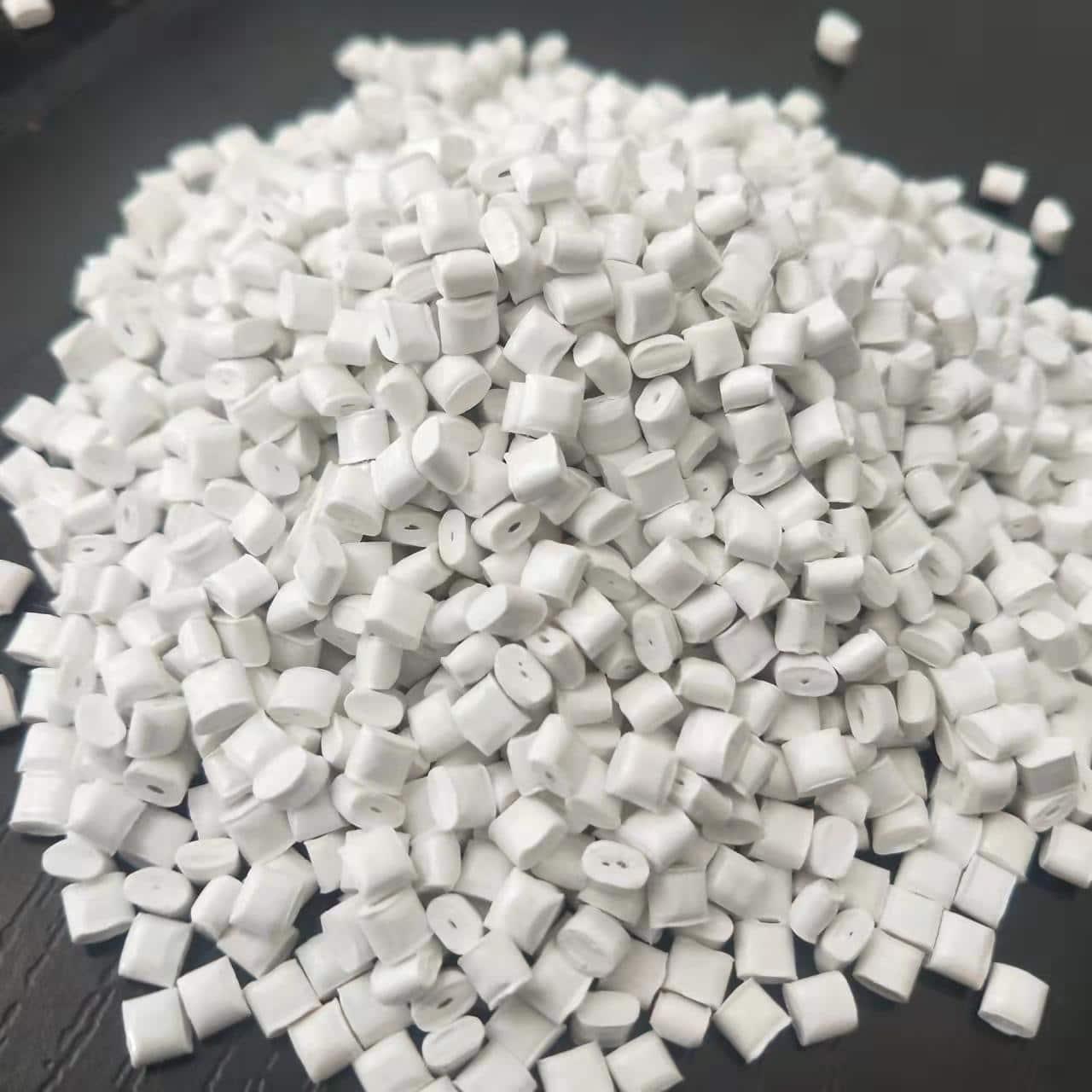
| Appearance | Usually natural translucent or milky-white | Appearance may vary by producer and formulation. |
These values are intended for preliminary comparison only. Obtain the current technical data sheet for the exact grade before establishing production settings or product specifications.
Melt flow rate (MFR or MFI) is an important parameter when selecting LLDPE. It measures the amount of molten polymer that flows through a standard test die under defined conditions. Results should only be compared when the test temperature and load are the same.
Lower melt flow rates often indicate higher melt viscosity under the specified test conditions, while higher values generally indicate easier flow. However, melt flow rate alone does not fully describe molecular weight distribution, melt strength, bubble stability, or final film performance.
Density also influences stiffness, flexibility, crystallinity, and mechanical properties. The best combination depends on the intended application, film thickness, extrusion equipment, and finished-product requirements.
For this reason, selecting the correct LLDPE requires more than comparing a single number. Customers should evaluate the complete technical data sheet and, where necessary, conduct production trials.
LLDPE is an important material for stretch film used to secure cartons, palletized goods, and industrial loads. Suitable grades can provide stretchability, load retention, puncture resistance, and toughness. Film formulations and processing conditions influence cling, clarity, and overall wrapping performance.
LLDPE is used in shopping bags, industrial liners, garbage bags, packaging film, and other flexible packaging products. Its toughness and resistance to tearing make it valuable where finished products must withstand handling and loading.
Selected LLDPE grades are used in agricultural films, greenhouse covers, mulch films, and other agricultural applications. UV stabilizers, pigments, additives, and multilayer structures may be required depending on climate, service life, and intended use.
Industrial liners and heavy-duty bags often require puncture resistance, tear strength, and flexibility. LLDPE may be used alone or blended with other polyethylene grades to balance cost and performance.
LLDPE can be used in selected construction films, protective coverings, and moisture-resistant sheet applications. Requirements for durability, thickness, chemical exposure, and weathering should be assessed for each project.
Depending on the exact grade, LLDPE may also be suitable for selected compounding, blending, and specialist manufacturing applications. Standard film-grade materials should not automatically be assumed suitable for injection moulding, rotational moulding, or other processes without confirmation from the manufacturer.
| Feature | LLDPE | LDPE | HDPE |
|---|---|---|---|
| Molecular Structure | Predominantly linear backbone with short-chain branches | More highly branched structure | Predominantly linear with comparatively little branching |
| Flexibility | Generally flexible and tough | Generally soft and flexible | Generally stiffer |
| Film Toughness | Often very good | Good, depending on grade | Grade-dependent; often stiffer |
| Typical Applications | Stretch film, liners, bags, agricultural film | Flexible film, coating, bags, selected moulding uses | Bottles, containers, pipes, rigid packaging, selected films |
| Grade Selection | Density, MFR, comonomer, and film requirements | Density, MFR, branching, and processing requirements | Density, MFR, stiffness, and processing requirements |
These comparisons are general. There is overlap between grades, and actual performance depends on the specific resin, formulation, processing conditions, and finished-product design.
LLDPE is commonly processed by blown-film extrusion and cast-film extrusion. Depending on the specific grade, it may also be used in selected moulding or compounding applications.
Processing temperatures, screw design, die configuration, cooling conditions, and line speed should follow the resin manufacturer's guidance and the equipment supplier's recommendations. Avoid using one generic processing profile for all LLDPE grades.
Polyethylene generally offers useful resistance to many aqueous acids, alkalis, salts, and selected chemicals at suitable temperatures. However, chemical resistance depends on the exact chemical, concentration, temperature, exposure duration, mechanical stress, and particular material formulation.
Hydrocarbon fuels, aromatic solvents, and some organic chemicals may cause swelling, permeation, or other performance changes. Do not assume that LLDPE is suitable for every chemical-storage or contact application. Test the actual material under representative conditions before use.
LLDPE is also sensitive to temperature and may soften or deform under sustained heat or mechanical load. For applications involving elevated temperatures, outdoor exposure, food contact, drinking water, or regulated uses, verify the relevant grade approvals and performance data.
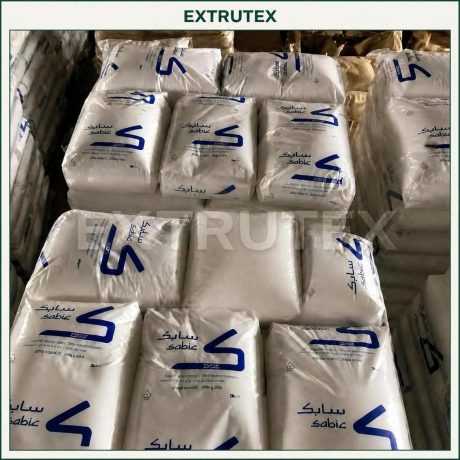
Packaging and order quantities depend on the selected manufacturer and available supply format. Polyethylene materials are commonly delivered in bags or other bulk packaging formats, but the exact packaging weight, pallet configuration, and loading method must be confirmed when requesting a quotation.
EXTRUTEX can assist with checking material availability, comparing appropriate grades, and arranging supply for customers in different markets. Price, origin, lead time, and delivery terms are confirmed individually for each order.
To help us identify an appropriate material, please provide as much of the following information as possible:
Providing an existing technical data sheet or grade designation can help reduce the risk of selecting a material that does not match your production requirements.
LLDPE stands for Linear Low-Density Polyethylene, a thermoplastic widely used in flexible film and packaging applications.
Yes. EXTRUTEX can assist customers in sourcing suitable Chinese-origin LLDPE, subject to producer, grade, quantity, and availability confirmation.
We can check sourcing options for requested grades associated with these manufacturers. Availability and origin are not guaranteed until the specific grade and supply channel have been confirmed.
The appropriate grade depends on the required stretch, puncture resistance, holding force, film thickness, extrusion process, and blending strategy. Share your current grade or technical requirements so that a suitable option can be evaluated.
Selected grades can be blended when compatible with the intended process and product. The blend ratio should be evaluated through processing trials and finished-product testing.
Manufacturer technical data sheets and other documentation may be available for the confirmed grade. Please request the current documents before purchase.
Send EXTRUTEX the required grade or application, quantity, preferred origin or manufacturer, and delivery destination. We will check the relevant sourcing options and quotation details.
Whether you need LLDPE for stretch film, packaging film, agricultural film, industrial liners, or another polyethylene application, EXTRUTEX can help you evaluate available material options from China and selected international producers.
EXTRUTEX combines Austria-based design, laboratory, and R&D capabilities with manufacturing and supply cooperation in China. We focus on helping customers identify appropriate materials based on technical requirements, availability, and commercial considerations.
Contact EXTRUTEX today with your required grade, application, quantity, and destination to enquire about current LLDPE availability, technical documentation, and pricing.
EXTRUTEX – Your Partner for Polymer Materials and Plastics Technology.
There are no reviews yet.
By submitting your email, you agree to our company’s terms and conditions.
We are not looking to sell; we are here to provide you with the best support and service.
Contact available 24/7
Please do not contact us for advertising or sales inquiries
All rights of this website are reserved for EXTRUTEX Austria and its partner companies, © 2026
-
(0 customer reviews)