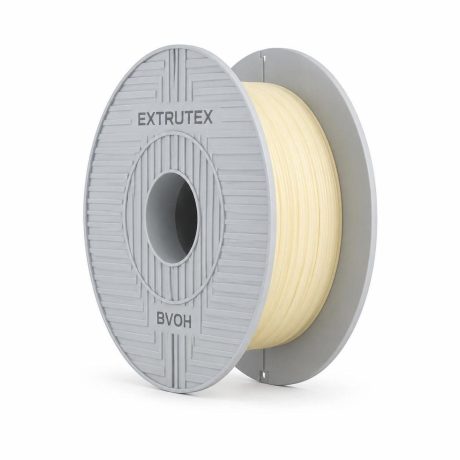
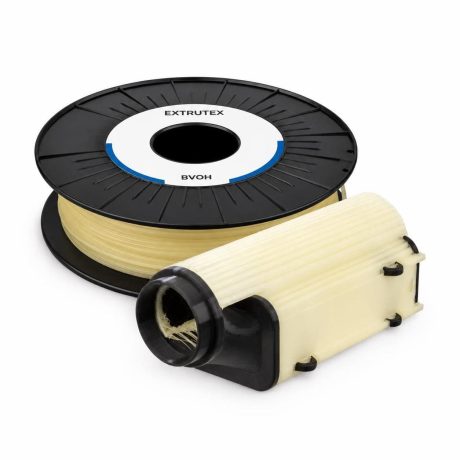
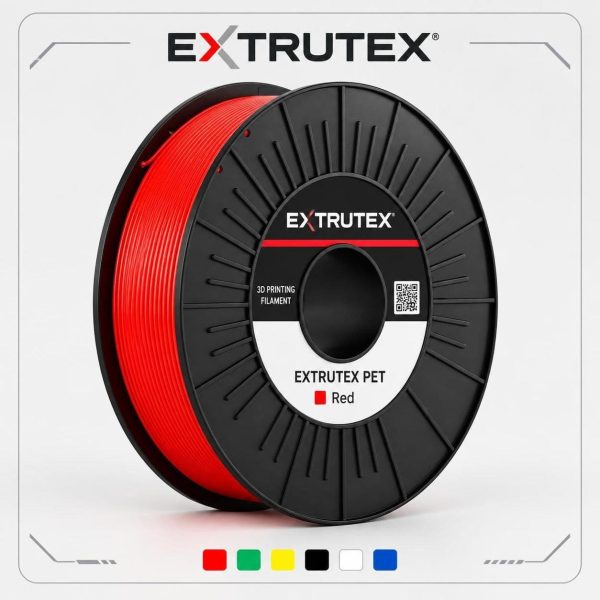
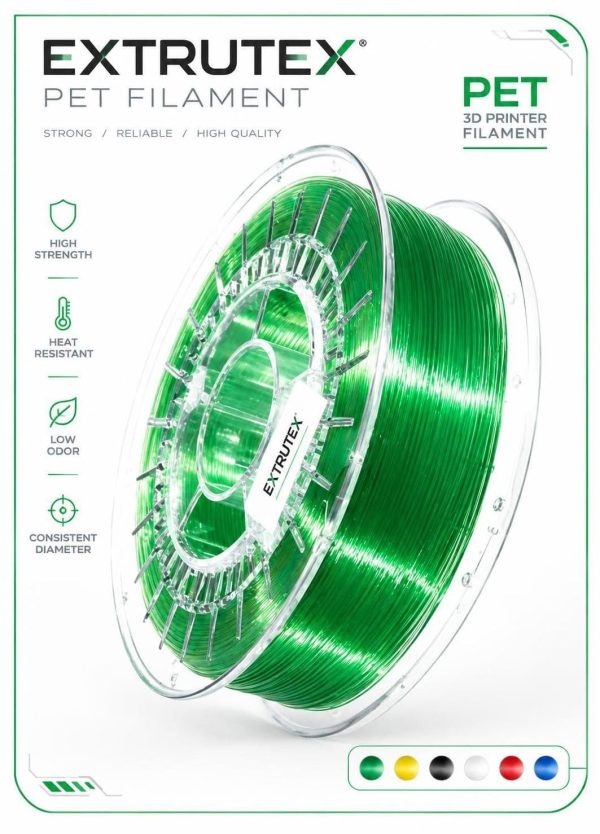
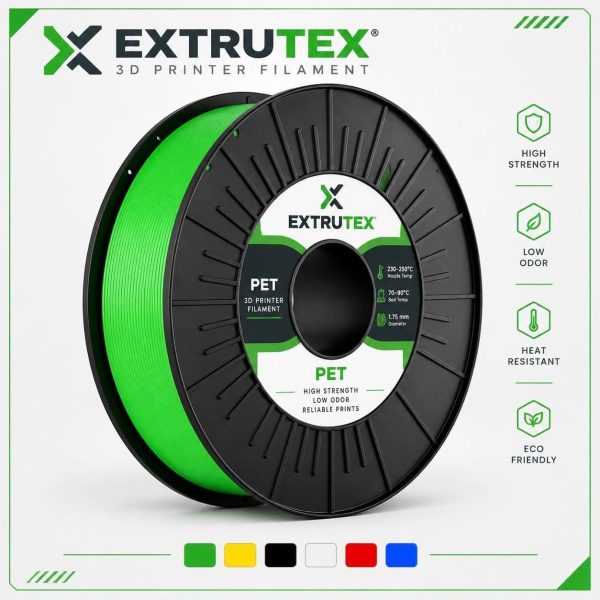
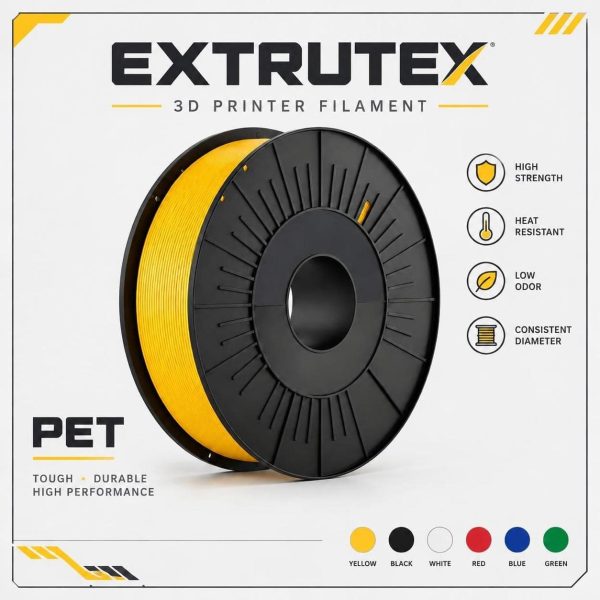
EXTRUTEX PET 3D Printer Filament
Easy-to-print PET filament with excellent layer adhesion, high-resolution detail and versatile color options.
EXTRUTEX PET (Polyethylene Terephthalate) 3D printer filament is designed for users who need dependable printing performance, good surface quality and durable functional parts. With printing characteristics that can be straightforward to manage, PET is a practical material for prototypes, containers, housings and everyday technical components.
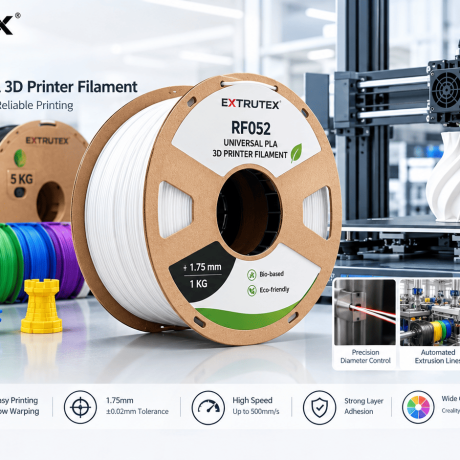
Available in 1.75 mm diameter, a range of standard and customized colors, and multiple spool sizes, EXTRUTEX PET filament supports both individual printing requirements and higher-volume production.
Key Features and Advantages
Easy PrintingPET offers a relatively accessible printing process, with a broad operating window for balancing nozzle temperature and printing speed.
Good Layer AdhesionDesigned to produce well-bonded layers when printing conditions are properly adjusted.
Watertight Print PotentialSuitable print settings and well-sealed geometry can produce watertight components.
High-Resolution ResultsSupports detailed models and clean surface finishes for functional and visual applications.
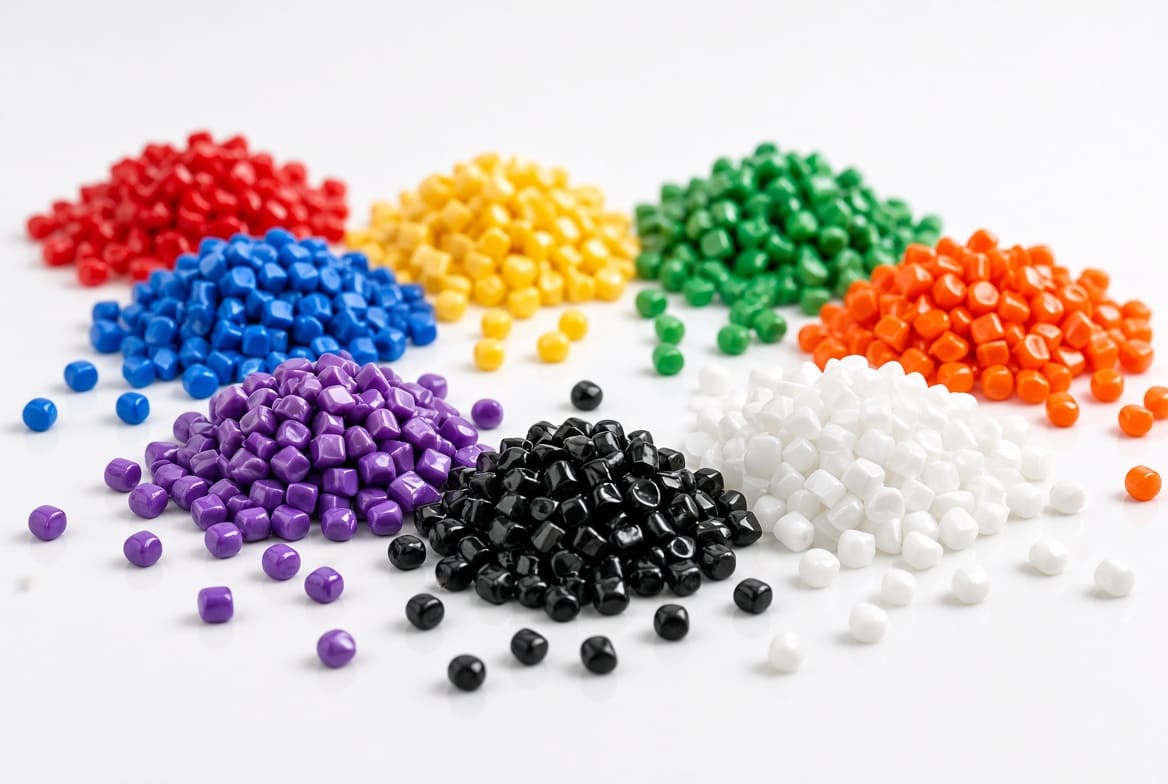
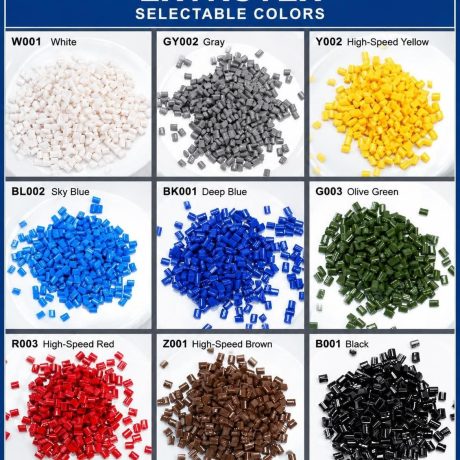
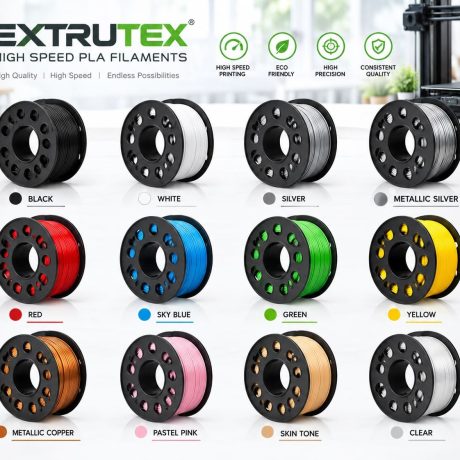
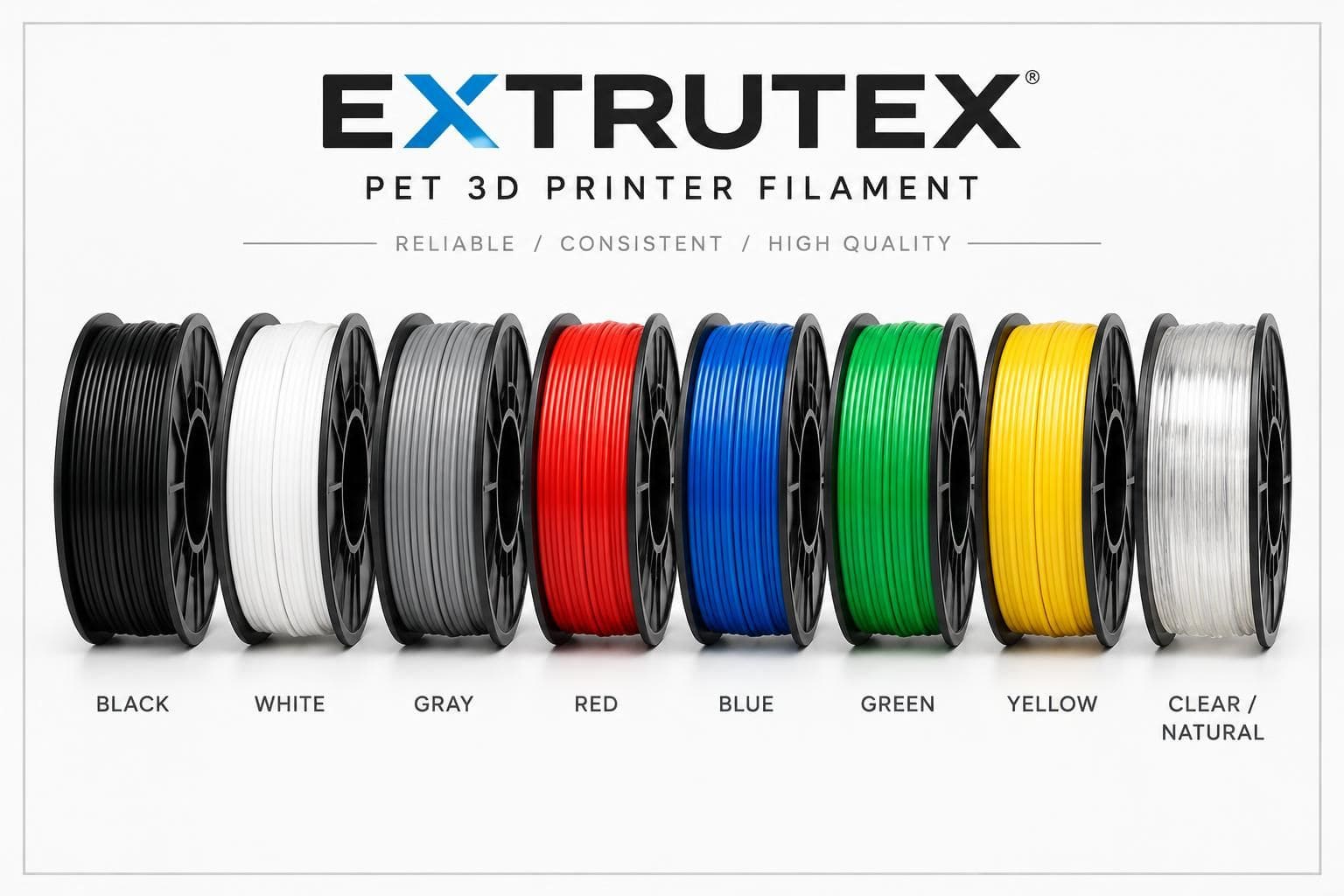
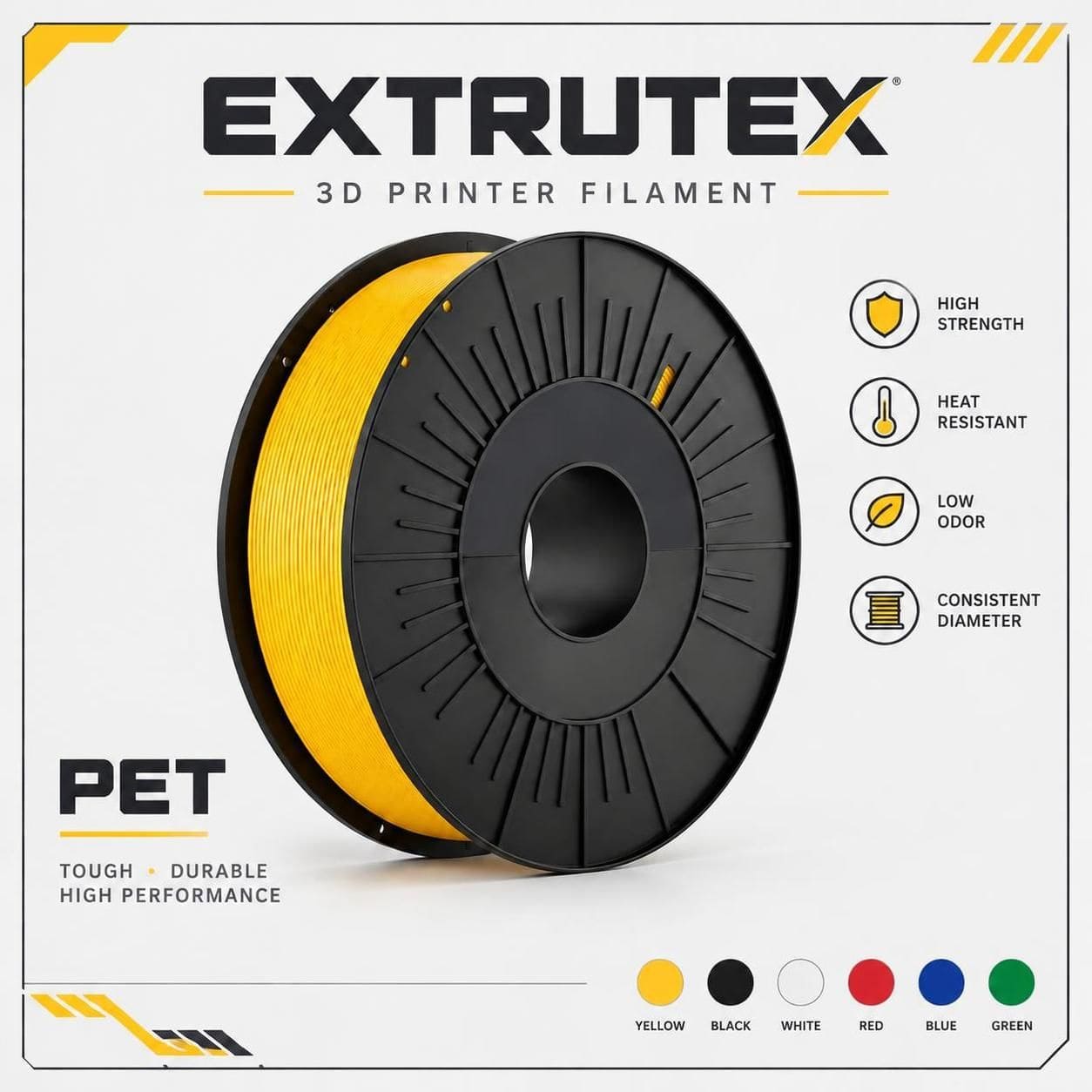
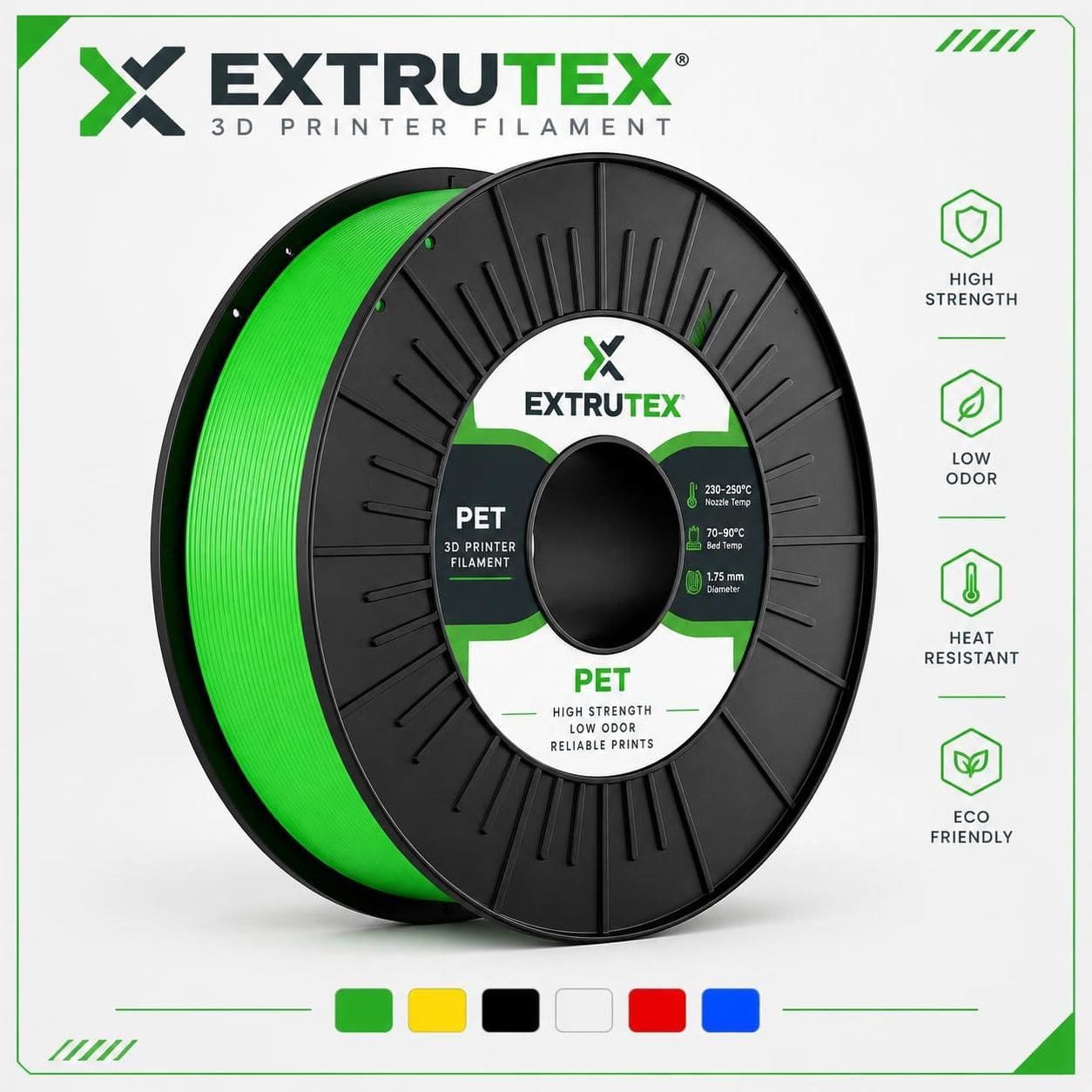
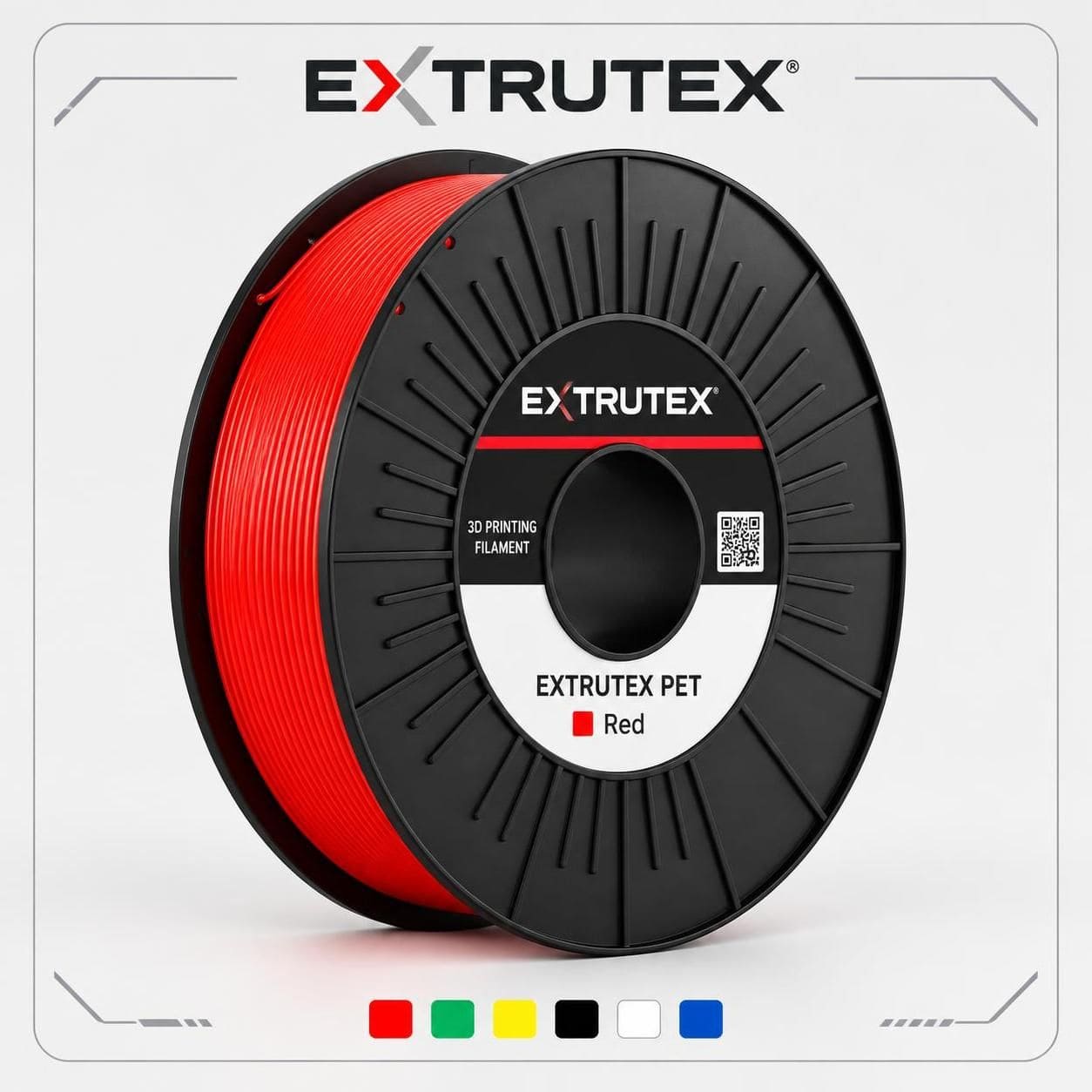
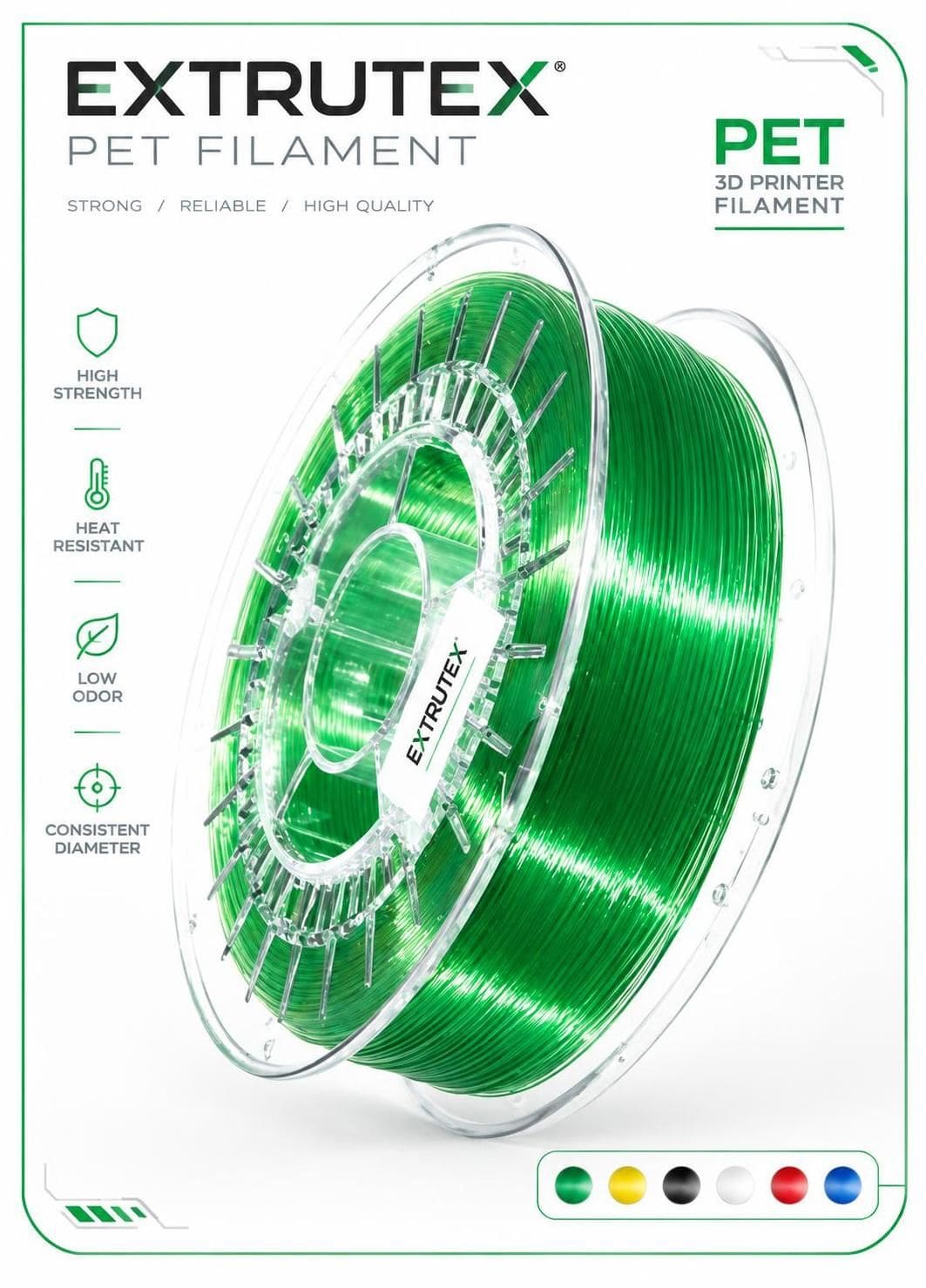
Multiple Color OptionsAvailable in transparent, black, white, green, red, yellow, purple and customized colors.
Recyclable MaterialPET is a widely recycled thermoplastic, subject to local collection and recycling systems.
What Is PET 3D Printer Filament?
PET stands for Polyethylene Terephthalate, a thermoplastic polyester widely used in packaging, food and beverage containers, bottles and numerous industrial products. Its combination of practical mechanical properties, chemical characteristics and established recycling infrastructure makes it an important material across many industries.
In 3D printing, PET filament offers a useful balance between printability, layer bonding and functional performance. It can be used to produce prototypes, brackets, covers, containers and other components where a combination of detail and practical durability is required.
PET is often compared with PLA because both can be relatively straightforward to print. However, PET has different mechanical and thermal characteristics. The supplied EXTRUTEX PET grade has a reported heat deflection temperature of 63°C at 0.45 MPa, so application temperature requirements should be evaluated before selecting it for a finished component.
Available Colors and Spool Sizes
TransparentFor applications where visibility, appearance or translucent effects are desired.
Black and WhiteVersatile colors for functional parts, housings and general-purpose models.
Green, Red, Yellow and PurpleColor options for product identification, decorative prints and customized designs.
Customized ColorsSpecial color options can be discussed according to project requirements and order quantities.
| Specification | Available Option |
|---|
| Material | PET – Polyethylene Terephthalate |
| Filament Diameter | 1.75 mm |
| Available Colors | Transparent, black, white, green, red, yellow, purple and customized |
| Spool Weight | 750 g, 2.5 kg and 4.5 kg |
| Printing Temperature | Approximately 210°C |
| Heated Bed Temperature | Approximately 75°C |
| Recommended Printing Speed | 30–70 mm/s |
Recommended 3D Printing Settings
The following settings are the supplied starting recommendations for EXTRUTEX PET filament. Actual results can vary depending on the printer, hotend, nozzle, build surface, model geometry and cooling configuration. Calibration is recommended before production printing.
| Printing Parameter | Starting Recommendation |
|---|
| Nozzle Temperature | Approximately 210°C |
| Heated Bed Temperature | Approximately 75°C |
| Printing Speed | 30–70 mm/s |
| Filament Diameter | 1.75 mm |
Printing Recommendations
- Check the printer manufacturer's recommended temperature limits before starting.
- Begin with the supplied temperature recommendations and adjust according to extrusion quality and layer bonding.
- Use a properly levelled build plate to improve first-layer consistency.
- Test different printing speeds to find the best balance between surface finish, dimensional accuracy and layer adhesion.
- For watertight parts, evaluate wall thickness, perimeter count, infill, layer bonding and the final geometry. Watertight performance is not guaranteed by the filament alone.
- Keep the filament clean and dry during storage and printing. If moisture-related defects appear, consult the material supplier for an appropriate drying procedure.
Mechanical and Thermal Properties
The following values are the supplied material-property data. Results are shown by print orientation because the mechanical performance of FDM/FFF printed parts can vary with build direction and layer bonding.
| Property | Direction | Reported Value |
|---|
| Tensile Strength | ZX | 17.2 MPa |
| Tensile Strength | XY | 33.4 MPa |
| Flexural Modulus | ZX | 1,826 MPa |
| Flexural Modulus | XZ | 1,840 MPa |
| Flexural Modulus | XY | 2,063 MPa |
| Elongation at Break | ZX | 1.1% |
| Elongation at Break | XY | 2.7% |
| Izod Notched Impact Strength | ZX | 1.8 kJ/m² |
| Izod Notched Impact Strength | XZ | 1.9 kJ/m² |
| Izod Notched Impact Strength | XY | 2.1 kJ/m² |
| Izod Unnotched Impact Strength | ZX | 4.1 kJ/m² |
| Izod Unnotched Impact Strength | XZ | 7.7 kJ/m² |
| Izod Unnotched Impact Strength | XY | 12.3 kJ/m² |
| Heat Deflection Temperature (HDT) | 0.45 MPa | 63°C |
Technical note: These values describe the supplied test data and should not be treated as guaranteed properties of every printed part. Actual results depend on print orientation, layer height, infill, wall thickness, printer calibration and test conditions. The reported HDT of 63°C at 0.45 MPa is a laboratory measurement, not a guaranteed continuous-use temperature.
Applications of PET 3D Printing Filament
EXTRUTEX PET filament can be considered for a variety of prototyping, functional and visual applications, depending on the required mechanical performance and operating environment.
Product PrototypesConcept models, design verification parts and prototypes for product development.
Containers and CoversPrinted containers, covers and housings where the design and intended use are suitable for PET.
Functional ComponentsBrackets, holders, fixtures and general-purpose components for everyday applications.
Transparent ModelsVisual models and display components using transparent or translucent filament.
Educational ProjectsLearning models, demonstrations and general-purpose 3D printing projects.
Customized ProductsColored models, product samples and customized components for different industries.
Food Contact and Safety Considerations
PET is widely used in food and beverage packaging, including bottles and containers. However, the fact that a raw PET material is described as food-approved does not automatically mean that every filament, printed object or finished 3D-printed part is certified for food contact.
Food-contact suitability depends on the exact material grade, colorants, additives, filament production process, printer cleanliness, nozzle material, surface finish, cleaning method and applicable regulations. Layer lines and microscopic surface gaps can also make printed parts difficult to clean thoroughly.
If you intend to manufacture food-contact products, request the relevant documentation for the exact EXTRUTEX filament grade and verify the complete printed-part manufacturing process against the regulations applicable in your market. Do not assume that a printed part is food-safe based solely on the polymer name.
Storage and Material Handling
- Store filament in a sealed bag or suitable dry-storage container.
- Protect the spool from dust, moisture and direct sunlight.
- Keep the filament away from excessive heat and contaminants.
- Inspect filament condition if printing quality changes or extrusion becomes inconsistent.
- Follow the supplier's grade-specific drying instructions if moisture absorption is suspected.
Why Choose EXTRUTEX PET Filament?
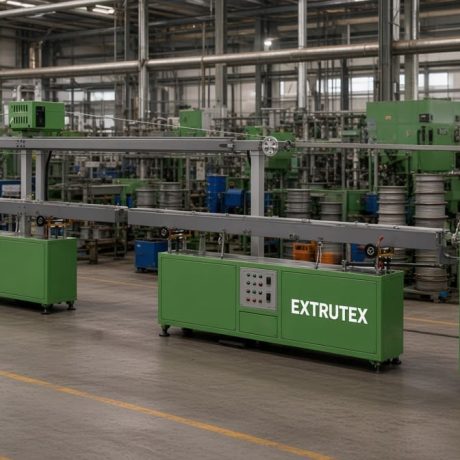
EXTRUTEX supplies polymer materials and extrusion technology for industrial customers and product developers. Our PET filament offering is intended for users who need practical material choices, consistent product specifications and support when selecting materials for different printing applications.
EXTRUTEX combines manufacturing in China with design, laboratory and R&D capabilities in Austria. This international approach supports product development, material selection and technical cooperation across the plastics and additive manufacturing industries.
Frequently Asked Questions
1. Is PET filament easy to print?
PET can be relatively easy to print when the printer is properly calibrated. The supplied starting settings are approximately 210°C nozzle temperature, 75°C heated bed temperature and 30–70 mm/s printing speed. Fine-tuning may be necessary for different printers and models.
2. What is the difference between PET and PLA filament?
PET and PLA are different thermoplastic materials. Both can be suitable for general-purpose 3D printing, but they have different mechanical and thermal properties. The supplied PET grade has a reported HDT of 63°C at 0.45 MPa. Material selection should be based on the requirements of the finished component rather than printability alone.
3. Can PET filament produce watertight parts?
Watertight prints are possible with suitable settings and geometry, but the result depends on layer bonding, wall thickness, extrusion consistency, perimeter count and the design of the part. Testing is recommended whenever liquid containment is important.
4. Is PET filament food-safe?
PET is commonly used in food packaging, but food-contact suitability cannot be assumed for every filament or printed object. Request documentation for the exact grade and assess the complete printing and post-processing process before using printed parts in food-contact applications.
5. Which diameter is available?
This EXTRUTEX PET filament is offered in 1.75 mm diameter.
6. Which colors can I order?
Available colors include transparent, black, white, green, red, yellow and purple. Customized colors can also be discussed according to project requirements.
7. Which spool weights are available?
The listed spool options are 750 g, 2.5 kg and 4.5 kg. Confirm the required spool option when placing an inquiry.
8. Is PET recyclable?
PET is a widely recycled thermoplastic. Actual recycling options for used filament and printed parts depend on local collection systems, material identification, contamination and the recycling facility's accepted materials.
9. What is the heat resistance of this PET filament?
The supplied material data reports a heat deflection temperature of 63°C at 0.45 MPa. This value is a standardized test result and should not be interpreted as a guaranteed continuous operating temperature.
10. Can I request customized PET filament colors?
Yes. Customized colors can be discussed with EXTRUTEX. Contact our team with your preferred color, spool weight and estimated quantity so that availability and production requirements can be reviewed.
Request EXTRUTEX PET 3D Printer Filament
Looking for PET filament for prototyping, functional components or customized 3D printing projects? Contact EXTRUTEX to discuss color availability, spool sizes, technical documentation and your application requirements.
Website: www.extruder.co
Contact EXTRUTEX for product information and a quotation.





-
(0 customer reviews)