Polystyrene (PS Resin) – General Purpose, High Impact and Industrial Grades
EXTRUTEX Polystyrene (PS Resin) is available for manufacturers seeking thermoplastic materials for packaging, household products, consumer goods, electrical components, stationery, displays and industrial applications. We help customers source suitable polystyrene grades according to processing requirements, impact performance, transparency, rigidity, color and end-use specifications.
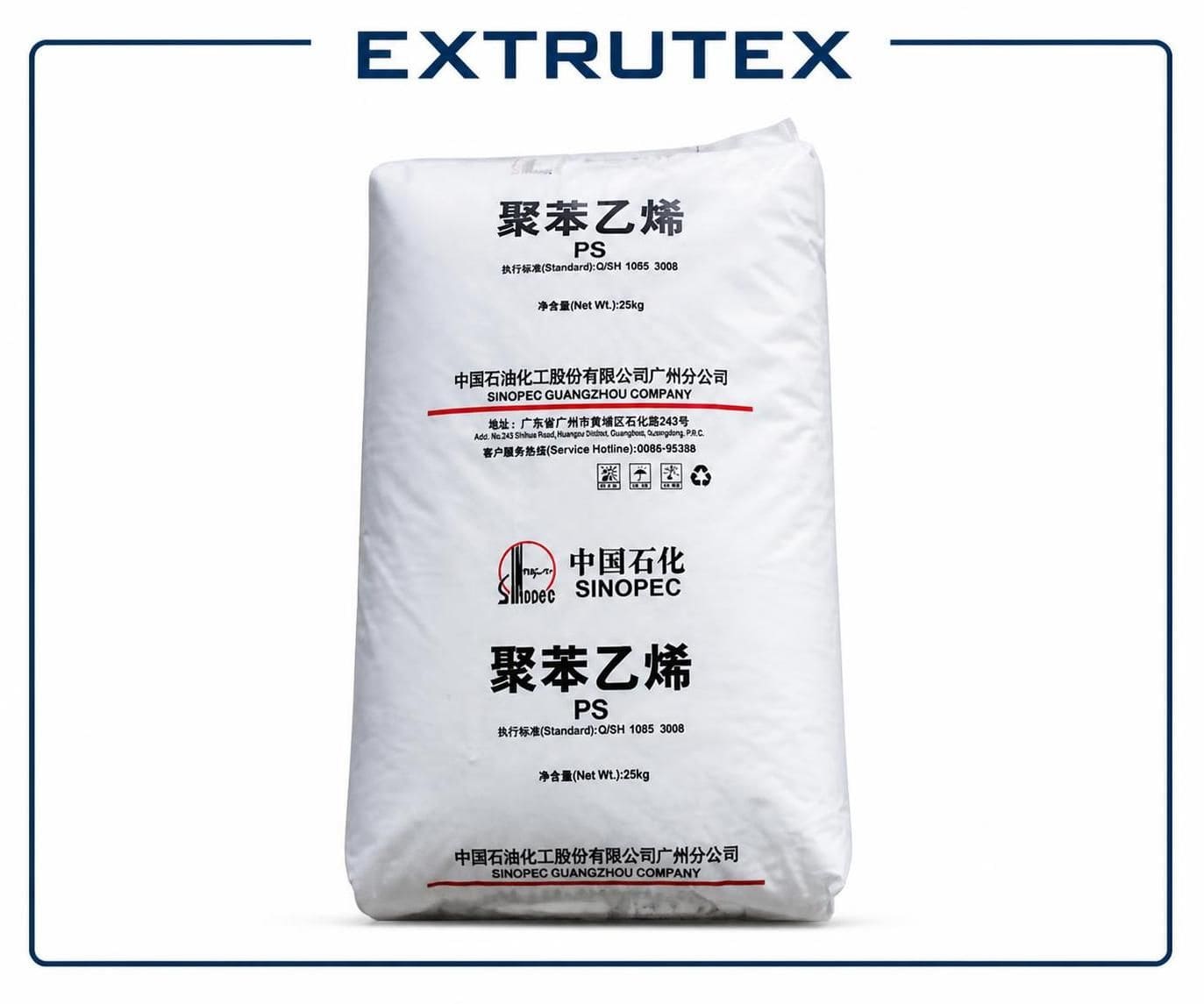
Depending on current availability and the required specification, sourcing options may include recognized producers such as Formosa Plastics and Sinochem, as well as other qualified suppliers. Grade availability, manufacturer, origin and technical documentation are confirmed for each inquiry.
Polystyrene is a widely used thermoplastic polymer produced from styrene monomer. It is valued for its low density, dimensional stability, ease of processing and ability to deliver a smooth surface finish. Depending on the grade and formulation, polystyrene can be transparent and rigid, modified for improved impact resistance, or expanded into a lightweight cellular material.
EXTRUTEX supports industrial buyers, plastic processors, distributors and product manufacturers looking for a reliable supply of polystyrene resin. We can help identify a suitable grade for injection molding, extrusion, sheet production, packaging conversion and other established processing methods.
GPPS
General Purpose Polystyrene for transparent or translucent products requiring stiffness, good appearance and easy processing.
HIPS
High Impact Polystyrene modified to improve toughness and impact performance for durable molded and extruded products.
EPS
Expandable Polystyrene bead material used to manufacture lightweight foam products through a specialized expansion and molding process.
Specialty PS Grades
Selected grades for specific flow, color, gloss, surface, thermal or application requirements, subject to supplier availability.
1. Polystyrene Resin Overview
Polystyrene, commonly abbreviated as PS, is an aromatic thermoplastic polymer with the repeating chemical structure (C8H8)n. Its properties can vary considerably according to molecular structure, molecular weight, additives, rubber modification and manufacturing method.
Standard polystyrene is naturally rigid and can offer excellent transparency, making it useful for applications where visual appearance is important. However, unmodified GPPS is relatively brittle compared with many engineering plastics. High Impact Polystyrene incorporates a rubber phase to improve toughness, usually at the expense of some transparency. Expanded Polystyrene is produced from expandable beads that are expanded and fused to create a lightweight cellular structure.
Because these material families have different properties and processing requirements, buyers should identify whether they need GPPS, HIPS, EPS or another specific polystyrene formulation when requesting a quotation.
Product Identification
| Property |
Information |
| Product name |
Polystyrene Resin |
| Abbreviation |
PS |
| Other names |
Polystyrol, styrene polymer, polyethenylbenzene |
| CAS number |
9003-53-6 |
| HS code supplied for reference |
39031900 |
| Repeating-unit formula |
(C8H8)n |
| Typical appearance |
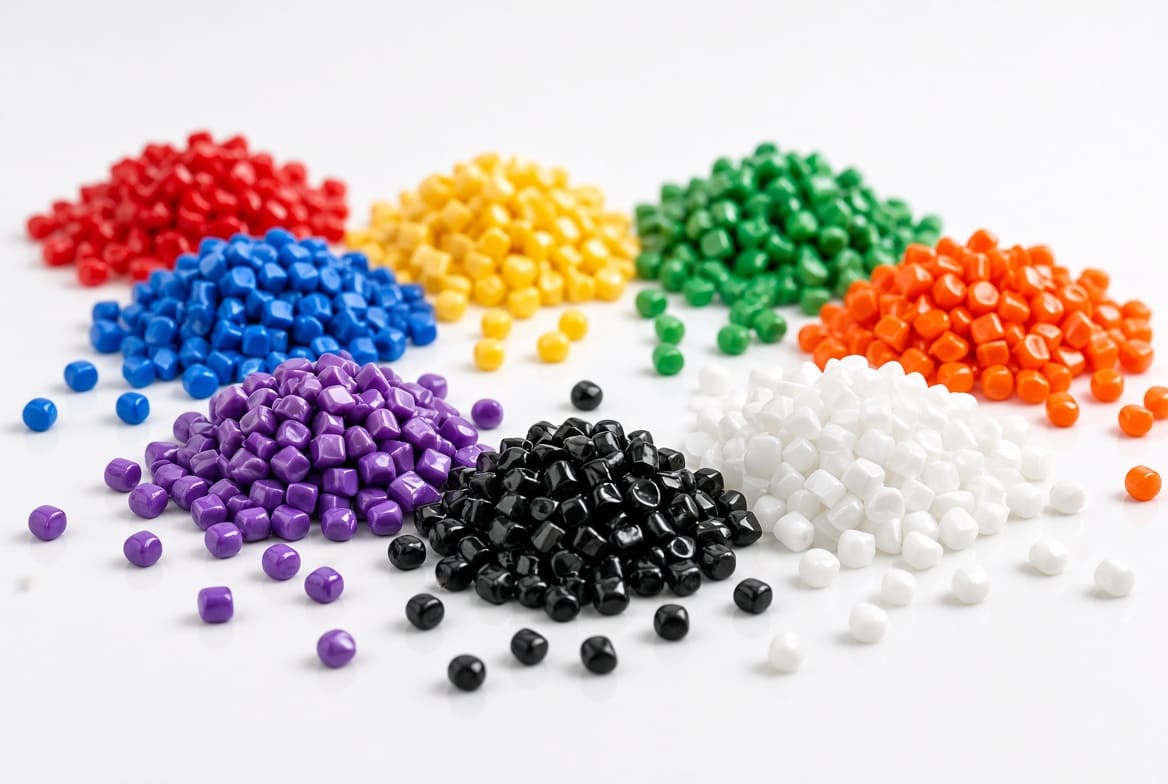
Clear, transparent, translucent, opaque or colored, depending on grade and formulation |
| Typical solid density |
Approximately 1.04–1.06 g/cm³ for many conventional PS grades; exact value depends on the grade |
| Foam density |
Highly variable according to foam type, expansion ratio and application |
| Typical glass-transition temperature |
Approximately 90–105°C for many general-purpose grades |
| Processing method |
Injection molding, extrusion, sheet forming, thermoforming and specialized foam processing |
Identification and property values are general reference information, not a substitute for a grade-specific technical data sheet. HS classification can depend on the exact polymer form, composition, additives and destination-country tariff rules. Confirm the correct customs code with your customs broker before shipment.
2. Main Types of Polystyrene
General Purpose Polystyrene (GPPS)
General Purpose Polystyrene is an unmodified or standard polystyrene grade commonly selected for its clarity, stiffness, dimensional stability and ease of processing. Natural GPPS can be transparent, while pigments and additives can produce colored or specialized products.
GPPS is suitable for products where appearance and rigidity are more important than high impact strength. It can be processed by injection molding, extrusion and sheet extrusion, depending on the grade's melt flow characteristics and the equipment used.
Typical applications include:
- Transparent containers and display components designed for suitable PS grades.
- Stationery, organizers and office accessories.
- Household items and decorative molded parts.
- Display packaging and selected rigid packaging components.
- Lighting covers and non-critical transparent components where the application permits.
- Extruded sheets for subsequent forming or fabrication.
- Laboratory and educational items designed for polystyrene.
High Impact Polystyrene (HIPS)
High Impact Polystyrene is a modified polystyrene material designed to improve toughness compared with standard GPPS. Its rubber-modified structure helps resist impact and reduces brittleness, making HIPS a practical choice for many durable consumer and industrial products.
HIPS is generally opaque or colored rather than optically clear. The balance of impact strength, stiffness, gloss, flow and heat performance depends on the specific grade. Buyers should select a grade according to wall thickness, mold design, surface requirements and the expected service environment.
Typical applications include:
- Refrigerator liners and selected appliance components.
- Consumer electronics housings and internal components.
- Household products, trays and storage items.
- Thermoformed packaging and display materials.
- Advertising panels, signs and point-of-sale displays.
- Stationery and office equipment components.
- Selected toys and consumer products, subject to applicable safety requirements.
Expandable Polystyrene (EPS)
Expandable Polystyrene is supplied as beads containing a blowing agent. Under controlled processing conditions, the beads expand and fuse in a mold to form a lightweight foam structure. EPS is therefore not interchangeable with ordinary GPPS or HIPS pellets.
EPS is widely used for protective packaging, insulation products and molded foam components. Its final density, strength, dimensional stability and thermal performance depend on bead grade, expansion conditions, molding parameters and the finished product design.
Typical applications include:
- Protective packaging for electronics, appliances and fragile goods.
- Packaging inserts and transport protection.
- Building insulation systems designed for EPS.
- Protective corner blocks and cushioning components.
- Lightweight molded packaging products.
EPS bead processing requires suitable equipment and appropriate controls for blowing-agent handling, ventilation, fire safety and product quality. The exact EPS grade should be matched to the intended molding process and regulatory requirements.
3. Physical and Thermal Properties
Polystyrene properties depend on whether the material is GPPS, HIPS, EPS or a specialty formulation. The values below are general orientation ranges and should not be used as guaranteed purchase specifications.
| Property |
General Description |
Why It Matters |
| Appearance |
Transparent, translucent, opaque or colored |
Determines suitability for visual and decorative applications. |
| Density of solid PS |
Commonly around 1.04–1.06 g/cm³ for conventional grades |
Affects component weight, material consumption and dimensional design. |
| Rigidity |
Generally good for standard GPPS grades |
Useful for rigid housings, containers and molded parts. |
| Impact performance |
Generally lower for GPPS; improved in rubber-modified HIPS |
Important for handling, transport, drop resistance and product durability. |
| Thermal behavior |
Softens near its glass-transition region; exact limits depend on grade |
Determines suitability for warm environments and post-processing. |
| Electrical properties |
Useful insulating behavior in suitable dry conditions |
Relevant to selected housings and electrical components; verify safety approvals. |
| Chemical resistance |
Resistant to some aqueous solutions but vulnerable to many organic solvents |
Necessary for cleaning, storage, chemical exposure and service-life decisions. |
| Moisture absorption |
Generally low compared with many polyamides |
Can simplify handling, although storage and processing guidance still matter. |
| Recyclability |
Technically recyclable where collection and processing systems exist |
Depends on product design, contamination, additives and local infrastructure. |
Clarification About the Melting Point
Conventional polystyrene is an amorphous thermoplastic and does not have a single, well-defined crystalline melting point in the same way that semicrystalline polymers do. It softens over a temperature range associated with its glass-transition behavior and can degrade if overheated. A figure around 240°C should therefore not be treated as a universal PS melting point or as a recommended processing temperature.
The appropriate melt temperature depends on the specific resin grade, processing method, machine design, residence time and manufacturer recommendations. Always consult the technical data sheet before establishing processing conditions.
4. Applications by Industry
Packaging and Packaging Conversion
Polystyrene is used in rigid packaging, display packaging, thermoformed sheet products and protective foam packaging. GPPS can be appropriate when transparency and stiffness are required, while HIPS is often preferred when toughness and impact resistance are more important. EPS provides cushioning and protection through its cellular structure.
Food-contact use must be evaluated separately. The specific resin grade, additives, manufacturing process and final article must comply with the regulations applicable in the destination market. A generic PS designation does not automatically establish food-contact suitability.
Household Products and Consumer Goods
GPPS and HIPS are used in various organizers, trays, storage accessories, decorative products and consumer goods. GPPS may be selected for a smooth, glossy or transparent finish, whereas HIPS can be selected for products that need improved toughness during normal handling.
Electrical and Electronic Products
Selected PS grades are used for housings, internal components, spacers and non-critical insulating parts. Grade selection should account for heat exposure, dimensional stability, impact requirements, flammability performance and any applicable electrical or electronic product standards.
Where flame retardancy is required, the buyer must request a specifically qualified grade and review its current certification and test documentation. Standard GPPS or HIPS should not be assumed to meet a particular flammability rating.
Refrigeration and Appliances
HIPS is used in selected refrigerator liners and appliance components because its toughness and formability can suit large molded or thermoformed parts. The appropriate grade depends on forming conditions, impact requirements, thickness, surface finish and long-term service conditions.
Building and Insulation Products
EPS is used in insulation and construction applications where its lightweight cellular structure provides useful thermal and physical characteristics. Building products require application-specific evaluation, including fire performance, moisture exposure, mechanical loads and local construction regulations.
Stationery, Displays and Signs
GPPS and HIPS can be used in selected stationery products, display materials, sign components and office accessories. The choice depends on whether clarity, color, rigidity, impact performance or thermoforming behavior is the primary requirement.
5. Polystyrene Processing Methods
Injection Molding
Injection molding is commonly used to manufacture PS components with repeatable dimensions and detailed surface features. Resin selection should consider melt flow, filling behavior, wall thickness, gate design, cycle time and the desired appearance of the finished component.
Before production, processors should review the resin supplier's processing recommendations, confirm the machine and mold are suitable, and establish a controlled process window. Excessive temperatures or long residence times can cause material degradation and defects.
Extrusion and Sheet Extrusion
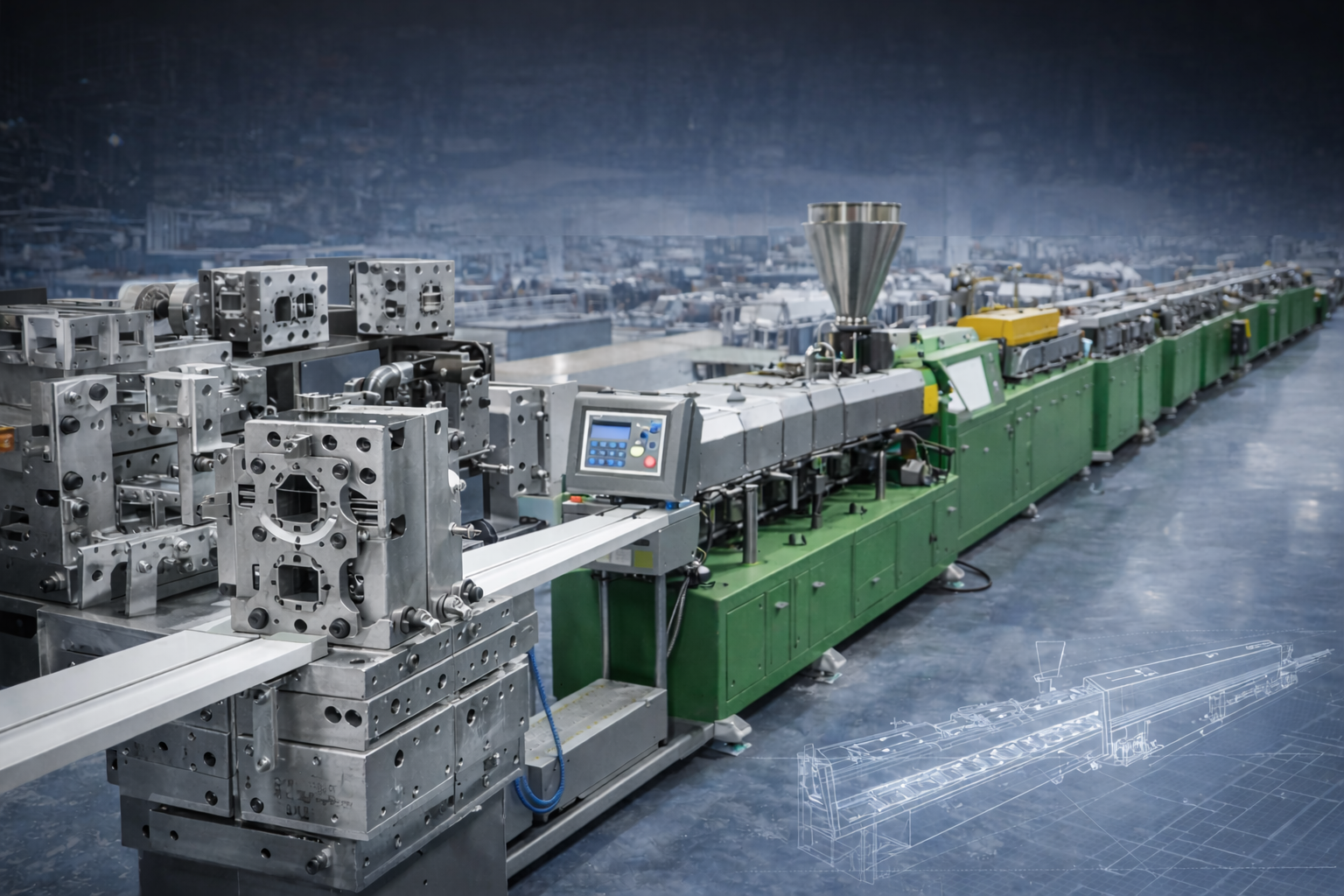
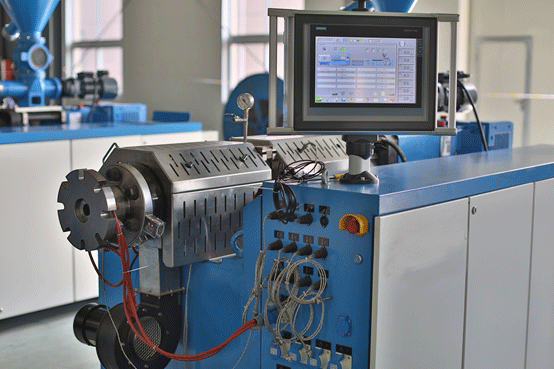
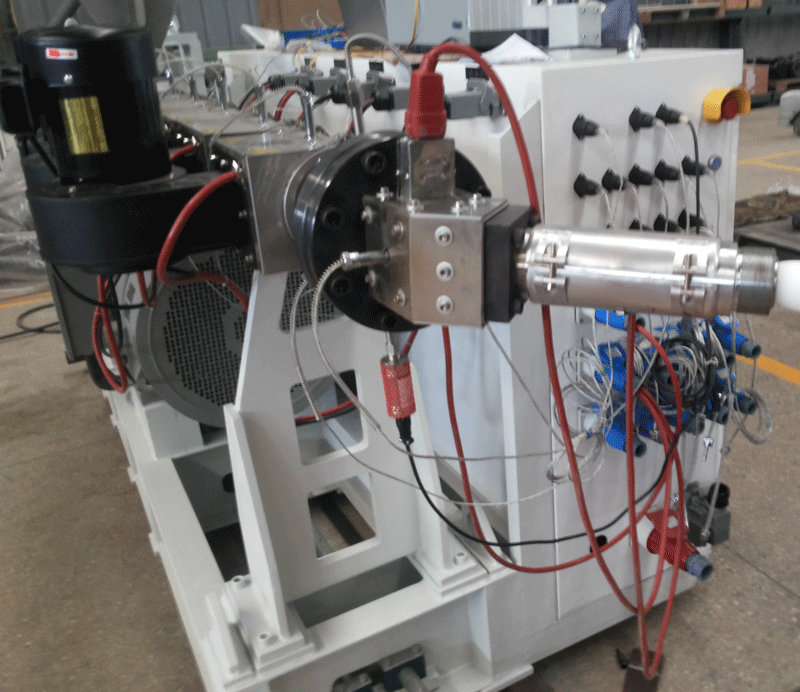
PS extrusion can produce sheets, profiles and other continuous products. Extruded sheet may subsequently be cut, printed, thermoformed or fabricated, depending on its formulation and end use.
Important factors include resin flow properties, extruder screw design, melt temperature, die configuration, cooling and haul-off stability. GPPS and HIPS may require different process settings, and the appropriate grade should be selected before finalizing equipment parameters.
Thermoforming
PS sheet can be heated and formed into a range of shapes using suitable thermoforming equipment. The grade should provide the required balance of heating behavior, stiffness, forming performance, surface quality and finished-part toughness.
EPS Bead Expansion and Molding
EPS requires a dedicated processing route involving bead pre-expansion, conditioning and molding or fusion. It cannot be processed in the same way as standard solid PS pellets. Processors should follow the equipment and material supplier's safety instructions and ensure appropriate ventilation and fire protection.
6. Polystyrene Resin Sourcing Through EXTRUTEX
EXTRUTEX supplies polymer materials and assists customers in identifying suitable resin options for manufacturing. For polystyrene, sourcing can be organized according to the required polymer type, application, processing equipment, flow characteristics, impact requirements, color and documentation needs.
Depending on the grade and current supply conditions, potential sourcing options may include Formosa Plastics, Sinochem and other qualified producers or distributors. A specific manufacturer or grade should be confirmed before an order is finalized.
| Sourcing Option |
Material Scope |
Information to Confirm |
| Formosa Plastics |
Potential source for suitable styrenic resin grades, subject to current product availability |
Exact grade code, producer, plant of origin, technical data sheet and available quantity |
| Sinochem |
Potential sourcing channel subject to confirmation of the specific PS product and current commercial availability |
Whether the required PS grade is available directly or through an authorized supply channel, plus grade documentation and origin |
| Other qualified suppliers |
Alternative GPPS, HIPS or specialty PS grades according to the application |
Manufacturer, grade equivalency, specifications, compliance documents and shipment terms |
Supplier names in this section indicate potential sourcing options, not a guarantee that every producer currently offers every PS type or grade. EXTRUTEX confirms the actual manufacturer, grade code, origin and availability for the requested specification. No equivalence between grades should be assumed without comparing technical data sheets.
7. How to Select the Correct PS Grade
Choosing a suitable polystyrene grade starts with the finished product and its manufacturing process. A grade designed for transparent injection-molded parts may not be appropriate for a high-impact appliance liner or an EPS packaging product.
| Requirement |
Suggested Starting Point |
Key Checks |
| Transparency and rigidity |
GPPS |
Optical appearance, melt flow, stiffness and molding performance |
| Improved impact resistance |
HIPS |
Impact strength, stiffness, gloss, color and temperature requirements |
| Thermoformed sheet |
Suitable GPPS or HIPS extrusion grade |
Melt strength, sheet uniformity, forming window and surface quality |
| Lightweight protective foam |
EPS bead grade |
Expansion ratio, density, bead size, molding behavior and required performance |
| Electrical component |
Application-qualified PS grade |
Electrical requirements, thermal performance, flammability and approvals |
| Custom-colored product |
Available pigmented grade or approved coloring route |
Color consistency, surface finish, additive compatibility and processing conditions |
Information to Include in Your Inquiry
- Required material type: GPPS, HIPS, EPS or specialty polystyrene.
- Target application and finished product.
- Processing method: injection molding, extrusion, thermoforming or EPS molding.
- Required melt flow rate and test conditions, if specified.
- Color, transparency, gloss or surface-finish requirements.
- Mechanical performance requirements, including impact strength where relevant.
- Required manufacturer, grade code or acceptable equivalent.
- Quantity, packaging preference and destination country.
- Required compliance documents, technical data sheet and safety data sheet.
8. Quality Control and Technical Documentation
For industrial purchasing, resin identification and documentation are essential. Two materials described as polystyrene may differ in melt flow, impact resistance, color, additives, processing window and regulatory suitability. Buyers should therefore verify the exact grade rather than relying only on the polymer family name.
Depending on the grade and supplier, the documentation review may include:
- Technical Data Sheet (TDS).
- Safety Data Sheet (SDS).
- Certificate of Analysis (COA), when available for the supplied batch.
- Manufacturer and grade identification.
- Batch or lot identification and packaging details.
- Country-of-origin documentation where applicable.
- Relevant regulatory declarations or test reports when specifically required.
EXTRUTEX recommends checking the current documentation before production trials or material substitution. If an alternative grade is proposed, compare the key properties and processing guidance, then validate the material through appropriate production testing.
9. Storage, Handling and Safety
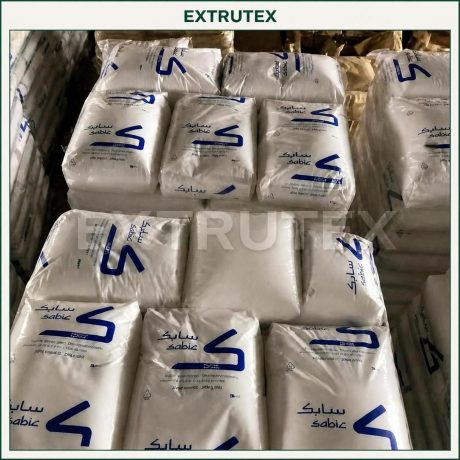
Store PS resin in its original packaging in a clean, dry environment, away from excessive heat, direct sunlight and contamination. Keep packaging closed when material is not in use and follow the supplier's recommendations for storage duration and handling.
During processing, follow the equipment manufacturer's instructions and the resin supplier's safety guidance. Avoid overheating the polymer, and provide appropriate ventilation for the processing operation. Consult the current SDS for material-specific handling, exposure controls, fire precautions and spill procedures.
Polystyrene products and processing waste should be managed according to local waste and recycling rules. Recyclability depends on the form of the material, contamination, additives and available collection infrastructure. Foam products may require a separate collection or densification process.
10. Frequently Asked Questions
What is polystyrene (PS resin)?
Polystyrene is a thermoplastic polymer made from styrene monomer. It is used in rigid molded products, packaging, sheet materials and foam products. Its properties depend on whether it is GPPS, HIPS, EPS or another formulation.
What is the difference between GPPS and HIPS?
GPPS is commonly selected for transparency, rigidity and surface appearance. HIPS is rubber-modified to improve impact resistance and is generally opaque or colored. The best choice depends on the product's mechanical and visual requirements.
Is EPS the same as ordinary polystyrene resin?
No. EPS is supplied as expandable beads and processed into foam using a specialized expansion and molding process. It is not interchangeable with standard GPPS or HIPS pellets in ordinary injection molding.
Can EXTRUTEX supply polystyrene from Formosa Plastics or Sinochem?
These may be considered as potential sourcing options, subject to the specific product, current availability and supply channel. EXTRUTEX confirms the actual manufacturer, grade code and documentation for each inquiry before order confirmation.
Can EXTRUTEX help find a substitute for a specific PS grade?
Yes. Provide the current grade code, technical data sheet, application, processing method and critical performance requirements. Any alternative should be evaluated against the original specification and validated before full production.
What information is needed for a quotation?
Please specify the PS type, application, processing method, target grade or melt flow requirement, color, quantity, destination and required documentation. These details help identify an appropriate sourcing option.
Is polystyrene suitable for food-contact applications?
Some specific PS grades may be suitable for certain food-contact uses, but suitability cannot be assumed from the polymer name alone. The grade, additives, finished article and destination-market regulations must all be reviewed.
Does polystyrene have a melting point of 240°C?
Conventional polystyrene is amorphous, so it does not have a single well-defined crystalline melting point. It softens around its glass-transition region and can degrade if overheated. Processing temperatures must follow the specific grade's technical documentation.
Can polystyrene be recycled?
PS can be recycled where suitable collection and processing systems are available. Actual recyclability depends on the product form, contamination, additives and local recycling infrastructure.
What documents can be requested with the resin?
Depending on the product and supplier, buyers may request a TDS, SDS, batch COA, manufacturer and grade identification, origin documentation and relevant compliance declarations.
11. Request Polystyrene Resin Supply
EXTRUTEX helps manufacturers and distributors source polystyrene resin for a range of plastic processing applications. Whether you need transparent GPPS, impact-modified HIPS, expandable EPS or a specific manufacturer grade, provide your application and technical requirements so the available options can be reviewed.
Looking for a Suitable Polystyrene Grade?
Send us your target grade, application, processing method, quantity and destination. We will review the sourcing requirements and confirm available options and documentation.
Contact EXTRUTEX










-
(0 customer reviews)