No products in the cart.



All rights of this website are reserved for EXTRUTEX Austria and its partner companies, © 2026

Multiple Payment Methods

Discount for advance payments over 50%

Free Shipping Coordination Services
Payment methods:


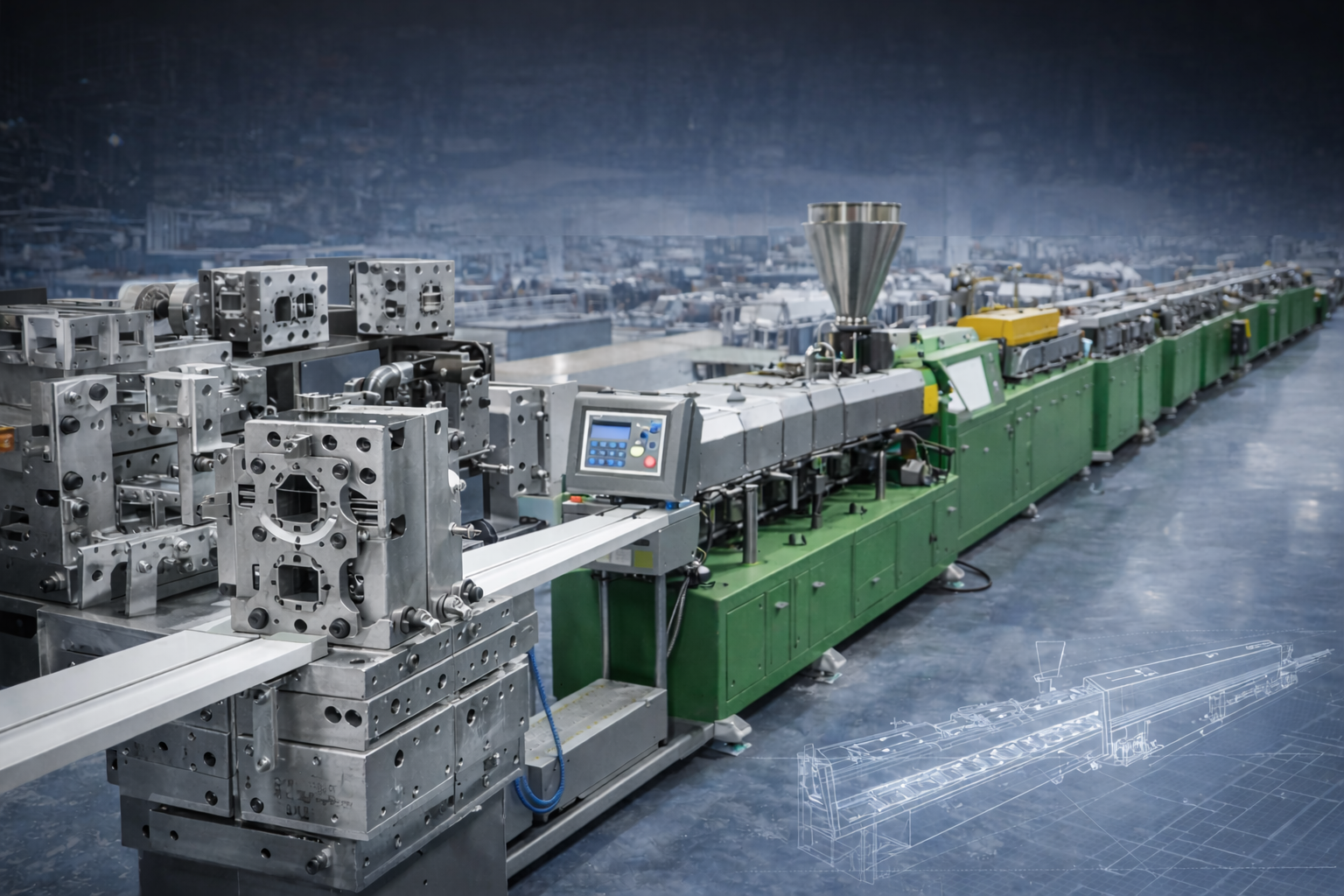
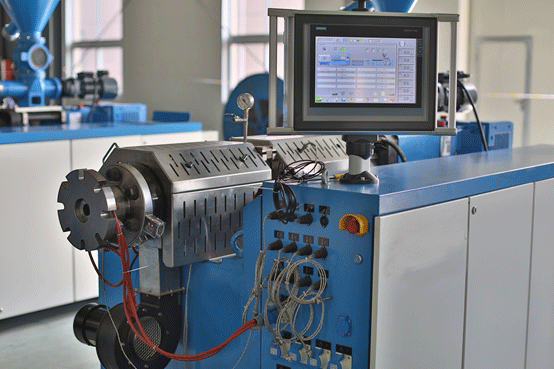
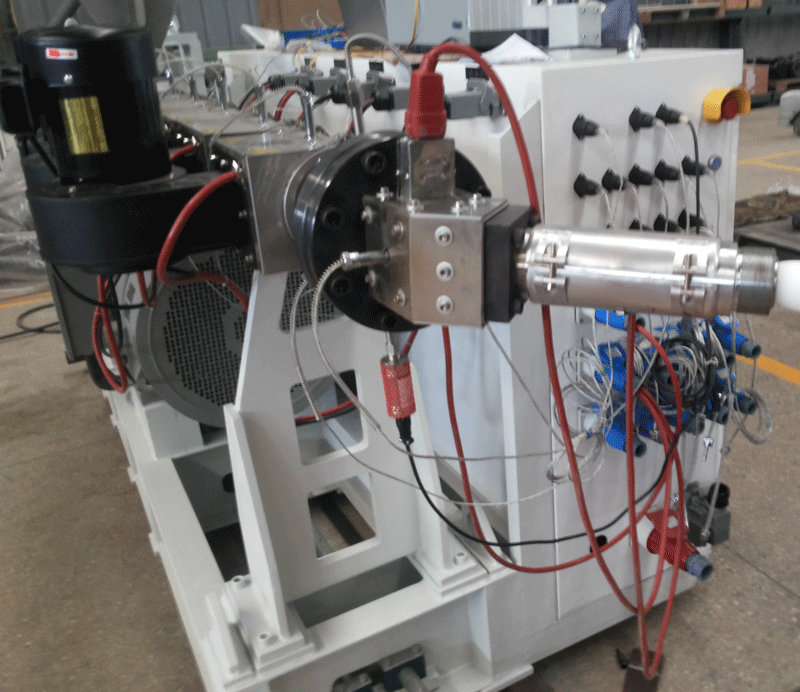
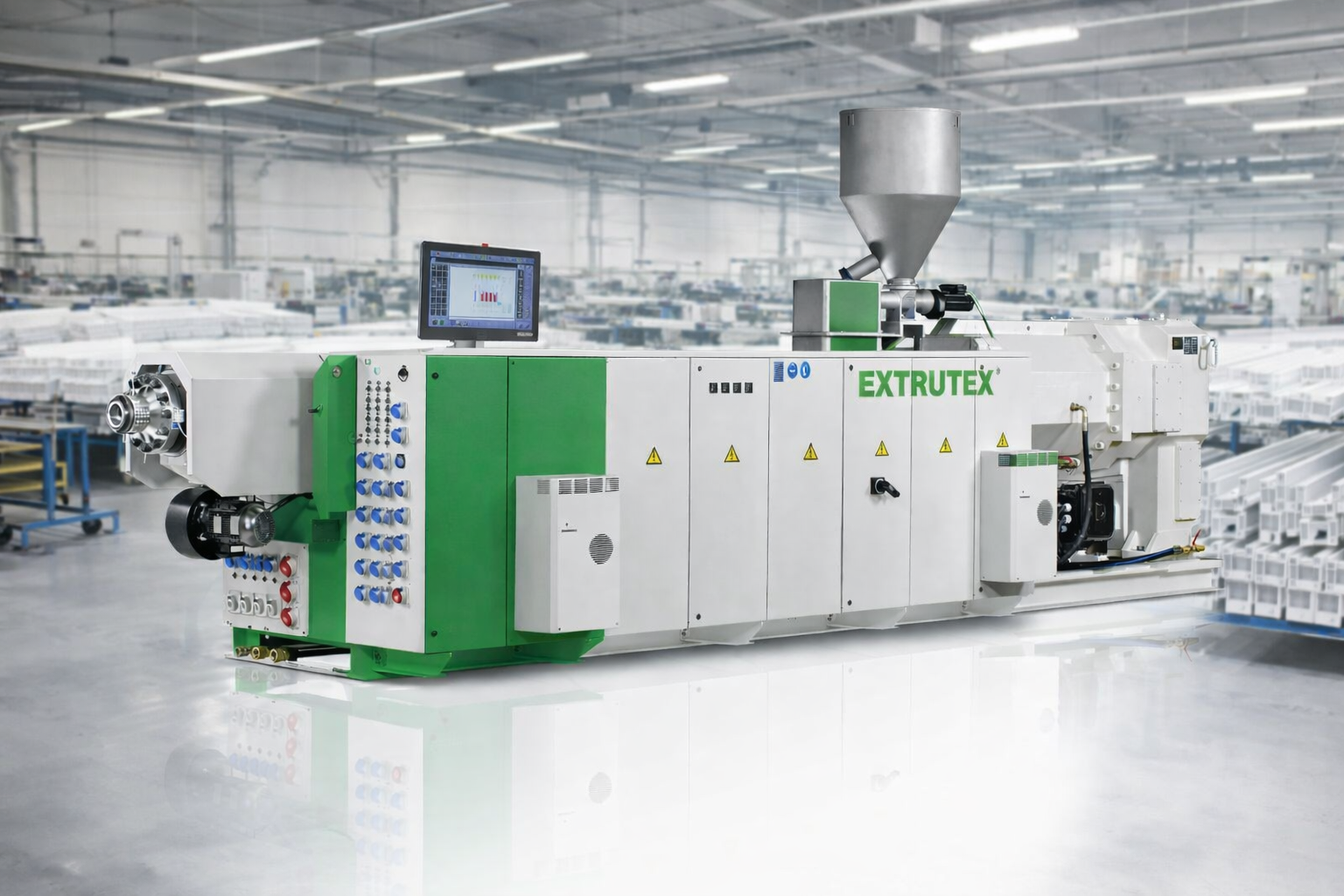
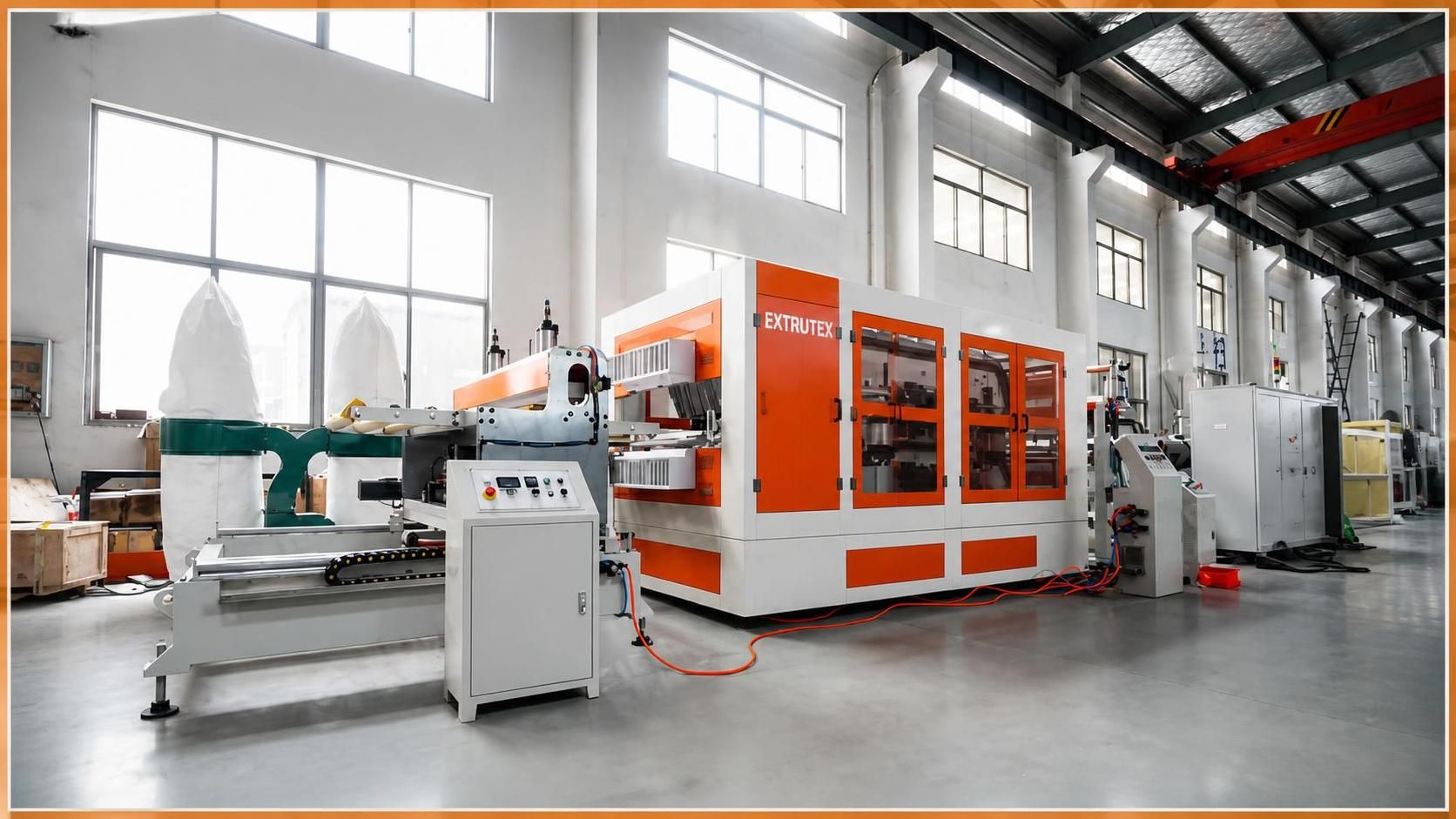
The EXTRUTEX Multilayer PVC Corrugated Roof Tile Extrusion Line is designed for the continuous production of multilayer corrugated PVC roofing tiles for industrial buildings, warehouses, workshops, agricultural facilities, commercial premises, and other suitable construction applications. The integrated production system combines multiple extruders, a multilayer extrusion die, corrugation-forming equipment, cooling and calibration systems, haul-off, cutting, and stacking equipment.
Designed for manufacturers requiring flexibility in roofing tile structure, material distribution, color, surface appearance, and production capacity, the EXTRUTEX multilayer extrusion line can be configured for A+B, A+B+C, and A+B+A structures. A three-layer configuration can also be engineered for products with a foamed inner core and solid outer layers, subject to material compatibility and process validation.
Typical target tile widths include 720 mm, 930 mm, and 1100 mm, while the broader reference configuration covers widths of 710–1220 mm. Depending on the selected machine and product design, the line can be developed for different thicknesses, corrugation profiles, colors, and finished lengths.
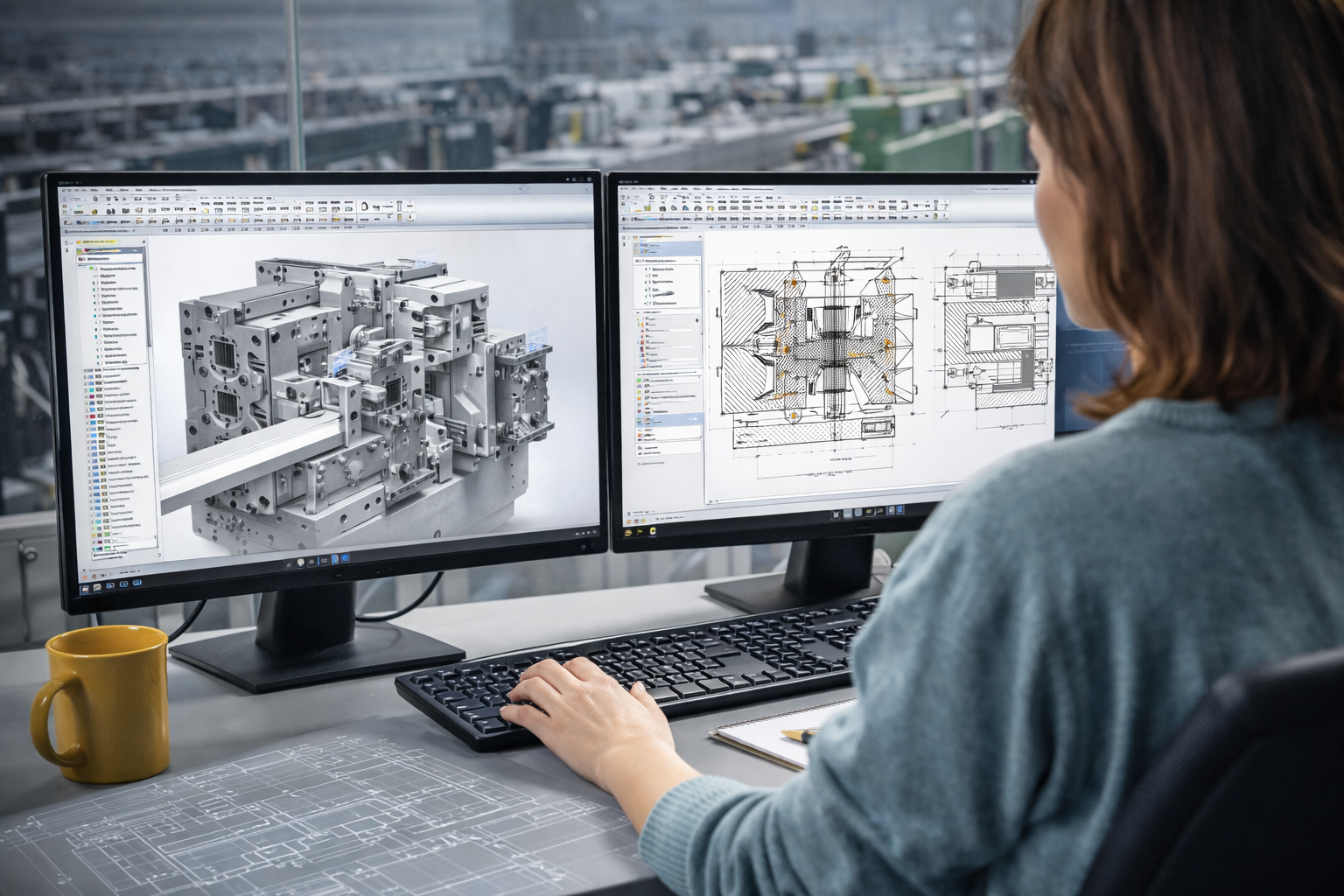
EXTRUTEX combines design, laboratory, and R&D capabilities in Austria with manufacturing in China to support customers in equipment configuration, tooling development, material processing, and downstream integration for multilayer roofing tile production.
Multilayer PVC corrugated roof tiles are produced by combining two or more material streams into a single formed roofing profile. Each layer can be designed for a particular role, depending on the selected formulation, product structure, and target application.
Final suitability depends on the tile formulation, layer design, profile geometry, installation method, exposure conditions, and applicable building regulations. Product performance should be validated against the requirements of the intended market.
The main principle of multilayer extrusion is to combine separate polymer melt streams through a specially designed die or melt-distribution system. This allows manufacturers to create a roofing tile with different formulations or colors in different layers without producing each layer as a separate finished product.
The multilayer system must be designed around the intended structure, material compatibility, melt viscosity, processing temperatures, output requirements, and final tile dimensions. Stable melt distribution and synchronized extrusion are essential for consistent layer thickness, surface quality, and product geometry.
Available configurations can include:
The actual layer arrangement, extruder allocation, and die configuration must be confirmed during engineering. The number of extruders alone does not determine the final layer structure; the die design and material flow paths are equally important.
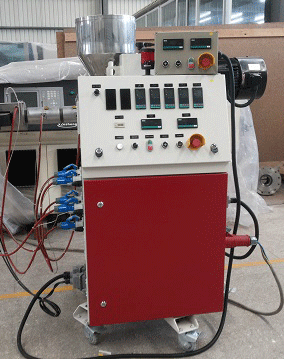
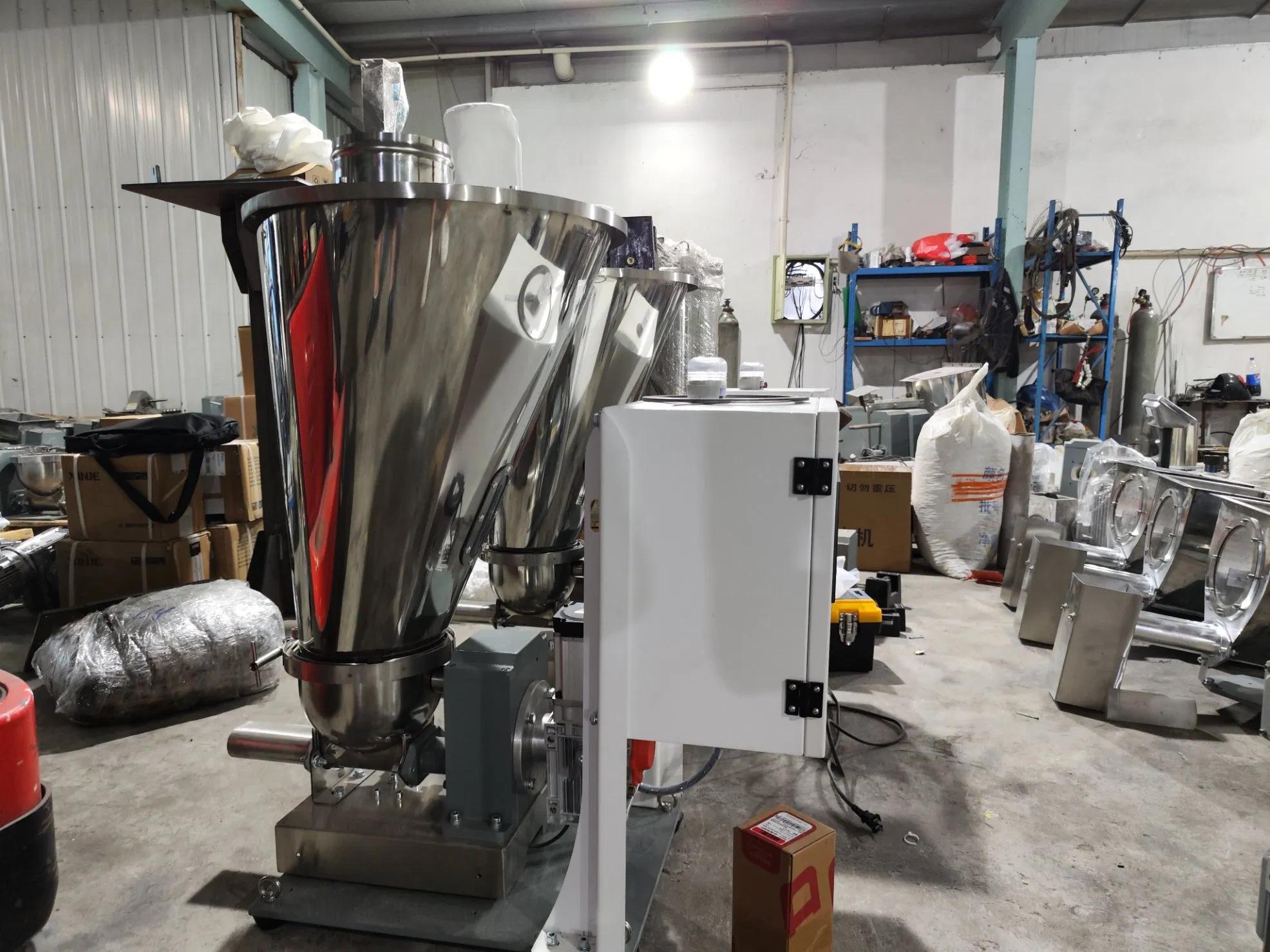
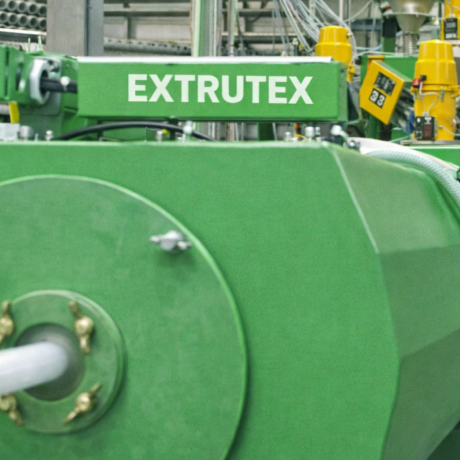
The main extruder plasticizes and homogenizes the primary PVC formulation before delivering the melt to the multilayer extrusion die. A conical twin-screw extruder is commonly used for rigid PVC processing because it combines feeding, conveying, plasticization, mixing, and melt delivery within a controlled system.
The extruder is selected according to the target output, formulation, tile width, thickness, and processing conditions. Screw geometry, screw speed, barrel temperature control, feeding stability, and suitable venting arrangements where required all influence process stability and product quality.
EXTRUTEX can evaluate conical twin-screw or parallel twin-screw configurations according to the production requirements. The final selection should consider stable PVC processing, energy consumption, maintenance requirements, and the intended operating range.
Auxiliary co-extruders supply the additional melt streams required for multilayer production. Depending on the product structure, an auxiliary extruder may supply an outer layer, an inner layer, or another material stream defined by the die design.
For A+B production, the system typically combines two melt streams. A+B+C and A+B+A configurations require suitable distribution of three streams, which may involve three extruders or another engineered arrangement appropriate to the selected process.
Important design considerations include:
The auxiliary extruder sizes should be selected based on the required layer output, formulation, and die design. They should not be determined from the main extruder capacity alone.
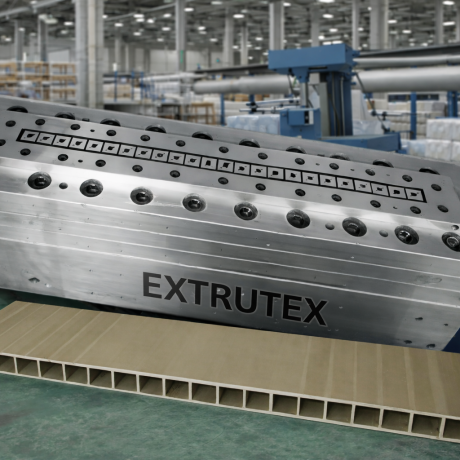
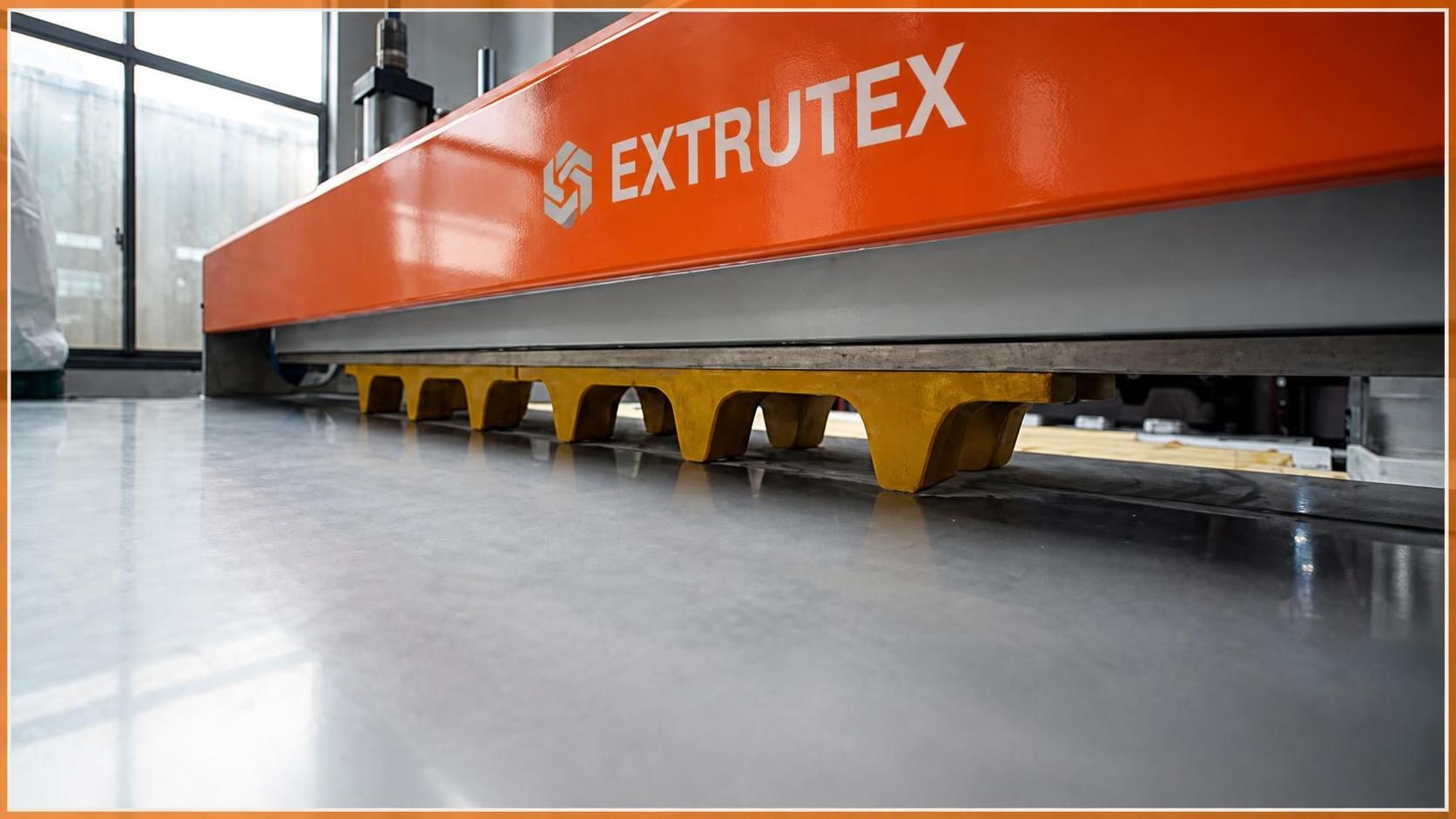
The multilayer die receives the separate melt streams and distributes them into the required layer arrangement. It is a critical component because its flow channels, heating zones, and distribution geometry influence layer uniformity, pressure stability, thickness consistency, and surface appearance.
For PVC processing, appropriate thermal management helps reduce the risk of local overheating and material degradation. Flow-channel optimization, suitable residence-time control, and stable temperature regulation are important to maintaining reliable production.
The die can be designed around the required tile width, thickness, corrugation profile, and layer structure. Customization may include the distributor arrangement, flow-channel geometry, heating-zone layout, and adjustment mechanisms.
For multilayer applications, the die must also account for differences in melt viscosity and processing behavior between the individual material streams. The final design should be validated using the selected formulations and production targets.
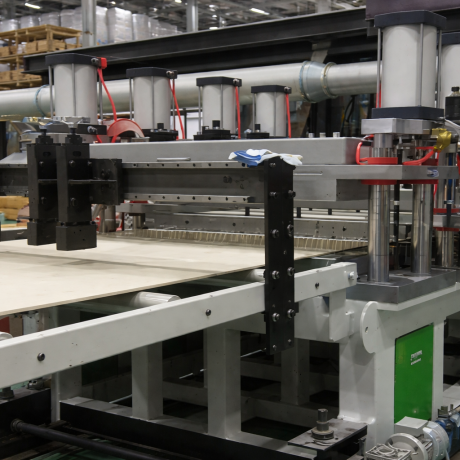
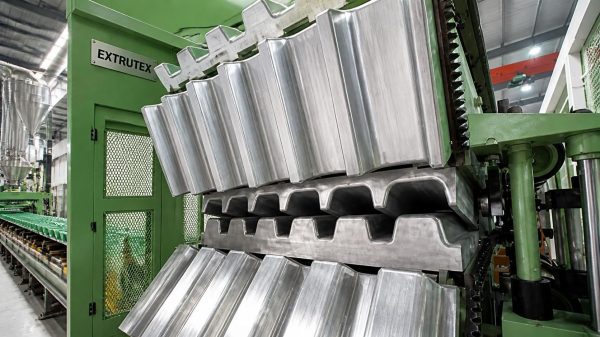
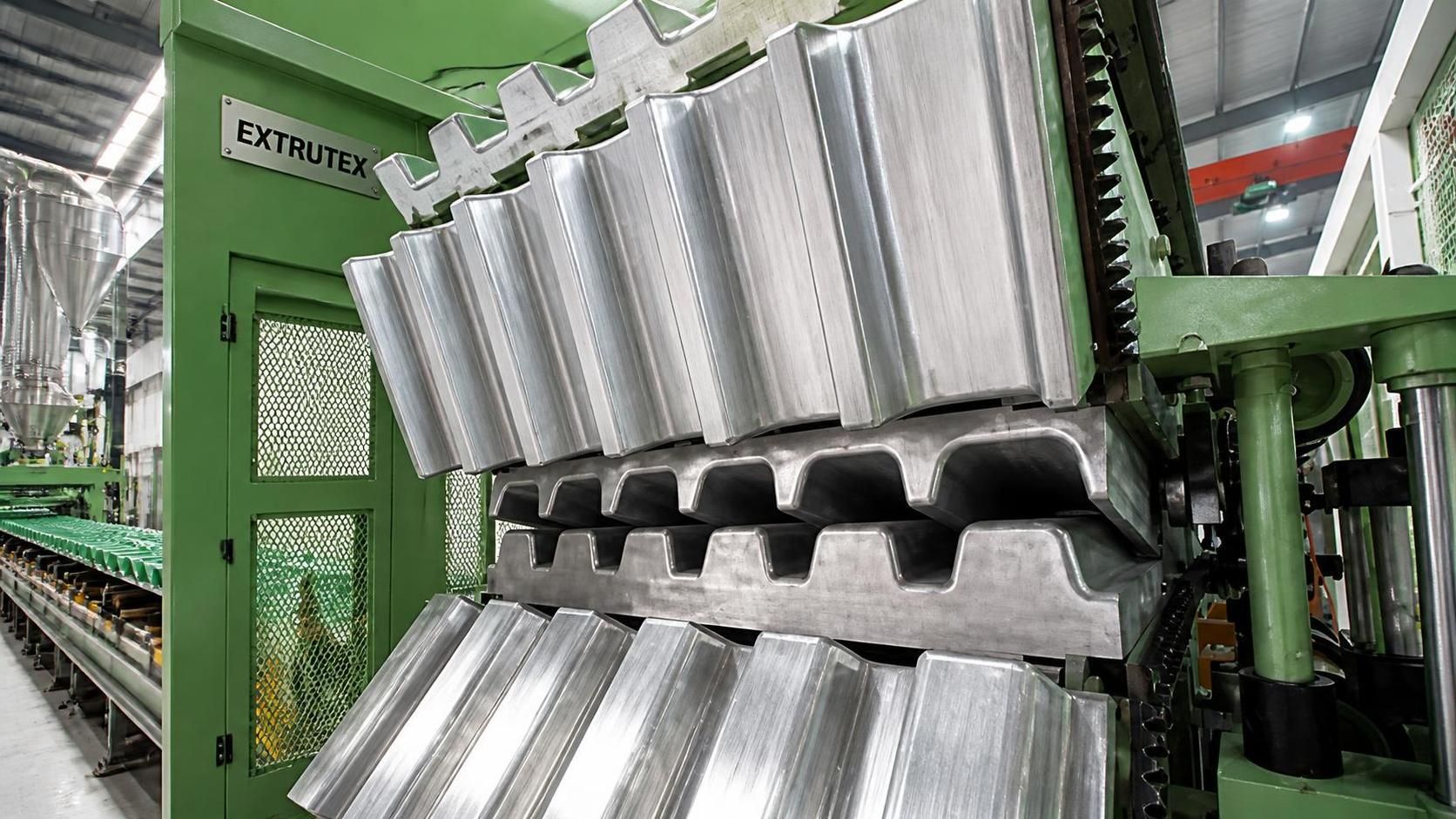
The forming section transforms the extruded material into the required corrugated roofing profile. Pattern rollers or matched forming tools are selected according to the corrugation pitch, ridge height, overall width, product thickness, and surface design.
Forming performance depends on melt output, material temperature, forming-tool geometry, cooling conditions, and haul-off speed. These parameters must be coordinated to maintain the specified profile and minimize deformation.
EXTRUTEX can develop customized forming tools based on approved drawings or samples, allowing manufacturers to produce different roofing profiles and differentiate their products through geometry, dimensions, and appearance.
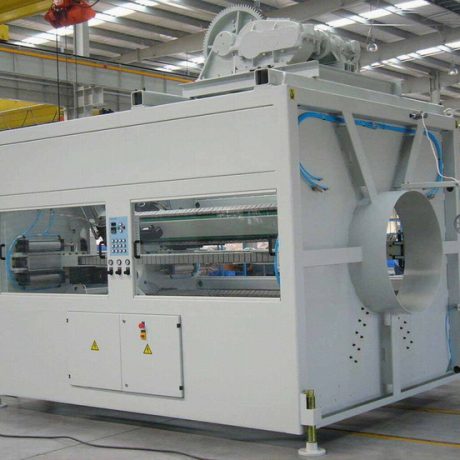
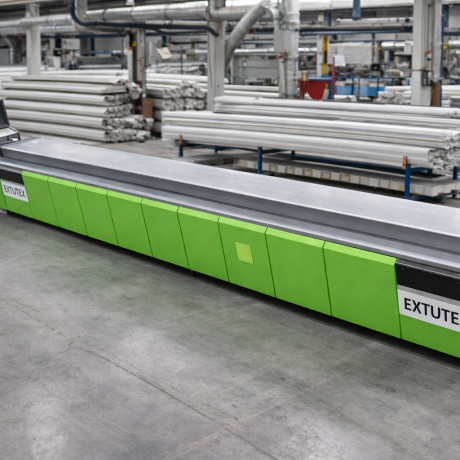
Cooling and calibration equipment stabilizes the corrugated tile after forming. Its design depends on the material formulation, layer structure, thickness, profile geometry, and required production speed.
Controlled cooling helps the tile retain its shape and dimensions as the material solidifies. The system should minimize uneven shrinkage, profile distortion, and surface defects while supporting the required line speed.
For multilayer and foamed-core products, the cooling process should be evaluated against the thermal behavior of the complete structure. Different layers may cool or shrink differently, making suitable process control particularly important.
The haul-off unit pulls the formed tile through the downstream equipment at a controlled speed. Stable traction and synchronization with the extrusion and forming systems help maintain consistent product dimensions and reduce fluctuations during production.
The haul-off should provide sufficient pulling force without damaging the corrugated surface. Its speed must be coordinated with the extruder output, forming system, and cutter.
The track cutter cuts the continuous corrugated profile to the required finished length. A synchronized cutting arrangement helps maintain dimensional accuracy while minimizing unnecessary interruptions to the extrusion process.
The cutter can be configured according to the tile thickness, profile geometry, cutting length, and required production speed. A suitable blade arrangement and enclosed chip-collection chamber can help reduce the spread of PVC cutting debris in the production area.
Where extraction equipment is specified, it should be sized and maintained appropriately. Machine guarding, safe blade access, and proper maintenance procedures remain essential.
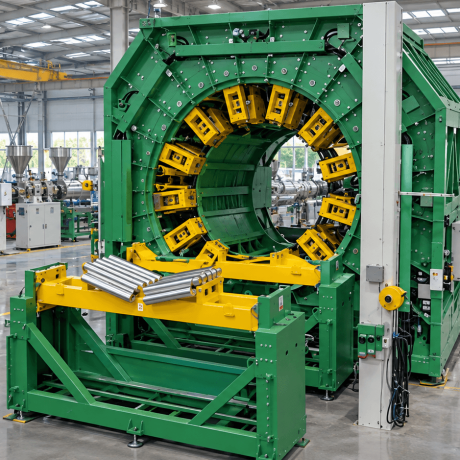
The stacking system receives cut roofing tiles and arranges them for inspection, packaging, and handling. Depending on the required output and factory layout, the system can be designed for manual assistance or a higher level of automation.
Stacking equipment should handle the corrugated profile carefully to reduce the risk of scratching, deformation, or damage to the tile edges. The final design depends on tile length, stack arrangement, handling method, and packaging requirements.
The following table presents representative configurations and reference production ranges. Final specifications must be confirmed against the intended tile design, formulation, tooling, and operating conditions.
| Parameter | Single-Layer Reference | Single-Layer Higher Output | Double-Layer Reference | Double-Layer Higher Output | Three-Layer Foamed-Core Reference |
|---|---|---|---|---|---|
| Extruder Configuration | EXZ80/156 | EXZ92/188 | EXZ80/156 + auxiliary co-extruder | EXZ92/188 + auxiliary co-extruder | EXZ51/105 + EXZ65/132 + EXZ51/105 |
| Layer Structure | Single layer | Single layer | A+B | A+B | A+B+A or compatible three-layer foamed-core structure |
| Reference Tile Width | 710–1220 mm | 710–1220 mm | 710–1220 mm | 710–1220 mm | 710–1220 mm |
| Reference Tile Thickness | 0.8–3.0 mm | 0.8–3.0 mm | 2.5–3.0 mm | 2.5–3.0 mm | 2.5–3.0 mm |
| Reference Extrusion Capacity | 450–550 kg/h | 600–700 kg/h | 450–550 kg/h | 600–700 kg/h | 400–500 kg/h |
| Typical Product | Corrugated PVC roof tile | Higher-output corrugated PVC roof tile | Two-layer corrugated roof tile | Higher-output two-layer roof tile | Three-layer tile with a designed foamed core |
Technical note: The reference data identifies EXZ80/156 and EXZ92/188 for single-layer production and provides corresponding output ranges for double-layer configurations. The exact auxiliary co-extruder sizes and layer-output allocation must be confirmed during project engineering. The three-extruder configuration also requires confirmation of the intended layer arrangement and material flow paths.
The figures are reference ranges, not guaranteed production rates for every product. Actual output depends on formulation, tile width and thickness, profile geometry, layer structure, die resistance, cooling capacity, line speed, and the required quality level.
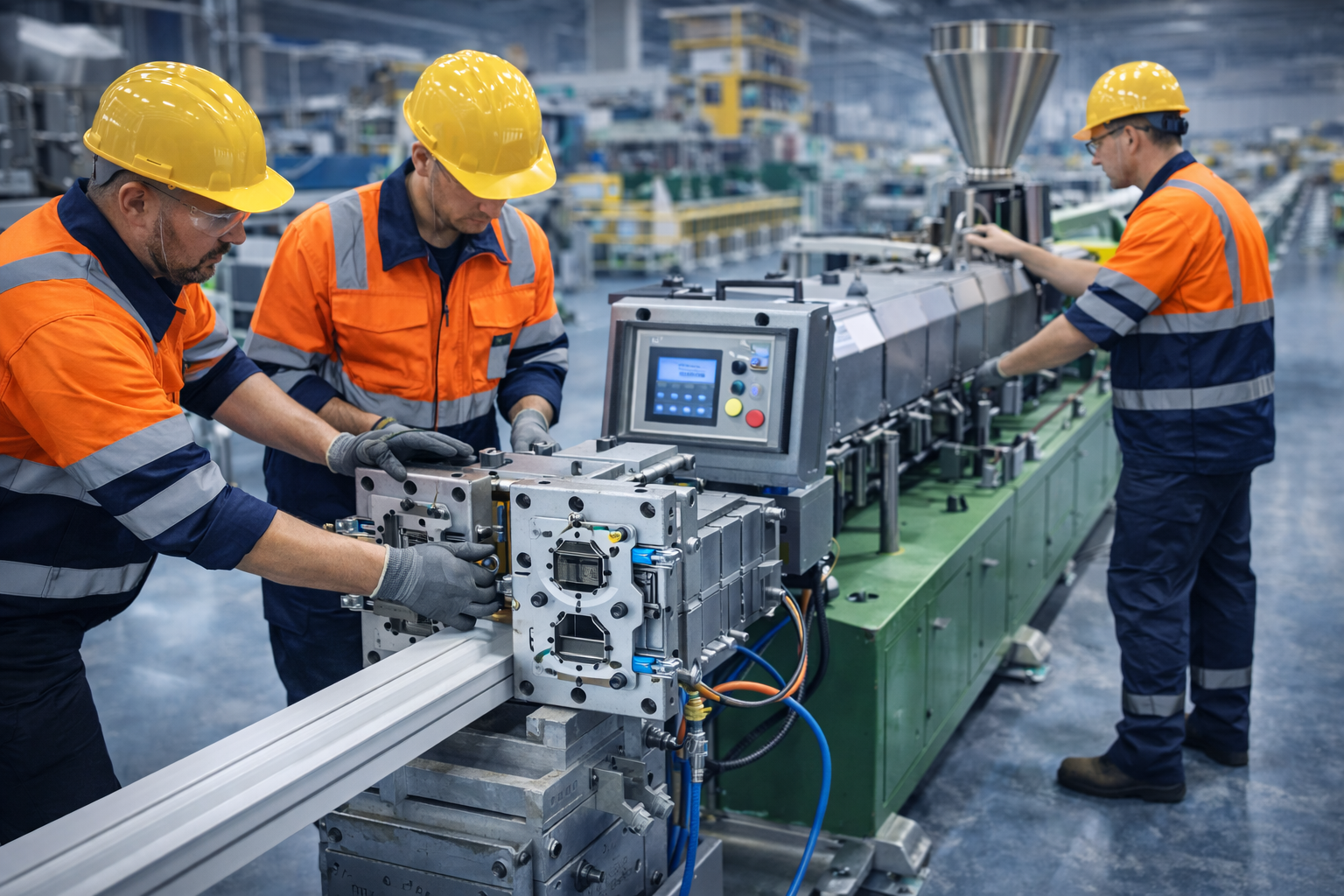
Roofing manufacturers serve markets with different requirements for tile dimensions, corrugation profiles, overlap geometry, and installation methods. EXTRUTEX can evaluate customized tooling according to an approved drawing or physical reference sample.
Customization options may include:
Before tooling manufacture, the product specification should define overall width, effective covering width, corrugation dimensions, edge geometry, target thickness, finished length, and installation overlap. Mechanical performance, weathering requirements, and local compliance standards should also be identified where applicable.
The A+B configuration combines two separate material streams in one corrugated roofing tile. It can be considered when the product requires a different formulation, color, or function in the outer layer compared with the supporting layer.
For example, a manufacturer may develop one layer around surface appearance and specified exposure requirements while selecting the other layer according to processing, material utilization, or structural objectives. The precise layer allocation depends on the product design and material compatibility.
Important considerations include:
Two-layer construction does not automatically guarantee better weather resistance or mechanical performance. These properties depend on the materials, layer thicknesses, processing conditions, and validation tests.
The A+B+C configuration introduces three material streams, allowing the manufacturer to assign different formulations to the outer, intermediate, and inner layers. This offers additional flexibility when designing a roofing tile for specific appearance, processing, or performance objectives.
The three layers must be distributed consistently across the full working width. Differences in viscosity, temperature, or extrusion pressure can influence the layer balance and final product quality.
During project engineering, EXTRUTEX evaluates the required extruder arrangement, melt-distribution system, die geometry, and process-control requirements. The final layer design should be validated with the selected materials and intended operating conditions.
An A+B+A structure places an inner layer between two outer layers. For suitable applications, the central layer may be formulated as a foamed core while the outer layers provide the required surface and structural characteristics.
A foamed core may reduce product density and material consumption compared with a solid product of similar external dimensions, depending on the formulation and resulting cellular structure. However, the final mechanical performance must be evaluated for the complete multilayer product.
Foamed-core production requires control of the foaming system, melt strength, temperature profile, material distribution, and cooling conditions. Important product characteristics include:
The foamed-core configuration must be engineered for the selected formulation and equipment. Product trials and testing are necessary to establish the appropriate process window and verify the finished tile.
The multilayer extrusion die is central to stable production. Its distribution channels and heating zones must be designed to deliver the individual melt streams in the required proportions while maintaining suitable flow conditions.
Key engineering considerations include:
Proper thermal management can help reduce the risk of local overheating and PVC degradation. It must be combined with suitable formulations, correct operating temperatures, regular cleaning, and consistent production practices.
After leaving the extrusion die, the multilayer material is shaped into the required roofing profile by the forming system. Pattern rollers or matched forming tools must correspond to the product's corrugation geometry and operating conditions.
The forming process should be synchronized with melt output, material temperature, cooling capacity, and haul-off speed. Stable forming conditions help maintain profile dimensions and minimize deformation.
Forming tools may be manufactured from appropriately selected materials, with precision machining and finishing to meet the required profile quality. Air-assisted cooling can be incorporated where appropriate, provided it is compatible with the product geometry and cooling requirements.
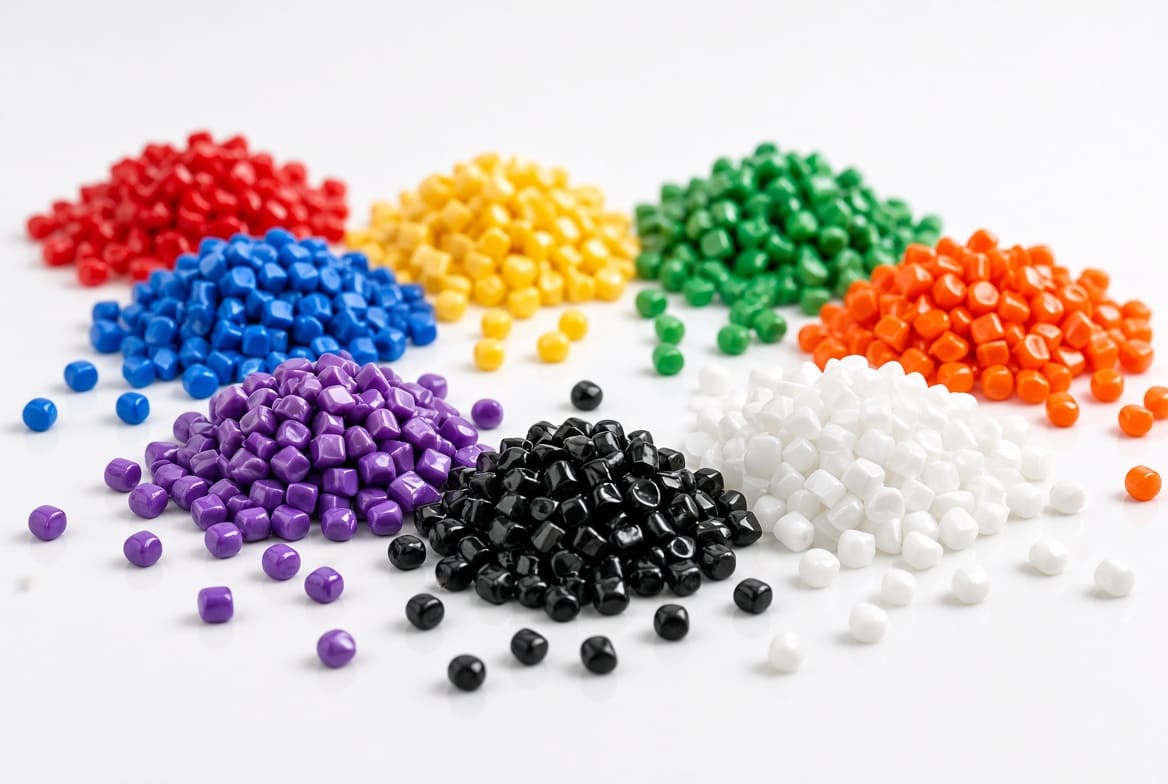
Rigid PVC roofing compounds commonly use PVC resin combined with heat stabilizers, processing aids, impact modifiers, lubricants, pigments, and other additives selected for the intended product. Multilayer extrusion allows different formulations to be assigned to individual layers where the process and material compatibility permit.
Potential formulation considerations include:
Formulation optimization should consider extrusion stability, pressure, fusion behavior, surface finish, dimensional consistency, mechanical performance, and raw-material utilization. Final recipes should be established through controlled trials and verified against the target product specification.
A typical EXTRUTEX multilayer PVC corrugated roof tile production process includes the following stages:
All stages must operate in coordination. Changes in material formulation, layer structure, width, or thickness may require adjustments to temperature, output balance, cooling, and line speed.
Quality control should cover both process stability and finished-product characteristics. The inspection plan should be developed around the product specification and target market.
Typical process checks include:
Finished-product checks may include:
Acceptance limits should be agreed before production. For foamed-core products, cell structure, density, surface quality, and mechanical performance should be evaluated as appropriate to the design.
The production cost of multilayer PVC corrugated roof tiles depends on the complete process rather than the nominal capacity of the main extruder alone. A suitable line should balance output, product quality, material utilization, energy consumption, maintenance, and automation.
Production and cost comparisons should use equivalent tile specifications and validated operating data. A higher nominal output or lower-cost formulation does not necessarily produce a better overall result if it increases scrap or compromises product performance.
Manufacturers may also require matching ridge tiles and complementary roofing profiles. These products can need dedicated extrusion dies, forming tools, and downstream arrangements depending on their geometry and production requirements.
EXTRUTEX can assess the required tooling based on approved drawings, dimensions, material selection, and target output. Where different products require separate forming systems, the factory layout should allow for safe tool changes, setup, inspection, and maintenance.
A well-planned production area supports stable extrusion, safe operation, and efficient handling of finished tiles. The layout should provide sufficient room for raw-material preparation, access to the extrusion line, tooling changes, maintenance, and product storage.
Recommended operating practices include:
Maintenance intervals should be based on operating hours, material characteristics, contamination risk, and equipment recommendations. All maintenance must follow the appropriate machine-safety and isolation procedures.
Each multilayer roofing project has its own product dimensions, layer structure, material requirements, output target, and factory conditions. EXTRUTEX can evaluate these parameters to develop a suitable extrusion and downstream configuration.
For a technical assessment, customers should provide:
After reviewing these requirements, the extruder configuration, auxiliary co-extruders, multilayer die, forming tooling, cooling system, cutter, and stacking equipment can be evaluated as an integrated production line. Final technical specifications and output commitments should be confirmed through engineering review and, where necessary, production trials.
It is an integrated production system that combines two or more melt streams through a multilayer die before forming the material into a corrugated roofing profile. The system typically includes extruders, tooling, cooling, haul-off, cutting, and stacking equipment.
Depending on the selected equipment and die, the line can be configured for A+B, A+B+C, and A+B+A structures. A foamed inner core can also be considered where supported by the material formulation and process design.
The reference technical range is 710–1220 mm, with common target widths including 720 mm, 930 mm, and 1100 mm. The final range depends on the die and forming tooling.
The reference data lists 0.8–3.0 mm for the specified single-layer configurations and 2.5–3.0 mm for the listed multilayer configurations. The achievable range must be confirmed for the selected product and process.
Yes, a suitable three-layer system can be engineered for a foamed inner layer and outer layers. The formulation, core density, layer distribution, and finished-product performance must be validated.
Yes. EXTRUTEX can evaluate customized extrusion dies and forming tools based on approved drawings or samples.
A typical integrated configuration includes cooling and calibration, haul-off, cutting, and stacking equipment. The final equipment scope and automation level should be confirmed for each project.
No. The listed figures are reference ranges. Actual output depends on formulation, tile dimensions, layer structure, die design, cooling capacity, line speed, and product-quality requirements.
The EXTRUTEX Multilayer PVC Corrugated Roof Tile Extrusion Line is designed to give roofing manufacturers flexibility in product structure, profile geometry, material distribution, and production capacity. By integrating the main extruder, auxiliary co-extruders, multilayer extrusion die, corrugation-forming tools, cooling and calibration equipment, haul-off, cutter, and stacking system, the line provides a coordinated approach to multilayer roofing tile production.
Whether the project requires an A+B double-layer product, an A+B+C construction, an A+B+A arrangement, or a three-layer tile with a foamed core, the equipment configuration should be matched to the actual material, profile, and production targets.
Contact EXTRUTEX with your tile drawing, target dimensions, layer structure, material requirements, and production capacity to discuss a suitable multilayer extrusion line and downstream configuration.
There are no reviews yet.
By submitting your email, you agree to our company’s terms and conditions.
We are not looking to sell; we are here to provide you with the best support and service.
Contact available 24/7
Please do not contact us for advertising or sales inquiries
All rights of this website are reserved for EXTRUTEX Austria and its partner companies, © 2026
-
(0 customer reviews)