
No products in the cart.



All rights of this website are reserved for EXTRUTEX Austria and its partner companies, © 2026

Multiple Payment Methods

Discount for advance payments over 50%

Free Shipping Coordination Services
Payment methods:


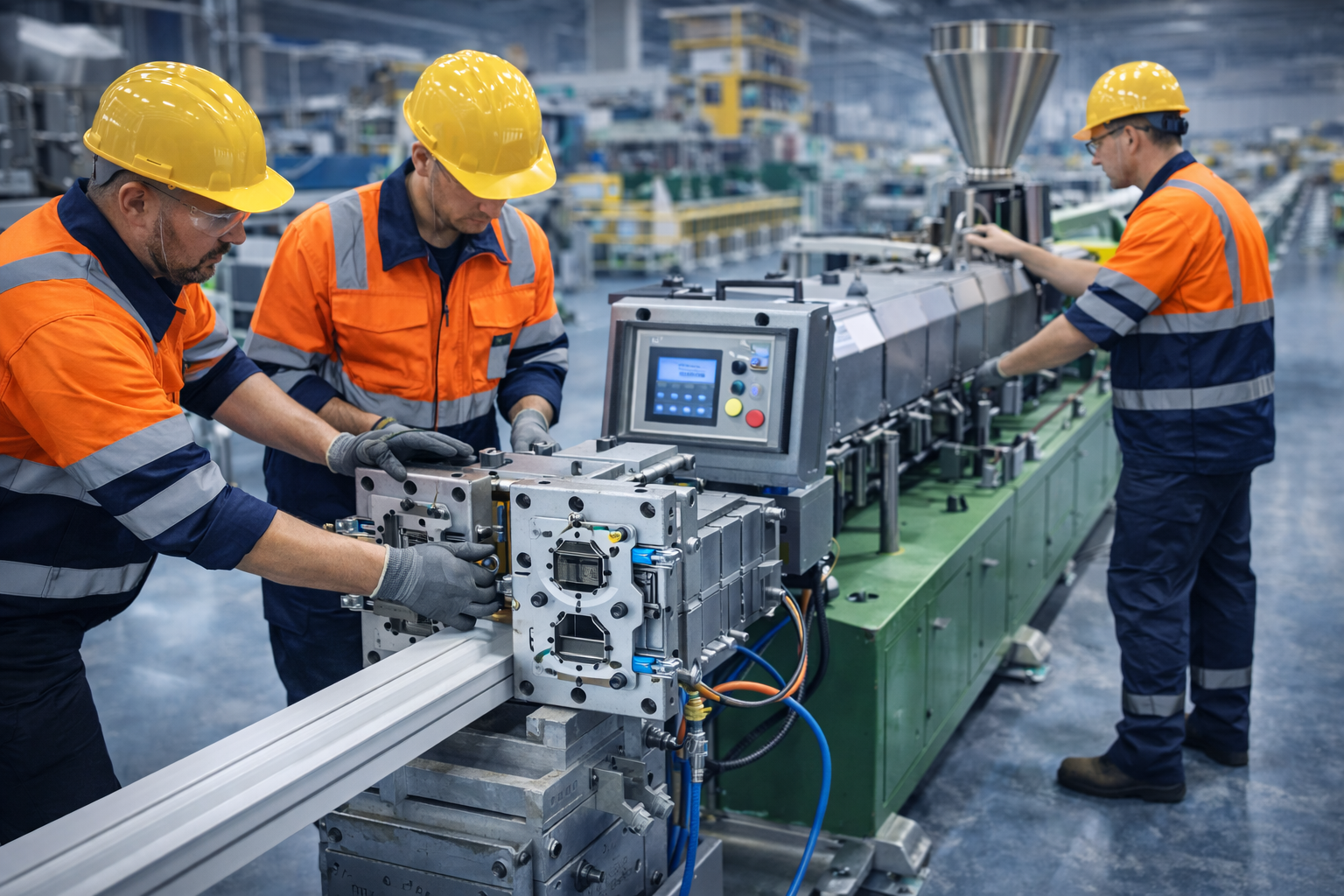
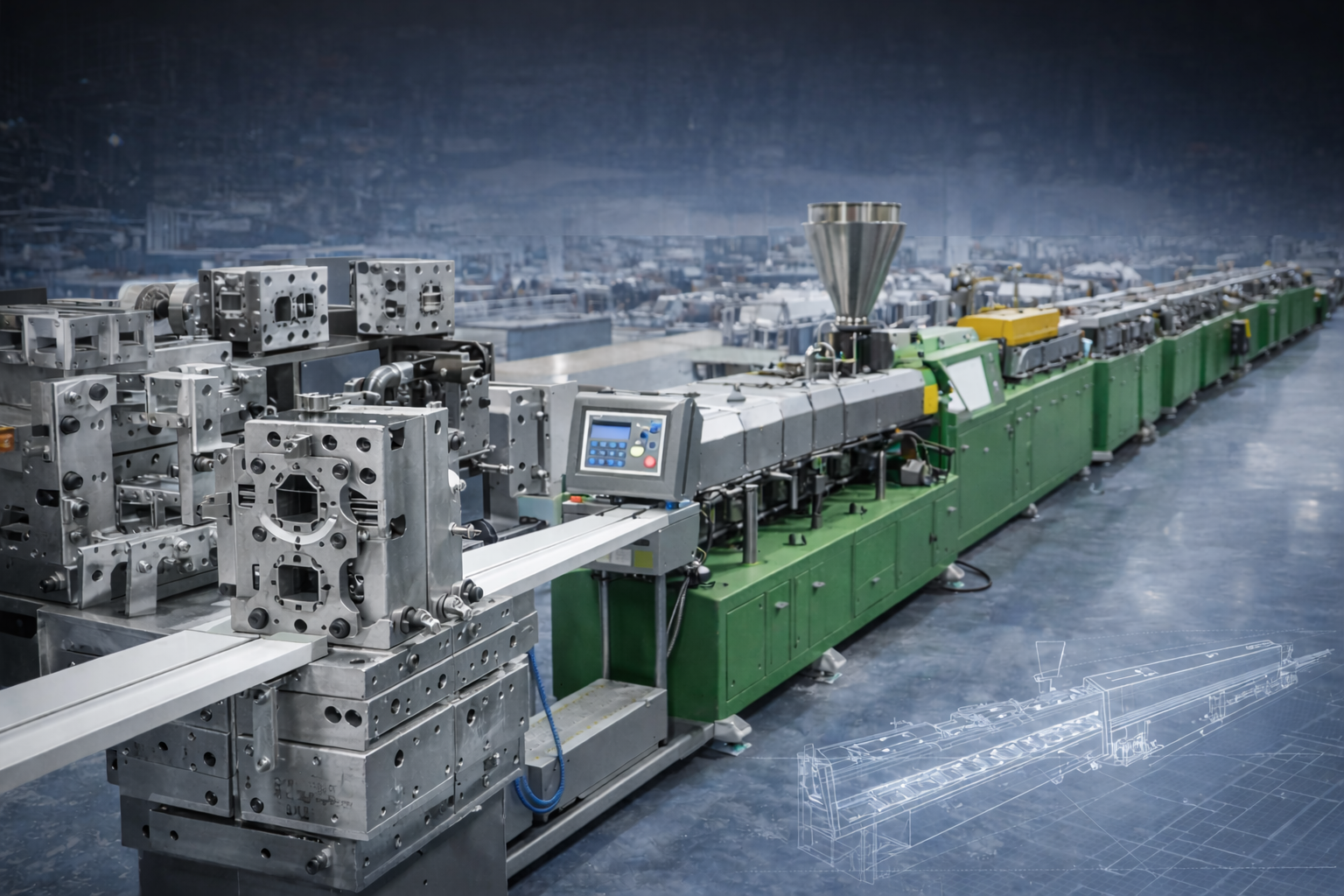
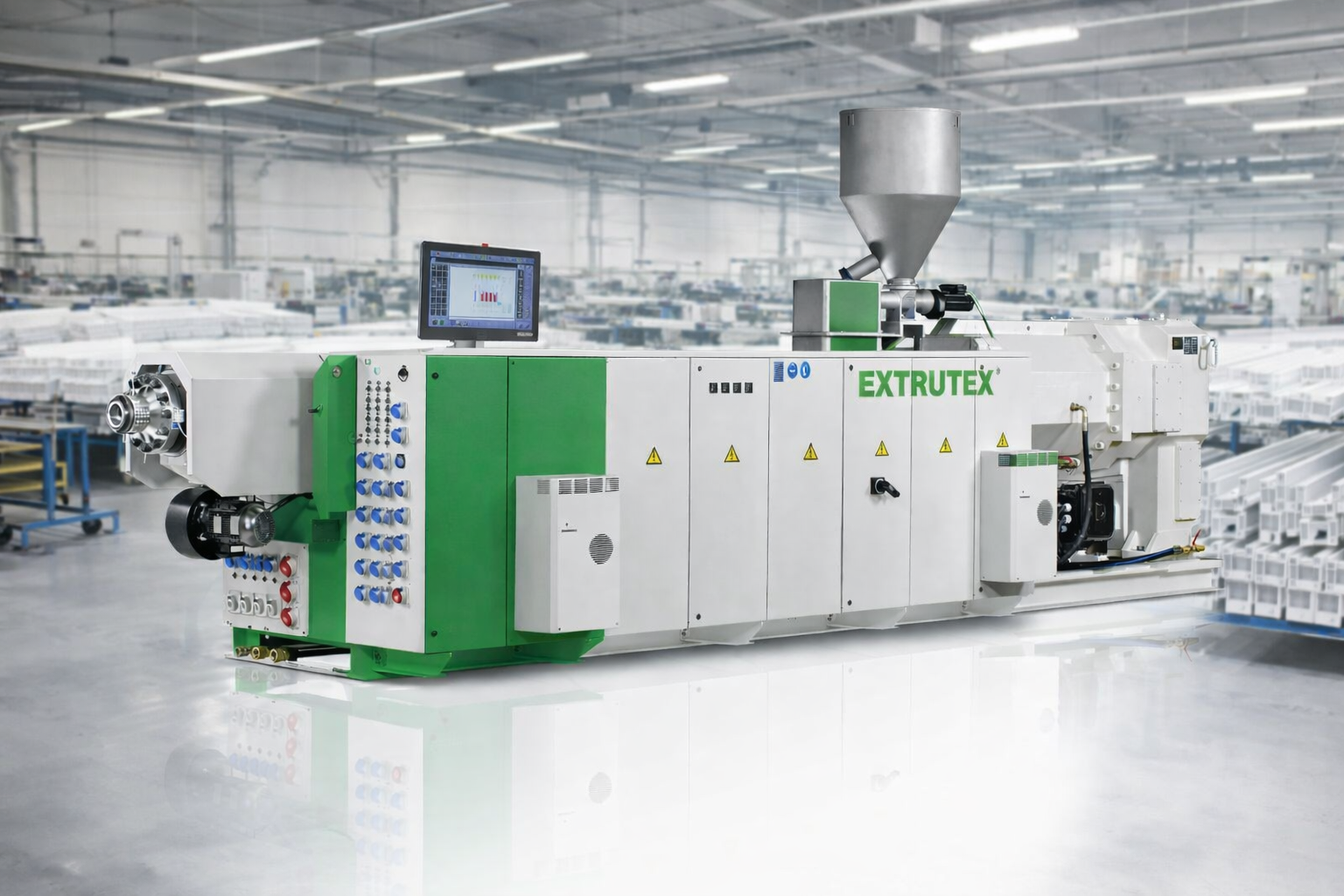
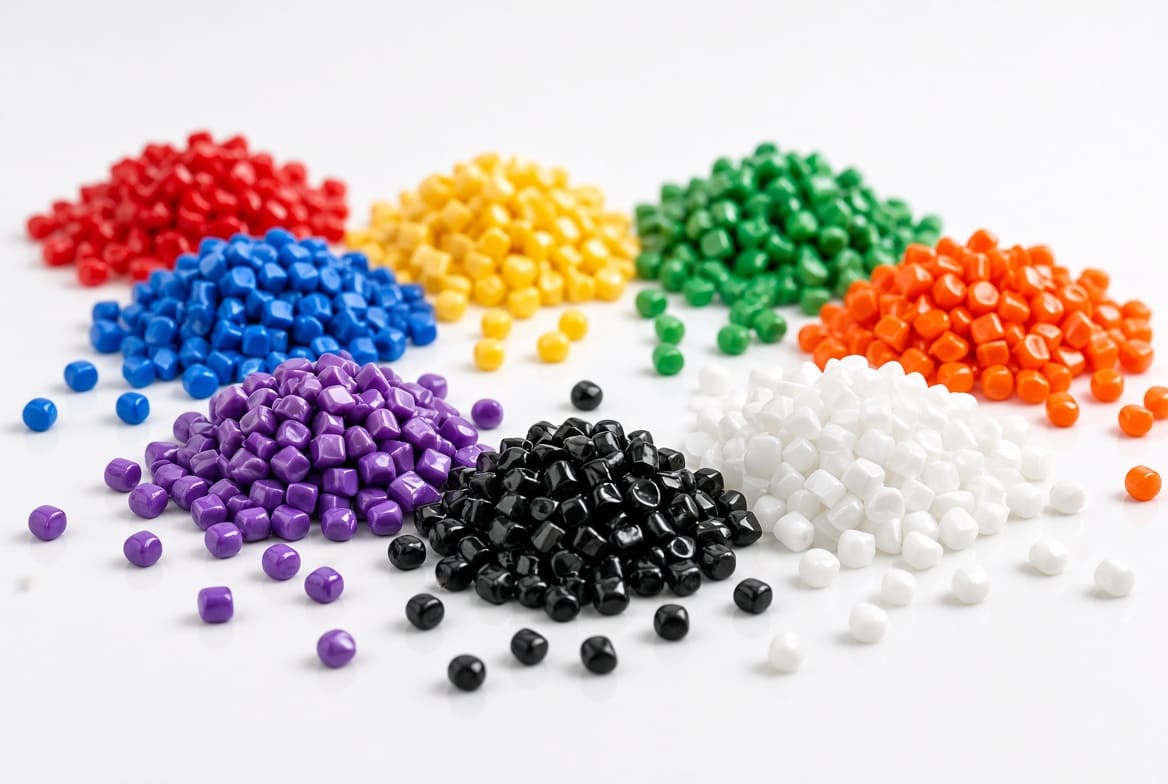
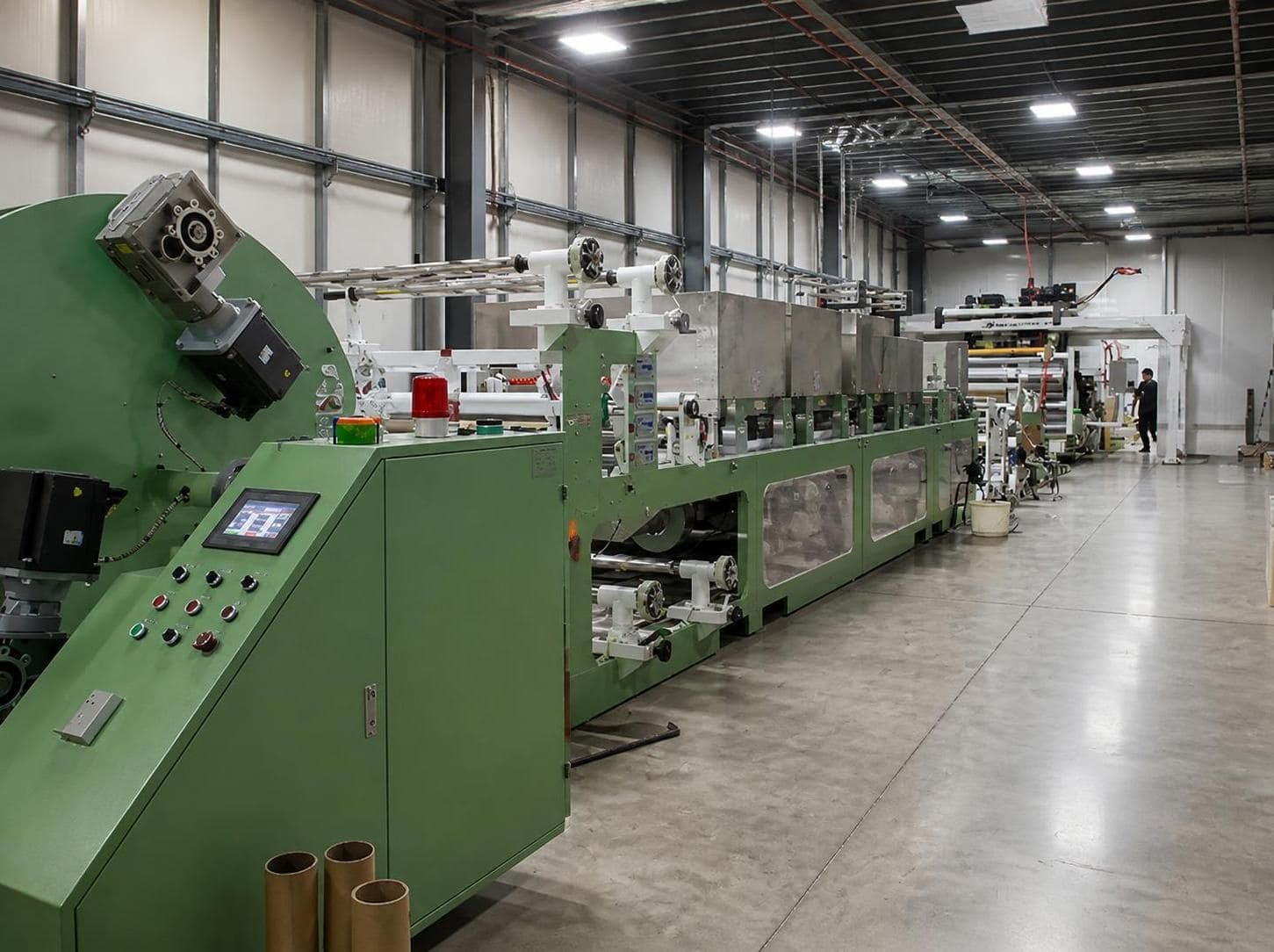
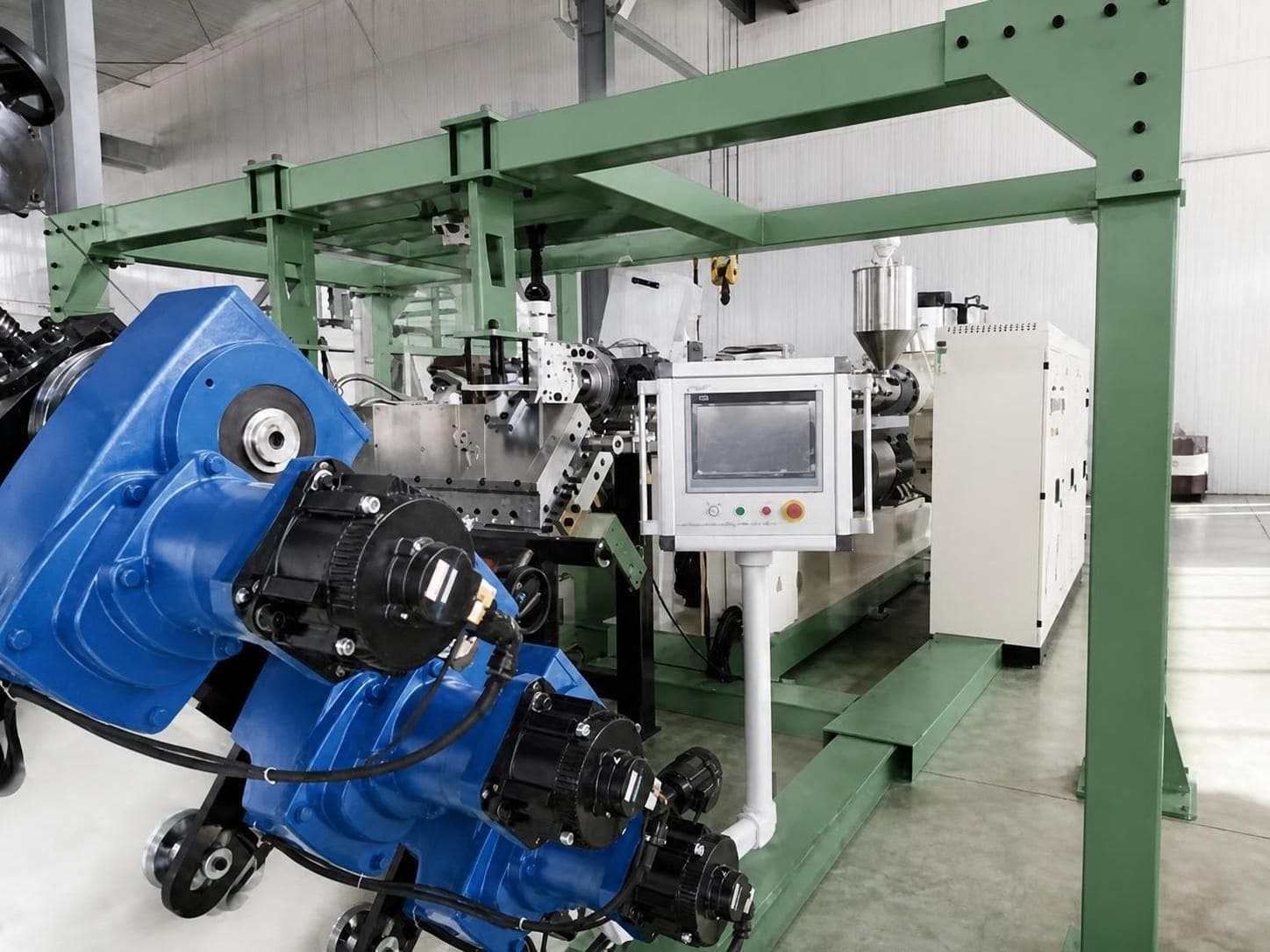
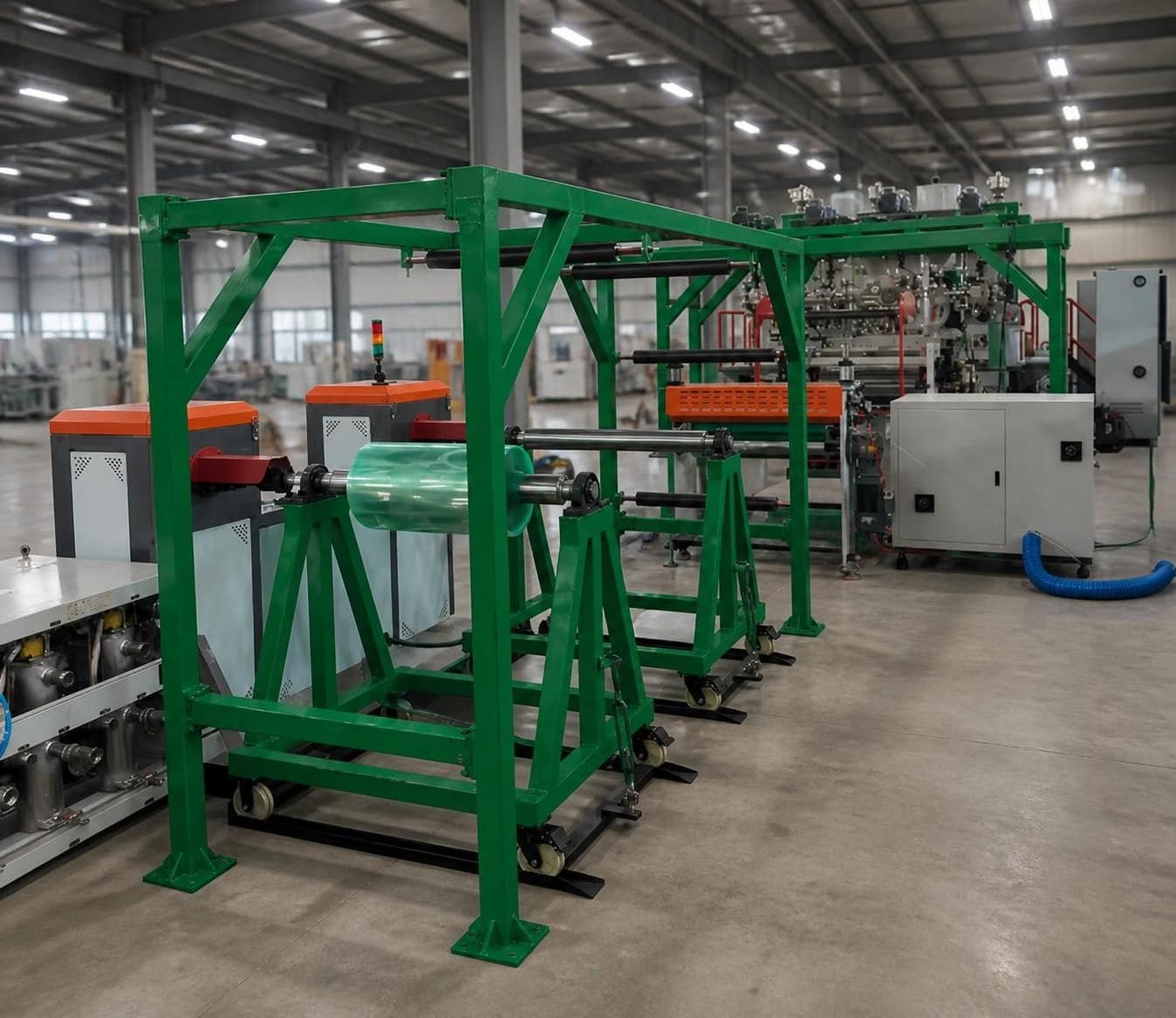
The EXTRUTEX Multilayer APET/PETG/CPET Sheet Extrusion Line is designed for the continuous production of polyester thermoplastic sheets used in food packaging, vacuum forming, medical packaging, electronics protection, stationery, industrial packaging, and other applications. The line can be configured for single-layer APET sheet, multilayer APET/PETG structures, and selected CPET sheet applications, depending on the product specification and required processing technology.
By combining a suitable extrusion system, precision sheet die, melt distribution components, forming and calibration rollers, cooling equipment, haul-off, and downstream cutting or winding systems, EXTRUTEX provides integrated solutions for manufacturers requiring stable output, consistent sheet thickness, and reliable production performance.
APET, PETG, and CPET are polyester-based materials with different thermal, mechanical, and processing characteristics. APET is widely used for transparent packaging and thermoforming sheet. PETG is valued for clarity, toughness, and forming performance in suitable grades. CPET is formulated and processed for applications requiring greater heat resistance than conventional APET, particularly selected ovenable food trays. Because their properties and processing requirements differ, the line configuration and operating conditions must be selected according to the intended resin grade and finished product.
EXTRUTEX combines Austrian design, laboratory, and R&D expertise with manufacturing in China. Equipment configurations can be developed around customer material specifications, product dimensions, output requirements, packaging applications, and factory conditions.
The EXTRUTEX APET/PETG/CPET sheet extrusion line converts polyester resin into a continuous flat sheet through controlled melting, mixing, melt distribution, forming, and cooling. The material is fed into the extruder, plasticized by the screw and barrel, and delivered to the sheet die under controlled processing conditions. The die distributes the melt across the required width, while the forming and calibration section establishes the sheet thickness and surface characteristics.
For multilayer production, two or more extruders can feed compatible materials into a multilayer die or feedblock system. This makes it possible to manufacture sheets with different layer structures according to the intended application. A multilayer structure may be used to combine different material properties, incorporate a functional layer, or optimize material usage, provided that the selected polymers are compatible and the equipment is designed for the specified structure.
After forming, the sheet passes through calibration and cooling equipment before entering the downstream section. Depending on the product format, the finished sheet can be trimmed, cut to length, stacked, or wound into rolls when its thickness and stiffness permit. The complete line is configured to coordinate extrusion output, die flow, roller speed, cooling capacity, and downstream handling.
APET refers to amorphous polyethylene terephthalate. It is commonly used for transparent packaging sheet because suitable grades can provide good clarity, surface appearance, and thermoforming performance. APET sheet is widely used for food containers, display packaging, blister packaging, stationery products, and protective packaging for consumer goods.
In sheet extrusion, the material must be processed under controlled conditions to maintain stable melt flow and the required optical and mechanical properties. Moisture control, resin handling, die design, sheet thickness, and cooling conditions can all influence the final product. The appropriate resin grade should be selected according to the intended packaging application and any applicable food-contact or regulatory requirements.
PETG is a glycol-modified polyester that is commonly selected for applications requiring transparency, toughness, and good forming characteristics. Depending on the grade, PETG can offer useful processing flexibility for packaging, display products, protective covers, and fabricated components.
PETG is often used where clarity and toughness are important. Its processing behavior differs from standard APET, so the extrusion temperature profile, screw design, die conditions, and cooling settings should be selected for the specific resin. For multilayer production, PETG can be combined with APET in a suitable structure when the materials, layer design, and processing conditions are compatible.
CPET generally refers to crystallized or crystallizable polyethylene terephthalate used in applications requiring higher temperature performance than conventional amorphous PET sheet. It is associated with selected ovenable food trays and other heat-resistant packaging applications. Its final performance depends on resin formulation, crystallization behavior, thermoforming conditions, and the finished product design.
CPET production may require a different processing and downstream arrangement from standard transparent APET sheet. The material, crystallization strategy, sheet structure, and intended thermoforming process should be reviewed before the machine configuration is finalized. Not every APET or PETG configuration can be used for CPET production without modifications.
APET and suitable PETG sheet grades are used to manufacture packaging products where transparency, appearance, and thermoforming performance are important. Typical applications include:
Material selection must consider the product's intended use, contact conditions, temperature exposure, and applicable food-contact regulations. The extrusion line itself does not establish that a finished package is food-contact compliant; the resin, additives, processing controls, and finished product must meet the relevant requirements.
Sheet produced by the EXTRUTEX line can be supplied for downstream vacuum forming or other suitable thermoforming processes. Depending on the resin grade and sheet specification, applications may include:
Thermoforming performance depends on thickness uniformity, material grade, sheet temperature, forming conditions, and mold design. Stable extrusion helps reduce thickness variation that could otherwise affect forming consistency and material distribution in the finished part.
Suitable polyester sheet can be used for packaging electronic components, industrial parts, and other products requiring a defined shape or protective enclosure. The exact sheet grade should be selected according to mechanical requirements, packaging design, and the conditions under which the product will be stored or transported.
Where electrical resistance, antistatic behavior, conductivity, or electromagnetic shielding is required, these functions must be achieved through an appropriate material formulation or additional processing. Standard APET or PETG sheet should not automatically be considered conductive, antistatic, or suitable for sensitive electronic packaging.
Transparent or colored polyester sheet can be converted into stationery and office products, including:
For products requiring printing, folding, punching, laminating, or other converting operations, the sheet surface and thickness should be selected to match the downstream process.
Selected polyester sheet grades can be used in medical and pharmaceutical packaging applications. Depending on the application, sheet may be converted into trays, blisters, protective compartments, or other formed packaging products.
Medical and pharmaceutical applications require careful selection of materials and validation of the complete packaging system. Resin suitability, cleanliness, barrier performance, sterilization compatibility, extractables and leachables, and applicable regulatory requirements must be assessed for the intended use. The extrusion line can be configured for the specified material, but it does not by itself certify the finished packaging for medical use.
CPET is used in selected food packaging applications where the finished container must tolerate higher temperatures than conventional APET packaging. Possible applications include ovenable meal trays and prepared-food containers designed for specified heating conditions.
The final heat resistance depends on the CPET formulation, crystallization level, sheet structure, thermoforming process, wall thickness, and finished-product design. The operating temperature and heating method must be verified for the finished tray rather than inferred from the material name alone.
The following table reproduces the key reference specifications supplied for the EXTRUTEX APET/PETG sheet extrusion line. Final equipment selection and production performance should be confirmed against the customer's material grades, sheet structure, and product requirements.
| Parameter | APET Single Layer | APET/PETG Multilayer |
|---|---|---|
| EXTRUTEX configuration category | Single-layer APET sheet line | Multilayer APET/PETG sheet line |
| Extruder specification | Φ120/33 | Φ120/33 + Φ65/33 |
| Product width | 500–1500 mm | 500–1200 mm |
| Product thickness | 0.20–1.5 mm | 0.20–1.5 mm |
| Maximum reference output | Up to approximately 450 kg/h | Up to approximately 500 kg/h |
| Main motor power | 132 kW | 132 kW + 45 kW |
| Design production speed | 20 m/min | 25 m/min |
Technical note: Maximum output and design speed are reference figures and may not be achieved simultaneously across every material, width, and thickness combination. Actual output depends on resin properties, layer ratio, sheet dimensions, die design, melt stability, cooling capacity, and required product quality. The listed multilayer configuration is specifically identified as APET/PETG; a CPET production configuration should be confirmed separately.
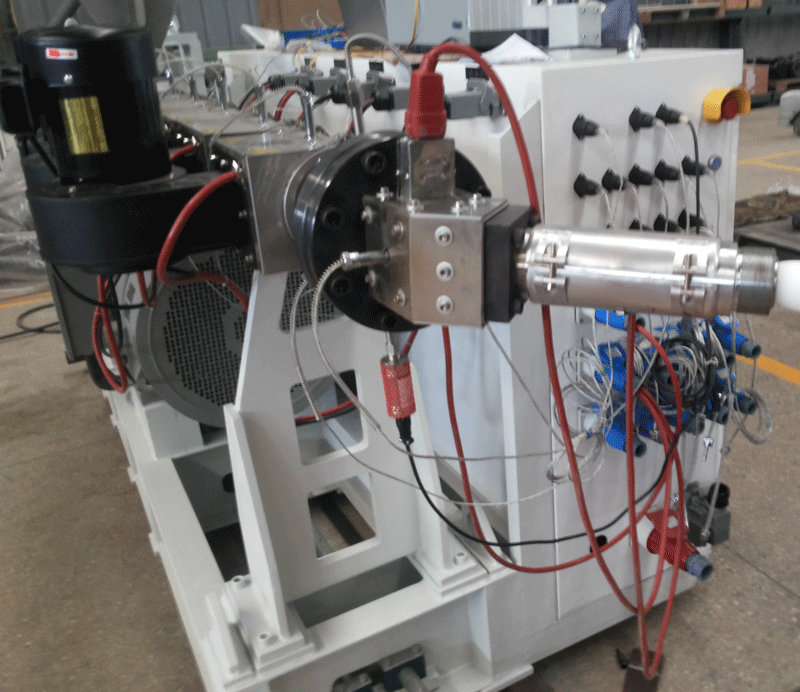
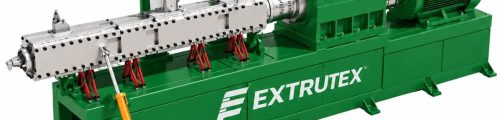
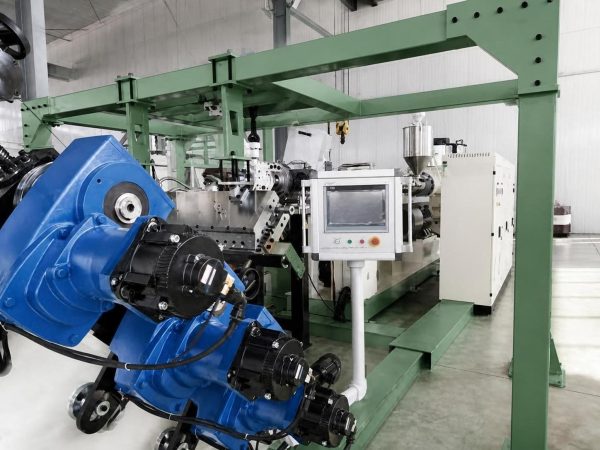
The extruder melts and homogenizes the resin before delivering the melt to the sheet die. A properly selected screw and barrel support stable feeding, controlled melting, effective mixing, and consistent output. The extruder must be matched to the polymer grade, target output, product width, thickness, and required quality.
The single-layer APET configuration uses one main extruder to process the selected resin and feed the sheet die. The reference configuration lists a Φ120/33 extruder, with a product width of 500–1500 mm and a thickness range of 0.20–1.5 mm.
Single-layer production is suitable when the product specification can be achieved using one material layer. Consistent feeding, melt temperature, die flow, and cooling are important for achieving stable thickness and surface quality.
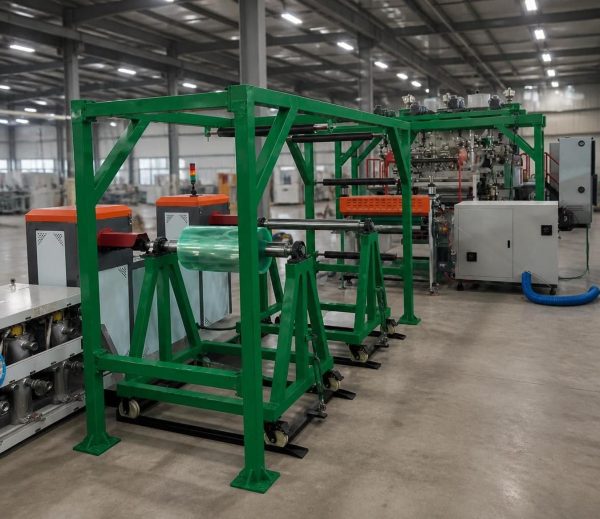
The reference APET/PETG multilayer configuration uses a Φ120/33 main extruder and a Φ65/33 secondary extruder. The two melt streams are combined through a suitable feedblock or multilayer die system to create the required layer structure.
Multilayer co-extrusion can support product designs that combine different material properties or place a selected resin in a specific layer. The layer arrangement and thickness ratio depend on the application, material compatibility, and die design. A multilayer configuration should be engineered as a complete system, including both extruders, melt channels, die, temperature controls, and downstream equipment.
Polyester resins may require controlled drying before extrusion. Moisture can cause hydrolytic degradation and lead to reduced molecular weight, unstable processing, or visible sheet defects. The drying system, storage arrangement, and conveying method should therefore follow the technical recommendations for the specific resin grade.
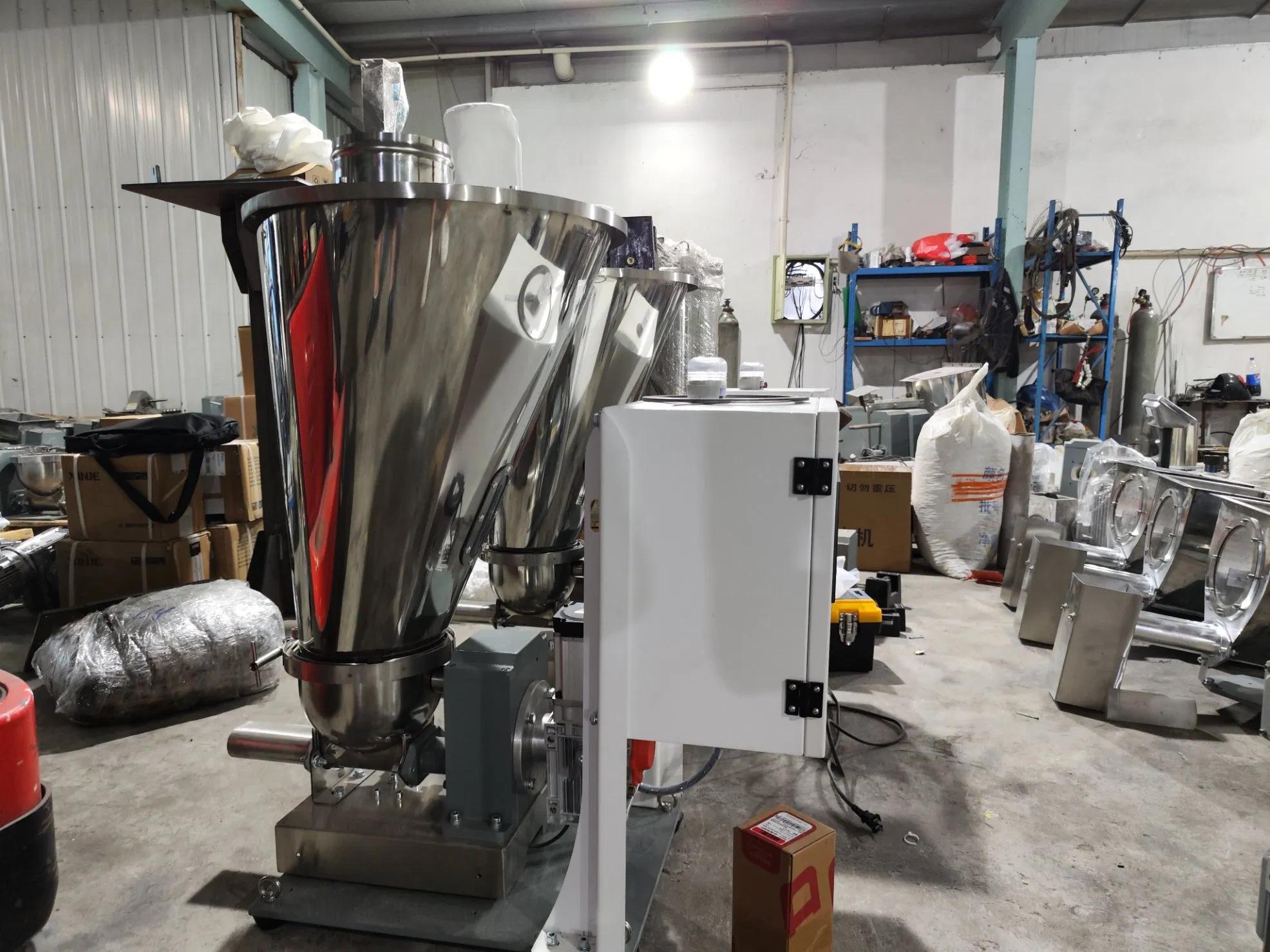
Depending on the material and production requirements, the line may include a dehumidifying dryer, hopper loader, insulated material hopper, dosing equipment, and controlled conveying system. Material preparation should be considered part of the complete extrusion solution rather than an optional afterthought.
The multilayer line can be designed for APET/PETG sheet structures where the selected grades are compatible and the product requirements justify using more than one layer. Layer structure is determined by the application, desired properties, material costs, forming behavior, and the capabilities of the selected co-extrusion system.
A suitable feedblock or multilayer die combines the melt streams and distributes them across the sheet width. Stable melt pressure, temperature, viscosity, and output from each extruder help maintain consistent layer distribution. The die design must be matched to the material combination and target layer ratio.
The relative output of each extruder influences the thickness of its corresponding layer. For example, changing the secondary extruder's output relative to the main extruder changes the proportion of the secondary material in the overall sheet, subject to the die design and material behavior.
Layer ratio should be established through process trials and verified against the product specification. The correct ratio depends on the functional purpose of each layer and the required mechanical, optical, and forming properties.
Successful co-extrusion requires compatible processing temperatures, melt behavior, and interlayer adhesion. Not every combination of polyester grades is automatically suitable for co-extrusion. Resin suppliers' data and practical processing trials should be used to confirm compatibility before production.
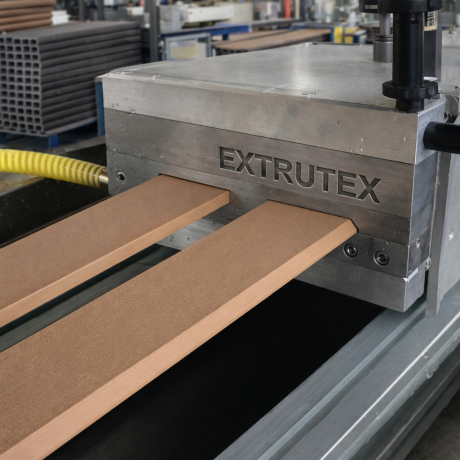
The sheet die distributes the molten polymer across the working width and forms the continuous sheet. Its flow channel, die lip, and heating zones are selected according to the material, sheet dimensions, and required production rate.
Uniform melt distribution is important for consistent sheet thickness. A suitable die design helps balance flow from the center to the edges, while die-lip adjustment can be used to correct cross-web thickness variation within the limits of the equipment.
After leaving the die, the sheet enters the forming and calibration section. Roller gap, alignment, surface condition, and temperature influence sheet thickness, flatness, and surface appearance. These parameters must be coordinated with the extruder output and haul-off speed.
Cooling removes heat from the sheet and stabilizes its dimensions. The cooling arrangement should be designed around the polymer, sheet thickness, line speed, and required surface quality. Stable cooling helps reduce dimensional variation and supports consistent downstream handling.
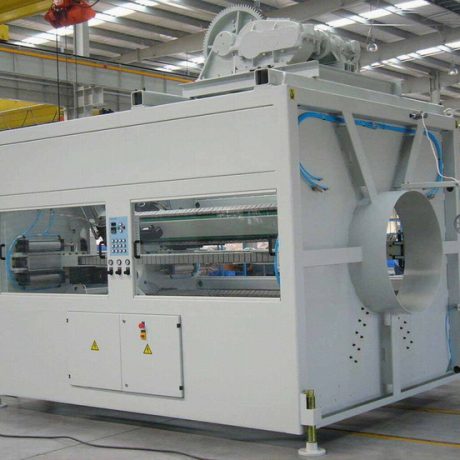
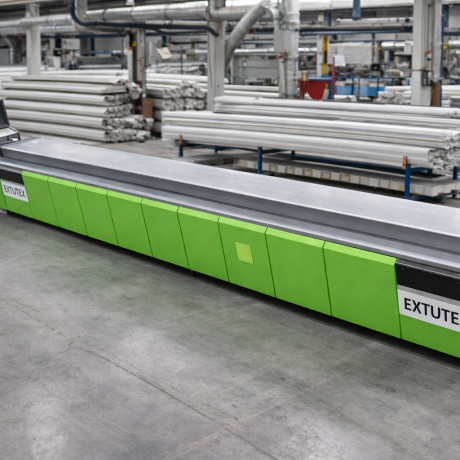
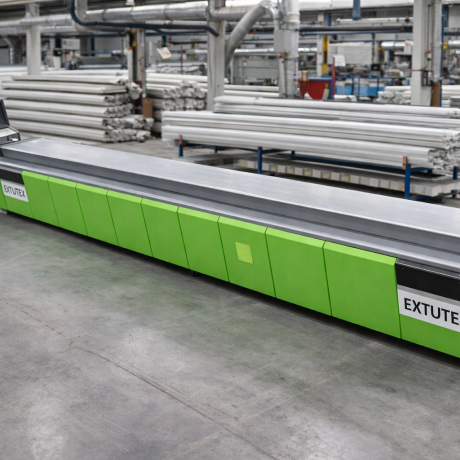
The downstream system is configured according to the finished sheet format and factory requirements. It may include edge trimming, haul-off, sheet cutting, stacking, winding, protective-film application, and conveying equipment.
The haul-off system maintains stable sheet movement after forming and cooling. Its speed must be coordinated with the extrusion output and calibration section to reduce stretching, accumulation, and thickness variation.
Edge trimming removes irregular sheet edges and establishes the required finished width. The trimming system should be suitable for the sheet thickness and material and should allow safe access for routine inspection and maintenance.
A precision cutter can divide the continuous sheet into specified lengths. An automatic stacking unit may be used to collect the finished sheets in a consistent arrangement. The appropriate cutting and stacking configuration depends on sheet dimensions, weight, required batch size, and handling method.
Where the sheet is sufficiently thin and flexible for roll handling, a winding system may be considered. For products requiring scratch protection, a protective-film laminating unit can be integrated into the downstream section. Film type, adhesion, tension, and surface compatibility should be confirmed for the finished product.
Consistent sheet quality depends on material preparation, extrusion stability, die performance, layer distribution where applicable, calibration, cooling, and downstream handling. Quality checks should be established according to the intended product and customer specification.
| Issue | Possible causes | Recommended checks |
|---|---|---|
| Uneven sheet thickness | Die-flow imbalance, unstable output, roller misalignment, or speed variation | Check die-lip settings, melt stability, roller alignment, and haul-off speed |
| Bubbles or voids | Moisture, contamination, or unsuitable processing conditions | Review resin drying, storage, cleanliness, and temperature settings |
| Surface streaks | Contamination, die deposits, degradation, or poor melt mixing | Inspect material condition, die cleanliness, and processing settings |
| Layer variation | Unstable extruder output, material-viscosity differences, or feedblock issues | Review each extruder's output, melt temperatures, and layer distribution |
| Warpage or curling | Uneven cooling, residual stress, or unsuitable process settings | Check cooling balance, roller temperatures, and line speed |
| Inconsistent forming performance | Thickness variation, unsuitable resin grade, or inconsistent sheet temperature | Review material specifications, sheet uniformity, and thermoforming conditions |
EXTRUTEX can review the required material, sheet dimensions, output, and finished-product application to determine a suitable configuration. Customization options may include:
Before confirming a configuration, customers should provide the material grade, required layer structure, sheet width, thickness range, output target, thermoforming requirements, and finished-product quality standards. These details help determine the appropriate extrusion and downstream equipment.
Correct installation and commissioning help establish stable operation. The factory should prepare suitable electrical power, cooling utilities, material storage, floor space, ventilation, and safe access for operation and maintenance according to the final machine layout.
Regular maintenance should cover the screw and barrel, heaters, sensors, drives, adapter, die, rollers, cooling system, cutter, stacker, and control system. Maintenance intervals depend on production hours, resin type, additives, and operating conditions. Servicing should follow the machine documentation and appropriate isolation procedures.
EXTRUTEX develops extrusion equipment solutions for manufacturers that require stable production and consistent product quality. Austrian design, laboratory, and R&D expertise supports equipment development, while manufacturing in China supports the production of industrial machinery and integrated lines.
For APET, PETG, and CPET sheet applications, successful production depends on selecting the correct material, extrusion system, die, calibration and cooling equipment, and downstream arrangement. EXTRUTEX can work with customers to match the equipment configuration to their product requirements and factory conditions.
The reference configurations cover single-layer APET and multilayer APET/PETG. CPET production should be reviewed separately because the processing and downstream requirements may differ. PS, PP, PE, and other compatible materials may be considered after technical evaluation.
The supplied reference configurations specify 0.20–1.5 mm. Other thickness ranges require confirmation of the extruder, die, calibration system, cooling capacity, and material requirements.
The supplied figures are up to approximately 450 kg/h for the single-layer APET configuration and up to approximately 500 kg/h for the multilayer APET/PETG configuration. Actual production depends on the material, sheet dimensions, layer ratio, and required quality.
Yes. The reference multilayer configuration uses a Φ120/33 main extruder and a Φ65/33 secondary extruder. A suitable feedblock or multilayer die is required to combine the melt streams and establish the specified layer structure.
Suitable APET, PETG, or CPET grades can be used in selected food packaging applications. The resin, additives, processing conditions, and finished packaging must meet the applicable food-contact and performance requirements.
This should not be assumed. CPET production can require a different material-specific configuration and process strategy. The intended CPET grade and finished tray requirements should be reviewed before selecting the equipment.
Provide the resin grade, single-layer or multilayer structure, sheet width, thickness, target output, intended application, thermoforming requirements, and quality standards. EXTRUTEX can use this information to evaluate a suitable line configuration.
The EXTRUTEX Multilayer APET/PETG/CPET Sheet Extrusion Line is designed for manufacturers producing polyester sheets for packaging, thermoforming, industrial protection, stationery, and selected medical or heat-resistant applications. With a suitable extrusion system, precision sheet die, calibration and cooling equipment, and coordinated downstream machinery, the line can be configured for stable production across a range of sheet specifications.
Contact EXTRUTEX with your resin grade, layer structure, sheet width, thickness, output target, and finished-product requirements to discuss a suitable extrusion line configuration.
There are no reviews yet.
By submitting your email, you agree to our company’s terms and conditions.
We are not looking to sell; we are here to provide you with the best support and service.
Contact available 24/7
Please do not contact us for advertising or sales inquiries
All rights of this website are reserved for EXTRUTEX Austria and its partner companies, © 2026
-
(0 customer reviews)