No products in the cart.


All rights of this website are reserved for EXTRUTEX Austria and its partner companies, © 2026

Multiple Payment Methods

Discount for advance payments over 50%

Free Shipping Coordination Services
Payment methods:

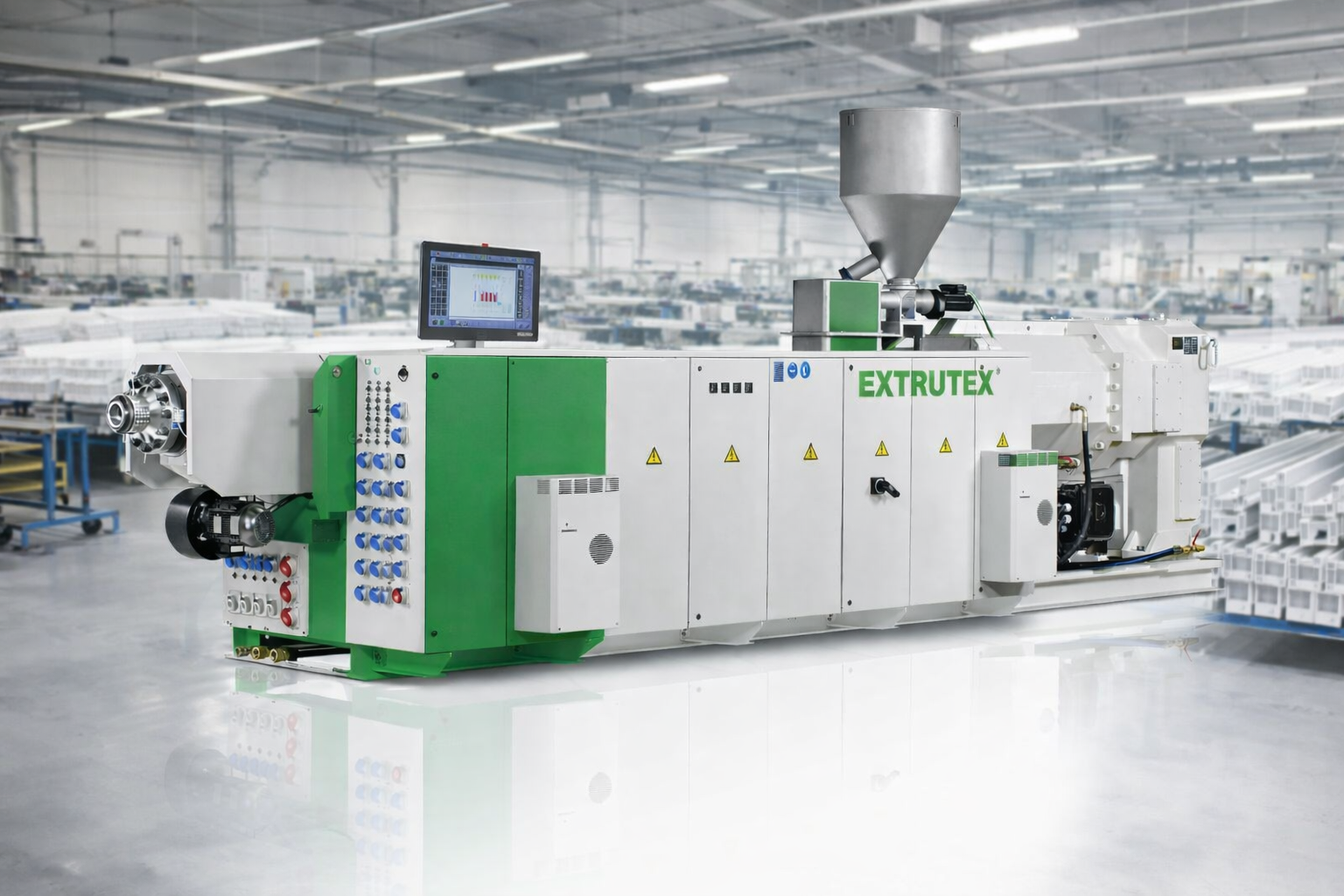
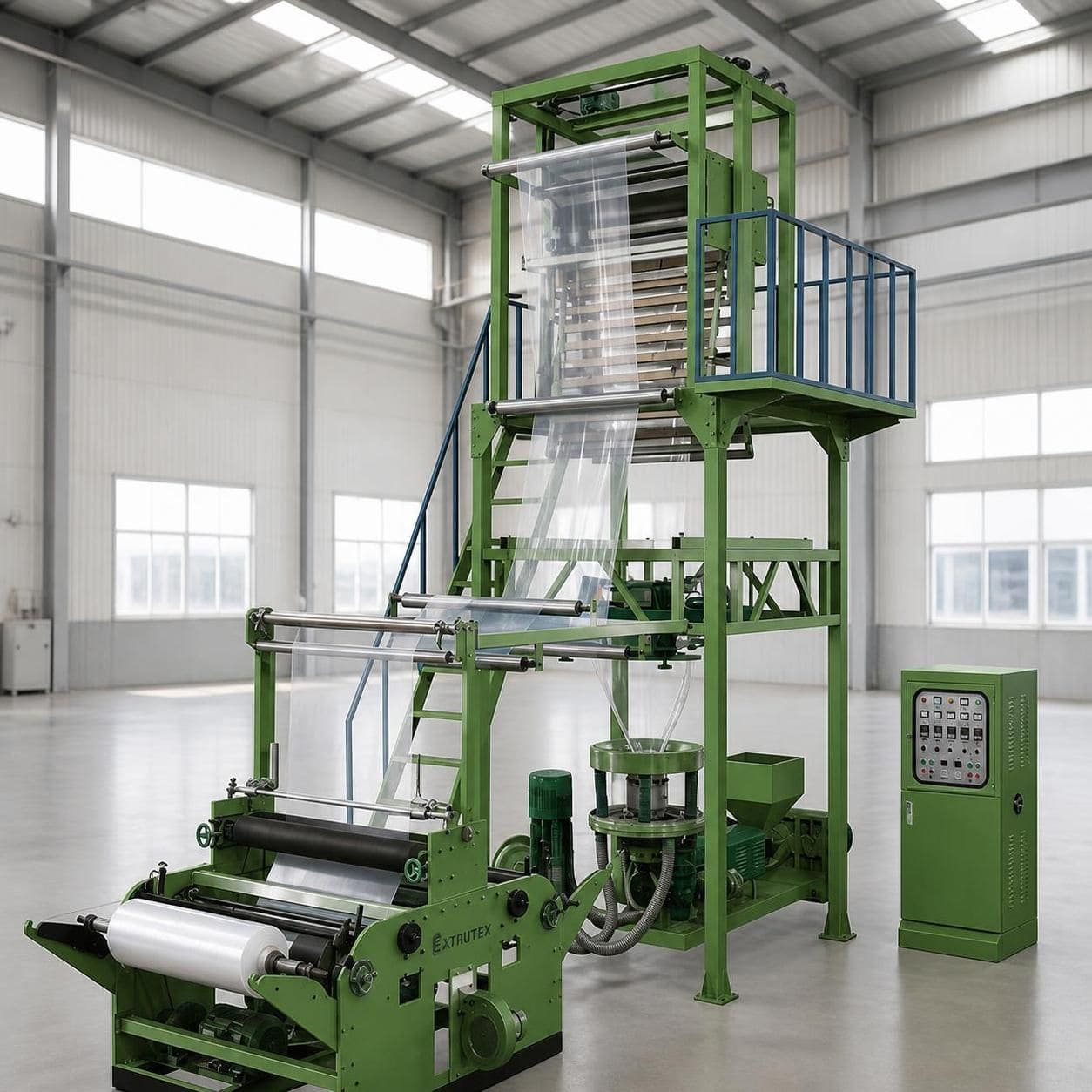
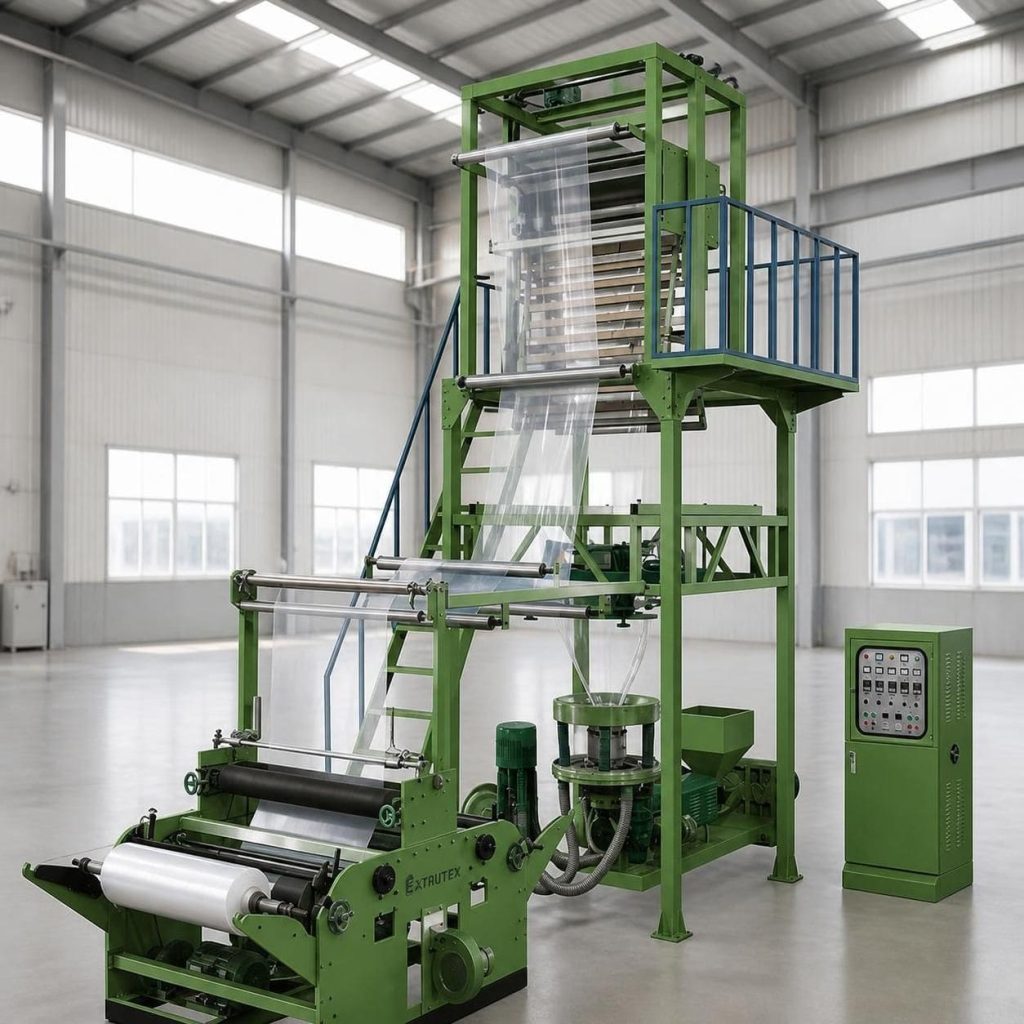
The EXTRUTEX EX-HS Series HDPE / LDPE Blown Film Line is designed for manufacturers seeking efficient, stable, and high-output production of polyethylene film. Featuring a specialized screw design and a configuration developed for monolayer blown film extrusion, the EX-HS Series provides a practical solution for producing thin plastic film used in shopping bags, T-shirt bags, and other flexible packaging applications.
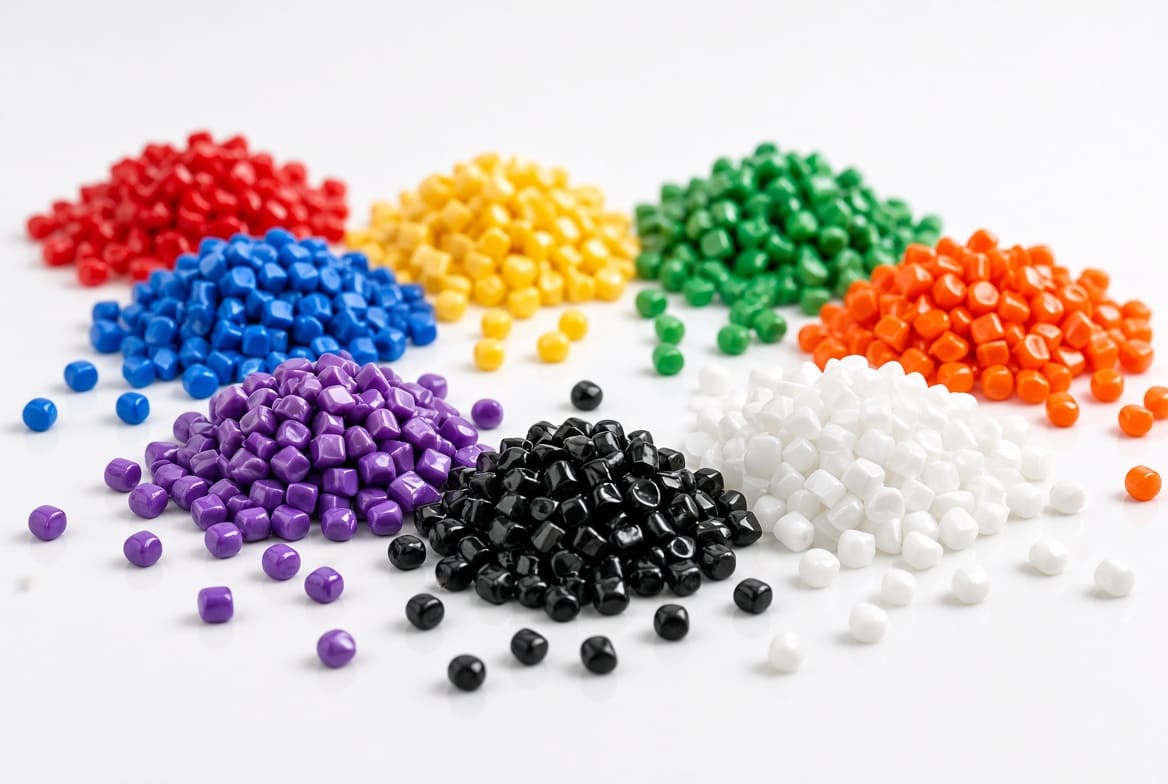
Polyethylene blown film is widely used in packaging because it combines low weight, flexibility, processability, and adaptable mechanical properties. Depending on the selected polymer grade and processing conditions, the EX-HS Series can be configured to process LDPE, LLDPE, MDPE, and HDPE materials within the capabilities of the selected machine.
The EX-HS range includes five reference models with screw diameters from 50 mm to 80 mm, film layflat widths from 800 mm to 1,600 mm, and stated extrusion capacities from 90 kg/h to 220 kg/h. This range allows manufacturers to evaluate equipment according to their target film dimensions, production volume, and investment requirements.
Monolayer blown film extrusion is a continuous process in which polymer granules are melted and conveyed through an extruder before passing through a circular film die. Air introduced into the molten tube expands it into a bubble. The film is cooled, drawn upward, collapsed into a flat tube, and wound into rolls for storage or conversion into finished products.
Unlike multilayer co-extrusion systems, a monolayer line produces film from one primary melt stream. This makes it suitable for manufacturers whose products can meet their performance requirements using a single material formulation.
The EXTRUTEX EX-HS Series is designed for polyethylene film production where stable extrusion, appropriate screw performance, and consistent downstream handling are important. Correct material selection and process adjustment help manufacturers achieve the desired film width, thickness, appearance, and mechanical properties.
The EX-HS Series is specified for processing suitable grades of LDPE, LLDPE, MDPE, and HDPE. Each polyethylene type offers different processing and finished-film characteristics.
LDPE is widely used in flexible packaging because of its flexibility, processability, and sealing characteristics. It is commonly selected for film products that require softness and easy handling. Actual film performance depends on the resin grade, thickness, and processing conditions.
LLDPE is often used where toughness, puncture resistance, and tensile performance are important. It may be processed as the principal resin or incorporated into suitable polyethylene blends. The recommended formulation depends on the target bag strength, film thickness, and processing window.
MDPE offers a balance of mechanical and processing characteristics that can be useful in selected film applications. Suitability depends on the specific resin grade and the product's required stiffness, flexibility, and durability.
HDPE is commonly selected for thin, relatively stiff films, including many shopping and T-shirt bag applications. Properly processed HDPE film can provide useful strength at low thicknesses, although film behavior depends on the grade, orientation, thickness uniformity, and production settings.
Not every polyethylene grade performs identically in every extrusion configuration. Before production, the selected resin should be checked against the machine specification and the intended film product.
The following table presents the supplied reference specifications for the EXTRUTEX EX-HS Series HDPE / LDPE Blown Film Line.
| Model | Applicable Materials | Screw Diameter (mm) | Film Layflat Width (mm) | Film Thickness (mm) | Extrusion Capacity (kg/h) |
|---|---|---|---|---|---|
| EX-HS50 | LDPE / LLDPE / MDPE / HDPE | 50 | 800 | 0.008–0.08 | 90 |
| EX-HS55 | LDPE / LLDPE / MDPE / HDPE | 55 | 1,000 | 0.008–0.08 | 120 |
| EX-HS65 | LDPE / LLDPE / MDPE / HDPE | 65 | 1,200 | 0.008–0.08 | 150 |
| EX-HS70 | LDPE / LLDPE / MDPE / HDPE | 70 | 1,400 | 0.008–0.08 | 175 |
| EX-HS80 | LDPE / LLDPE / MDPE / HDPE | 80 | 1,600 | 0.008–0.08 | 220 |
Technical note: Capacities and film dimensions are reference values supplied for the EX-HS Series. Actual output depends on resin grade, film width and thickness, cooling conditions, screw configuration, and operating parameters. The minimum achievable thickness and maximum output may not be attainable simultaneously for every material or product. Confirm the required operating conditions with EXTRUTEX before ordering.
The screw is a key component in blown film extrusion. It conveys polymer granules, melts the material, mixes the melt, and develops the pressure needed to deliver a stable flow to the film die.
The EX-HS Series features a specialized screw design intended to support efficient processing of suitable polyethylene materials. Screw geometry must be matched to the polymer's melt characteristics, target output, and operating temperature range.
Stable melting and conveying are important for maintaining consistent film thickness and reducing process variation. In practical production, screw performance also depends on resin quality, feeding consistency, heater control, die condition, and the operating settings selected by the production team.
When choosing a line, manufacturers should consider the primary resin grade and whether they plan to process blends. Material changes can affect melt pressure, output, bubble stability, and film properties, so any alternative formulation should be validated before routine production.
The EX-HS Series reference thickness range is 0.008–0.08 mm. Thin-film production requires coordinated control of melt output, die conditions, bubble inflation, cooling, haul-off speed, and winding tension.
Film thickness is influenced by several interacting factors:
Manufacturers should define their acceptable thickness tolerance and film-width requirements before commissioning. Samples should be inspected across the film width and throughout the production run to establish whether the line meets the required specification.
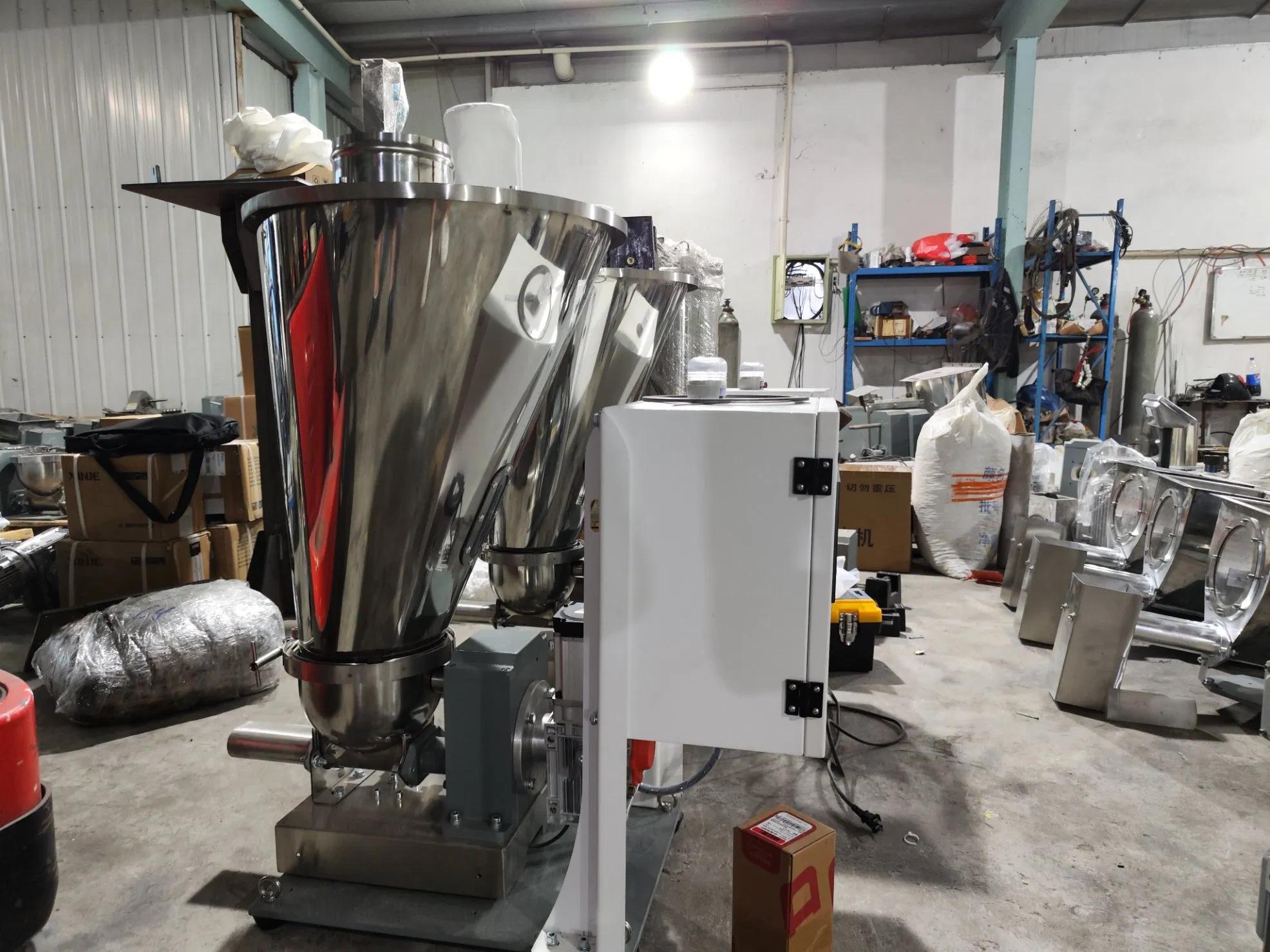
The feeding system supplies polyethylene granules to the extruder. Depending on the configuration, material handling can include a hopper, loader, and optional dosing or blending equipment. Consistent feeding helps maintain stable extrusion output.
The extruder melts and conveys the polymer under controlled conditions. The screw, barrel, heating system, gearbox, and drive motor must be appropriately matched to the model and the intended material.
The circular die forms the molten polymer into a tubular film. Die selection and setup influence melt distribution, film dimensions, and the stability of the bubble. The die must be matched to the target width, thickness, material, and throughput.
The cooling system removes heat from the expanding film bubble. Appropriate air distribution supports stable bubble formation and helps maintain production speed and film quality.
The bubble stabilization and collapsing components guide the film as it cools and transitions from a tubular shape into a flat tube. Proper alignment can help reduce wrinkles and improve the consistency of the finished roll.
The haul-off draws the film through the downstream equipment at a controlled speed. Synchronization between the extruder and haul-off helps maintain stable film dimensions.
The winding system collects the finished film into rolls for storage or conversion. Winding parameters should be adjusted to suit the film thickness, width, roll diameter, and intended bag-making process.
One of the principal applications of the EXTRUTEX EX-HS Series is producing polyethylene film for T-shirt bags. These bags are widely used in retail, supermarkets, convenience stores, and other distribution environments.
T-shirt bag film must balance low material consumption with suitable load-bearing performance, handle strength, tear resistance, and sealing quality. HDPE is commonly used for lightweight T-shirt bags, while LDPE and LLDPE may be selected or blended where different flexibility or toughness characteristics are required.
The correct resin formulation and film thickness depend on bag dimensions, intended load, handle design, manufacturing method, and local requirements. Film quality should be assessed using representative bag-making trials rather than relying on nominal thickness alone.
Subject to the selected resin grade and product specifications, monolayer polyethylene film can also be considered for compatible applications such as:
These are potential applications of suitable polyethylene film, not a guarantee that every formulation or machine setup will meet every product requirement.
The EX-HS Series offers reference capacities from 90 kg/h to 220 kg/h. Selecting a model based on actual production demand helps balance output, investment, operating costs, and product requirements.
The listed models cover layflat widths from 800 mm to 1,600 mm. The appropriate width depends on the bag size, cutting layout, and downstream converting process.
For products that do not require a multilayer structure, monolayer extrusion provides a straightforward manufacturing process. It avoids the need to coordinate multiple polymer melt streams and can simplify material management.
The ability to process suitable grades of LDPE, LLDPE, MDPE, and HDPE provides options for manufacturers serving different film markets. The chosen grade must remain compatible with the screw design, die, and required film properties.
Extrusion, bubble cooling, haul-off, collapsing, and winding must operate as a coordinated system. Properly matched equipment helps support stable production and consistent roll quality.
Quality control should cover both the incoming material and the finished film. Routine inspection helps operators identify process variation and reduce avoidable waste.
Finished film can be evaluated for thickness, width, tensile properties, elongation, tear resistance, appearance, and sealing performance according to the product's requirements. For T-shirt bags, finished-bag tests under representative loading conditions can provide additional evidence of suitability.
Before installation, the factory should prepare the required floor space, electrical supply, ventilation, material storage, and cooling utilities specified for the selected line. Adequate access should be provided for operation, cleaning, and maintenance.
During commissioning, the operating team should verify the extruder drive, temperature-control system, die heating, cooling-air supply, bubble stability, haul-off synchronization, and winding operation. Initial trials should use the intended polyethylene grade and target film dimensions.
Routine maintenance should include inspection of the screw and barrel, heaters, thermocouples, gearbox, die surfaces, air ring, rollers, belts, and winding components. Cleaning and material changes should follow the equipment's approved procedures.
Operators should receive training in safe start-up and shutdown, hot-polymer handling, rotating machinery safety, process monitoring, and troubleshooting. Maintenance schedules should follow the equipment documentation and actual operating conditions.
Before selecting a model, manufacturers should establish the following project requirements:
Providing a sample of the intended film or finished bag, together with raw material details and target output, can help EXTRUTEX assess the appropriate configuration.
The supplied specifications list LDPE, LLDPE, MDPE, and HDPE. The suitability of a particular grade depends on its processing characteristics and the intended film product.
The supplied reference range starts at 0.008 mm. The minimum achievable thickness depends on resin grade, film width, line speed, cooling, and process stability. Confirm the required thickness with EXTRUTEX for your intended product.
Model selection depends on the required film width, thickness, production volume, and material. The EX-HS50 through EX-HS80 models provide different reference capacities and layflat widths.
No. Rated extrusion capacity is a reference value. Actual saleable output depends on the material, film dimensions, process settings, startup waste, and production conditions.
The series lists four polyethylene families. Any change of grade or formulation should be checked for processing compatibility and validated through production trials.
The EXTRUTEX EX-HS Series provides a monolayer blown film solution for manufacturers seeking high-output polyethylene film production for T-shirt bags and compatible flexible packaging applications.
Contact EXTRUTEX with your required film width, thickness, material grade, production capacity, and finished product details. Our team can help assess the appropriate EX-HS model and production configuration for your project.
EXTRUTEX – Efficient Blown Film Extrusion Solutions for Polyethylene Packaging.
There are no reviews yet.
By submitting your email, you agree to our company’s terms and conditions.
We are not looking to sell; we are here to provide you with the best support and service.
Contact available 24/7
Please do not contact us for advertising or sales inquiries
All rights of this website are reserved for EXTRUTEX Austria and its partner companies, © 2026
-
(0 customer reviews)