No products in the cart.



All rights of this website are reserved for EXTRUTEX Austria and its partner companies, © 2026


Multiple Payment Methods

Discount for advance payments over 50%

Free Shipping Coordination Services
Payment methods:


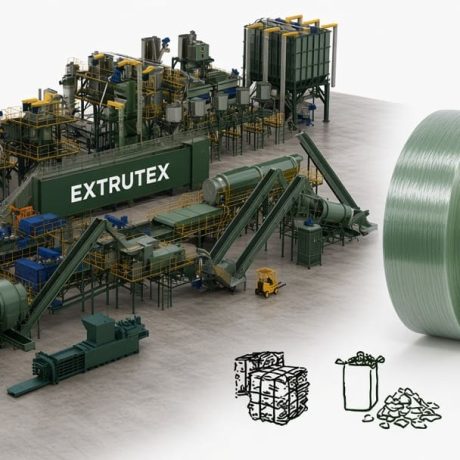
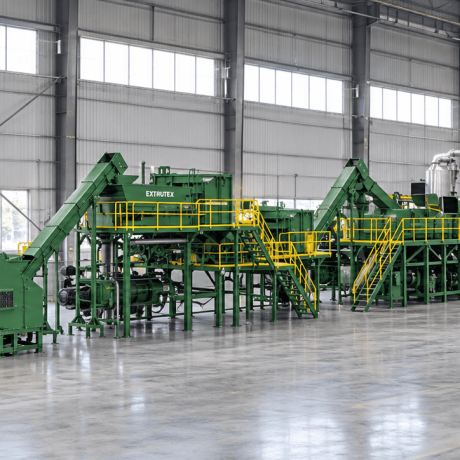
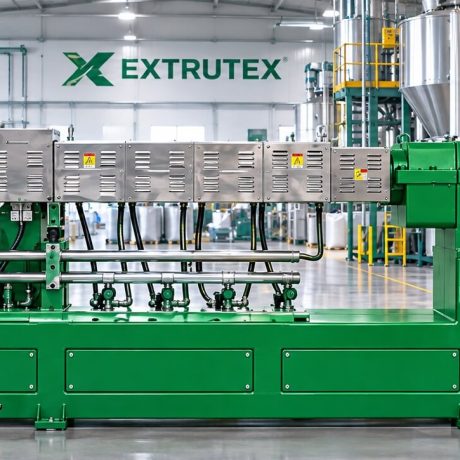
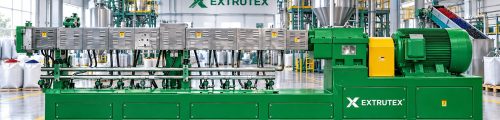
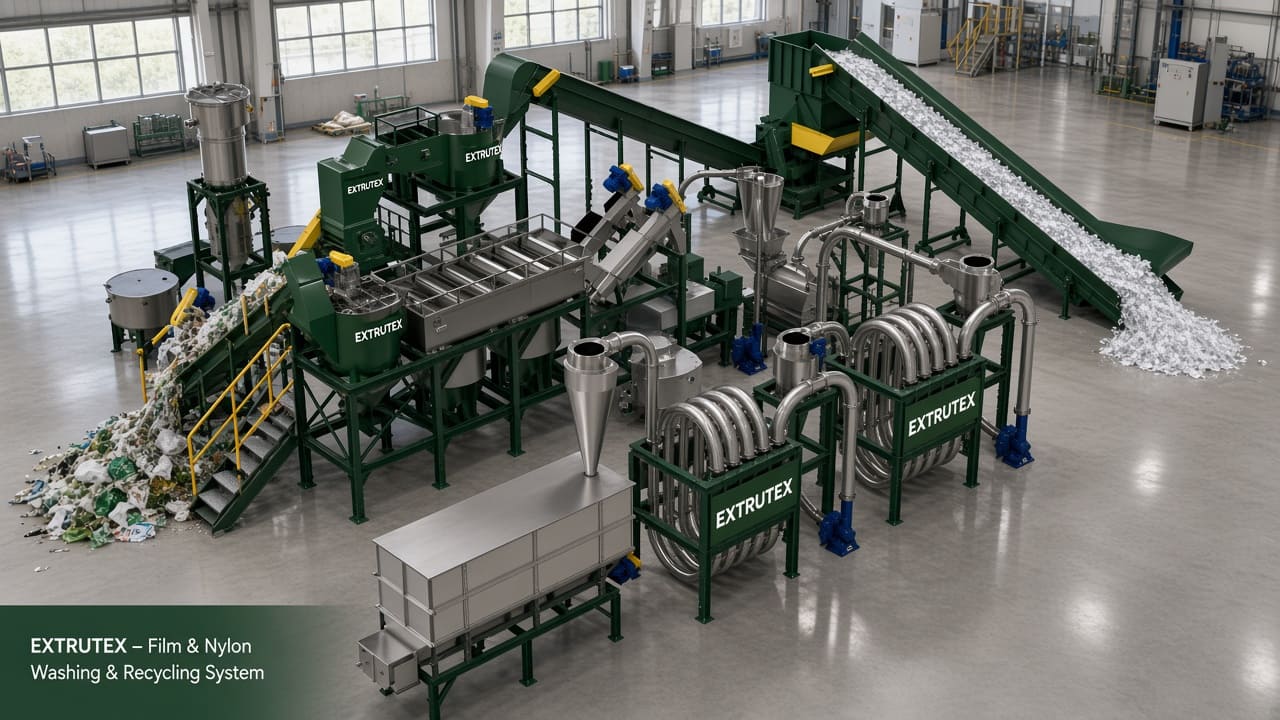
The EXTRUTEX Film & Nylon Washing and Recycling System is an advanced flexible-plastic recycling solution developed for difficult post-industrial and post-consumer film waste. The system is engineered to process lightweight, tangled, contaminated and moisture-sensitive materials while delivering clean recycled flakes with controlled moisture and stable quality for downstream pelletizing and extrusion.
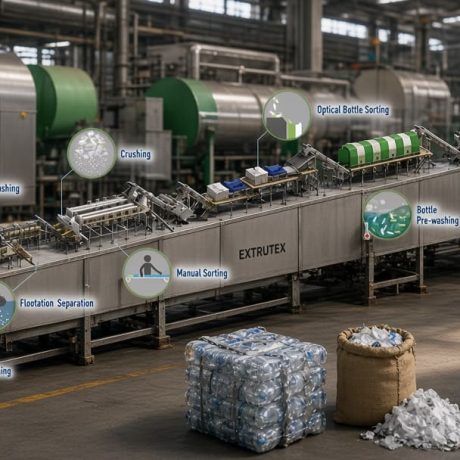
EXTRUTEX combines Austrian research and laboratory expertise with industrial manufacturing in China to provide complete recycling systems for demanding flexible-plastic applications. Depending on the incoming material, the system can be configured with shredding, pre-washing, wet crushing, friction washing, float-sink separation, squeezing, centrifugal dewatering, thermal drying, dry impurity removal, hot washing and optional deinking technologies.
Flexible plastic film is one of the most challenging materials in mechanical recycling. Agricultural mulch film can contain soil, sand, stones, plant residues and moisture. Industrial and packaging films can carry paper labels, adhesives, printing inks, oils and other contaminants. At the same time, film is lightweight and flexible, making it difficult to feed, convey, wash and separate using conventional rigid-plastic recycling equipment.
The EXTRUTEX Film & Nylon Washing and Recycling System is designed around these specific challenges. Instead of relying on a single washing stage, the system combines controlled size reduction, intensive pre-washing, wet crushing, friction washing, float separation, mechanical dewatering and multi-stage drying. Optional modules can be added when the material requires additional removal of dry contamination, adhesives, ink, oil or other difficult residues.
The result is a flexible recycling platform that can be adapted to different waste streams and different final-product requirements. Clean recycled film flakes can then be supplied to a pelletizing line, extrusion line or other downstream recycling process.
Conventional washing systems can struggle when film is heavily contaminated or becomes entangled during processing. EXTRUTEX uses several complementary washing and separation stages so that contaminants are progressively removed rather than relying on one washing machine. Mechanical friction, controlled water flow, float-sink separation and optional hot washing work together to improve cleaning performance.
Different film waste streams require different treatment strategies. Agricultural film may require dry impurity removal before water washing, while printed industrial film may benefit from hot washing and deinking. The modular EXTRUTEX design allows the customer to select the appropriate configuration according to feedstock composition, contamination level and desired output quality.
Film can retain significant quantities of water after conventional washing. EXTRUTEX therefore combines inclined friction dewatering, mechanical squeezing, centrifugal dewatering and thermal drying. This multi-stage approach reduces moisture progressively and can achieve a final moisture content of approximately 5% under suitable operating conditions.
Energy efficiency is considered throughout the system design. Water circulation, controlled heating, mechanical dewatering and negative-pressure dust extraction help reduce unnecessary energy use and improve operating conditions. The final configuration is engineered according to the actual feedstock and required output, avoiding unnecessary processing stages.
The basic process provides a complete washing and drying route for many post-industrial and post-consumer flexible plastic materials. Additional modules can be integrated when higher cleaning performance or specialized contaminant removal is required.
Film waste often arrives in large irregular bundles, rolls, compacted pieces or tangled masses. Feeding this material directly into downstream equipment can create unstable material flow and excessive mechanical loading. The shredding module breaks the incoming material into controlled smaller pieces, making feeding more stable and improving the performance of subsequent washing and separation equipment.
The shredder is particularly important for agricultural film, packaging film and bulky industrial film. Proper size reduction also helps expose contaminated surfaces so that washing water and mechanical friction can reach dirt, soil and other residues more effectively.
The pre-washing stage provides the first intensive cleaning operation. Film enters a high-speed washing chamber where mechanical movement and water circulation loosen soil, sand, dust and other surface contaminants. Heavy impurities can settle toward the bottom of the washing system and be periodically removed from the water circulation.
Removing heavy contamination at this stage reduces the load on the crusher and downstream washing equipment. It is especially useful when processing agricultural films containing significant amounts of soil and field debris.
After pre-washing, the material is transported with water to a wet crusher. Wet crushing combines size reduction with friction washing. Because the material is processed in the presence of water, contaminants are continuously carried away while the film is reduced to a more suitable flake size.
This process can also help reduce thermal and mechanical stress on cutting components compared with completely dry processing, supporting stable long-term operation when the system is correctly configured.
The crushed film and water mixture enters an inclined friction dewatering machine. High-speed mechanical movement separates water and loose contaminants from the plastic. Fine dirt and suspended impurities can pass through the screen while the cleaned material is transported toward the next stage.
This stage is important because effective early dewatering reduces the water load entering the subsequent washing and separation equipment.
High-speed washing provides additional mechanical cleaning. Friction between the material, water and machine components helps remove contamination that remains attached to the film surface. The process is designed to clean flexible material while maintaining stable material flow.
Float washing uses differences in material density to assist separation. Suitable polyolefin film materials such as PE and PP can be separated from heavier contaminants under appropriate process conditions. Dirt, stones and other dense materials are discharged from the system while the target plastic continues through the recycling process.
Following float washing, another inclined friction dewatering stage removes additional process water and suspended contamination. The combination of washing and mechanical separation improves the cleanliness of the recycled film before the final drying stages.
Film has a large surface area and can retain water even after conventional centrifugal separation. The squeezing stage mechanically compresses the material to remove additional moisture. This significantly reduces the thermal energy required for final drying and improves overall line efficiency.
The centrifugal dryer operates at high speed to remove remaining surface water. At the same time, fine dust and powder can be extracted through an integrated negative-pressure conveying system. Under suitable operating conditions, the moisture content after centrifugal dewatering can be reduced to below approximately 8%.
The mechanically dewatered film then enters the thermal drying section. A controlled hot-air process further reduces residual moisture without unnecessarily overheating the plastic. The two-stage drying configuration allows temperature and airflow to be managed progressively.
With the correct feedstock and operating conditions, final moisture can be reduced to approximately 5%, providing suitable material for many pelletizing and extrusion applications.
A buffer section stabilizes material flow between washing/drying and downstream pelletizing or packaging equipment. This helps compensate for small fluctuations in the washing line and provides a more consistent supply of recycled film to the next production stage.
Agricultural mulch film can contain large quantities of dry soil, sand, leaves and other solid contamination. The optional dry impurity removal module separates a significant portion of these contaminants before intensive water washing. This reduces the contamination entering the wet process, lowers the water treatment load and can improve overall system efficiency.
Hot washing is recommended when the incoming film contains difficult surface contamination such as adhesives, labels, printing ink, oil and other residues. Controlled hot water and chemical-assisted washing can loosen contaminants that are difficult to remove using cold-water mechanical washing alone.
This option is particularly useful for industrial packaging films, heavily printed films and selected post-consumer materials where surface contamination could otherwise cause black spots, odor, processing instability or defects during subsequent pelletizing.
For selected multilayer and printed flexible packaging materials, additional process modules can be integrated to improve separation or reduce the impact of printing inks and paper labels. The exact configuration depends strongly on polymer composition, adhesive type, printing technology and the desired recycled-material quality.
| Material Category | Typical Materials | Recommended Configuration |
|---|---|---|
| PE Agricultural Film | Mulch film, agricultural film | Basic / Basic + Dry Impurity Removal |
| Greenhouse Film | PE greenhouse film and similar agricultural films | Basic configuration |
| PE Industrial Film | Industrial packaging and process films | Basic / Basic + Hot Washing |
| Consumer & Packaging Film | PE packaging film and selected flexible plastic waste | Basic / Hot Washing & Deinking options |
| Heavy-Duty Packaging Film | Industrial wrapping and heavy-duty PE film | Basic configuration |
| PP Woven Bags | Agricultural, food, construction and industrial woven bags | Basic / Basic + Deinking |
| Selected Nylon / Flexible Plastics | Compatible nylon and flexible polymer waste, subject to feedstock analysis | Customized process configuration |
The washing system can be integrated with an EXTRUTEX film recycling pelletizing line to create a complete waste-film-to-recycled-pellet solution. Producing clean and sufficiently dry flakes before extrusion is critical because excessive moisture and contamination can negatively affect melt stability, filtration performance and final pellet quality.
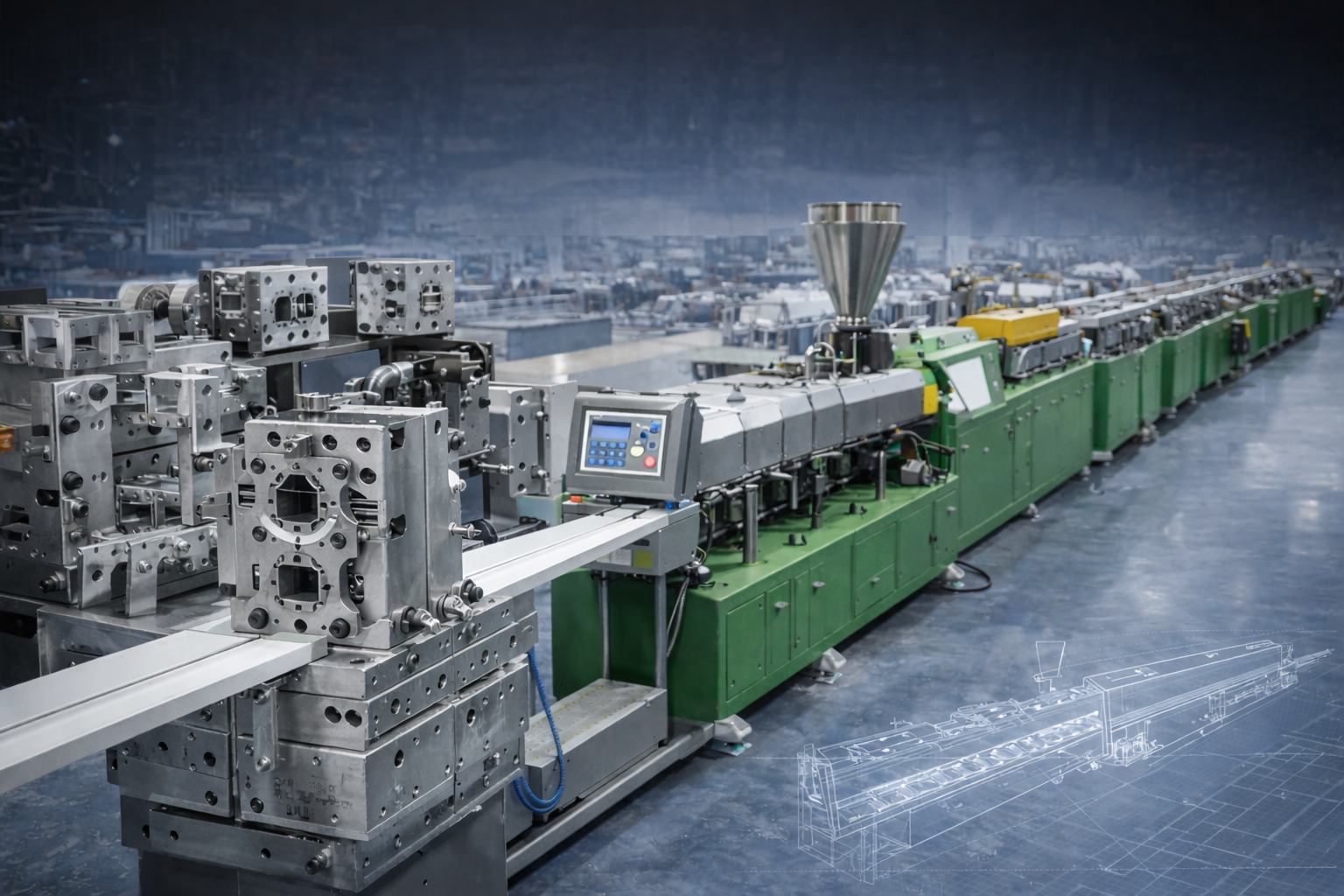
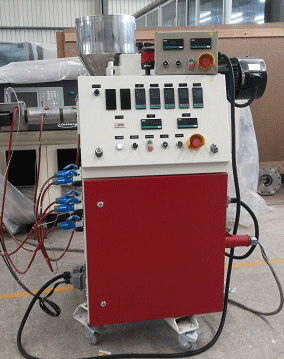
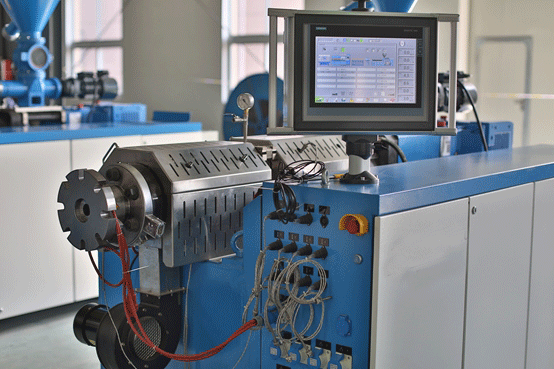
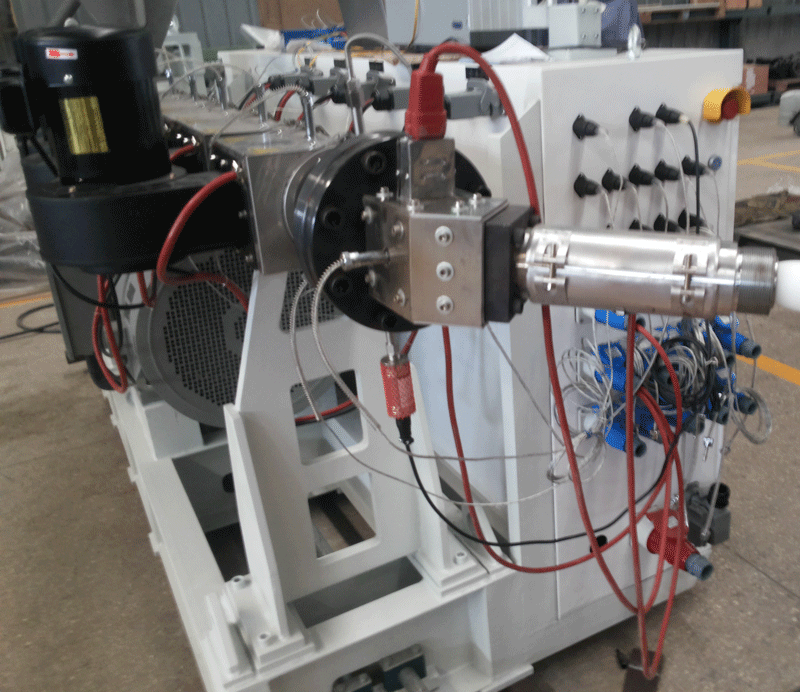
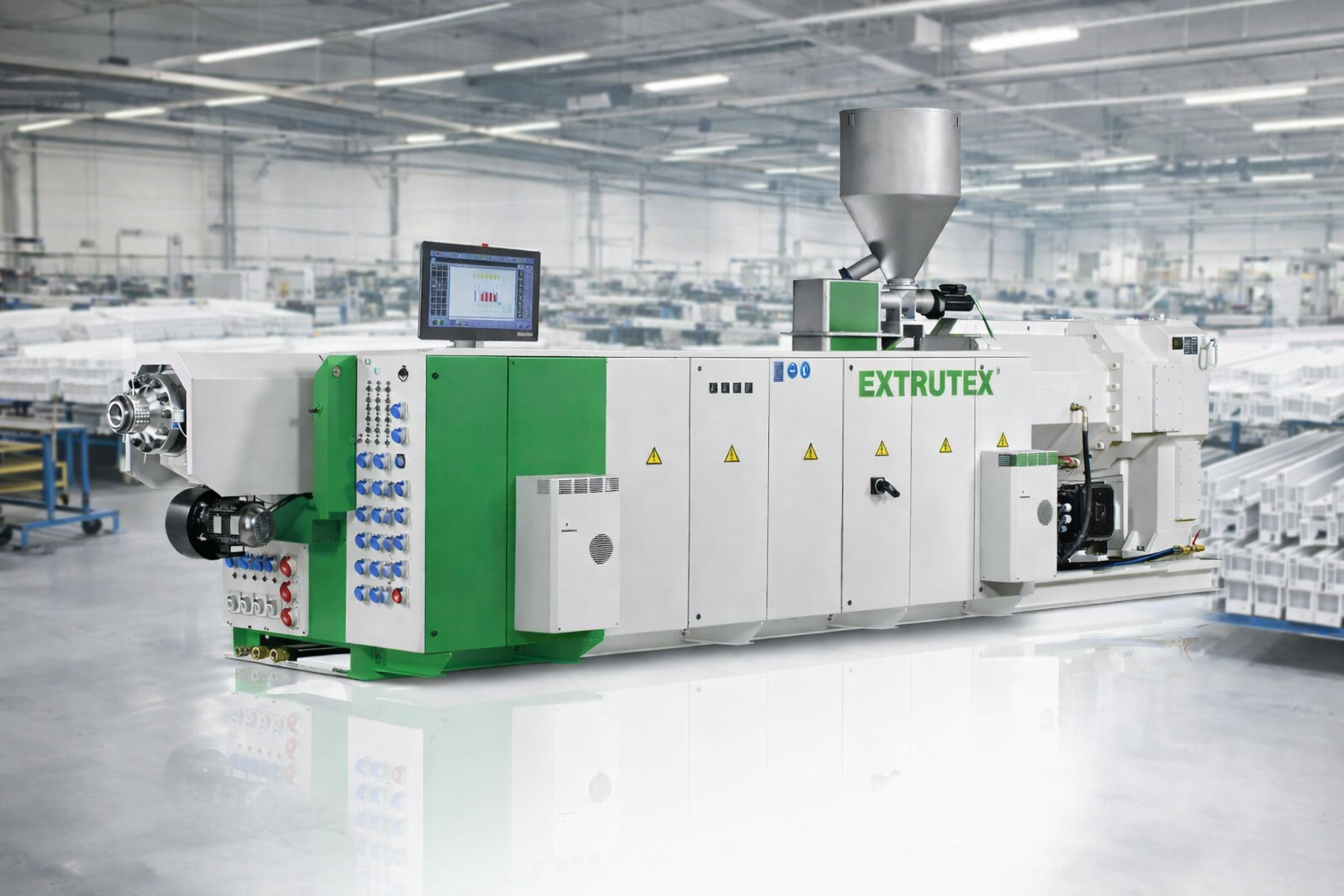
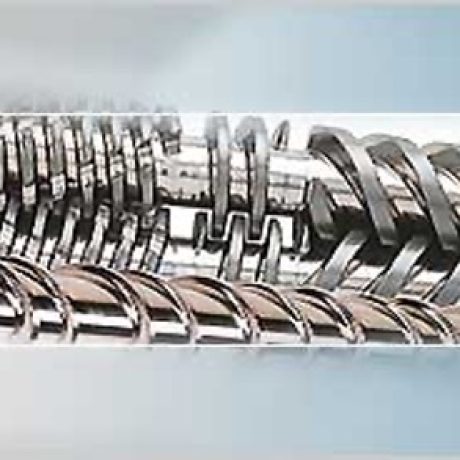
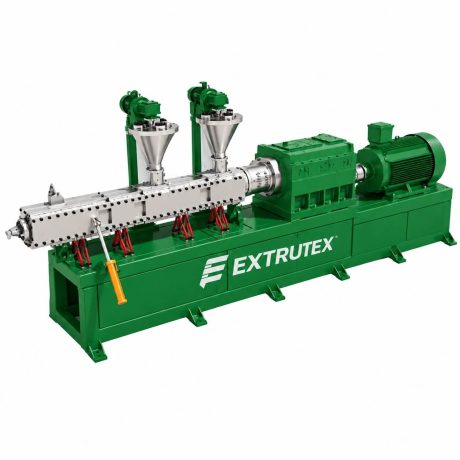
The specially developed recycling extruder uses a screw geometry designed for effective feeding, compression, conveying and plasticization of washed film flakes. The screw configuration can be adapted to the material and required output. Controlled melting and homogenization provide stable material flow toward the filtration and pelletizing stages.
Digital temperature control and efficient cooling systems help maintain stable processing conditions. A hardened, low-noise gearbox is designed for continuous high-speed operation, providing the mechanical reliability required for industrial recycling production.
| Parameter | EXTRUTEX Film Recycling System |
|---|---|
| Application | Flexible plastic film washing and recycling |
| Typical Materials | PE agricultural film, PE industrial film, packaging film, heavy-duty film, PP woven bags and selected flexible plastics |
| Capacity | Up to 1,500 kg/h, depending on feedstock and configuration |
| Output Impurity | ≤1% under suitable feedstock and process conditions |
| Final Moisture | ≤5% under suitable operating conditions |
| Basic Process | Shredding → Pre-Washing → Crushing → Dewatering → Washing → Float Washing → Squeezing → Centrifugal Dewatering → Hot Air Drying → Buffer |
| Optional Modules | Dry impurity removal, hot washing, deinking, delamination and customized treatment modules |
| Water Management | Process-water circulation and contamination removal according to line configuration |
| Drying System | Mechanical dewatering, centrifugal drying and two-stage convective hot-air drying |
| Downstream | Pelletizing, extrusion, packaging or customized recycling applications |
| Research & Laboratory | EXTRUTEX Austria |
| Manufacturing | China |
Film recycling requires careful control of water, heat and mechanical energy. EXTRUTEX therefore uses a process architecture in which each stage performs a specific function. Heavy contaminants can be removed before intensive washing, mechanical dewatering reduces the amount of water that must be thermally evaporated, and the final thermal drying stage is reserved for residual moisture.
Closed-loop temperature control can help maintain stable washing conditions, while water circulation systems can reduce unnecessary fresh-water consumption. Negative-pressure conveying and dust extraction help control fine particles generated during dry separation and dewatering.
The objective is not simply to build a high-capacity washing line, but to create a balanced recycling system in which cleaning performance, water consumption, energy consumption, equipment reliability and recycled-material quality are considered together.
Clean recycled PE and PP film flakes can be used as feedstock for a variety of downstream recycling processes, depending on polymer purity and final material requirements. Typical applications include recycled plastic pellets, garbage bags, construction films, agricultural products, plastic sheets, injection-molded products, extrusion products and other non-food applications.
The final application should always be selected according to the polymer composition and contamination history of the input material. EXTRUTEX can configure washing intensity, drying performance, filtration and pelletizing technology according to the intended recycled-product specification.
The EXTRUTEX Film & Nylon Washing and Recycling System provides a practical route for converting difficult flexible plastic waste into cleaner, drier and more valuable recycled feedstock. From agricultural mulch film and greenhouse film to industrial packaging film and PP woven bags, the modular process can be adapted to different contamination profiles and production targets.
For projects requiring higher purity, additional dry impurity removal, hot washing, deinking or specialized separation can be incorporated. The washing line can also be connected directly to a recycling pelletizing system to create a continuous solution from waste film to recycled plastic pellets.
EXTRUTEX combines research and laboratory capabilities in Austria with manufacturing in China to deliver complete flexible-plastic recycling technology for international customers. Each system can be engineered around the actual material, required capacity, target moisture, contamination level and downstream application.
Whether you are processing agricultural film, industrial PE film, packaging film, PP woven bags or another flexible-plastic waste stream, EXTRUTEX can develop a suitable washing, drying and recycling configuration.
Send us your material type, contamination level, desired capacity and target recycled-product application. Our engineering team can recommend the appropriate washing modules, drying system and downstream pelletizing configuration for your project.
There are no reviews yet.
By submitting your email, you agree to our company’s terms and conditions.
We are not looking to sell; we are here to provide you with the best support and service.
Contact available 24/7
Please do not contact us for advertising or sales inquiries
All rights of this website are reserved for EXTRUTEX Austria and its partner companies, © 2026
-
(0 customer reviews)