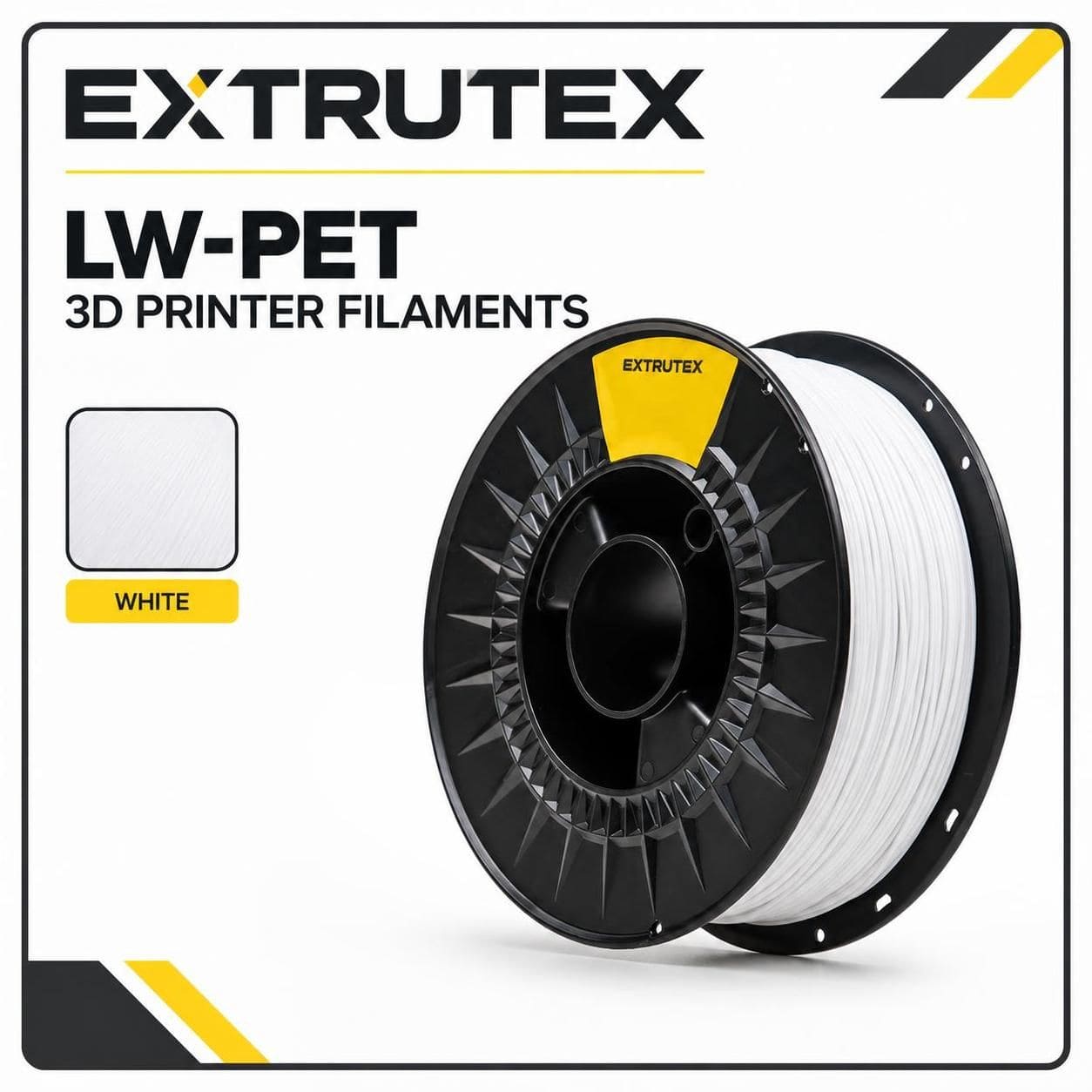
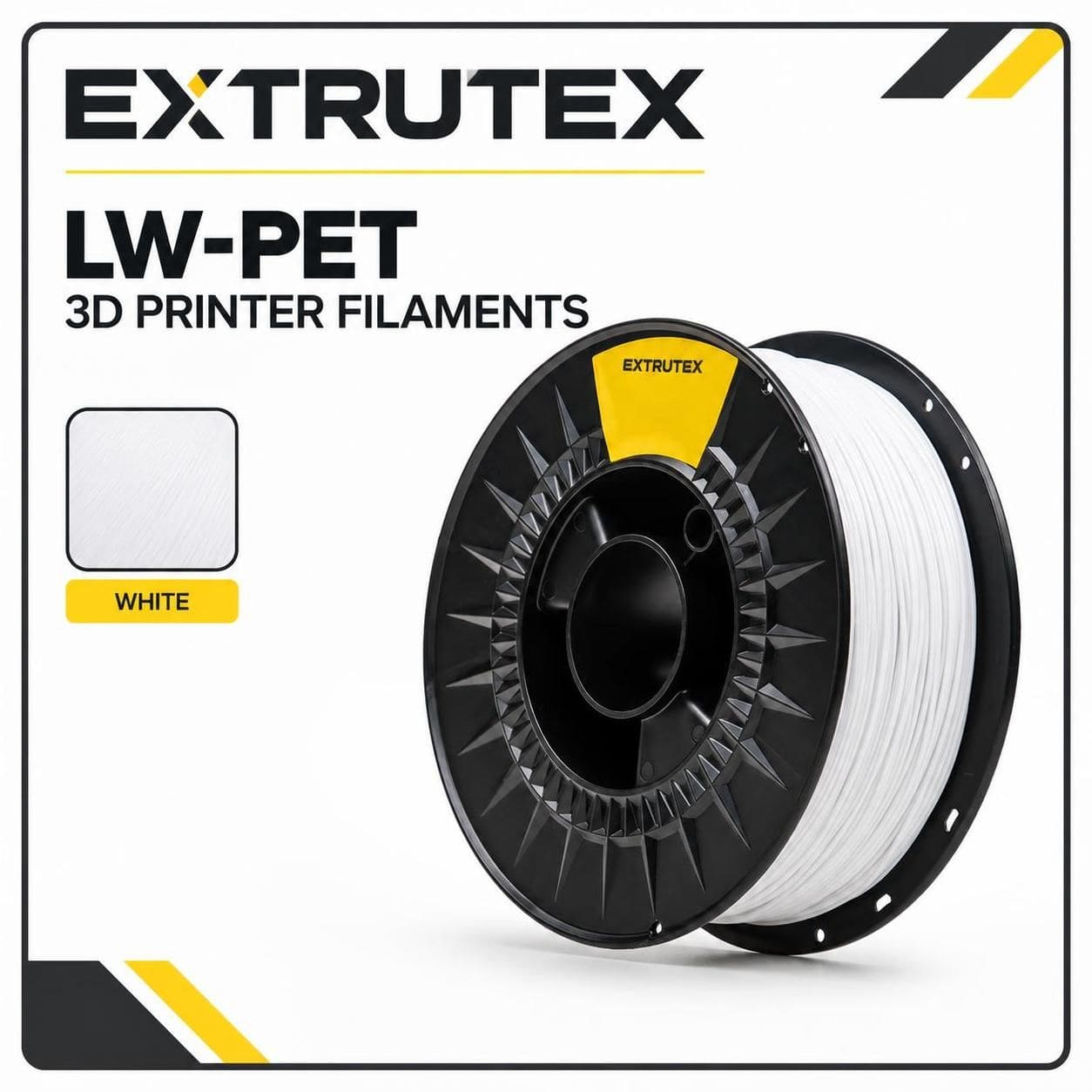
EXTRUTEX LW-PET Lightweight Foaming 3D Printer Filament
Control the weight, density and flexibility of your 3D printed parts with active foaming technology.
EXTRUTEX LW-PET is a lightweight 3D printing filament based on 95% amorphous coPET and 5% active foaming technology. It is designed for applications where reducing component weight is important without giving up the processing versatility of amorphous copolyester.
Unlike conventional solid filament, LW-PET expands during extrusion when exposed to the appropriate printing temperature. By adjusting temperature and material flow, users can influence the degree of foaming and the resulting density, weight and flexibility of printed components.
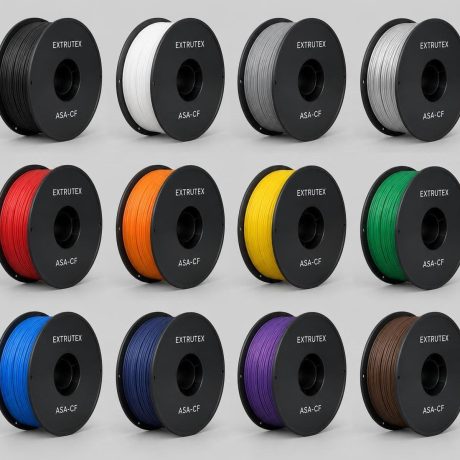
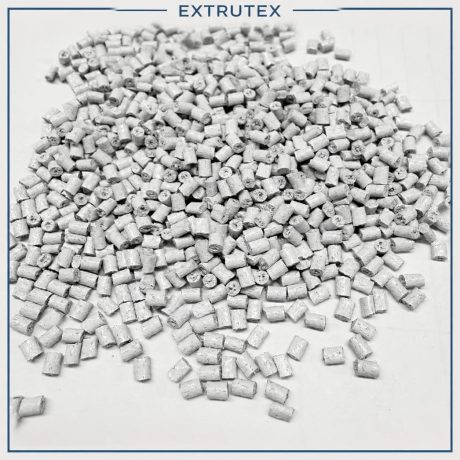
Available in natural color, 1.75 mm diameter and 1 kg spool format.
Key Features and Advantages
Active Foaming TechnologyContains 5% active foaming technology to create an expanded, lower-density printed structure.
Adjustable DensityPrinting temperature and material flow can be adjusted to influence the final density and weight of printed parts.
Lightweight ComponentsDesigned for applications where reducing material mass is an important part of product design.
Adjustable FlexibilityAs foaming increases and density decreases, the printed material becomes more flexible.
Low WarpingAmorphous copolyester characteristics provide a very low tendency to warp during printing.
Broad Processing WindowCan be processed across a range of temperatures, allowing users to adjust the foaming effect for different applications.
What Is LW-PET Filament?
LW-PET is a lightweight copolyester-based filament developed for additive manufacturing applications where conventional solid materials may add unnecessary weight. Its formulation combines 95% amorphous coPET with 5% active foaming technology.
The active foaming component expands under suitable thermal conditions during extrusion. This expansion creates a cellular structure within the printed material, reducing its density compared with a non-foamed print.
The resulting material is particularly useful when designing lightweight structures, thin-wall components and parts where weight reduction is more important than achieving the properties of a fully dense solid print.
Active Foaming: Control Weight and Density
The defining feature of EXTRUTEX LW-PET is its temperature-activated expansion. Foaming begins at approximately 210°C and increases progressively as the printing temperature rises, with expansion increasing up to approximately 260°C.
When the material expands during extrusion, it occupies more volume and creates a lower-density printed structure. This allows users to influence the amount of material expansion through printing temperature and material flow settings.
Lower Foaming
Lower temperatures produce less expansion and generally result in denser, heavier printed parts.
Increased Foaming
Higher temperatures activate greater expansion, creating lighter structures with lower material density.
Parameter Adjustment
Temperature and material flow can be calibrated together to achieve the desired balance of weight, structure and flexibility.
Important: The actual expansion ratio and final density depend on the printer, nozzle, temperature, extrusion flow and geometry. No fixed expansion ratio or percentage of weight reduction is specified for this filament. Test prints are recommended before production.
How Foaming Changes Flexibility
LW-PET offers another useful characteristic: flexibility increases as the material foams. As the degree of expansion increases and the printed structure becomes less dense, the resulting component can become more flexible.
This gives designers an additional way to adjust the behaviour of a printed part. Rather than selecting a material only according to its original polymer composition, users can experiment with printing parameters to influence the final structure.
This characteristic is particularly interesting for lightweight structures, thin-wall components, protective elements and applications where a degree of flexibility is desirable.
Easy Printing with Very Low Warping
LW-PET is based on amorphous copolyester, which offers a broad processing window and very low tendency to warp. These characteristics make the material suitable for different model sizes and geometries, including larger prints where dimensional stability is important.
The material can be processed at relatively low temperatures, while its broader processing capability allows printing at temperatures up to 300°C. However, the recommended operating range for activating and controlling the foaming effect is approximately 210–260°C.
Users should distinguish between the material's broader processing capability and the recommended foaming range. Printing above the recommended range should be evaluated carefully and is not a substitute for application-specific testing.
Technical Specifications
| Specification | EXTRUTEX LW-PET |
|---|
| Product Name | LW-PET Lightweight Foaming Filament |
| Base Material | Amorphous coPET |
| Material Composition | 95% amorphous coPET + 5% active foaming technology |
| Filament Diameter | 1.75 mm |
| Spool Weight | 1 kg |
| Color | Natural |
| Foaming Activation | Approximately 210°C |
| Increasing Expansion Range | Approximately 210–260°C |
| Broader Processing Capability | Up to 300°C, subject to suitable printer and process conditions |
| Density Control | Through printing temperature and material flow |
| Warping Behaviour | Very low tendency to warp |
| Flexibility | Increases as the degree of foaming increases |
Recommended 3D Printing Settings
The following settings are the supplied starting recommendations for EXTRUTEX LW-PET. Temperature is especially important because it controls the activation and degree of foaming.
| Printing Parameter | Recommended Setting |
|---|
| Nozzle Temperature | 210–260°C |
| Print Speed | 50 mm/s |
| Volumetric Flow Reference | 4 mm³/s |
| Heated Bed Temperature | 60°C |
| Cooling Fan | 100% |
| Filament Diameter | 1.75 mm |
Printing Tips for Better Results
- Start within the recommended 210–260°C temperature range.
- Begin with the recommended 50 mm/s printing speed and 4 mm³/s volumetric flow reference.
- Use temperature adjustments to explore different expansion levels and printed densities.
- Remember that increased foaming changes both the weight and flexibility of the printed component.
- Calibrate extrusion flow carefully because foaming changes the amount of material expansion after it leaves the nozzle.
- Print test samples before manufacturing important components or repeating a production batch.
- Check the printer's hotend temperature capability and material compatibility before using higher processing temperatures.
- Keep the filament clean and dry, and follow the supplier's material-handling instructions.
Typical Applications of LW-PET
LW-PET is particularly suitable for products and components where reducing mass is an important design objective. Its adjustable foaming behaviour allows users to explore different combinations of density, weight and flexibility.
Drone ComponentsLightweight structural parts and selected housings where reducing printed component weight is important.
RC ComponentsRadio-controlled model parts and lightweight components for hobby and technical applications.
Helmet PaddingExperimental lightweight cushioning and padding structures. Suitability for protective equipment requires application-specific testing and certification.
Lightweight StructuresThin-wall designs, lightweight frameworks and parts where lower material density is desirable.
Vases and Decorative ObjectsDecorative products where reduced weight, shape and surface appearance are important.
LampshadesLightweight decorative lampshades and design objects, subject to suitable temperature and electrical safety requirements.
Thin-Wall ComponentsParts that benefit from adjustable expansion and lower-density structures.
Creative 3D PrintingExperimental models, prototypes and customized lightweight printed products.
LW-PET Compared with Conventional PET Filament
Conventional PET filament is generally printed as a solid thermoplastic material. LW-PET is formulated with active foaming technology, which allows it to expand during extrusion. This creates a different approach to designing printed components.
| Characteristic | Conventional PET | LW-PET |
|---|
| Material Structure | Conventional solid extrusion | Foamed structure created during printing |
| Foaming Technology | Not specified | 5% active foaming technology |
| Density Adjustment | Not designed for temperature-controlled foaming | Can be influenced through temperature and flow |
| Weight Reduction | Not its primary design purpose | Designed for lightweight printed parts |
| Flexibility | Depends on the specific PET grade and print conditions | Increases as foaming increases |
| Warping | Depends on the specific PET grade | Very low tendency to warp |
Storage and Material Handling
- Store the filament in a sealed bag or suitable dry-storage container.
- Protect the spool from dust, moisture and direct sunlight.
- Keep the material away from excessive heat before printing.
- Use consistent storage and handling practices to help maintain reliable extrusion performance.
- If moisture-related printing defects appear, consult the supplier for grade-specific drying recommendations.
Why Choose EXTRUTEX LW-PET?
EXTRUTEX provides polymer materials and plastics processing technology for industrial manufacturers, product developers and 3D printing users. Our LW-PET filament is designed for applications where conventional solid filament may be unnecessarily heavy and where controlled material expansion can offer additional design possibilities.
EXTRUTEX combines manufacturing in China with design, laboratory and R&D capabilities in Austria. Our work across polymer materials, extrusion technology and product development supports customers looking for practical material solutions and technical cooperation.
Frequently Asked Questions
1. What is LW-PET 3D printer filament?
LW-PET is a lightweight foaming filament based on 95% amorphous coPET and 5% active foaming technology. It expands during extrusion at suitable temperatures, creating a lower-density printed structure. It is designed for applications where reducing the weight of printed components is important.
2. At what temperature does LW-PET start foaming?
The active foaming technology starts to activate at approximately 210°C. Expansion progressively increases as the printing temperature rises, up to approximately 260°C. The actual result depends on the printer, material flow and printing conditions.
3. How can I control the density of LW-PET prints?
Density can be influenced by adjusting printing temperature and material flow. Lower temperatures generally produce less expansion and denser parts, while higher temperatures activate more foaming and create lighter structures. Calibration and test prints are recommended to establish repeatable settings.
4. Does more foaming make the printed part lighter?
Yes. As the active foaming technology expands the material during extrusion, the resulting structure has a lower density. This can reduce the weight of the printed component compared with a less-foamed print. The actual weight reduction depends on the degree of expansion and the geometry of the part.
5. Does foaming change the flexibility of LW-PET?
Yes. According to the supplied material information, flexibility increases as the material foams. This means users can influence both weight and flexibility by adjusting the printing process. The final mechanical behaviour should be tested for the intended application.
6. Is LW-PET difficult to print?
LW-PET is designed to be straightforward to process and has a very low tendency to warp. The main consideration is its temperature-sensitive foaming behaviour. Users should calibrate temperature and flow carefully because expansion changes the extrusion behaviour and final printed structure.
7. What are the recommended printing settings?
The supplied starting settings are 210–260°C nozzle temperature, 60°C heated bed temperature, 50 mm/s printing speed and 100% cooling fan. The supplied volumetric flow reference is 4 mm³/s. Adjustments may be necessary depending on the printer and desired foaming level.
8. Can LW-PET be used for drone and RC parts?
LW-PET is suitable for exploring lightweight drone and RC components where reducing mass is beneficial. However, printed parts used in flying or moving equipment must be tested for mechanical strength, fatigue, vibration and operating conditions before use. Weight reduction alone does not establish structural suitability.
9. Is LW-PET suitable for helmet padding?
LW-PET can be explored for lightweight cushioning and padding structures, but helmet components are safety-critical. A printed part must not be treated as certified protective equipment without appropriate impact testing, material validation and compliance with the relevant safety standards.
10. Which filament size and spool weight are available?
EXTRUTEX LW-PET is currently specified in 1.75 mm filament diameter with a 1 kg spool. The listed color is natural.
11. Can LW-PET be printed at 300°C?
The material information indicates a broader processing capability up to 300°C. However, the recommended range for controlling the foaming effect is approximately 210–260°C. Higher temperatures should be evaluated carefully and should only be used when supported by the printer and the material supplier's technical guidance.
12. What products can be made with LW-PET?
Potential applications include drone components, RC parts, lightweight structures, thin-wall components, vases, lampshades and experimental cushioning structures. The best application depends on the required density, flexibility, mechanical performance and operating environment.
Explore Lightweight 3D Printing with EXTRUTEX
Looking for a filament that lets you adjust printed weight, density and flexibility through active foaming? Contact EXTRUTEX to discuss LW-PET, technical specifications and application requirements.
Product: LW-PET Lightweight Foaming 3D Printer Filament
Diameter: 1.75 mm | Spool: 1 kg | Color: Natural
Website: www.extruder.co
Contact EXTRUTEX for product information and a quotation.




-
(0 customer reviews)