No products in the cart.


All rights of this website are reserved for EXTRUTEX Austria and its partner companies, © 2026

Multiple Payment Methods

Discount for advance payments over 50%

Free Shipping Coordination Services
Payment methods:


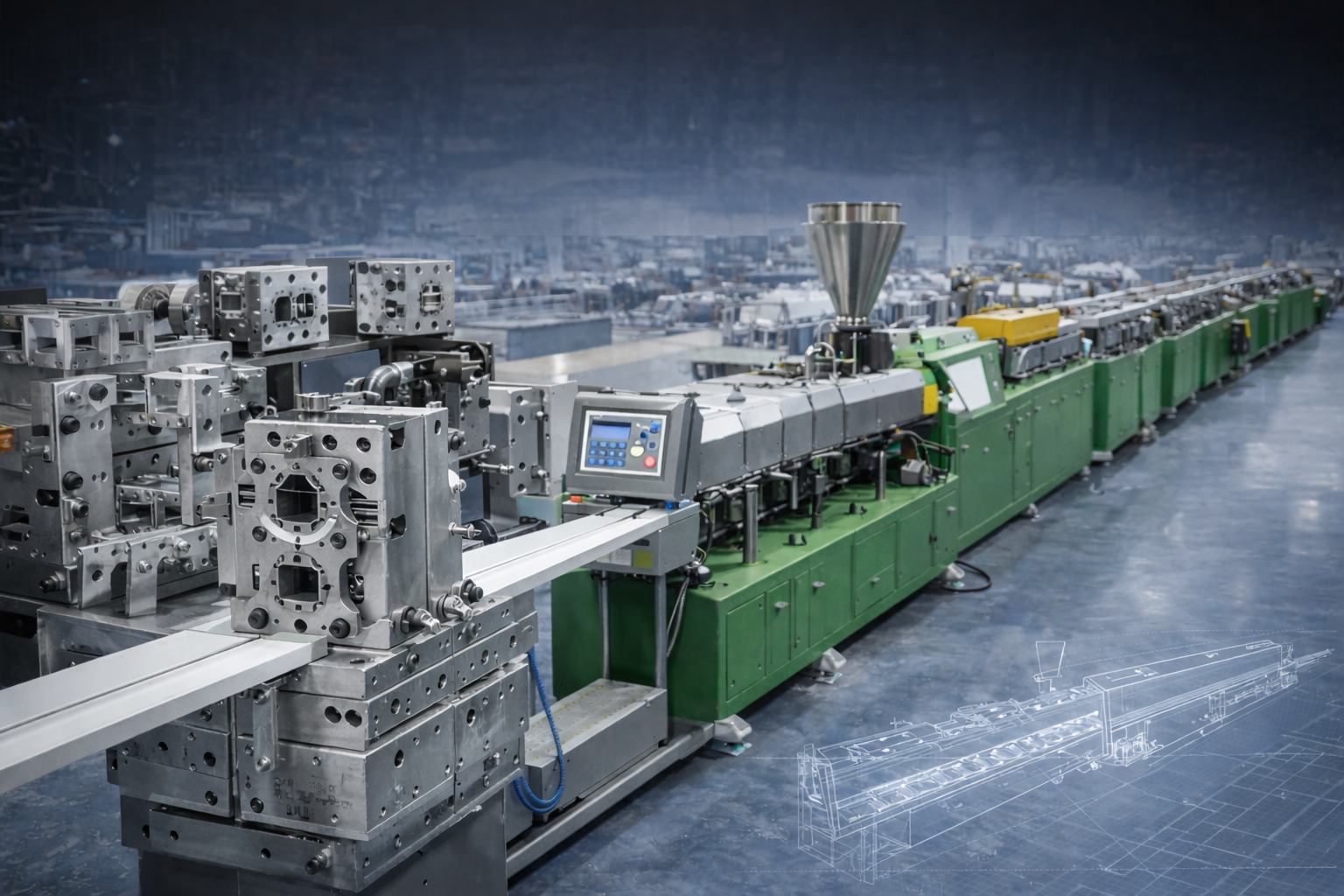
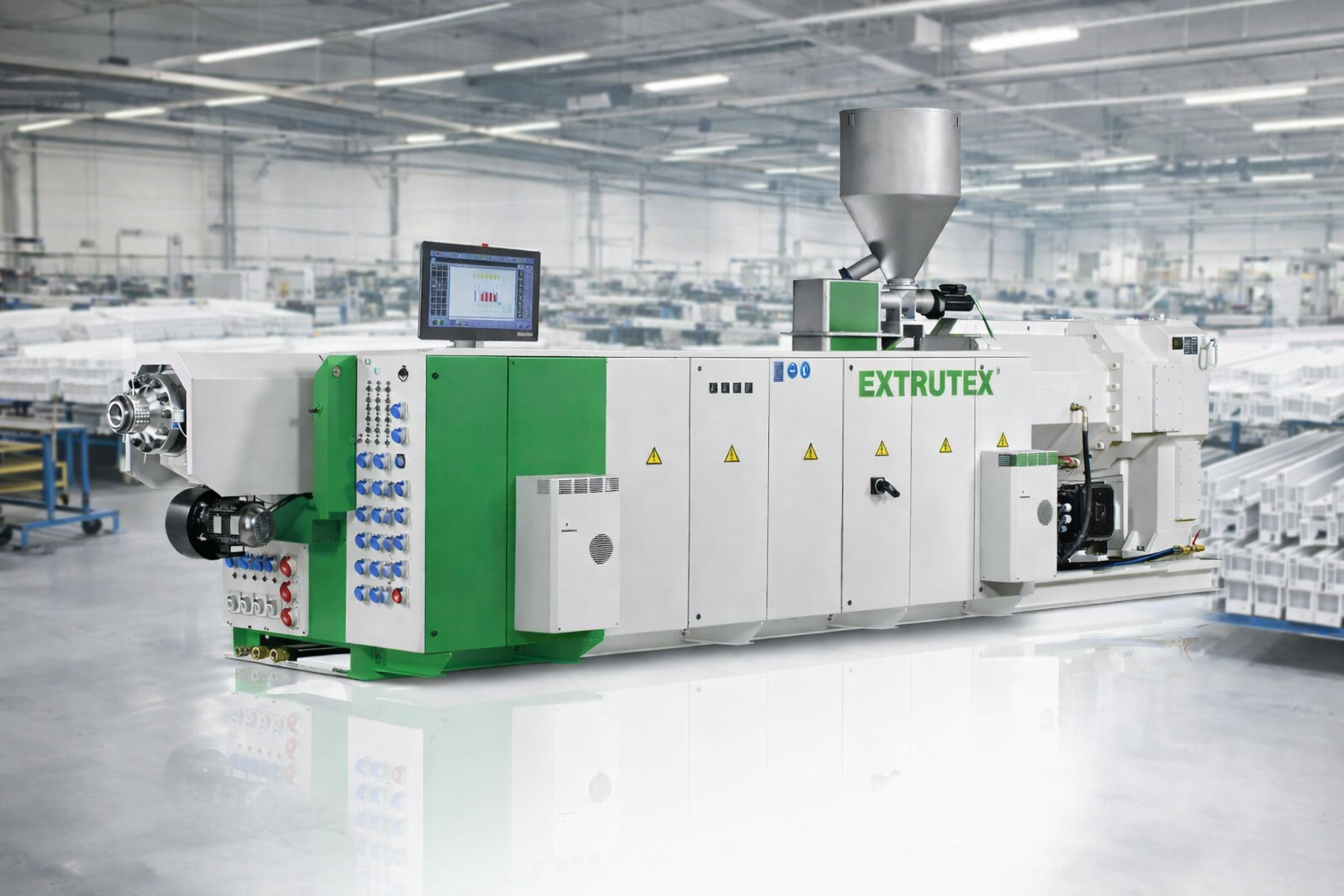
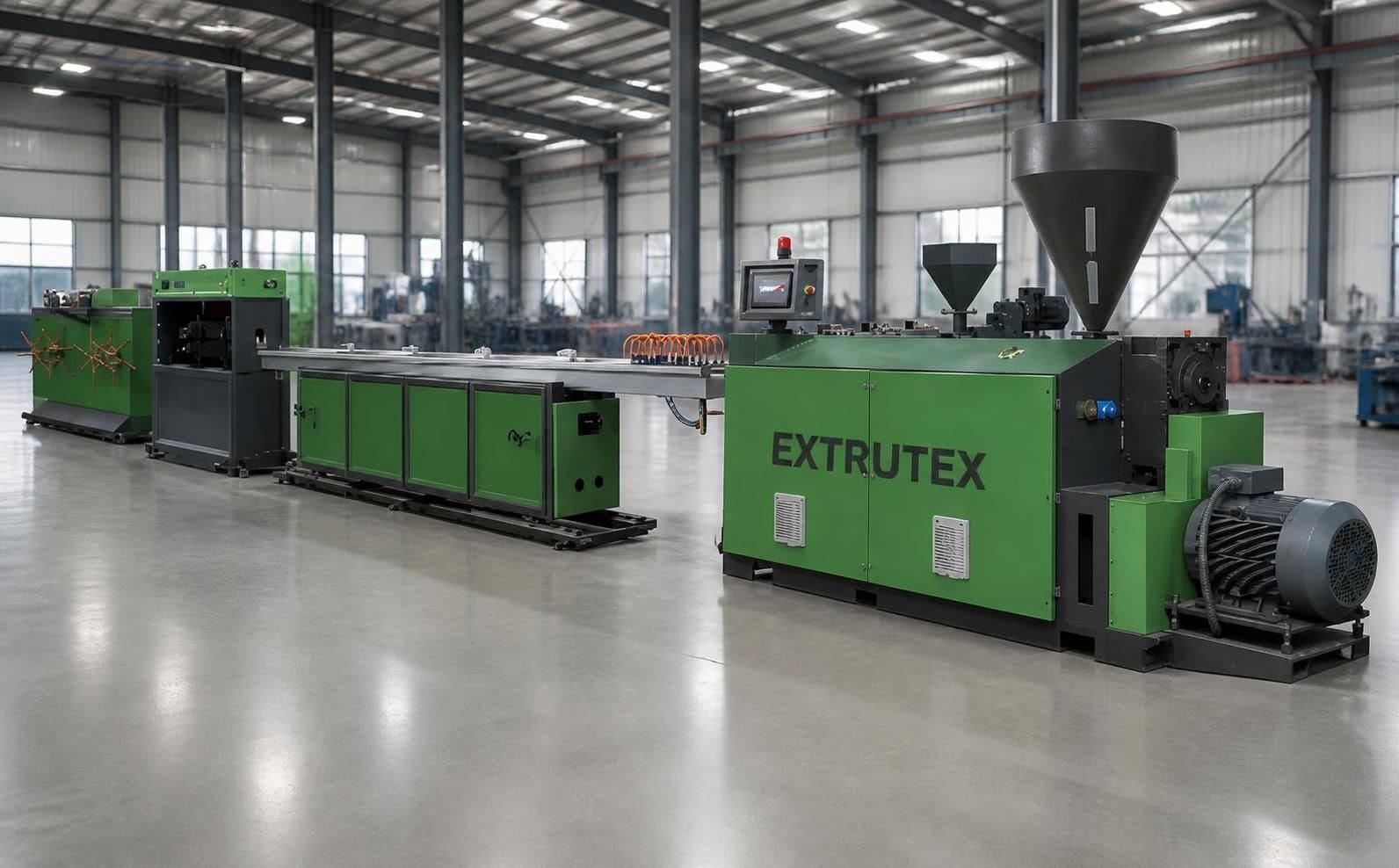
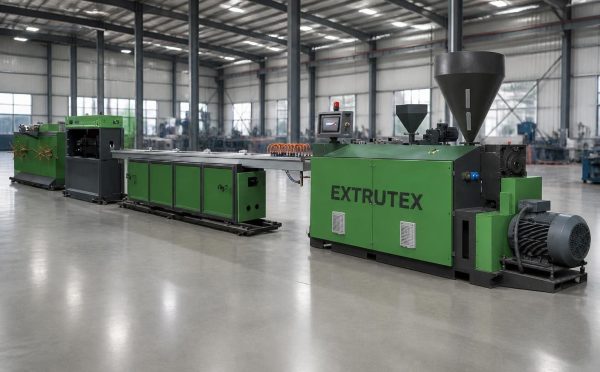
The EXTRUTEX Gasket Sealing Extrusion Machine Line is designed for continuous production of flexible and semi-flexible sealing profiles used in construction, automotive manufacturing, household appliances, luggage, and other industrial applications. Manufactured by EXTRUTEX, the line combines material-specific extrusion technology with downstream cooling, vacuum calibration where required, haul-off, cutting, and a double winding unit to support efficient, consistent gasket production.
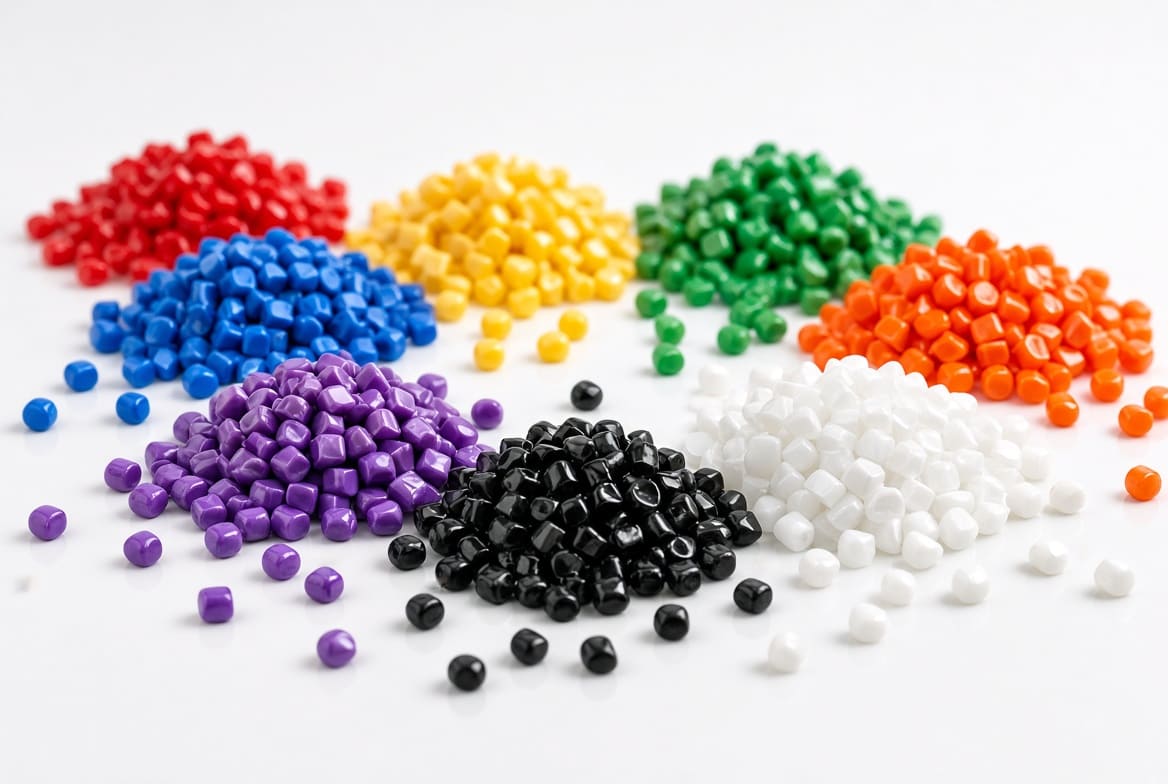
EXTRUTEX offers gasket extrusion solutions with production speeds of approximately 20, 40, and 60 metres per minute, depending on the selected configuration, gasket geometry, material formulation, and required product quality. The line can be configured for PVC, TPR, TPE, and TPU compounds, subject to the appropriate screw, barrel, die, temperature profile, and processing conditions.
Our engineering approach focuses on matching the extrusion system to the customer's product requirements rather than applying one standard configuration to every material. EXTRUTEX develops extrusion equipment for different production capacities, profile dimensions, material characteristics, and operating conditions.
Gasket profiles are essential components in applications where sealing, cushioning, vibration reduction, weather protection, dust exclusion, or controlled closure is required. Their cross-sections can range from simple solid strips to complex hollow profiles, multi-lip seals, and specialized shapes designed to fit a particular product or assembly.
The EXTRUTEX gasket sealing extrusion line is designed to continuously melt, homogenize, and extrude thermoplastic compounds through a profile die. The extruded profile is then cooled and dimensionally controlled before being pulled at a stable speed and cut or wound according to the production requirements.
Equipment scope: The complete production line includes the extruder, cooling and vacuum equipment, haul-off unit, cutting unit, and double winder. The extrusion die and any additional auxiliary equipment should be confirmed in the final technical quotation to match the customer's profile design.
Different gasket applications require different combinations of flexibility, compression recovery, temperature resistance, weatherability, chemical resistance, and processing characteristics. EXTRUTEX configures the extrusion line according to the selected polymer grade and finished profile requirements.
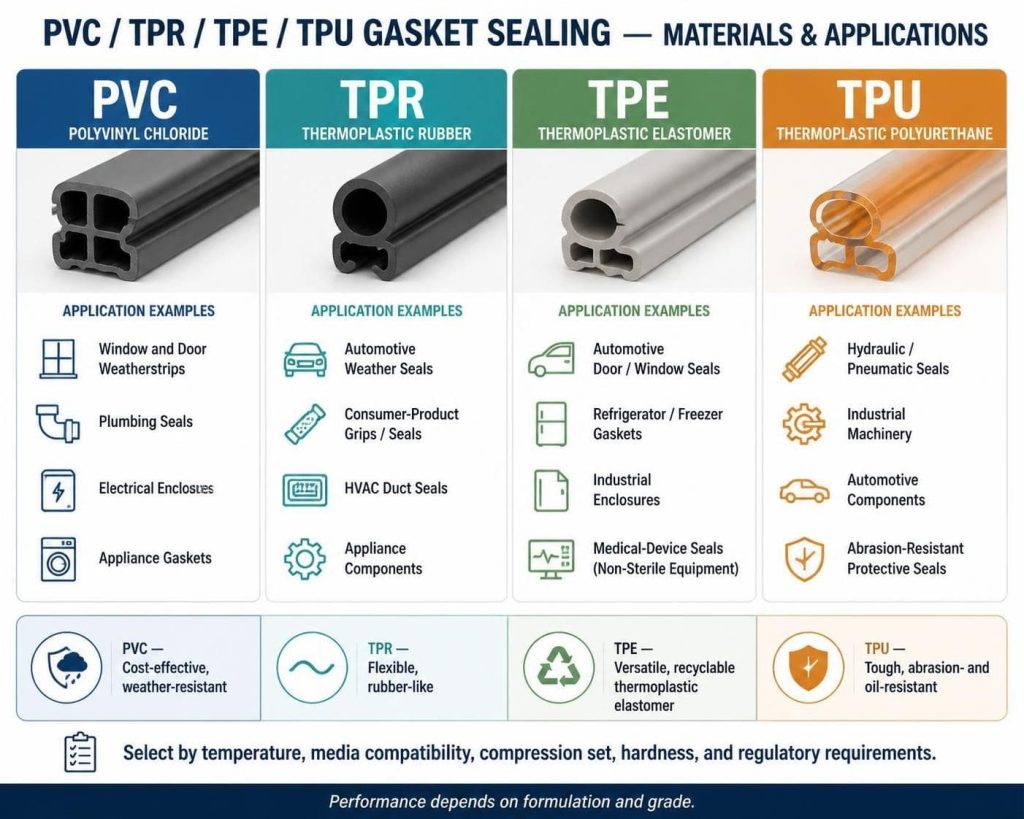
Flexible PVC compounds are widely used for door and window seals, appliance gaskets, and general-purpose sealing profiles. Depending on the formulation, PVC can offer a useful balance of flexibility, processability, surface finish, and cost efficiency. Plasticizer selection, stabilizers, hardness, and temperature settings must be matched to the intended application.
TPR materials combine rubber-like flexibility with thermoplastic processing characteristics. They can be suitable for sealing profiles that require elastic deformation and convenient processing. The exact performance depends on the TPR grade, formulation, and operating environment.
TPE is a broad family of materials used for flexible sealing and cushioning components. Many TPE grades provide good flexibility and can be processed using extrusion equipment configured for their melt characteristics. The selected grade determines the necessary screw geometry, temperature profile, cooling method, and dimensional control strategy.
TPU is often selected for applications requiring abrasion resistance, mechanical strength, and elastic performance. TPU processing may require careful moisture control, temperature management, and material handling. The extrusion system should therefore be designed around the specific TPU grade and product requirements.
Material compatibility note: PVC, TPR, TPE, and TPU do not necessarily use identical processing settings or the same screw and barrel configuration. Although EXTRUTEX can engineer lines for these material families, processing multiple materials on one line depends on the selected machine design, screw configuration, die, temperature range, and cleaning requirements. Confirm the intended materials before ordering.
Door and window manufacturers use sealing profiles to help reduce air leakage, water ingress, dust penetration, and unwanted noise. Depending on the profile design and installation method, gasket products may be used in:
For construction applications, consistent profile dimensions and controlled material hardness are important for fitting, compression, and reliable sealing. The downstream cooling and haul-off systems help maintain a stable profile during continuous production.
Automotive sealing profiles are used in body openings, glazing systems, covers, and other areas requiring protection against water, dust, vibration, or wind noise. Depending on the approved material and profile design, applications can include:
Automotive components may have demanding dimensional, environmental, and durability requirements. The extrusion line must be selected according to the profile cross-section, compound specification, production tolerances, and applicable customer or industry standards. Safety-critical or vehicle-specific applications require appropriate product validation.
Flexible gaskets are important components in many household appliances. Depending on the material and design, EXTRUTEX gasket extrusion equipment can be configured for products such as:
Appliance gasket production may require specific resistance to moisture, detergents, temperature cycling, compression, or repeated opening and closing. These properties depend on the compound and finished component, not the extrusion machine alone.
Gasket extrusion lines can also manufacture flexible edge seals, protective strips, cushioning profiles, and sealing components for luggage and other manufactured goods. Custom profile designs can be considered according to the product drawing, required hardness, dimensional tolerances, and production volume.
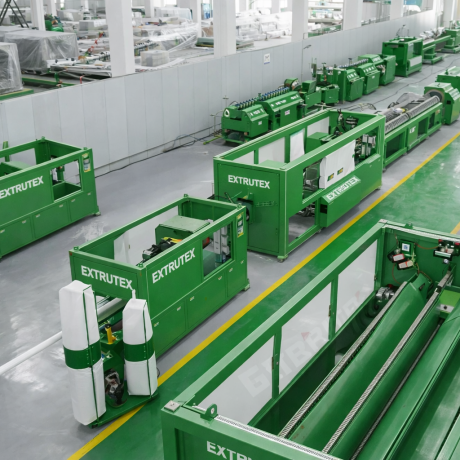
EXTRUTEX supplies the main extrusion and downstream equipment as an integrated production line. Each unit has a specific role in maintaining continuous output and controlling the final profile.
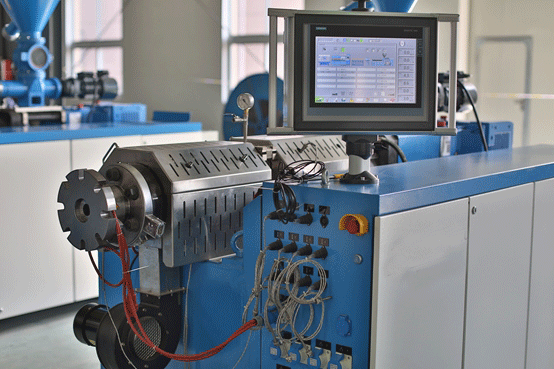
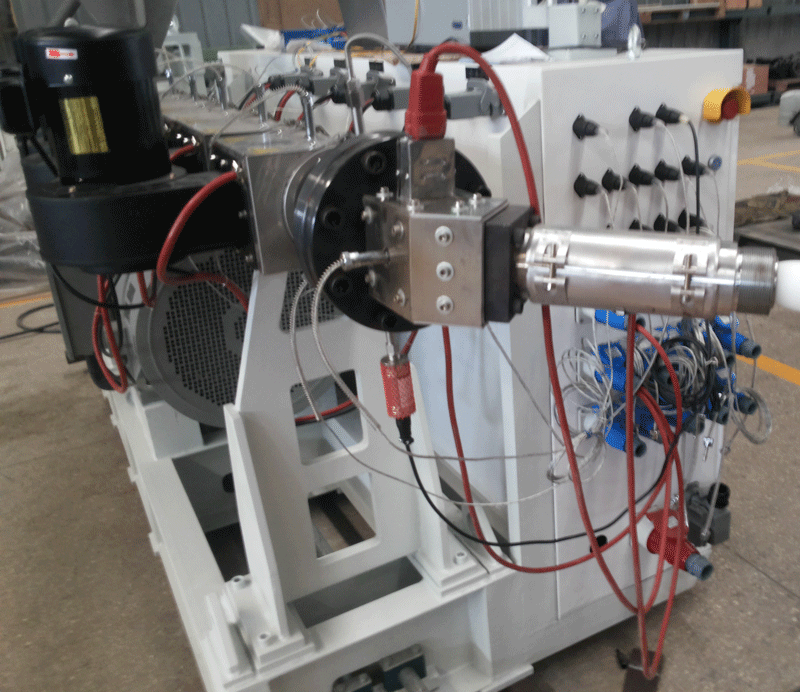
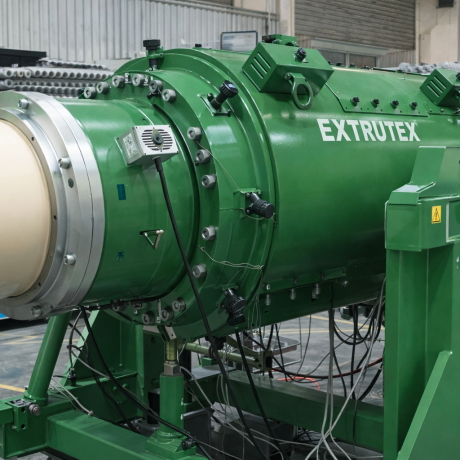
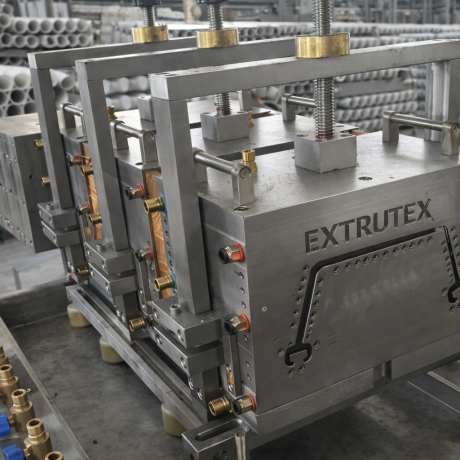
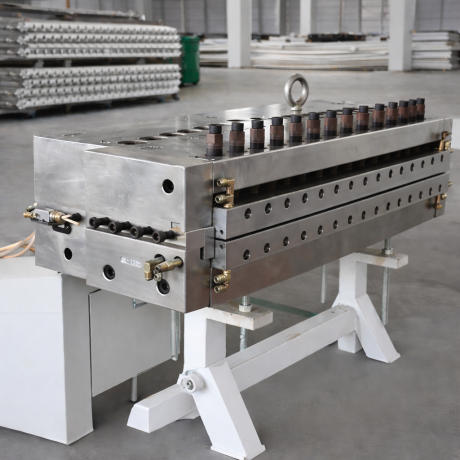
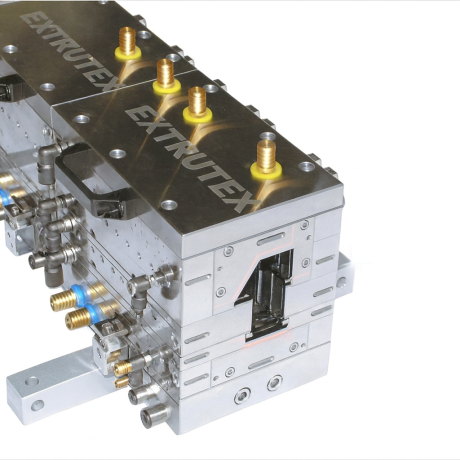
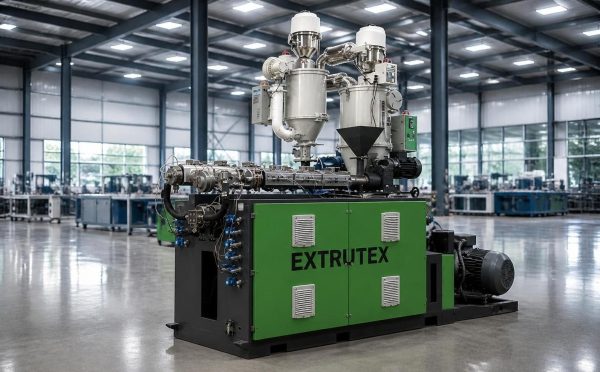
The extruder feeds, melts, mixes, and pressurizes the thermoplastic compound before delivering a continuous melt stream to the extrusion die. Screw diameter, screw geometry, compression characteristics, barrel design, heating capacity, and motor power are selected according to the material and required output.
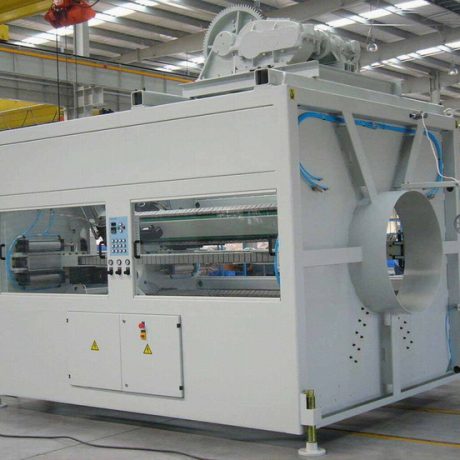
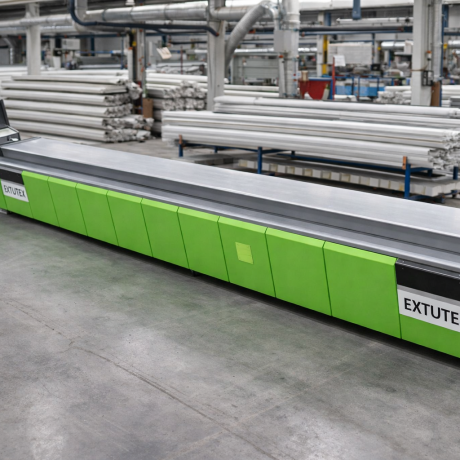
Cooling equipment helps stabilize the extruded gasket after it leaves the die. Vacuum calibration can assist with dimensional control for suitable profile designs. The required configuration depends on whether the profile is solid, hollow, or has more complex geometry. Cooling length, water temperature, vacuum level, and calibration tooling should be matched to the product.
The haul-off pulls the profile through the downstream section at a controlled speed. Stable pulling reduces unwanted stretching, deformation, and variation in profile dimensions. The haul-off speed should be synchronized with the extruder output and cooling conditions.
The cutting unit separates the continuous gasket into specified lengths when cut-to-length production is required. Cutting configuration and control settings depend on the profile dimensions, material flexibility, required length accuracy, and production method.
The double winder is designed to support continuous collection of suitable gasket profiles onto winding stations. Depending on the selected configuration, alternating winding positions can help operators prepare a full roll and change collection positions with less interruption. Winding tension, roll diameter, and profile flexibility must be considered to avoid stretching or deformation.
Inverter-based speed control allows operators to adjust motor speed and coordinate the extruder with downstream equipment. A properly configured control system can support smoother start-up, more stable line operation, and reduced unnecessary energy consumption. Actual energy use depends on the motor configuration, throughput, material, heating requirements, and operating conditions.
The following table summarizes the currently available EX45 and EX65 extruder specifications. Values are indicative of the supplied machine configuration and should be confirmed against the final quotation.
| Specification | EX45 | EX65 |
|---|---|---|
| Extruder model | EX45 | EX65 |
| Main motor power | 7.5 kW | 22 kW |
| Maximum stated capacity | 15–25 kg/h | 40–60 kg/h |
| Cooling water requirement | 3 m³/h | 4 m³/h |
| Compressed air requirement | 0.6 m³/min | 0.6 m³/min |
| Typical line configuration | Extruder with downstream cooling, haul-off, cutting, and double winding equipment | Extruder with downstream cooling, haul-off, cutting, and double winding equipment |
Important: Maximum capacity in kg/h and line speed in metres per minute are different performance measures. Actual output and speed depend on the gasket cross-section, material density, compound, die design, cooling capacity, dimensional tolerances, and winding or cutting method. The listed motor power refers to the main extruder motor and does not represent the total connected power of the complete line. Electrical load, heating power, overall dimensions, and installation requirements should be confirmed for the selected configuration.
EXTRUTEX can configure gasket extrusion lines for target production speeds of approximately 20, 40, or 60 metres per minute, subject to the application and line design. Higher line speed is not automatically suitable for every gasket. A small, lightweight profile may run faster than a large or complex profile that requires more cooling time and tighter dimensional control.
These speeds are configuration targets rather than guaranteed operating speeds for every material and profile. For accurate equipment selection, customers should provide the gasket drawing, material grade, target output, dimensional tolerance, and required packaging method.
The screw and barrel are key components of a gasket extruder. Their geometry affects material feeding, melting, mixing, pressure development, temperature distribution, and output stability. EXTRUTEX selects the screw and barrel design according to the polymer's processing characteristics and the intended production capacity.
Different materials can require different screw channel depths, compression ratios, mixing sections, temperature settings, and wear-resistance considerations. A design suitable for one PVC compound may not be optimal for a particular TPU or TPE grade. Material selection should therefore take place before the final machine configuration is approved.
The screw and barrel material, surface treatment, and manufacturing specifications should be confirmed in the technical offer. If a particular steel grade, nitriding treatment, or other wear-resistance requirement is essential, it should be stated explicitly in the purchase specification.
Stable gasket extrusion depends on the complete process rather than a single machine component. Consistent feeding, suitable melt temperature, stable die pressure, effective cooling, synchronized haul-off, and controlled collection all contribute to repeatable production.
The EXTRUTEX line uses inverter-based control to help operators adjust speed to suit the production process. Correctly matching the extruder and downstream equipment can reduce avoidable stops, material waste, and unnecessary motor operation. Actual savings depend on the previous production method, selected configuration, operating schedule, and compound.
To maintain finished-product quality, manufacturers should establish process parameters for each material and gasket profile. Typical quality checks include profile dimensions, cross-section, surface appearance, hardness, flexibility, length, and application-specific sealing performance. The required test methods and acceptance limits should be defined by the product specification.
Before installation, prepare a level foundation, suitable electrical supply, cooling-water connections, compressed-air supply where required, and enough space for material handling and finished-product collection. Utility requirements should be checked against the final equipment layout and electrical drawings.
Operators should follow the machine manual and site safety procedures. Hot surfaces, rotating machinery, cutting mechanisms, electrical systems, and pressurized utilities require appropriate guarding and safe operating practices.
EXTRUTEX recommends selecting the line based on the actual finished gasket rather than choosing a machine only by extruder diameter or nominal speed. The following information helps establish a suitable configuration:
Providing a sample gasket or a technical drawing allows the extrusion configuration and downstream equipment to be assessed more accurately. EXTRUTEX can then confirm the appropriate model, estimated capacity, line layout, and optional equipment.
EXTRUTEX manufactures gasket sealing extrusion lines for industrial profile production. Our approach combines extrusion engineering with attention to the material, profile geometry, downstream handling, and production targets of each customer.
EXTRUTEX can design gasket extrusion equipment for these material families. Processing all of them on one line depends on the specific grades, screw and barrel design, temperature range, die, cleaning procedure, and material-change requirements. Confirm the complete material list before ordering.
Target line-speed configurations include approximately 20, 40, and 60 metres per minute. Achievable speed depends on profile size, material, cooling requirements, and the configuration of the complete line.
The listed EX45 configuration has a 7.5 kW main motor and a stated capacity of 15–25 kg/h. The EX65 has a 22 kW main motor and a stated capacity of 40–60 kg/h. Actual output depends on the selected material and gasket design.
The described line includes cooling and vacuum equipment, haul-off, cutting, and a double winding unit. The final quotation should specify each included unit, the extrusion die, and any auxiliary equipment separately.
Different gasket cross-sections can be considered by configuring the extrusion die and any necessary calibration tooling for the product. Feasibility depends on the geometry, material, dimensions, and required tolerances.
Please provide the material grade, gasket drawing or sample, required line speed, target output, product dimensions, electrical supply, and preferred cutting or winding method. This information helps EXTRUTEX recommend a suitable configuration.
Whether you manufacture window and door seals, automotive sealing profiles, appliance gaskets, or flexible industrial profiles, EXTRUTEX can help assess an extrusion-line configuration for your application. Share your material specifications, gasket drawing, and production target so that the appropriate extruder, cooling and vacuum system, haul-off, cutting unit, and double winder can be evaluated together.
Contact EXTRUTEX for technical specifications, line configuration, and a quotation for your gasket sealing extrusion project.
There are no reviews yet.
By submitting your email, you agree to our company’s terms and conditions.
We are not looking to sell; we are here to provide you with the best support and service.
Contact available 24/7
Please do not contact us for advertising or sales inquiries
All rights of this website are reserved for EXTRUTEX Austria and its partner companies, © 2026
-
(0 customer reviews)