High-Performance Polycarbonate Filament for Advanced 3D Printing
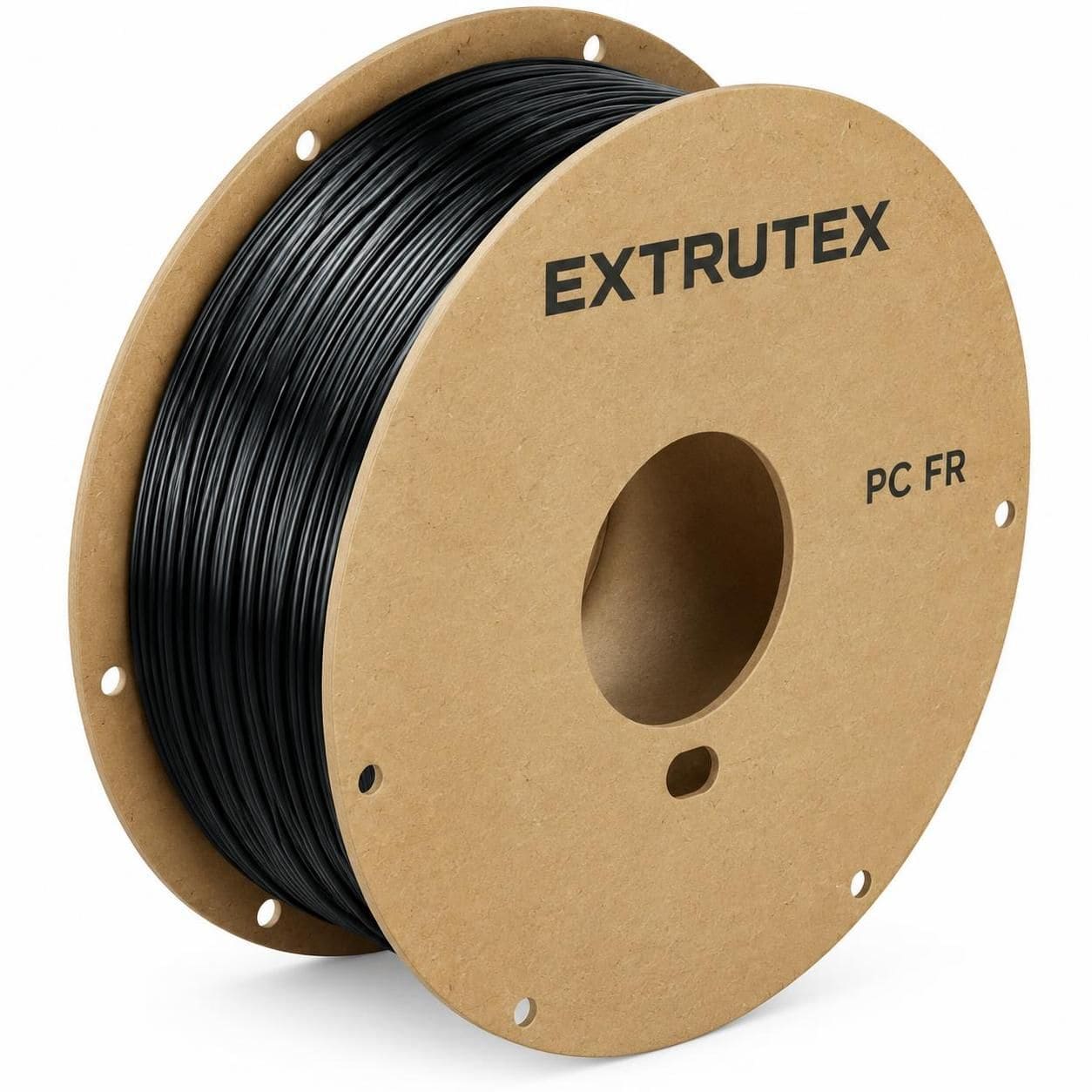
EXTRUTEX PC Polycarbonate 3D Printer Filament is developed for users who need more than ordinary-purpose printing materials. Combining high mechanical strength, impact resistance, heat resistance and excellent optical clarity, PC filament is suitable for demanding functional parts, engineering prototypes and applications where durability and performance matter.
Polycarbonate is a high-performance thermoplastic widely used in engineering applications. Its combination of toughness, rigidity and thermal performance makes it an attractive material for producing functional components that must withstand mechanical stress and challenging operating conditions.
Whether you are developing technical prototypes, transparent components, protective housings or durable mechanical parts, EXTRUTEX PC filament provides a versatile material option for advanced FDM and FFF 3D printing applications.
Key Features of EXTRUTEX PC Filament
High Strength and DurabilityDesigned for functional components requiring mechanical strength, toughness and dependable performance.
Excellent Optical ClaritySuitable for transparent or translucent designs where visual appearance and light transmission are important.
High Temperature ResistancePolycarbonate offers strong thermal performance for applications exposed to elevated temperatures.
Impact ResistanceA tough engineering thermoplastic for parts that may experience impacts and mechanical loading.
Versatile ApplicationsSuitable for engineering prototypes, functional parts, housings and selected consumer-product applications.
Stable Extrusion PotentialOptimized filament formulation aims to support consistent material feeding and smooth extrusion when printing conditions are correctly controlled.
What Is PC Polycarbonate 3D Printing Filament?
PC, or polycarbonate, is an engineering thermoplastic known for its combination of toughness, impact resistance, strength and heat resistance. It is used in many demanding applications where ordinary plastics may not provide sufficient mechanical or thermal performance.
In FDM and FFF 3D printing, PC filament allows users to manufacture functional components directly from digital designs. It can be used for prototypes, mechanical fixtures, protective covers, equipment housings and other parts that require more demanding material properties.
Polycarbonate is also available in grades with different optical characteristics. Depending on the formulation, processing conditions and printed geometry, PC can be used to create transparent, translucent or opaque parts. For applications requiring optical clarity, printing conditions and surface quality are particularly important.
Superior Strength and Mechanical Durability
One of the major advantages of polycarbonate is its mechanical toughness. PC is widely recognized for its high impact strength and ability to withstand demanding mechanical conditions. This makes it useful for functional 3D printed components that need to perform beyond the requirements of simple visual models.
Compared with many general-purpose 3D printing materials, PC is an attractive option when strength, toughness and durability are important selection criteria. It can be considered for mechanical housings, brackets, protective components, fixtures and engineering prototypes.
Actual printed-part performance depends on the PC grade, printer configuration, extrusion conditions, layer bonding, infill structure, part orientation and design. For safety-critical or load-bearing applications, finished components should be tested under their intended operating conditions.
Excellent Optical Clarity for Transparent Applications
Polycarbonate is valued for its optical properties as well as its mechanical performance. Selected PC filament formulations can produce transparent or translucent printed parts, making them useful for designs where visibility, light transmission or appearance is important.
Potential applications include:
- Transparent engineering prototypes.
- Lighting covers and light-diffusing components.
- Display and demonstration models.
- Protective covers and equipment windows.
- Transparent product-design prototypes.
- Decorative components requiring a clear or translucent appearance.
Optical clarity in FDM printing is influenced by layer lines, internal voids, infill patterns, extrusion consistency, cooling and post-processing. A transparent filament does not automatically produce a completely glass-clear printed object. Users should optimize print settings and part design to achieve the required appearance.
High Temperature Performance
Polycarbonate is selected for applications where thermal performance is an important consideration. Its heat resistance makes it suitable for certain functional parts exposed to elevated temperatures, where some conventional 3D printing materials may become too soft or lose dimensional stability.
PC can therefore be considered for equipment housings, mechanical fixtures, functional prototypes and components used in warm operating environments.
However, the maximum operating temperature of a finished printed component depends on the specific PC grade, mechanical loading, exposure duration, printed structure and environmental conditions. A general description of PC as heat resistant should not be treated as a guaranteed continuous service temperature. Refer to the technical data for the exact material grade and validate the finished component before use in demanding environments.
Versatility Across Different 3D Printing Applications
EXTRUTEX PC filament is intended for a broad range of professional, engineering and product-development applications. Its combination of strength, toughness and thermal performance makes it useful for both prototyping and selected functional production applications.
Engineering Prototypes
PC can be used to produce functional prototypes that require greater toughness and mechanical performance than ordinary visual models. Engineers can evaluate component geometry, assembly fit and practical functionality before moving to production.
Mechanical Components
Selected brackets, fixtures, supports, covers and mechanical parts can be manufactured using PC filament. The final design should account for print orientation, layer bonding, wall thickness and expected mechanical loads.
Industrial Equipment Housings
Polycarbonate is suitable for exploring durable housings and protective covers for industrial equipment. Printed components can help teams evaluate enclosure geometry, access points and assembly arrangements.
Lighting and Transparent Components
Where the selected filament grade offers suitable optical properties, PC can be used for lighting prototypes, translucent covers and transparent demonstration components.
Product Development
Product designers can use PC filament to create durable prototypes for testing appearance, assembly, ergonomics and basic functional performance before selecting a final manufacturing process.
Technical Specifications
| Parameter | Specification |
|---|
| Product Name | EXTRUTEX PC Polycarbonate 3D Printer Filament |
| Material | PC – Polycarbonate |
| Material Category | Engineering thermoplastic |
| Printing Technology | FDM / FFF |
| Mechanical Performance | High strength and impact resistance |
| Optical Properties | Excellent clarity available, depending on grade and processing |
| Thermal Performance | High temperature resistance; refer to grade-specific data |
| Filament Diameter | To be confirmed |
| Diameter Tolerance | To be confirmed |
| Spool Weight | To be confirmed |
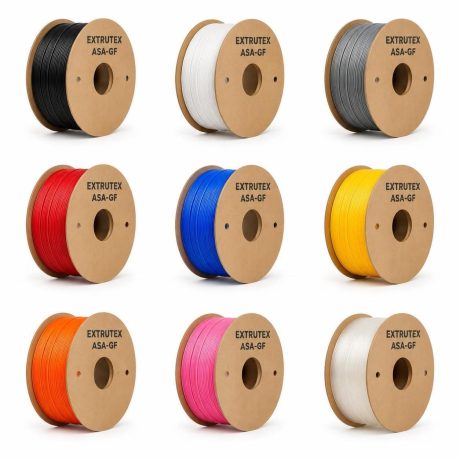
| Available Colors | To be confirmed |
| Nozzle Temperature | Refer to the recommended settings for the selected grade |
| Build Plate Temperature | Refer to the recommended settings for the selected grade |
| Drying Requirements | Follow the grade-specific drying instructions |
Technical information: PC formulations can differ significantly. Please request the technical data sheet for the exact EXTRUTEX grade before selecting printer settings or specifying the material for a production application.
3D Printing Recommendations
Polycarbonate generally requires more careful process control than common entry-level filaments. Printer capability, temperature stability, material dryness and environmental conditions all influence print quality.
Printer Compatibility
Use a 3D printer capable of supporting the recommended processing temperatures of the selected PC grade. Check the manufacturer's specifications for the hotend, heated build plate and enclosure before printing.
Temperature Control
Follow the grade-specific nozzle and build-plate temperature recommendations. Stable temperature control helps maintain consistent extrusion and supports reliable layer bonding.
Material Drying
Polycarbonate can absorb moisture from the surrounding environment. Moisture in the filament may contribute to extrusion irregularities, surface defects, bubbling and reduced print quality. Store the material in a sealed, dry environment and follow the recommended drying procedure supplied for the specific grade.
Print Environment
Temperature fluctuations and drafts can affect the quality of PC prints. A controlled printing environment may help reduce warping and improve dimensional consistency, particularly when producing larger components.
First-Layer Adhesion
Good first-layer adhesion is important when printing engineering thermoplastics. Select a suitable build surface and compatible adhesion solution according to the printer and filament manufacturer's recommendations.
PC Compared with General-Purpose 3D Printing Materials
| Property | PC Polycarbonate | General-Purpose PLA |
|---|
| Mechanical Use | Suitable for demanding functional applications | Commonly used for prototypes and general-purpose parts |
| Impact Performance | Known for high impact resistance | Generally more brittle, depending on grade |
| Heat Performance | High temperature resistance | Generally lower heat resistance |
| Optical Options | Transparent or translucent grades available | Transparent and opaque grades available |
| Printing Requirements | Requires more capable temperature control and process management | Generally easier to print |
| Typical Applications | Engineering prototypes and functional components | Models, prototypes and general-purpose parts |
This is a general material comparison. Actual performance depends on the individual filament grade, printer settings, part design and testing conditions.
Storage and Material Handling
Correct storage is important for maintaining consistent PC filament performance. Moisture exposure can negatively affect extrusion quality and the surface finish of printed components.
- Keep filament in its original sealed packaging until use.
- Store opened spools in airtight containers or suitable dry-storage systems.
- Use desiccants where appropriate to help control humidity.
- Dry the filament according to the technical instructions for the selected grade.
- Avoid unnecessary exposure to humid environments.
- Keep the spool clean and protect it from dust and contamination.
Why Choose EXTRUTEX PC Filament?
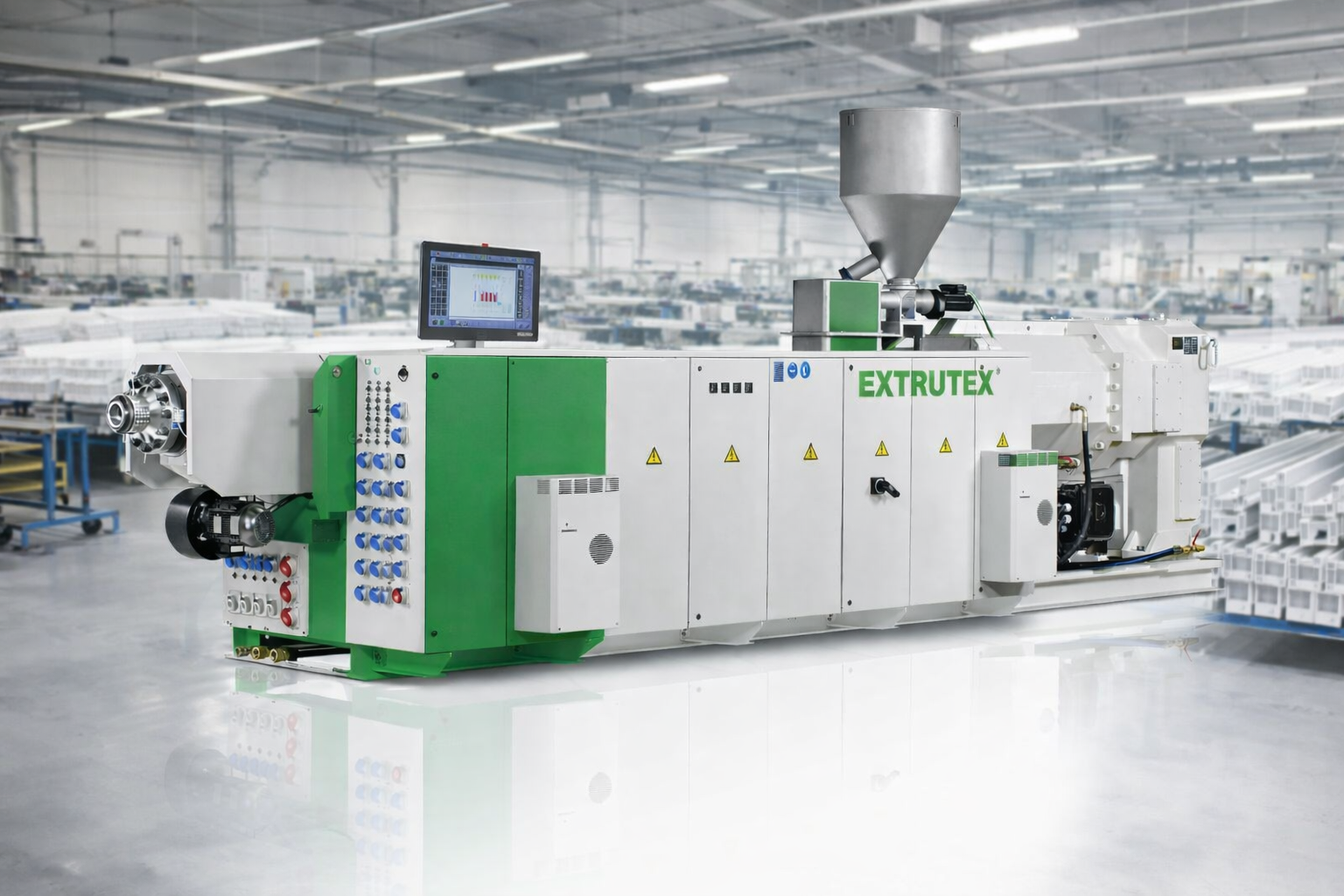
EXTRUTEX focuses on advanced polymer materials and industrial extrusion technologies. Our work combines engineering experience, material development and manufacturing capabilities to serve customers in the global plastics and 3D printing industries.
Our approach connects Austrian design, laboratory and R&D capabilities with manufacturing in China. This structure supports product development, technical evaluation and customized material solutions for different customer requirements.
For PC 3D printing filament, customers can discuss material characteristics, optical requirements, mechanical performance, packaging and potential customization with the EXTRUTEX team.
Frequently Asked Questions
1. What is PC 3D printer filament?
PC filament is a polycarbonate-based thermoplastic material used in FDM and FFF 3D printing. It is known for its strength, toughness, impact resistance and heat resistance. It is commonly selected for functional prototypes and engineering components that require more demanding performance than many general-purpose printing materials.
2. What are the main advantages of PC filament?
The main advantages include high mechanical strength, impact resistance, durability, thermal performance and the availability of grades with excellent optical clarity. These characteristics make PC suitable for a wide range of engineering and product-development applications.
3. Is PC filament stronger than PLA?
PC is generally selected for demanding applications because of its toughness, impact resistance and thermal performance. PLA is easier to print and works well for many prototypes and general-purpose parts. The best choice depends on the mechanical requirements, operating environment and printing capabilities available.
4. Is PC filament impact resistant?
Yes. Polycarbonate is well known for its impact resistance. This makes it useful for parts that may experience mechanical shocks or accidental impacts. However, the impact performance of a printed part depends on the filament grade, layer adhesion, print orientation, infill and component design.
5. Is PC filament heat resistant?
PC offers high heat resistance compared with many common 3D printing materials. It is suitable for selected applications involving elevated temperatures. Always check the technical data sheet for the exact grade and distinguish heat-deflection performance from continuous operating temperature.
6. Can PC filament produce transparent 3D prints?
Selected PC filament grades offer excellent optical clarity and can be used to produce transparent or translucent parts. However, FDM printing creates visible layers and may introduce internal voids. Printing conditions, part geometry and post-processing influence the final optical appearance.
7. Is PC filament suitable for engineering applications?
Yes. PC is commonly considered for functional engineering prototypes, equipment housings, mechanical fixtures, protective covers and other parts requiring strength and toughness. The suitability of a finished component should be confirmed through testing under its intended operating conditions.
8. Is PC filament difficult to print?
PC generally requires more capable printing equipment and better process control than PLA. A suitable hotend, heated build plate, stable temperature conditions and properly dried filament are important. Following the recommendations for the exact material grade helps improve printing consistency.
9. Does PC filament need drying before printing?
Polycarbonate is moisture sensitive, so drying may be necessary, especially when the spool has been exposed to ambient humidity. Follow the drying temperature and duration specified by the filament manufacturer. Incorrect drying conditions may damage the material or spool.
10. Can PC filament be used in ordinary desktop 3D printers?
Not every desktop printer is suitable for PC. The printer must support the processing temperatures and build conditions required by the selected grade. Check the hotend, heated bed and enclosure capabilities before purchasing or using PC filament.
11. What products can be printed with PC filament?
Potential applications include mechanical brackets, functional prototypes, equipment housings, protective covers, lighting prototypes, fixtures and selected transparent components. The material is particularly useful when strength, toughness or thermal performance is an important design consideration.
12. Is PC filament suitable for outdoor applications?
PC may be considered for selected outdoor components, but suitability depends on the exact formulation and exposure conditions. UV exposure, moisture, temperature changes and mechanical loads can affect long-term performance. Confirm outdoor durability with the material supplier and conduct application-specific testing.
13. Can PC filament be used for industrial prototypes?
Yes. PC is a useful option for industrial prototypes that need to withstand handling, mechanical stress or elevated temperatures. It allows designers and engineers to evaluate part geometry and functionality before committing to more expensive manufacturing processes.
14. Why is filament storage important?
Moisture absorption can affect extrusion quality and printed surface appearance. Keeping PC filament sealed and dry helps maintain material consistency. Use appropriate storage containers and follow the manufacturer's drying recommendations when necessary.
15. Can EXTRUTEX provide customized PC filament?
Customization options depend on the selected PC formulation and production requirements. Customers can contact EXTRUTEX to discuss color, packaging, material characteristics and other project-specific requirements. Availability should be confirmed for each requested specification.
16. How can I choose the correct PC filament?
Consider the required mechanical strength, impact performance, optical appearance, heat exposure, printer capability and final application. Request the technical data sheet and confirm that the material's properties match your requirements before starting production or using the printed part in a critical application.
17. Is PC suitable for functional end-use parts?
PC can be suitable for selected functional end-use components when the material grade, print quality and component design meet the application's requirements. For parts exposed to significant loads, heat or safety-related conditions, conduct appropriate validation and testing.
18. How can I request technical information or a quotation?
Contact EXTRUTEX with your required filament diameter, spool weight, color, estimated quantity and application details. Our team can help review the requirements and provide the available technical information for the relevant PC filament grade.
Explore High-Performance PC 3D Printing Materials
Looking for durable polycarbonate filament for engineering prototypes, functional parts or transparent 3D printing applications? Contact EXTRUTEX to discuss your material requirements, technical specifications and customization possibilities.
EXTRUTEX – Advanced Polymer Materials and 3D Printing Solutions.
Visit EXTRUTEX to explore our polymer materials and 3D printing solutions.




-
(0 customer reviews)