No products in the cart.



All rights of this website are reserved for EXTRUTEX Austria and its partner companies, © 2026

Multiple Payment Methods

Discount for advance payments over 50%

Free Shipping Coordination Services
Payment methods:


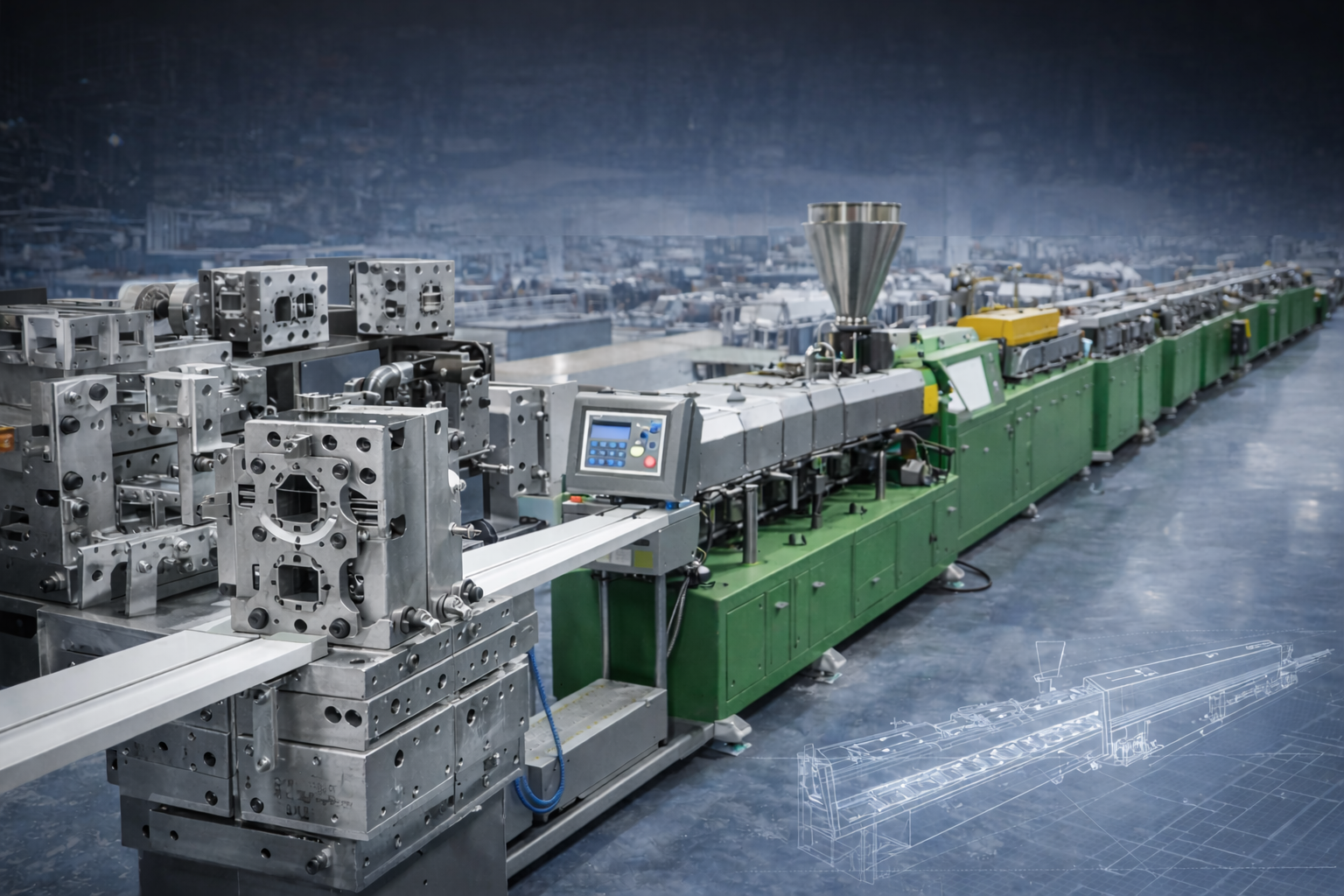
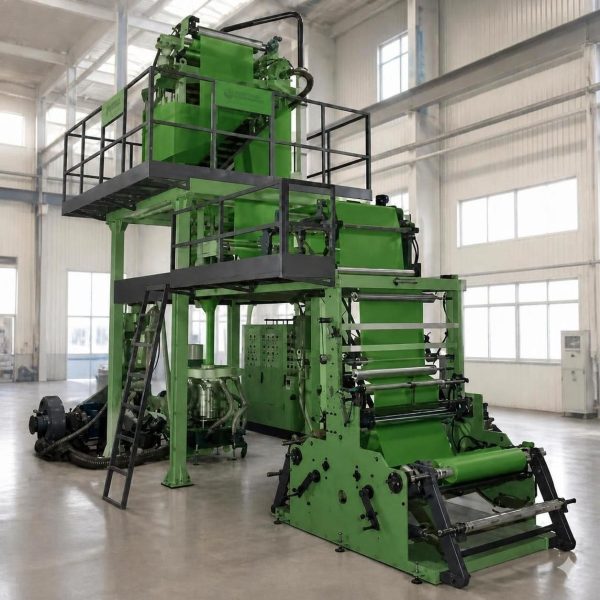
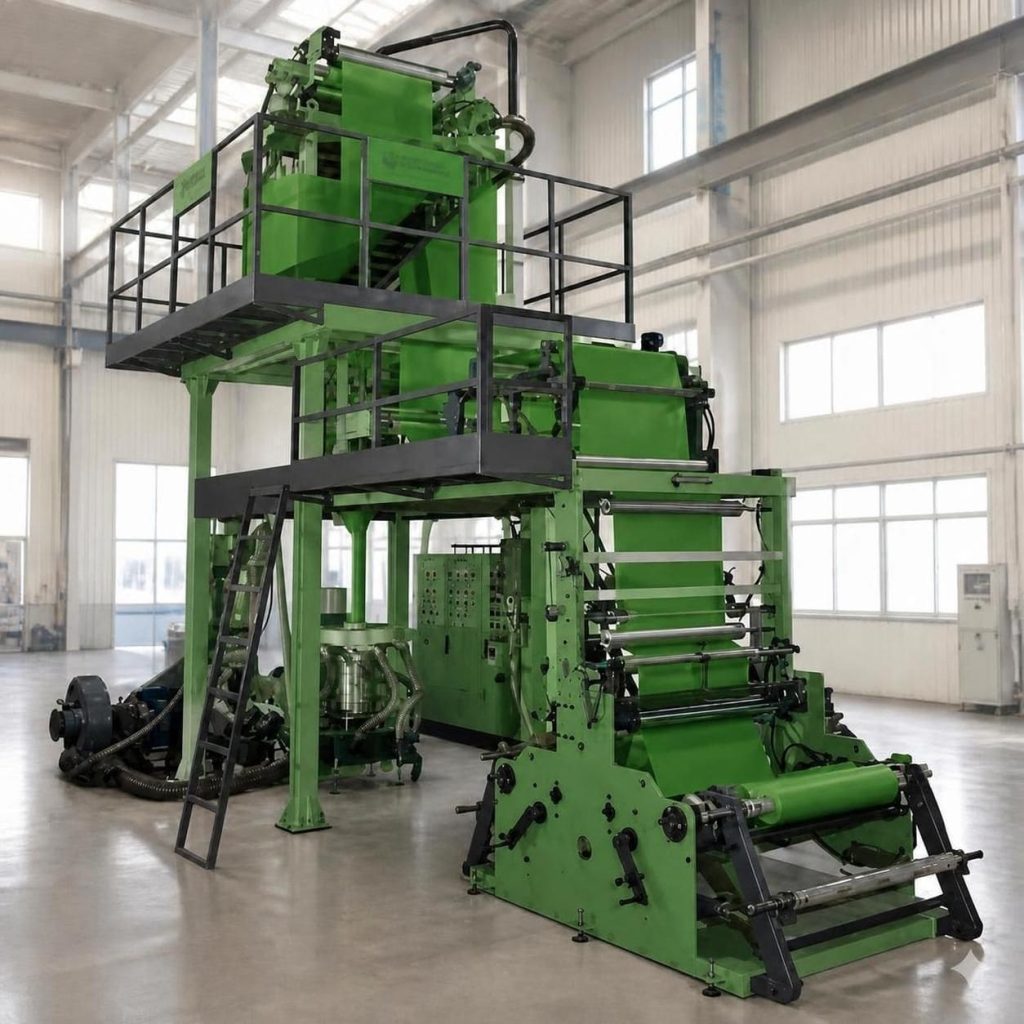
The EXTRUTEX EX-ABA Series ABA Blown Film Line is designed for manufacturers seeking an economical and flexible solution for producing three-layer polyethylene films. Using two extruders and a specialized ABA co-extrusion die head, the system produces a three-layer film structure in which the outer A-layers and central B-layer can be formulated for different purposes.
The ABA structure offers manufacturers opportunities to optimize raw material consumption, incorporate suitable calcium carbonate (CaCO₃) filler masterbatch or compatible recycled pellets into the core layer, and maintain the required surface characteristics of the finished film. Depending on the formulation, layer ratios, and process conditions, this approach can help reduce material costs while producing film suitable for a wide range of flexible packaging applications.
The EXTRUTEX EX-ABA Series is suitable for manufacturers producing express bags, T-shirt bags, shopping bags, plant bags, laundry bags, garbage bags, and other polyethylene film products. Available model configurations provide different film widths and extrusion capacities to accommodate different production requirements.
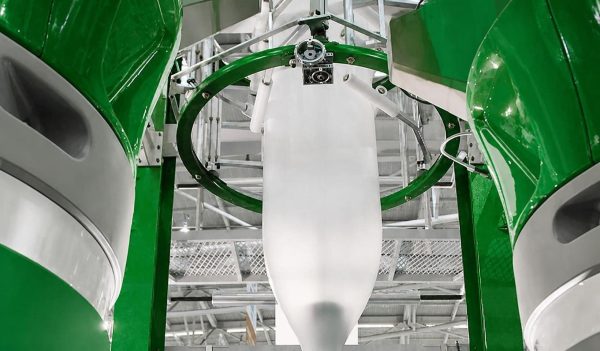
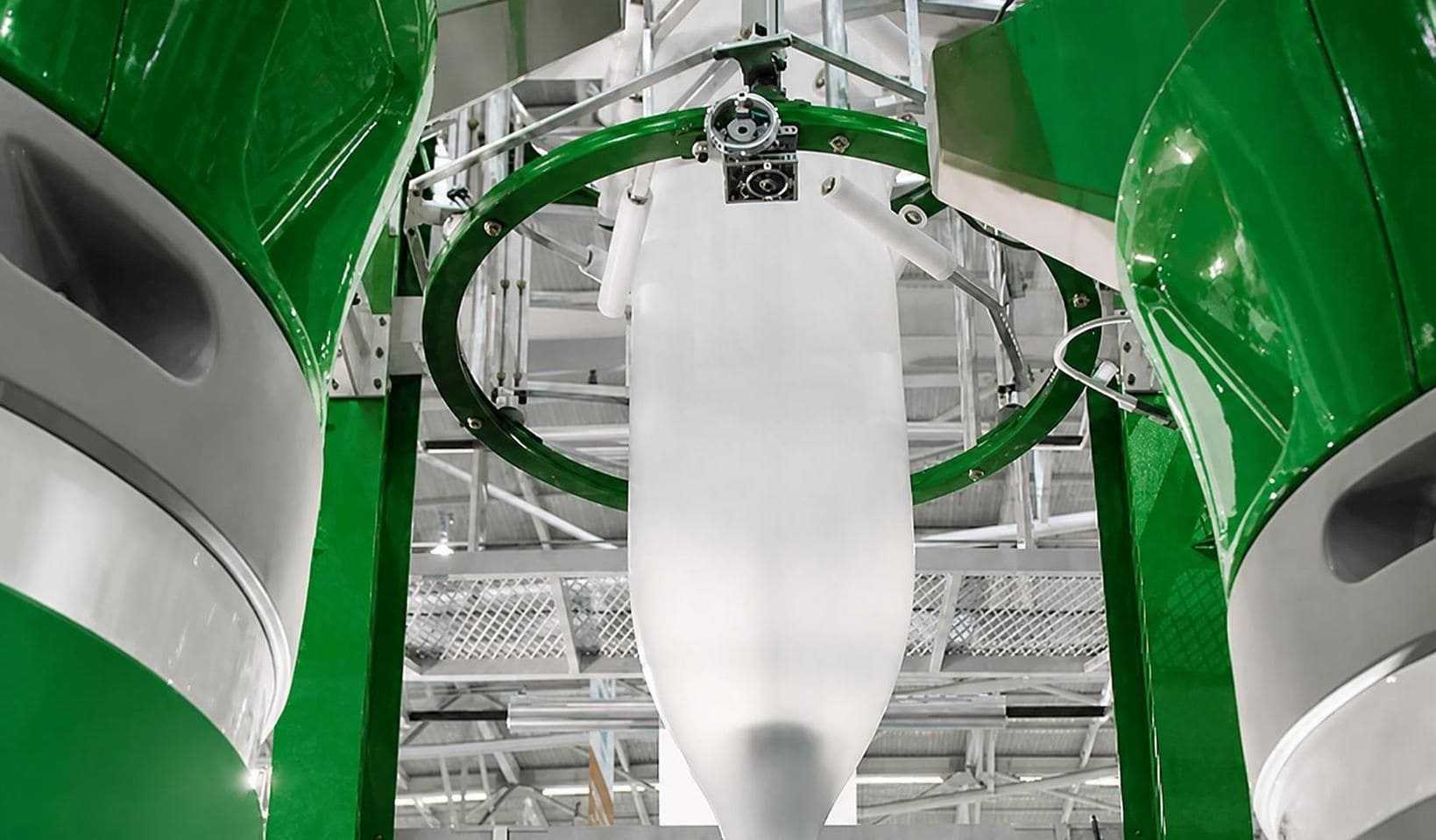
An ABA blown film line is a three-layer co-extrusion system that uses two extruders to produce a film with an A/B/A structure. The two outer A-layers are supplied by one extruder, while the central B-layer is supplied by the second extruder. A specialized co-extrusion die combines these melt streams to form a three-layer tubular film.
Although the film contains three distinct layers, the system requires only two extruders because the outer A-layers are produced from the same extruder and material stream. This configuration can provide a practical balance between multilayer film functionality, equipment investment, and production flexibility.
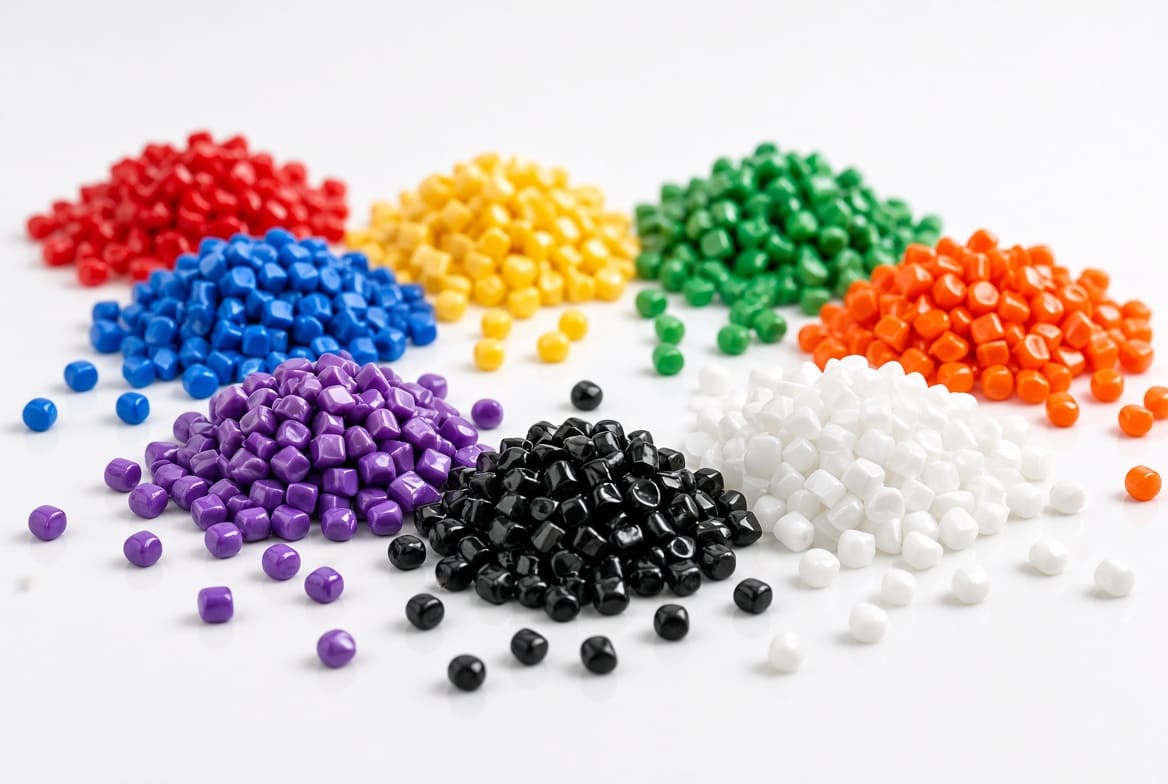
For the EXTRUTEX EX-ABA Series, the outer layers can be formulated using suitable virgin polyethylene materials, while the core layer can incorporate a high concentration of compatible CaCO₃ filler masterbatch or suitable recycled polymer pellets. The actual formulation depends on the intended application, raw material quality, required mechanical performance, and target production cost.
The A/B/A structure allows manufacturers to manage the material composition of the core separately from the outer surfaces. However, the final film's strength, flexibility, sealing behavior, opacity, and appearance depend on the complete formulation, layer thicknesses, and extrusion conditions.
The defining feature of the EXTRUTEX EX-ABA Series is its two-extruder, three-layer configuration. Each extruder performs a different role in forming the final film structure.
The first extruder supplies the polymer melt for both outer A-layers. Suitable polyethylene grades, such as LDPE or LLDPE, can be selected according to the intended product and processing requirements. The outer layers may be designed to provide the required surface quality, flexibility, film handling, and sealing characteristics.
Using the same extrusion stream for both outer layers helps simplify the ABA process. Material selection and temperature control must nevertheless be appropriate for the selected polymer grade and target film thickness.
The second extruder supplies the central B-layer. Depending on the product requirements, this layer can incorporate suitable CaCO₃ filler masterbatch or compatible recycled polymer pellets. The core formulation can be adjusted to manage material cost and selected film properties.
Calcium carbonate is commonly introduced through a polymer-based filler masterbatch rather than untreated mineral powder directly. The carrier resin, filler concentration, dispersion quality, and compatibility with the base polymer are important factors in stable processing and finished-film performance.
Recycled material must also be evaluated for contamination, polymer compatibility, melt behavior, and consistency. Excessive filler loading or unsuitable recycled content may reduce elongation, impact resistance, tear performance, or sealing quality. The core-layer formulation should therefore be developed and tested against the customer's actual film requirements.
The ABA structure allows the core layer to use a different formulation from the outer layers. Where suitable, incorporating CaCO₃ filler masterbatch or compatible recycled pellets into the B-layer can help optimize raw material costs.
The achievable savings depend on the price of each material, the filler or recycled content, the thickness distribution across the layers, and the resulting quality of the finished film. Manufacturers should compare total production cost and saleable output rather than considering raw material price alone.
Different applications require different combinations of stiffness, flexibility, tensile performance, sealing behavior, and appearance. The ABA structure gives manufacturers greater control over the core formulation while retaining a separately supplied outer-layer stream.
This can be useful when developing film for lightweight shopping bags, garbage bags, plant bags, and other packaging products. The formulation must be optimized for the intended application because a lower-cost film is only commercially successful when it meets the customer's performance requirements.
Suitable recycled polyethylene can be considered for the core layer, depending on its quality and compatibility with the outer-layer material. Using recycled feedstock may help reduce demand for virgin polymer and support resource-efficiency objectives.
The practical recycled content depends on the material source, sorting and cleaning quality, filtration requirements, process stability, and required finished-film properties. Recycled content should be confirmed through production trials and quality testing.
Separating the core stream from the outer-layer stream allows the two material systems to be managed independently. This can help manufacturers balance material cost with the surface characteristics required for converting, printing, sealing, and bag production.
ABA co-extrusion does not automatically guarantee higher strength than monolayer film. Performance depends on polymer grades, layer ratios, filler loading, film thickness, orientation, and process settings. The benefits should be verified using representative production samples.
The following table presents the supplied reference specifications for the EXTRUTEX EX-ABA Blown Film Line.
| Model | Applicable Materials | Screw Diameters (mm) | Film Layflat Width (mm) | Film Thickness (mm) | Extrusion Capacity (kg/h) |
|---|---|---|---|---|---|
| EX-ABA900 | LDPE / LLDPE / MDPE / HDPE | 45 / 55 | 800 | 0.015–0.10 | 100 |
| EX-ABA1100 | LDPE / LLDPE / MDPE / HDPE | 50 / 55 | 1,000 | 0.015–0.10 | 160 |
| EX-ABA1300 | LDPE / LLDPE / MDPE / HDPE | 55 / 75 | 1,200 | 0.015–0.10 | 250 |
Technical note: Screw diameters are listed in the same order as the two extruders in the supplied model data. The capacities are reference values and may vary according to material grade, filler content, film thickness, layflat width, layer ratios, and operating conditions. The actual production configuration and achievable output should be confirmed with EXTRUTEX before ordering.
The EXTRUTEX EX-ABA Series is specified for suitable grades of LDPE, LLDPE, MDPE, and HDPE. The most appropriate material depends on the finished product and the requirements of the core and outer layers.
Although the reference data lists these polyethylene families, not every grade or blend is suitable for every ABA formulation. A material trial is recommended when changing resin grades, filler loading, or recycled content.
ABA blown film can be used to manufacture film for reusable or single-use shopping bags, depending on the market, material specification, and applicable regulations. The required film strength, flexibility, thickness, and sealing performance should be established for the intended bag design.
T-shirt bags are widely used in retail and general-purpose packaging. Film formulation should account for handle strength, tear resistance, load capacity, and the quality of the bag-making process.
Garbage bags require a suitable balance of flexibility, puncture resistance, tear performance, and sealing reliability. The ABA structure can provide formulation flexibility, but filler and recycled content must be controlled to maintain the specified performance.
Plant bags and nursery bags are used for handling plants, soil, and growing media. Depending on the application, film may require flexibility, resistance to handling damage, and appropriate environmental performance.
Film for laundry bags can be produced using suitable polyethylene formulations. The target product may require a particular thickness, flexibility, bag size, or closure arrangement.
Express bags are used in parcel delivery, e-commerce, and logistics. The film formulation may need to balance low weight with tear resistance, impact performance, sealing strength, and compatibility with printing and bag-converting equipment.
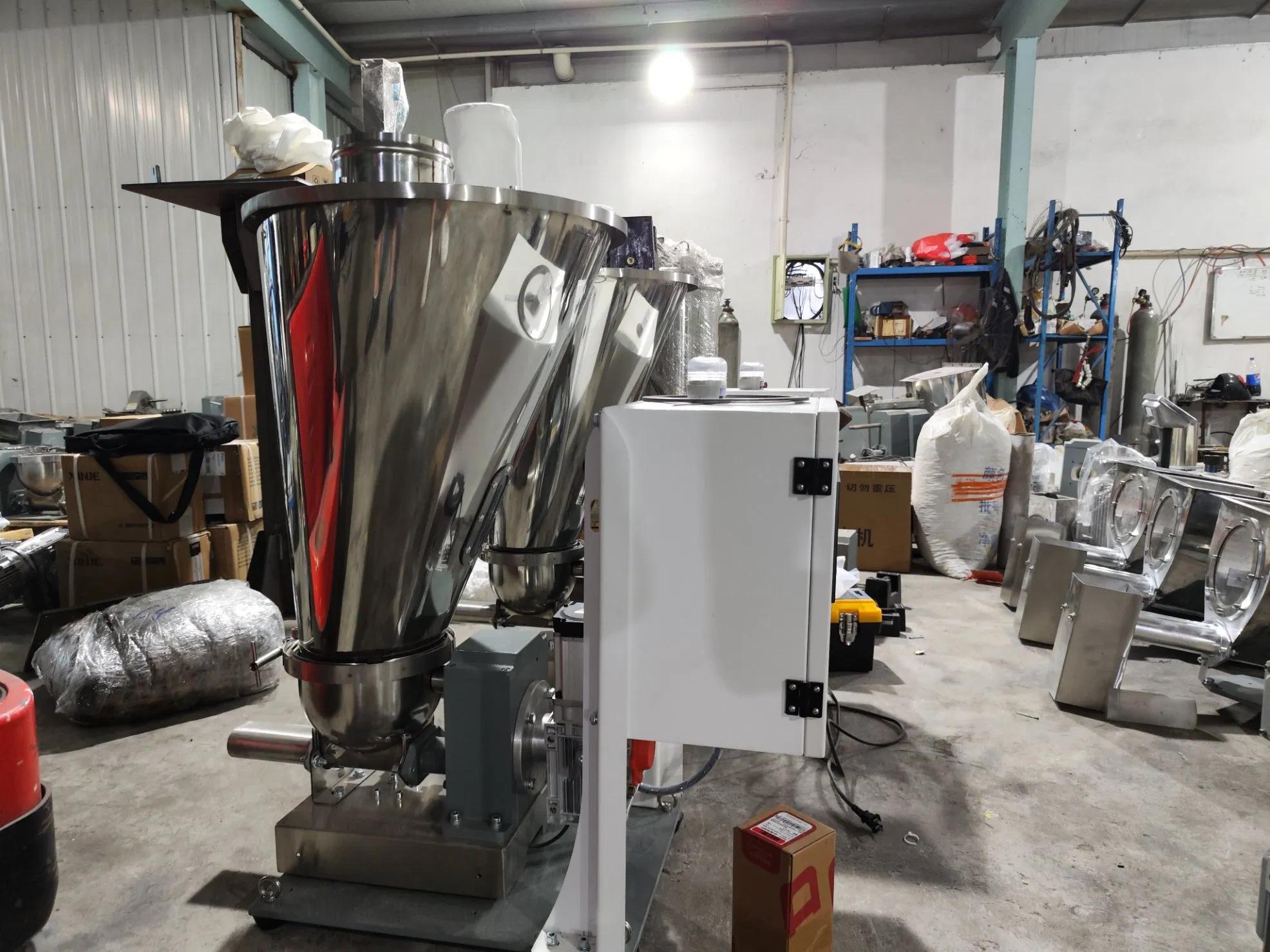
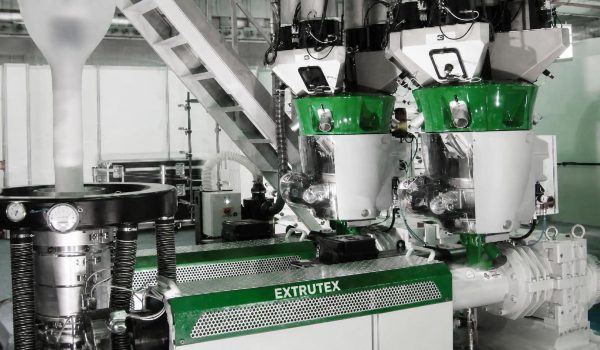
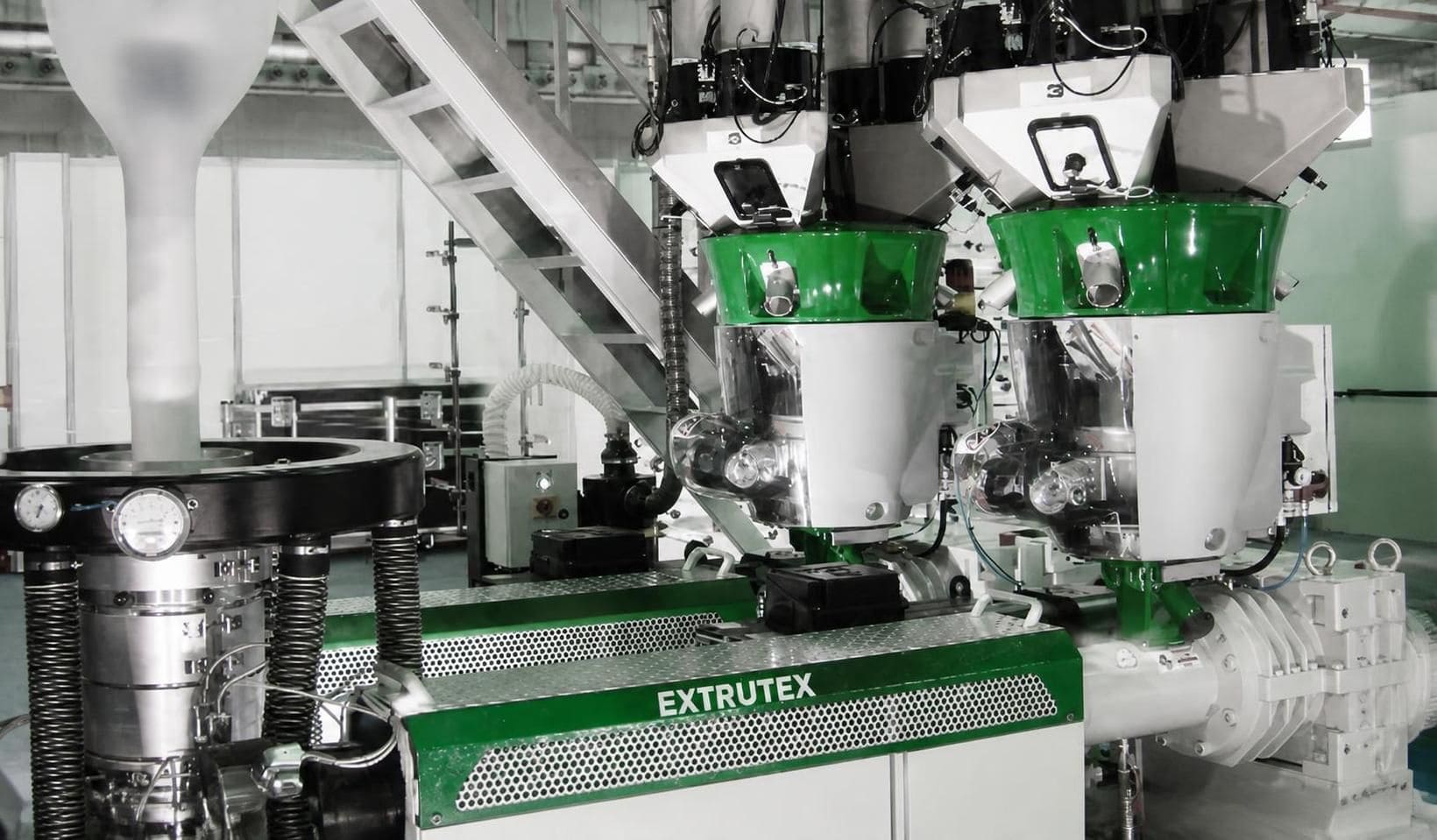
The feeding system supplies polymer resin, filler masterbatch, or suitable recycled pellets to the respective extruders. Accurate material preparation and consistent feeding help maintain stable output and the intended formulation. Dosing and blending equipment can be selected according to the raw material system.
The two extruders melt and convey the materials used for the outer A-layers and central B-layer. Screw design, screw diameter, drive power, temperature settings, and throughput must be matched to the polymer grades and formulation.
The specialized ABA die head combines the melt streams into the A/B/A structure. Appropriate die design and stable flow distribution are important for layer uniformity and film quality.
The cooling system removes heat from the film bubble and supports stable film formation. Cooling performance affects production stability, bubble behavior, and the achievable operating speed.
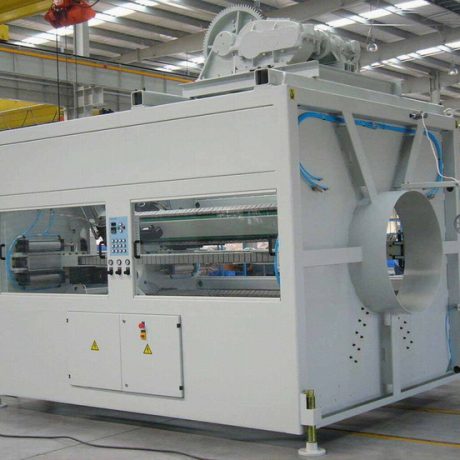
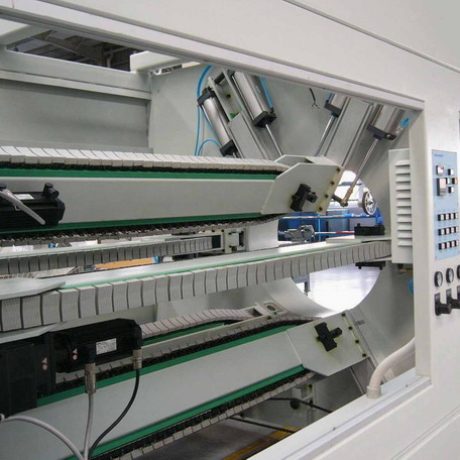
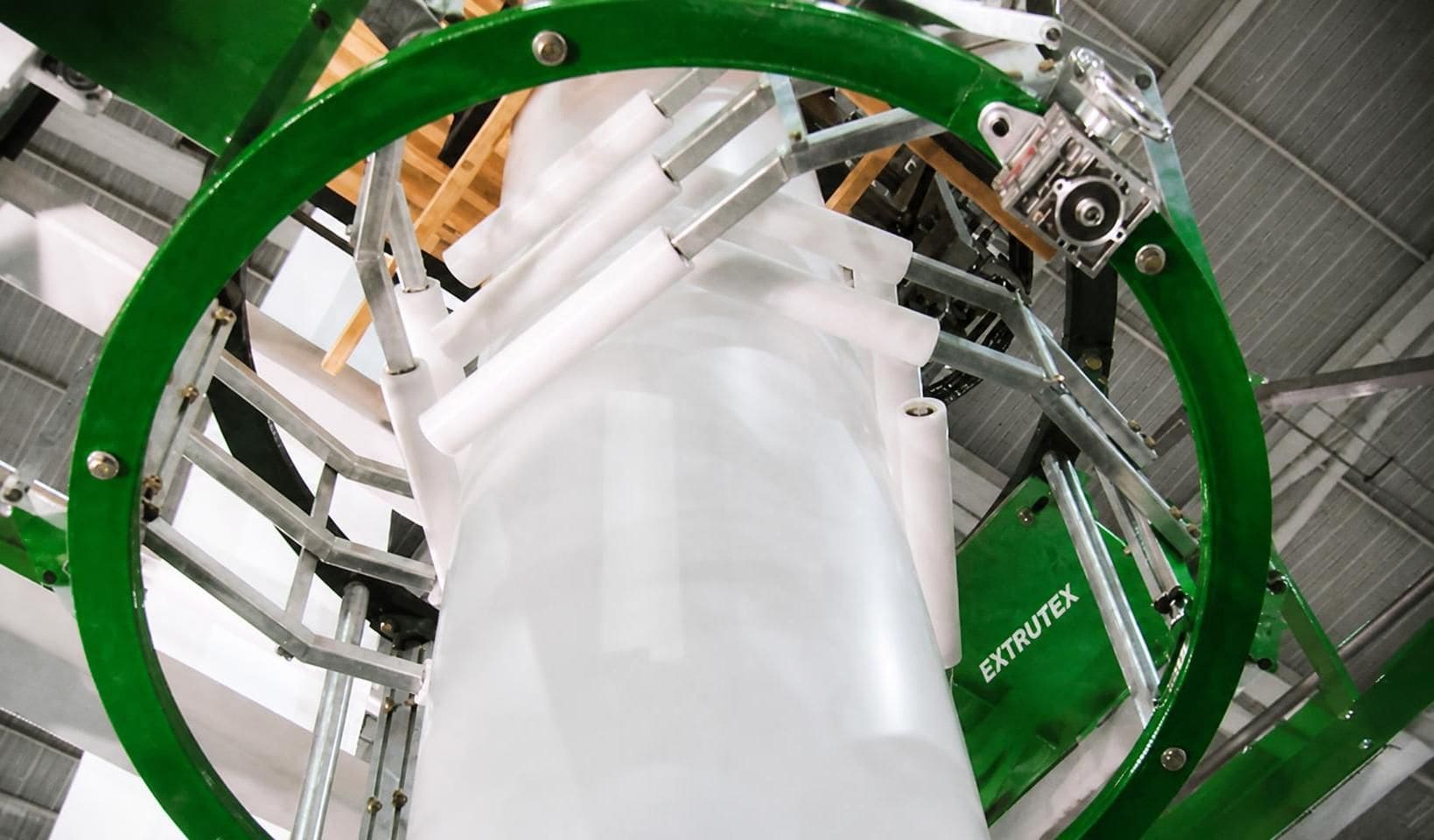
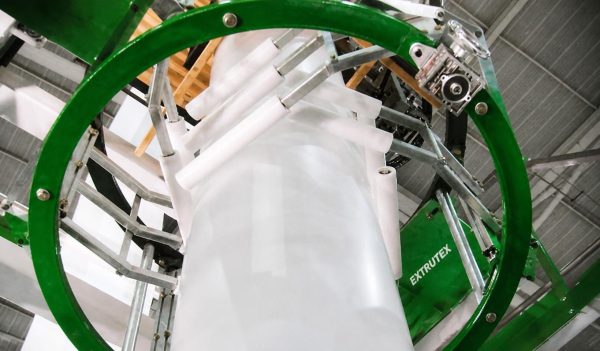
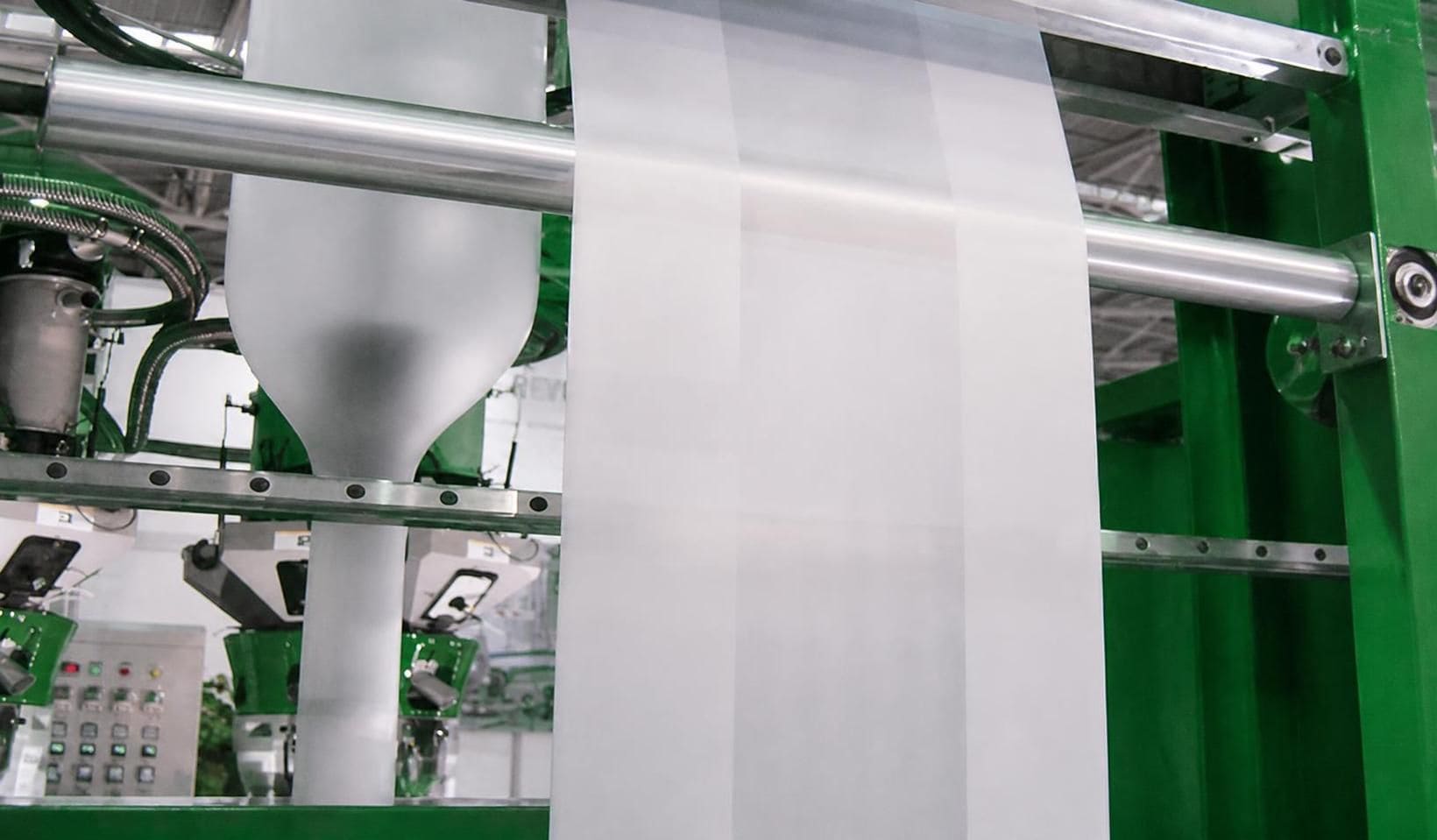
The haul-off system draws the film through the line, while the collapsing frame guides the bubble into a flat tubular film. Correct alignment and synchronized operation help reduce wrinkles and dimensional variation.
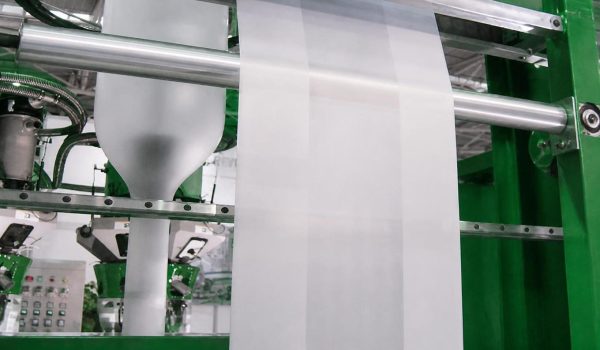
The winding system collects the film into rolls for storage and further processing. Winding tension and roll handling should be matched to the film thickness, width, and downstream bag-making requirements.
Consistent film quality requires coordinated control of the extrusion and downstream process. Manufacturers should define the required product specification before optimizing material formulations and production settings.
Increasing CaCO₃ content or recycled content can affect film strength, elongation, surface appearance, and processing stability. Formulations should therefore be validated using production trials and the customer's required acceptance criteria.
ABA co-extrusion can provide manufacturers with an opportunity to optimize material costs by assigning different formulations to the outer and core layers. When the core can accommodate a suitable filler masterbatch or recycled feedstock, the overall material composition may be adjusted to meet both cost and performance targets.
The economic result depends on raw material prices, filler loading, recycled material availability, production yield, energy use, waste generation, and the quality requirements of the finished product. A cost comparison should include the total cost per kilogram of saleable film and the film's performance in its intended application.
Using recycled material can support resource efficiency when the material is appropriately sourced and processed. However, a film's environmental impact also depends on its complete material composition, manufacturing process, intended use, collection and recycling infrastructure, and local waste-management systems. Filled or multilayer film should not be assumed to be recyclable in every system simply because it contains recycled material.
Before installation, the factory should prepare adequate floor space, electrical supply, ventilation, material storage, and any cooling or compressed-air utilities required by the selected configuration.
During commissioning, operators should verify the extruder drives, temperature-control systems, die heating, cooling performance, bubble stability, haul-off synchronization, and winding operation. Initial production trials should establish suitable processing conditions for the selected resin and core-layer formulation.
Routine maintenance should include inspection of screws and barrels, heaters, thermocouples, gearboxes, die surfaces, rollers, cooling components, and winding equipment. Cleaning and material-change procedures should be followed carefully to reduce contamination and maintain stable operation.
Operators should receive training in safe start-up and shutdown, hot-polymer handling, process monitoring, troubleshooting, and machine safety. Maintenance schedules should follow the equipment documentation and the actual operating environment.
Choosing the right ABA blown film line requires more than selecting a rated output. The following information helps determine the most suitable configuration:
Providing a film sample, raw material specification, and target production volume allows EXTRUTEX to evaluate the application and recommend an appropriate machine configuration.
The two outer A-layers are supplied by one extruder, while the central B-layer is supplied by the second extruder. The ABA die head combines the two melt streams into a three-layer film structure.
Yes, suitable CaCO₃ filler masterbatch can be used in the core layer when the carrier resin, filler loading, and formulation are compatible with the equipment and finished-film requirements. High filler loading can affect mechanical properties, so trials and quality testing are recommended.
Suitable recycled polyethylene pellets may be used after evaluating material quality, contamination, melt behavior, and compatibility. The appropriate recycled content depends on the required film performance and processing conditions.
Typical target applications include express bags, T-shirt bags, plant bags, laundry bags, shopping bags, and garbage bags. The final suitability depends on the film formulation, dimensions, and product requirements.
Output depends on the selected model, polymer grade, film width and thickness, core formulation, layer distribution, cooling performance, and operating conditions. Confirm achievable output using the intended raw materials and product specifications.
The EXTRUTEX EX-ABA Series offers a practical platform for manufacturers seeking three-layer ABA film production with flexible core-layer formulation. By combining two extrusion streams through a specialized ABA die head, the line can support production planning for a variety of polyethylene bag and packaging films.
Contact EXTRUTEX with your target film dimensions, material grades, filler or recycled content, production capacity, and final application. Our team can assess the appropriate configuration for your manufacturing requirements.
EXTRUTEX – Practical Blown Film Extrusion Solutions for Flexible Packaging.
There are no reviews yet.
By submitting your email, you agree to our company’s terms and conditions.
We are not looking to sell; we are here to provide you with the best support and service.
Contact available 24/7
Please do not contact us for advertising or sales inquiries
All rights of this website are reserved for EXTRUTEX Austria and its partner companies, © 2026
-
(0 customer reviews)