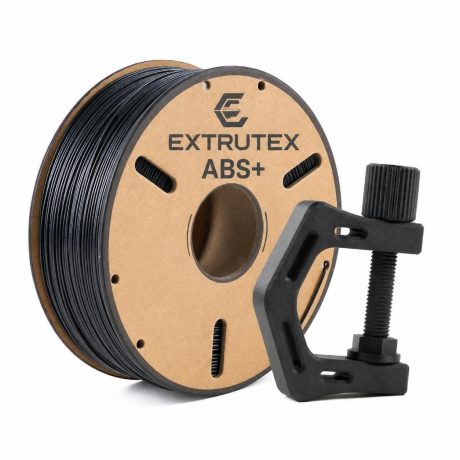
EXTRUTEX ABS-GF Glass Fiber Reinforced 3D Printer Filament
High-strength engineering ABS filament with glass fiber reinforcement, a matte surface finish and excellent printability.
EXTRUTEX ABS-GF is a glass fiber reinforced ABS 3D printing filament developed for functional components, industrial tooling, work jigs, fixtures and engineering prototypes that require increased rigidity and mechanical strength. By combining an ABS material base with glass fiber reinforcement and material modification, ABS-GF is designed to deliver a stronger and more rigid printed material while retaining the practical processing characteristics of ABS-based filament.
The material offers a distinctive matte, frosted surface appearance and is suitable for applications where appearance, dimensional design and functional performance are important. Its excellent printability and high-speed printing capability make it a practical option for professional users and industrial 3D printing environments.
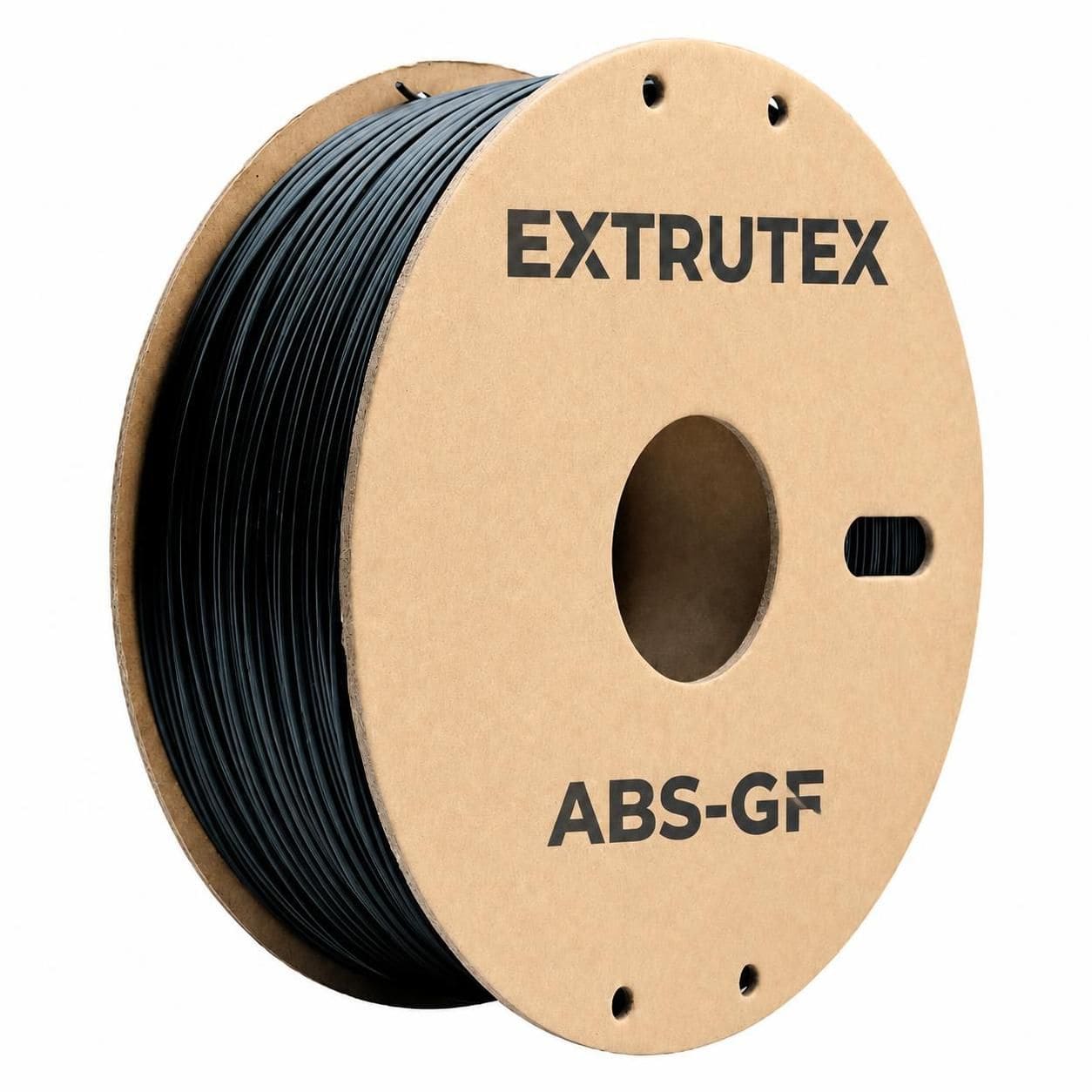
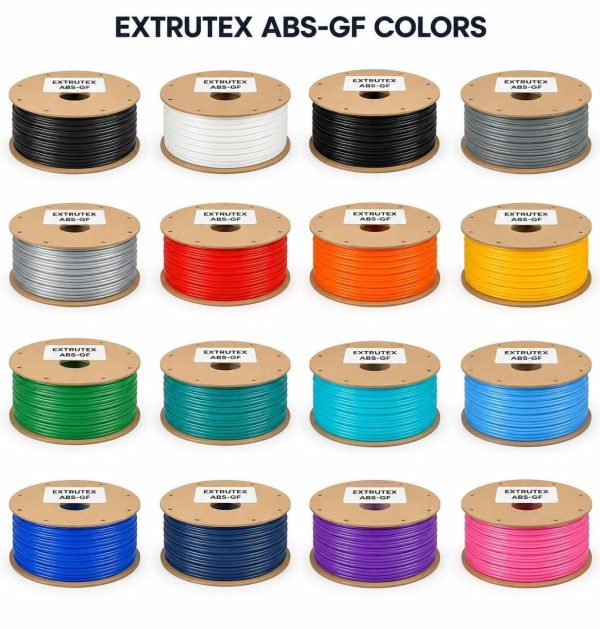
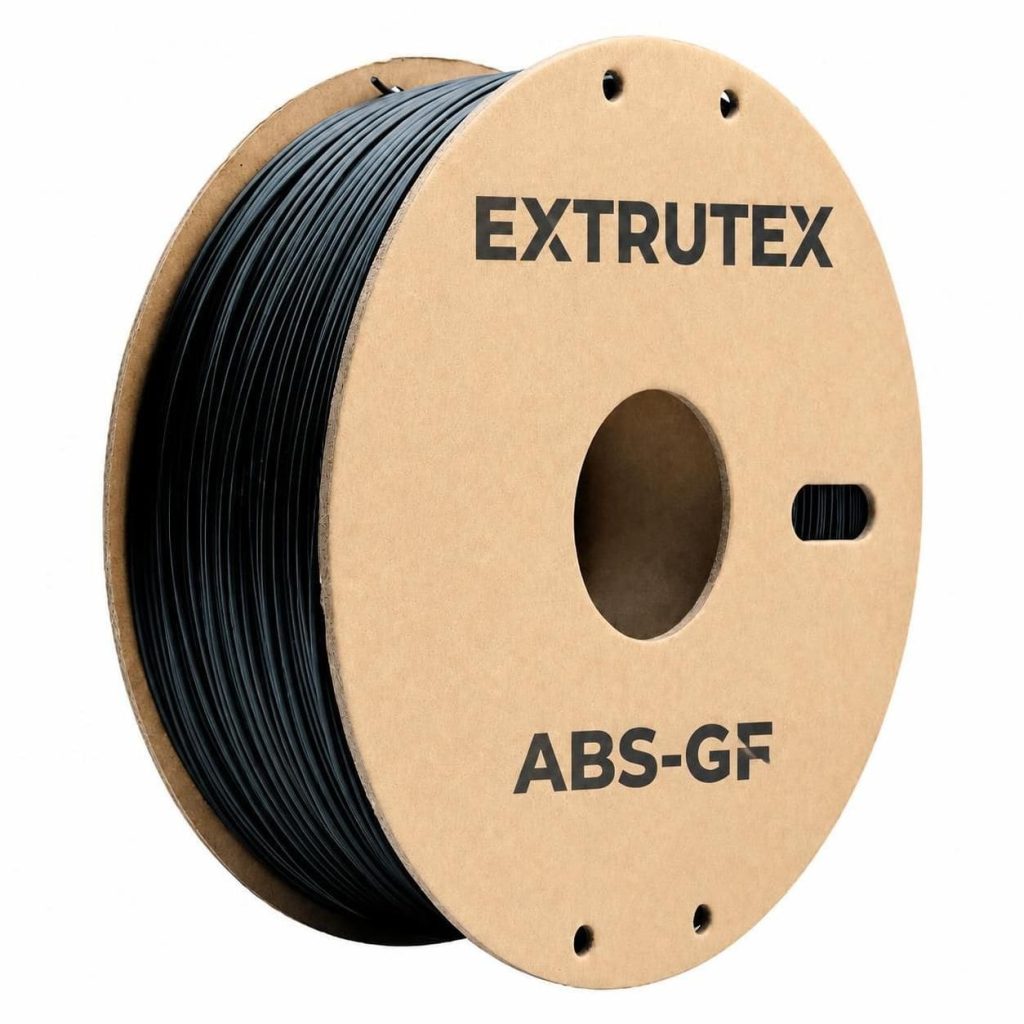
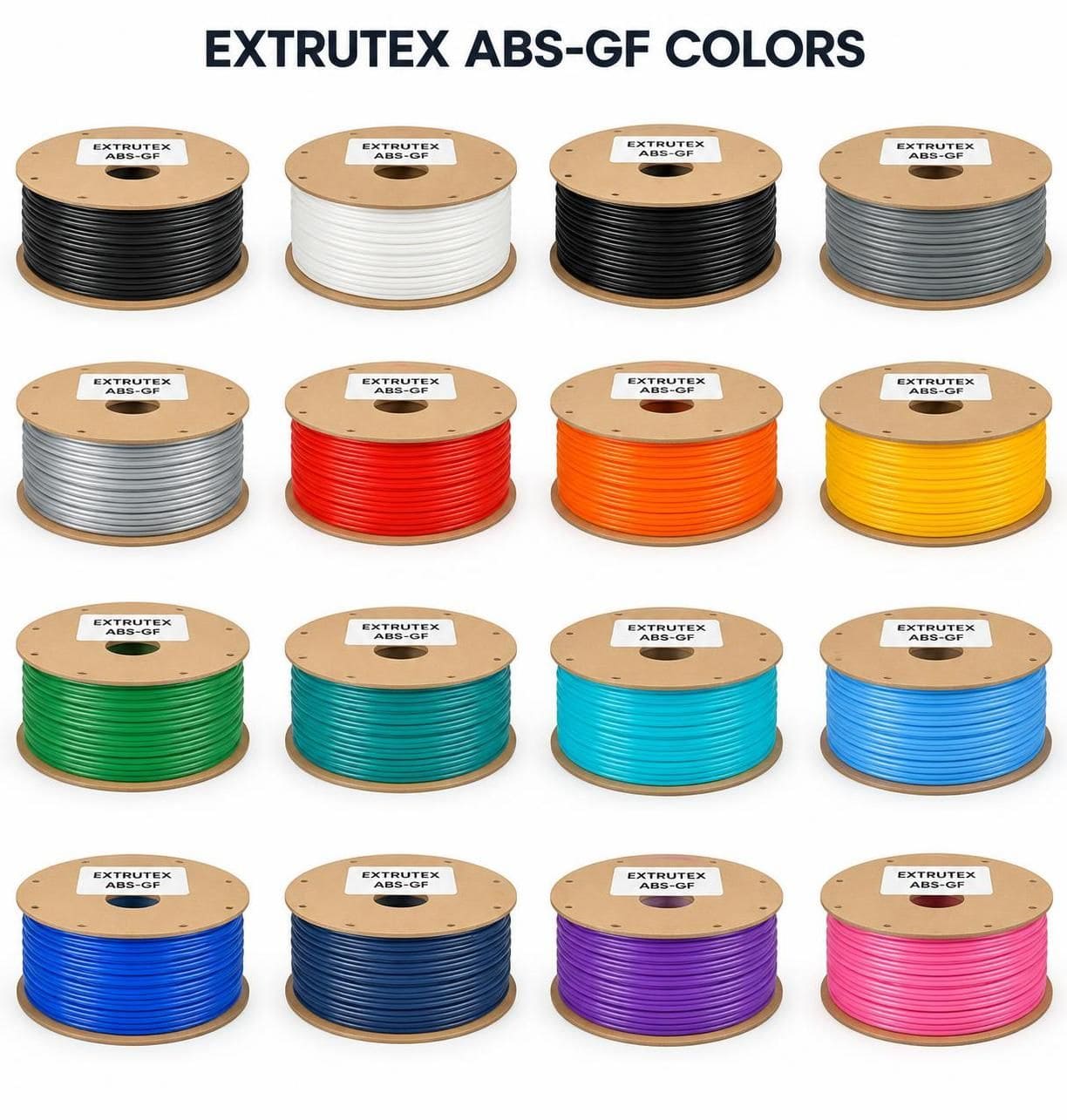
Available in 1.75 mm diameter and 1 kg spools, EXTRUTEX ABS-GF is offered in several colors, with customized color options available on request.
Key Features of ABS-GF Filament
Glass Fiber Reinforcement
Reinforced ABS formulation designed to improve rigidity and mechanical strength.
High Strength
Suitable for functional parts, work jigs, fixtures and industrial prototypes.
Matte Surface Finish
Produces a distinctive matte, frosted appearance on printed components.
Excellent Printability
Developed for consistent extrusion and practical printing performance.
High-Speed Printing
Suitable for high-speed printing workflows when printer and process settings are properly optimized.
Multiple Color Options
Available in several standard colors, with customized colors available on request.
What Is ABS-GF Glass Fiber Reinforced Filament?
ABS-GF is an engineering-grade 3D printing material based on acrylonitrile butadiene styrene (ABS) and reinforced with glass fibers. The addition of glass fiber changes the mechanical behavior of the base polymer, helping improve rigidity and strength for selected applications.
Ordinary ABS is widely used in FDM and FFF 3D printing because of its toughness, practical processing characteristics and suitability for functional parts. However, some industrial applications require greater stiffness and improved resistance to deformation. Glass fiber reinforcement is used to address these requirements.
EXTRUTEX ABS-GF combines glass fiber reinforcement with ABS material modification to provide a filament intended for stronger functional components. It is particularly relevant for workholding tools, assembly fixtures, manufacturing aids, equipment components and prototypes that need more rigidity than standard ABS can provide.
Glass Fiber Reinforcement and Mechanical Performance
Glass fibers are commonly used as reinforcing materials in engineering plastics. When incorporated into a polymer matrix, they can help increase stiffness and reduce deformation under suitable loading conditions. The actual mechanical performance depends on the fiber formulation, fiber content, fiber length, material distribution, printing direction and processing conditions.
In 3D printing, the orientation of deposited material and the bonding between printed layers also influence the final strength of a component. For this reason, part design and print orientation should be considered alongside the material's reinforcement characteristics.
High Rigidity for Industrial Applications
One of the main reasons to select ABS-GF is its increased rigidity compared with conventional unreinforced ABS formulations. This makes it suitable for components that need to retain their shape during handling, assembly, positioning or repeated use.
Industrial users can consider ABS-GF for manufacturing aids, custom fixtures, machine accessories, positioning tools and functional prototypes. These applications often require a balance between strength, stiffness, production flexibility and the ability to create customized geometries without conventional tooling.
Work Jigs and Fixtures
Work jigs and fixtures are used to position, hold, guide or support components during manufacturing and assembly. They may need to maintain their geometry while subjected to repeated handling and mechanical contact.
ABS-GF is designed for applications where increased rigidity is desirable. It can be used to produce customized fixture components, assembly guides, positioning brackets, inspection aids and other workshop tools. The suitability of a printed fixture should be evaluated according to its applied loads, contact conditions and expected service life.
Industrial Machinery and Equipment
Manufacturers can consider glass fiber reinforced ABS for selected machine accessories, brackets, equipment covers, mounting components and customized functional parts. Additive manufacturing allows these components to be produced in different shapes and sizes without the need to manufacture a dedicated injection mold.
Functional Prototypes
ABS-GF is suitable for engineering prototypes where rigidity and structural behavior are important. Designers can use it to evaluate assembly arrangements, component positioning, mechanical fit and product geometry before committing to more expensive manufacturing processes.
Matte and Frosted Surface Appearance
EXTRUTEX ABS-GF features a matte surface appearance that gives printed parts a professional, understated finish. The glass fiber reinforced formulation creates a distinctive frosted texture compared with the smoother appearance commonly associated with standard ABS filament.
This finish can be useful for industrial housings, tooling components, functional prototypes and equipment accessories where a low-gloss surface is preferred. The final appearance will depend on layer height, nozzle configuration, printing speed, cooling settings and model geometry.
For users developing both functional and visually consistent components, ABS-GF provides a combination of reinforced material characteristics and a distinctive matte finish.
Excellent Printability and High-Speed Printing
ABS-GF is developed for practical printing performance and supports high-speed printing when used with a compatible 3D printer and optimized process settings. This can help professional users produce functional parts and prototypes efficiently.
Printing performance is influenced by the printer's extrusion system, hotend capacity, filament feeding mechanism, temperature control, cooling arrangement and the geometry of the printed model. High-speed capability should therefore be treated as a material feature that still requires appropriate machine configuration and validation.
Printing in an Enclosed Chamber
Important: ABS-GF has relatively high material shrinkage. Temperature management during printing is important, particularly for large models and parts with wide flat surfaces or complex geometries.
Printing in an enclosed 3D printer is recommended to help maintain a more stable temperature around the model. A controlled printing environment can reduce temperature differences between the deposited material and the surrounding air, helping manage warping and dimensional changes.
Cooling and Overhang Performance
The supplied material guidance indicates that ABS-GF has somewhat lower cooling performance. Depending on the model geometry, users may need to introduce a suitable amount of part cooling to improve the appearance of overhangs and detailed structures.
Where overhang quality is insufficient, consider adjusting the cooling fan, reducing print speed or redesigning the model's overhang geometry. Printing tests are recommended to identify the best balance between layer bonding, surface quality and dimensional stability.
Printing reminder: ABS-GF has relatively high shrinkage. Use an enclosed printer and pay attention to temperature management. Cooling can be adjusted according to model geometry, especially for overhangs. If print quality is inconsistent, test a lower printing speed and optimize the cooling settings.
Available Colors and Customization
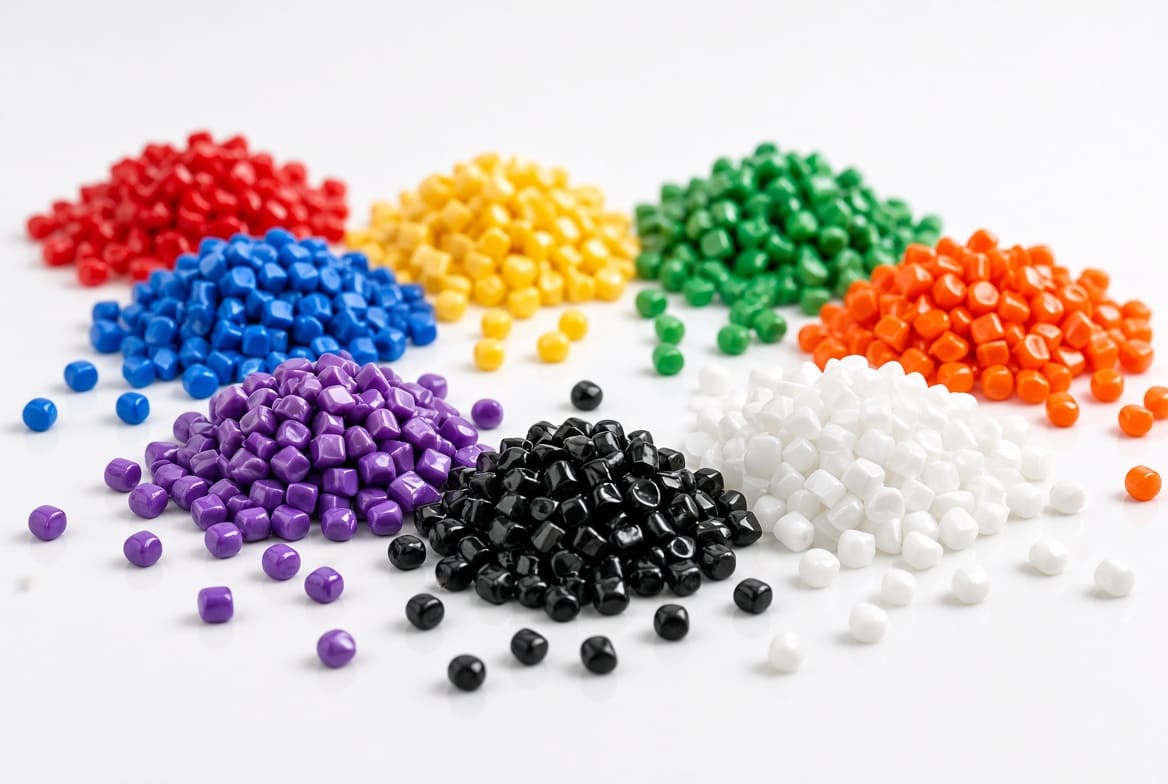
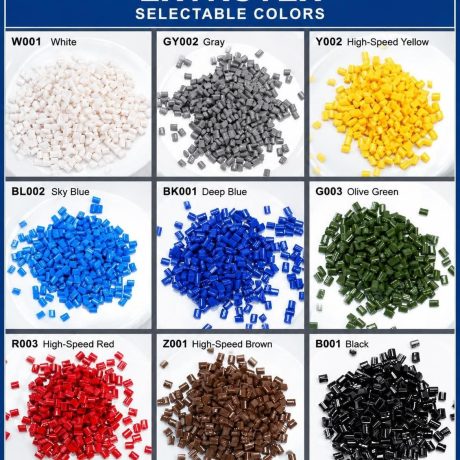
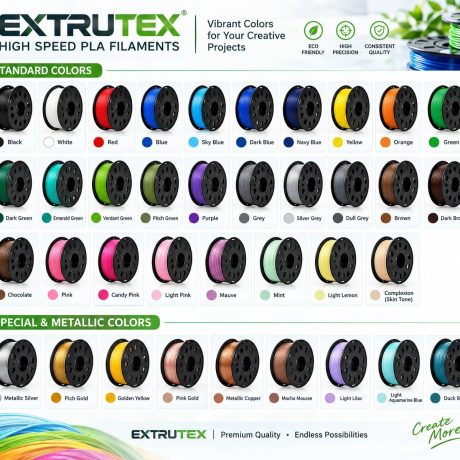
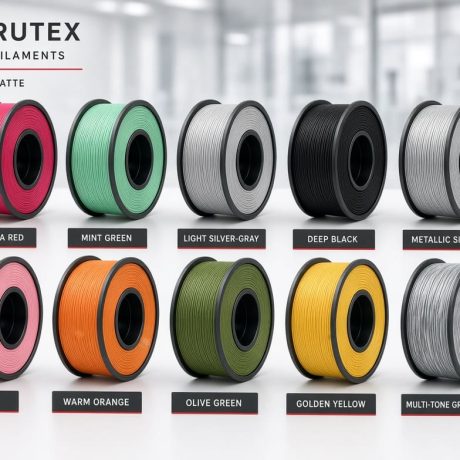
EXTRUTEX ABS-GF is available in several colors for different industrial, engineering and product development requirements.
- Black
- Gray
- Red
- Orange
- White
- Blue
- Customized colors upon request
Custom color development may be considered for manufacturers that require consistent identification colors, product-specific appearances or material differentiation across their 3D printed components. Please contact EXTRUTEX to confirm the available customization options and order requirements.
Technical Specifications
| Product Name | EXTRUTEX ABS-GF |
|---|
| Material | Glass Fiber Reinforced ABS |
|---|
| Filament Diameter | 1.75 mm |
|---|
| Net Weight | 1 kg per spool |
|---|
| Available Colors | Black, gray, red, orange, white and blue |
|---|
| Custom Colors | Available upon request |
|---|
| Surface Appearance | Matte / frosted texture |
|---|
| Mechanical Characteristics | High rigidity and reinforced strength |
|---|
| Impact Resistance | Excellent impact resistance according to the supplied product description |
|---|
| Chemical Resistance | Good chemical corrosion resistance according to the supplied product description |
|---|
| Printing Characteristics | Excellent printability and high-speed printing capability |
|---|
| Recommended Printer | Compatible enclosed FDM / FFF 3D printer |
|---|
| Typical Applications | Work jigs, fixtures, industrial tooling, functional prototypes and machinery components |
|---|
Note: Exact glass fiber content, tensile strength, flexural strength, impact test values, printing temperature, heated bed temperature, shrinkage percentage, dimensional tolerance and recommended print speed should be confirmed in the latest EXTRUTEX technical data sheet.
Recommended Printing Guidelines
ABS-GF is intended for functional and engineering applications. Correct material handling and printer configuration are important for achieving consistent results.
1. Use an Enclosed 3D Printer
Because ABS-GF has relatively high shrinkage, an enclosed printer is recommended. An enclosure helps reduce temperature fluctuations around the printed component and supports more controlled cooling during the printing process.
2. Manage the Printing Environment
Avoid sudden temperature changes and strong uncontrolled airflow around the model. Large parts and components with wide flat surfaces may require particular attention to temperature stability and bed adhesion.
3. Adjust Cooling According to Geometry
The material's cooling behavior may require additional attention when printing bridges, overhangs or detailed structures. A suitable amount of cooling can improve these features, but excessive cooling may affect layer bonding and increase the risk of warping. Adjust the fan gradually and evaluate the results.
4. Optimize Printing Speed
ABS-GF supports high-speed printing, but the appropriate speed depends on the printer's extrusion capacity, hotend performance, model geometry and required surface quality. If overhangs or fine details are not satisfactory, reducing print speed may improve the result.
5. Consider Part Orientation
FDM and FFF printed parts have direction-dependent mechanical properties. Orient components so that their expected loads are appropriately supported by the deposited layers. For work jigs and fixtures, consider the contact points, bending forces and repeated loading conditions.
6. Store Filament Properly
Keep the filament protected from moisture and environmental contamination. Follow the supplier's storage and drying instructions before use, particularly if the spool has been exposed to humid conditions.
ABS-GF Compared with Standard ABS
Standard ABS is a widely used engineering thermoplastic filament with a broad range of functional printing applications. ABS-GF builds on the ABS material base by incorporating glass fiber reinforcement and material modification.
| Comparison | Standard ABS | ABS-GF |
|---|
| Material Structure | Unreinforced ABS formulation | Glass fiber reinforced ABS |
|---|
| Rigidity | Standard ABS rigidity | Designed for increased rigidity |
|---|
| Surface Appearance | Generally smoother finish | Distinctive matte / frosted finish |
|---|
| Industrial Tooling | Suitable for selected applications | Designed for demanding jigs and fixtures |
|---|
| Printing Environment | Temperature management recommended | Enclosed printer recommended due to shrinkage |
|---|
| Cooling Adjustment | Depends on model geometry | May require specific cooling adjustments for overhangs |
|---|
The best choice depends on the requirements of the finished part. Standard ABS may be suitable for general functional printing, while ABS-GF is intended for applications where increased rigidity and a reinforced material structure are important.
Frequently Asked Questions
1. What is ABS-GF 3D printer filament?
ABS-GF is a glass fiber reinforced ABS filament developed for engineering and industrial 3D printing. Glass fiber reinforcement and material modification are used to improve rigidity and mechanical performance. It is suitable for functional prototypes, work jigs, fixtures and selected industrial components.
2. What does GF mean in ABS-GF?
GF stands for glass fiber. It indicates that the ABS material contains glass fiber reinforcement. This reinforcement is used to improve the stiffness and strength characteristics of the polymer compared with an unreinforced ABS formulation.
3. What are the main advantages of ABS-GF?
The main advantages include increased rigidity, reinforced mechanical performance, a matte surface appearance, excellent printability and high-speed printing capability. It is particularly useful for selected industrial applications where the printed component needs to maintain its shape and withstand functional use.
4. Is ABS-GF stronger than ordinary ABS?
ABS-GF is designed to improve rigidity and mechanical strength through glass fiber reinforcement. However, the exact comparison depends on the material formulation, fiber content, print orientation and testing method. For critical applications, compare the technical data sheets and test printed components under actual operating conditions.
5. Why does ABS-GF have a matte surface?
The glass fiber reinforced formulation gives ABS-GF a characteristic matte or frosted appearance. This differs from the smoother surface typically associated with standard ABS filament. The final surface finish also depends on layer height, nozzle configuration, print speed and model geometry.
6. Is ABS-GF suitable for work jigs and fixtures?
Yes. Work jigs and fixtures are among the intended applications for this material. Its reinforced construction and increased rigidity make it a candidate for positioning tools, assembly guides, brackets, inspection fixtures and other manufacturing aids. The design should be validated for the actual loads and working conditions.
7. Can ABS-GF be used for industrial machinery parts?
ABS-GF can be considered for selected machine accessories, functional brackets, equipment components, protective covers and customized tooling. The final application should be assessed for mechanical loading, temperature, chemical exposure and expected service life.
8. Why is an enclosed printer recommended?
ABS-GF has relatively high material shrinkage. An enclosed printer helps maintain a more stable temperature around the printed model, reducing sudden temperature changes during printing. This is particularly important for larger parts and models with wide surfaces that may be more susceptible to warping.
9. Does ABS-GF have high shrinkage?
Yes. The supplied product guidance identifies relatively high shrinkage as an important processing characteristic. Users should pay attention to temperature control, bed adhesion and enclosure conditions. The exact shrinkage percentage should be confirmed from the product's technical data sheet.
10. Should the cooling fan be switched on when printing ABS-GF?
Cooling can be adjusted according to the printed model. ABS-GF may require additional cooling attention for overhangs and detailed structures. A suitable fan setting can improve the appearance of these features, but excessive cooling may negatively affect layer bonding or increase warping. Test settings gradually.
11. Can ABS-GF be printed at high speed?
ABS-GF is designed for high-speed printing capability. Actual achievable speed depends on the printer, hotend capacity, extrusion system, temperature control and model geometry. Users should optimize the settings to maintain consistent extrusion, dimensional accuracy and surface quality.
12. What filament diameter is available?
EXTRUTEX ABS-GF is available in 1.75 mm diameter. Before ordering, confirm that the printer's filament feeding and extrusion systems are designed for this diameter.
13. What is the spool weight?
The standard spool contains 1 kg of ABS-GF filament. This format is suitable for professional users, engineering workshops, product development teams and industrial 3D printing applications.
14. Which colors are available?
Available colors include black, gray, red, orange, white and blue. Customized colors may also be available upon request, subject to confirmation by EXTRUTEX.
15. Is ABS-GF resistant to chemicals?
The supplied product description identifies good chemical corrosion resistance. However, chemical resistance depends on the specific chemical, concentration, temperature, exposure duration and printed part condition. Test the material against the intended chemical environment before using it in demanding applications.
16. Is ABS-GF suitable for impact-resistant components?
The supplied product description identifies excellent impact resistance. Actual impact performance depends on the material formulation, printing conditions, part geometry and direction of impact. For components exposed to repeated impacts or safety-critical loads, validate the finished printed part through appropriate testing.
17. Can ABS-GF replace metal parts?
ABS-GF can replace certain low-load metal components in applications where reduced weight, customized geometry or rapid production is beneficial. However, it should not automatically be treated as a direct metal replacement. Temperature, stiffness, load capacity, fatigue behavior and environmental conditions must be evaluated for each application.
18. What should I do if printed overhangs look poor?
Consider adjusting the part cooling fan, reducing printing speed or changing the model's overhang geometry. Because cooling behavior can affect both surface quality and layer adhesion, make gradual adjustments and test the results before producing larger batches.
19. Is ABS-GF suitable for large 3D printed parts?
It can be used for large parts, but its relatively high shrinkage makes temperature management especially important. An enclosed printer, stable printing environment, suitable bed adhesion and optimized model orientation can help reduce warping risks. Large parts should be validated with trial prints.
20. Can I request customized ABS-GF colors?
Yes. EXTRUTEX offers customized color options upon request. Contact the EXTRUTEX team with your preferred color requirements and intended application so that availability and customization conditions can be confirmed.
EXTRUTEX Engineering Filaments and Material Solutions
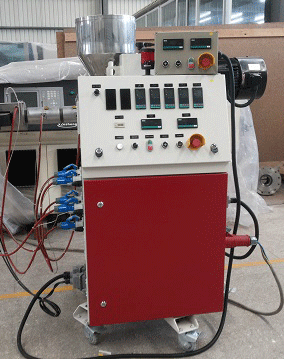
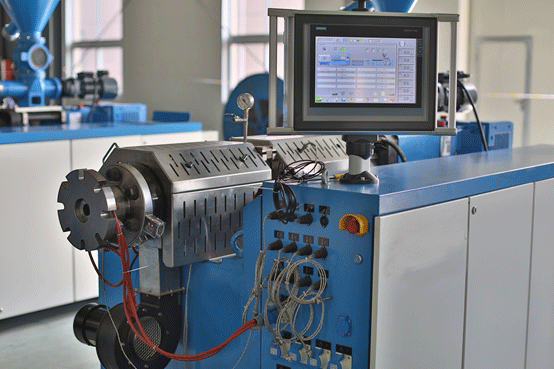
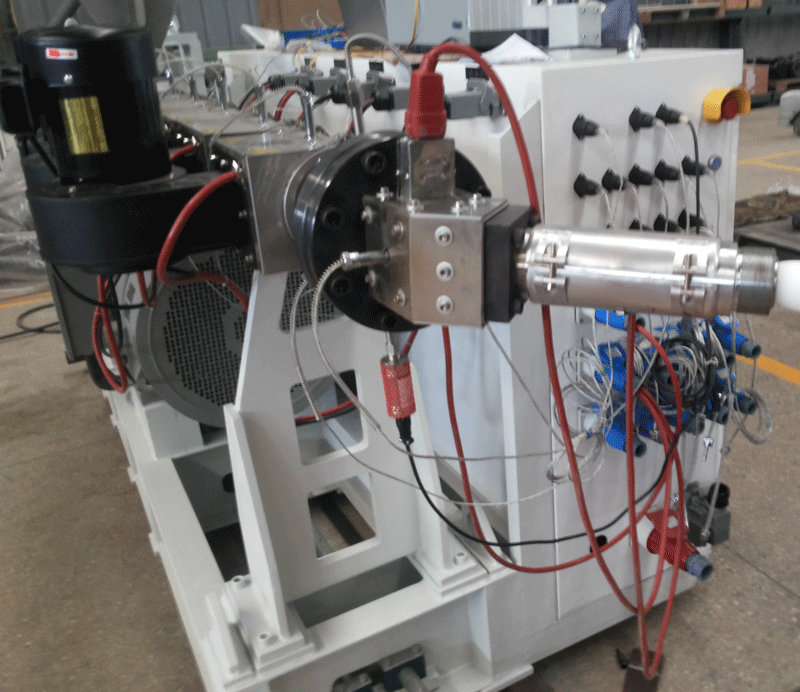
EXTRUTEX supplies engineering-oriented 3D printing materials for professional users, product developers and industrial manufacturers. The product range includes ABS-based filaments and other polymer materials designed for different functional, mechanical and processing requirements.
With design, laboratory and R&D activities in Austria and manufacturing in China, EXTRUTEX combines material development with industrial production capabilities. The goal is to provide practical material solutions for manufacturers who need reliable processing, application-specific properties and flexible product options.
Request ABS-GF Filament Information
Looking for glass fiber reinforced ABS filament for industrial tooling, work jigs, fixtures or functional 3D printed components?
Contact EXTRUTEX for product availability, technical specifications, color options and application support.
Visit EXTRUTEX – extruder.co




-
(0 customer reviews)