Additive Masterbatch
Functional additives for improved plastic processing, surface properties and product performance.
EXTRUTEX Additive Masterbatch solutions are designed for plastic manufacturers who need to introduce specific functional properties into polymer products or address production and processing challenges. Additive masterbatch consists of functional ingredients dispersed in a compatible polymer carrier, allowing manufacturers to introduce selected additives into their production materials through controlled dosing.
Depending on the formulation, additive masterbatch can provide UV stabilization, antioxidant protection, antistatic performance, slip properties, anti-blocking, anti-fog functionality, lubrication, mold release and other application-specific benefits.
Rather than adding individual powdered or liquid additives directly into a production process, manufacturers can use a concentrated masterbatch to simplify handling and support more controlled additive distribution. The appropriate product depends on the base resin, additive chemistry, processing technology, dosage and required performance.
EXTRUTEX approach: Additive selection starts with understanding the actual production problem. Film blocking, excessive friction, static electricity, outdoor degradation, mold release difficulties and surface defects require different technical solutions. The correct additive must be compatible with the polymer and the intended manufacturing process.
What Is Additive Masterbatch?
Additive masterbatch is a concentrated preparation of one or more functional additives dispersed in a polymer carrier resin. It is added to a base polymer during processing to introduce a specific function or modify selected material characteristics.
The carrier resin is an important part of the formulation. It should be compatible with the base polymer and suitable for the processing conditions. For example, an additive masterbatch intended for polyethylene film production may not be directly suitable for every polypropylene, polyamide or engineering plastic application.
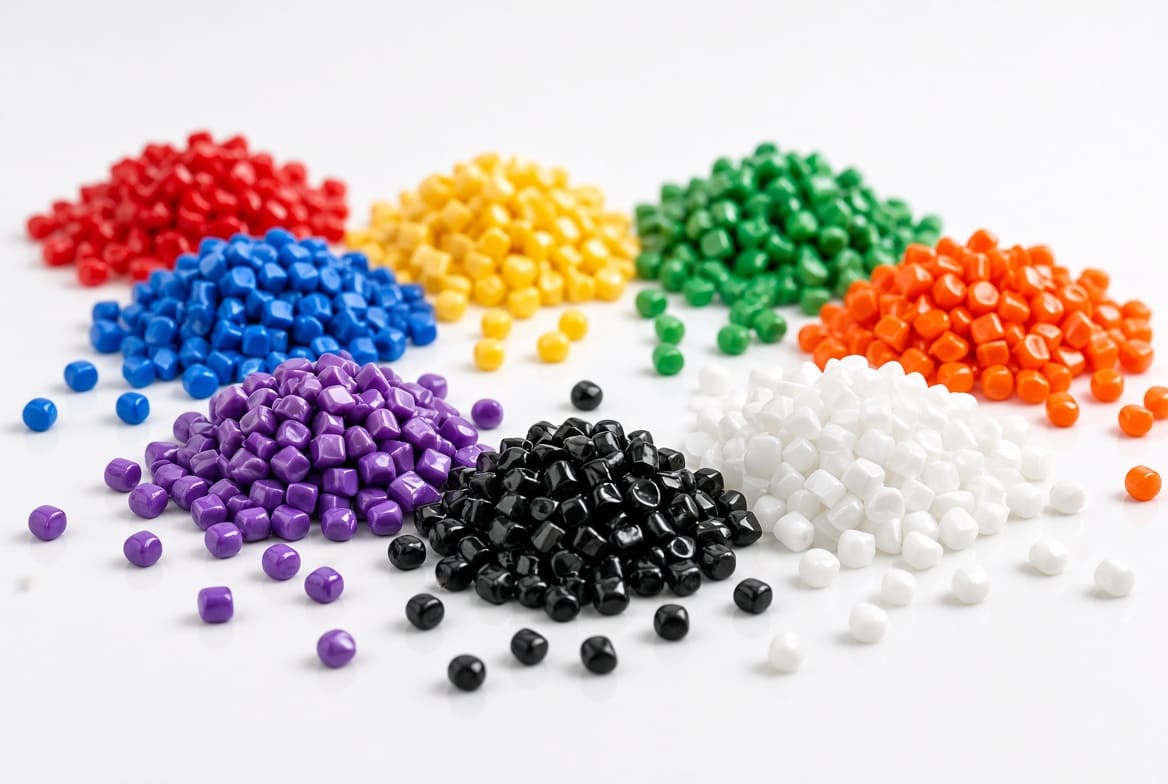
Additive masterbatch is commonly supplied in pellet form and blended with the production resin at a specified dosage. During extrusion or molding, the additives disperse through the polymer melt and provide their intended function in the finished product.
How Additive Masterbatch Works
- Concentrated formulation: Functional additives are incorporated into a compatible carrier resin.
- Controlled dosing: The masterbatch is added to the base polymer according to the recommended let-down ratio.
- Melt processing: The material is mixed and processed through suitable extrusion or molding equipment.
- Additive distribution: The functional ingredients disperse within the polymer during processing.
- Functional performance: The finished product develops the intended property when the formulation and processing conditions are suitable.
Why Choose EXTRUTEX Additive Masterbatch?
Application-Based Selection
Choose additives according to the actual product requirement, production problem, resin type and processing technology.
Multiple Functional Additive Groups
Explore solutions for UV protection, oxidation control, static reduction, slip, anti-blocking, anti-fog and processing support.
Resin Compatibility
Consider the carrier resin, additive chemistry and base polymer together to reduce the risk of incompatibility or poor dispersion.
Production Problem Evaluation
Identify whether the issue relates to friction, film separation, static charge, surface defects, degradation or processing behavior.
Sample Testing Support
Evaluate additive performance through production trials before adopting a formulation for regular manufacturing.
Cost-in-Use Considerations
Evaluate the required dosage, processing benefits, finished-product performance and overall material consumption rather than comparing concentrate prices alone.
When Should You Use Additive Masterbatch?
Additive masterbatch is useful when a plastic manufacturer needs to introduce a functional property without completely changing the base polymer formulation. It can also help address production problems that are difficult to solve through machine adjustment alone.
- When plastic film layers stick together during winding, storage or handling.
- When film surfaces require lower friction for improved handling and packaging operations.
- When outdoor plastic products need improved resistance to UV exposure.
- When static electricity causes dust attraction, handling difficulties or electrostatic discharge concerns.
- When condensation creates visibility or appearance problems on film surfaces.
- When mold release or processing lubrication needs improvement.
- When surface scratching or abrasion is a concern in the finished product.
- When polymer processing requires a specific functional additive package.
- When manufacturers want to introduce functional additives in a concentrated, easier-to-dose form.
Typical Additive Masterbatch Categories
1. UV Masterbatch
UV masterbatch is used to improve the resistance of plastic products to ultraviolet radiation. UV exposure can cause polymer degradation, discoloration, embrittlement and loss of mechanical properties. Suitable UV stabilization packages can help extend the useful service life of products exposed to sunlight.
UV masterbatch is used in agricultural films, greenhouse films, outdoor pipes, geomembranes, outdoor furniture, woven bags, tarpaulins and selected exterior plastic components.
UV stabilization may involve different additive technologies, including UV absorbers and hindered amine light stabilizers (HALS). The correct system depends on polymer type, product thickness, exposure conditions, pigments, other additives and required service life.
2. Antioxidant Masterbatch
Antioxidant masterbatch helps protect polymers against oxidative degradation during processing and service. Heat and oxygen can contribute to polymer chain degradation, which may result in discoloration, changes in melt flow, reduced mechanical properties and processing instability.
Antioxidant packages are commonly considered for polyethylene, polypropylene and other polymer systems where thermal stability is important. Primary and secondary antioxidants may be combined to provide complementary protection during processing and long-term use.
3. Antistatic Masterbatch
Antistatic masterbatch is used to reduce the accumulation of static electrical charge on plastic surfaces. Static charge can attract dust, cause film handling problems and create difficulties in packaging, converting and manufacturing operations.
Antistatic additives are used in selected packaging films, bags, electronic packaging, industrial sheets and molded plastic products. Performance depends on the additive chemistry, polymer compatibility, dosage, humidity and product design.
Antistatic performance should be distinguished from permanent electrical conductivity and electrostatic discharge (ESD) protection. Where a defined electrical resistance or ESD requirement exists, the finished product must be tested against the relevant specification.
4. Slip Masterbatch
Slip masterbatch is used to reduce the coefficient of friction of plastic film surfaces. It can improve film handling, facilitate bag opening, support packaging operations and reduce friction between film layers or between film and processing equipment.
Slip additives are commonly used in polyethylene and polypropylene films, including blown film, cast film, packaging bags and selected flexible packaging products.
Common slip technologies include fatty acid amides such as erucamide and oleamide. Their migration behavior and performance can vary with polymer type, temperature, storage conditions and formulation. The selection should consider printing, lamination, sealing and other downstream requirements.
5. Anti-Block Masterbatch
Anti-block masterbatch helps reduce the tendency of plastic film layers to adhere to each other. Blocking can make film difficult to unwind, separate, convert or use in automatic packaging equipment.
Anti-block formulations commonly use carefully selected particulate materials to create microscopic surface effects that reduce the contact area between film layers. Depending on the application, silica and other suitable mineral-based materials may be used.
Anti-block masterbatch is widely considered for blown film, packaging film, agricultural film, bags and other flexible film applications. The formulation should balance blocking reduction, transparency, haze, surface appearance and processing requirements.
6. Anti-Fog Masterbatch
Anti-fog masterbatch is designed to reduce the formation of visible water droplets on plastic film surfaces. Condensation can cause small droplets to form, reducing transparency and visibility in packaging or agricultural applications.
Anti-fog additives can modify the behavior of condensed moisture, encouraging it to spread into a more uniform transparent layer rather than remaining as separate droplets. This functionality is relevant to greenhouse films, agricultural films, food packaging and selected transparent film applications.
Anti-fog performance depends on the additive system, polymer, film thickness, temperature, humidity and intended service conditions. Food-contact applications require confirmation of the relevant regulatory compliance for the specific formulation and market.
7. Lubricant and Processing Aid Masterbatch
Lubricant and processing aid masterbatch can help modify friction and processing behavior in suitable polymer systems. Depending on the additive type, it may reduce friction between the polymer and metal surfaces, support melt processing, improve flow or help reduce certain surface defects.
These additives are considered in extrusion, injection molding, film production, profile production and other plastic processing applications. The correct selection depends on the equipment, resin, formulation and specific processing issue.
8. Mold Release Masterbatch
Mold release additives are used in selected molding applications to support easier separation of finished products from the mold. They may help reduce sticking and improve production efficiency when mold release is a material-related issue.
However, mold release problems can also result from mold design, venting, surface condition, cooling, processing parameters or incorrect material selection. The cause should be identified before changing the material formulation.
9. Anti-Scratch Masterbatch
Anti-scratch masterbatch is used in selected plastic formulations to improve surface durability and reduce visible scratching. Depending on the technology, additives may modify surface characteristics, friction behavior or resistance to abrasion.
Applications can include automotive interior components, appliance housings, consumer products, technical parts and selected molded products. Results depend on the resin, surface finish, additive system and test method.
Applications of Additive Masterbatch
Blown Film Extrusion
Slip, anti-block, UV stabilization, antioxidant and anti-fog masterbatch can be used in suitable blown film formulations. Selection depends on film structure, winding behavior, optical requirements and final use.
Plastic Bag Production
Functional additives can support film separation, surface handling, opening performance and outdoor durability in suitable packaging and industrial bag applications.
Cast Film Extrusion
Additives can be selected to support film surface characteristics, friction behavior, winding and other functional requirements. Optical and downstream converting requirements should also be considered.
Injection Molding
Selected additives may support mold release, surface appearance, UV stability, antistatic behavior and other product-specific requirements.
Pipe and Profile Extrusion
UV stabilizers, antioxidants, lubricants and processing additives may be considered for suitable pipe and profile formulations. Long-term performance and polymer compatibility are particularly important.
Fiber Spinning and PP Woven Products
Selected processing additives and UV stabilizers can support fiber production and outdoor applications such as woven bags, agricultural products and industrial fabrics.
Nonwoven Fabrics
Suitable additive formulations may be used to address selected processing, surface and functional requirements in polypropylene nonwoven production.
Agricultural Films
UV stabilization and anti-fog functionality are important considerations for greenhouse and agricultural films exposed to sunlight, humidity and changing environmental conditions.
Suitable Resin Bases
Additive masterbatch formulations are developed around a compatible carrier resin and the intended base polymer. The following polymer families may be relevant depending on the additive technology and application.
| Polymer | Potential Additive Applications | Important Considerations |
|---|
| LDPE | Slip, anti-block, anti-fog, UV and antioxidant masterbatch. | Film properties, additive migration, sealing, transparency and winding behavior. |
| LLDPE | Slip, anti-block, UV, antioxidant and processing additives. | Film formulation, mechanical properties, coefficient of friction and downstream converting. |
| HDPE | UV, antioxidant, antistatic and selected processing additives. | Product thickness, stiffness, outdoor exposure and processing temperature. |
| PP Homopolymer | UV, antioxidant, antistatic, processing and selected surface additives. | Thermal stability, melt flow, fiber or molding requirements and additive compatibility. |
| PP Copolymer | Antioxidant, UV, antistatic and selected functional additives. | Impact performance, processing conditions and final product requirements. |
| ABS | Selected UV, antioxidant, antistatic, lubricant and surface additives. | Carrier compatibility, appearance, impact properties and thermal stability. |
| HIPS / PS | Selected antistatic, lubricant and processing additives. | Polystyrene compatibility, transparency or opacity and finished-product requirements. |
| PC | Selected UV stabilizers, processing additives and functional packages. | Optical quality, thermal stability, moisture management and additive compatibility. |
| PMMA | Specialized compatible additive systems for selected applications. | Optical clarity, surface quality, transparency and strict formulation compatibility. |
| PA6 / PA66 | Selected processing, antioxidant, lubricant and functional additives. | Moisture sensitivity, drying, processing temperature and chemical compatibility. |
The list describes potential application areas, not universal compatibility. An additive masterbatch designed for PE film should not automatically be used in PP, ABS, PC, PMMA or PA6. Always confirm the carrier resin, additive chemistry and recommended processing conditions.
Combining Additive Masterbatch with Other Masterbatch Products
Additive masterbatch can sometimes be used together with other concentrated material products to achieve a combination of color, appearance and functional properties. The formulation must be checked for compatibility, additive interactions and total dosage.
| Product Combination | Typical Purpose |
|---|
| Additive Masterbatch + White Masterbatch | Combine white coloration or opacity with selected functions such as UV stabilization or processing support. |
| Additive Masterbatch + Color Masterbatch | Introduce a required color together with compatible functional additives. |
| Additive Masterbatch + Filler Masterbatch | Combine selected functional properties with mineral filler content, subject to dispersion and formulation compatibility. |
| Additive Masterbatch + Engineering Compound | Develop a formulated polymer material with selected functional characteristics for a specific application. |
Not every combination is suitable. For example, some slip additives can affect printing, coating, lamination or sealing. Certain fillers can change film clarity, surface characteristics or mechanical performance. A combined formulation should therefore be evaluated as a complete system.
How to Select the Right Additive Masterbatch
Choosing an additive based only on its product name can lead to disappointing results. The same production problem may have several possible causes, and the correct solution depends on the polymer, equipment and finished-product specification.
1. Identify the Production Problem
Describe the issue as specifically as possible. Examples include film blocking, excessive friction, static charge, fogging, surface scratches, thermal degradation or difficult mold release.
2. Confirm the Polymer Type
Identify the base resin and, where possible, provide the existing material grade. The additive carrier and functional ingredient must be compatible with the polymer.
3. Define the Manufacturing Process
Specify whether the material is used in blown film, cast film, injection molding, pipe extrusion, profile extrusion, fiber spinning or another process. Different technologies create different thermal and processing conditions.
4. Define the Required Performance
Provide measurable targets wherever possible. These may include coefficient of friction, surface resistivity, UV exposure requirements, haze, transparency, blocking behavior or a specific processing improvement.
5. Confirm Dosage and Processing Conditions
The recommended let-down ratio depends on the additive concentration, resin system and target performance. Excessive dosage can cause problems such as surface deposits, plate-out, reduced transparency, poor sealing or changes in mechanical properties.
6. Carry Out Production Trials
Test the masterbatch under representative production conditions. Evaluate both immediate processing behavior and the finished product after suitable conditioning or aging where required.
Technical Evaluation and Quality Control
Additive masterbatch should be evaluated according to the function it is intended to provide. The appropriate tests depend on the additive category and final application.
| Additive Category | Possible Evaluation Parameters |
|---|
| UV Masterbatch | Weathering performance, color change, mechanical property retention and product appearance after exposure. |
| Antioxidant Masterbatch | Thermal stability, oxidation resistance and changes in material properties after processing or aging. |
| Antistatic Masterbatch | Surface resistivity, charge decay and static behavior under defined environmental conditions. |
| Slip Masterbatch | Coefficient of friction, film handling and performance after storage or aging. |
| Anti-Block Masterbatch | Blocking force, film separation behavior, haze and surface appearance. |
| Anti-Fog Masterbatch | Fogging behavior, optical clarity and performance under defined temperature and humidity conditions. |
| Lubricant / Processing Aid | Processing stability, extrusion behavior, surface quality and equipment deposits. |
| Anti-Scratch Masterbatch | Scratch resistance, abrasion behavior and surface appearance using an agreed test method. |
Test methods and acceptance criteria should be selected according to the intended product and relevant industry standards. A general statement such as UV-resistant or antistatic is not a substitute for measured performance data.
Information Required for an Additive Masterbatch Enquiry
To help identify a suitable additive solution, customers should provide the following information:
- Base polymer and material grade.
- Finished product and its intended application.
- Processing method and machine type.
- Current additive formulation, if available.
- The production problem or required functional improvement.
- Target dosage or existing let-down ratio, if known.
- Required performance values or applicable standards.
- Product thickness, color and surface requirements.
- Operating environment, including outdoor exposure, temperature and humidity.
- Any downstream operations such as printing, sealing, coating or lamination.
Frequently Asked Questions About Additive Masterbatch
What is additive masterbatch used for?
Additive masterbatch introduces functional ingredients into plastic materials. Depending on the formulation, it can provide UV stabilization, antioxidant protection, antistatic performance, slip, anti-blocking, anti-fog, lubrication, mold release or other selected functions.
What is the difference between additive masterbatch and color masterbatch?
Color masterbatch is primarily designed to provide color and visual appearance. Additive masterbatch is designed to introduce functional properties or modify processing behavior. Some formulations may combine color and functional additives, but the intended purpose and formulation requirements are different.
Can I use additive masterbatch with PE and PP?
Many additive technologies are available for polyethylene and polypropylene, but the correct product depends on the specific resin grade, carrier compatibility, processing method and application. A PE additive masterbatch should not automatically be assumed suitable for every PP application.
How much additive masterbatch should I add?
The recommended dosage depends on the additive concentration, active ingredient, carrier resin, target performance and production conditions. Follow the supplier's technical datasheet and confirm the dosage through trials. Do not assume that a higher dosage will always provide better performance.
What is the difference between slip and anti-block masterbatch?
Slip masterbatch is intended to reduce friction between plastic surfaces. Anti-block masterbatch helps prevent film layers from sticking together. Both can be used in flexible film production, but they work differently and may be combined when the formulation and application allow.
Can UV masterbatch protect plastic products used outdoors?
Suitable UV stabilization systems can improve resistance to ultraviolet exposure. However, actual outdoor service life depends on polymer type, product thickness, pigment, stabilizer package, climate, exposure intensity and other environmental conditions. Performance should be verified through suitable testing.
Does antistatic masterbatch make plastic electrically conductive?
Not necessarily. Antistatic additives are generally used to reduce static charge accumulation. They do not automatically provide the electrical conductivity or ESD performance required for specialized applications. These properties must be specified and tested separately.
Can anti-fog masterbatch be used for food packaging?
Anti-fog additives are used in certain food packaging and agricultural film applications. However, food-contact suitability depends on the specific formulation and the regulations of the target market. Relevant compliance documentation must be confirmed before use.
Can different additive masterbatches be mixed together?
Some additive masterbatches can be combined, but compatibility must be evaluated. Additives can interact with each other and affect migration, transparency, sealing, surface quality and processing behavior. Combined formulations should be tested before mass production.
EXTRUTEX Plastic Additives and Material Solutions
EXTRUTEX provides solutions for manufacturers working with plastic processing machinery, polymer materials, masterbatch and application-specific formulations. Our approach considers the relationship between the additive, base resin, processing equipment and final product.
Manufacturing is carried out in China, with design, laboratory and R&D activities based in Austria. We focus on practical technical cooperation and application-based material selection for customers in different plastics processing industries.
Request an Additive Masterbatch Consultation
Tell us about your resin, production process and the performance issue you want to solve. EXTRUTEX can help review the application and discuss suitable additive masterbatch options.
Email: [email protected]
Contact: Contact EXTRUTEX






-
(0 customer reviews)