EXTRUTEX ABS Resin – Acrylonitrile Butadiene Styrene Plastic Pellets
EXTRUTEX supplies and sources ABS (Acrylonitrile Butadiene Styrene) resin pellets for injection molding, extrusion, and industrial plastic manufacturing. We support customers seeking general-purpose, high-impact, high-flow, heat-resistant, electroplating, flame-retardant, and other application-specific ABS grades from Chinese petrochemical producers and established international suppliers.
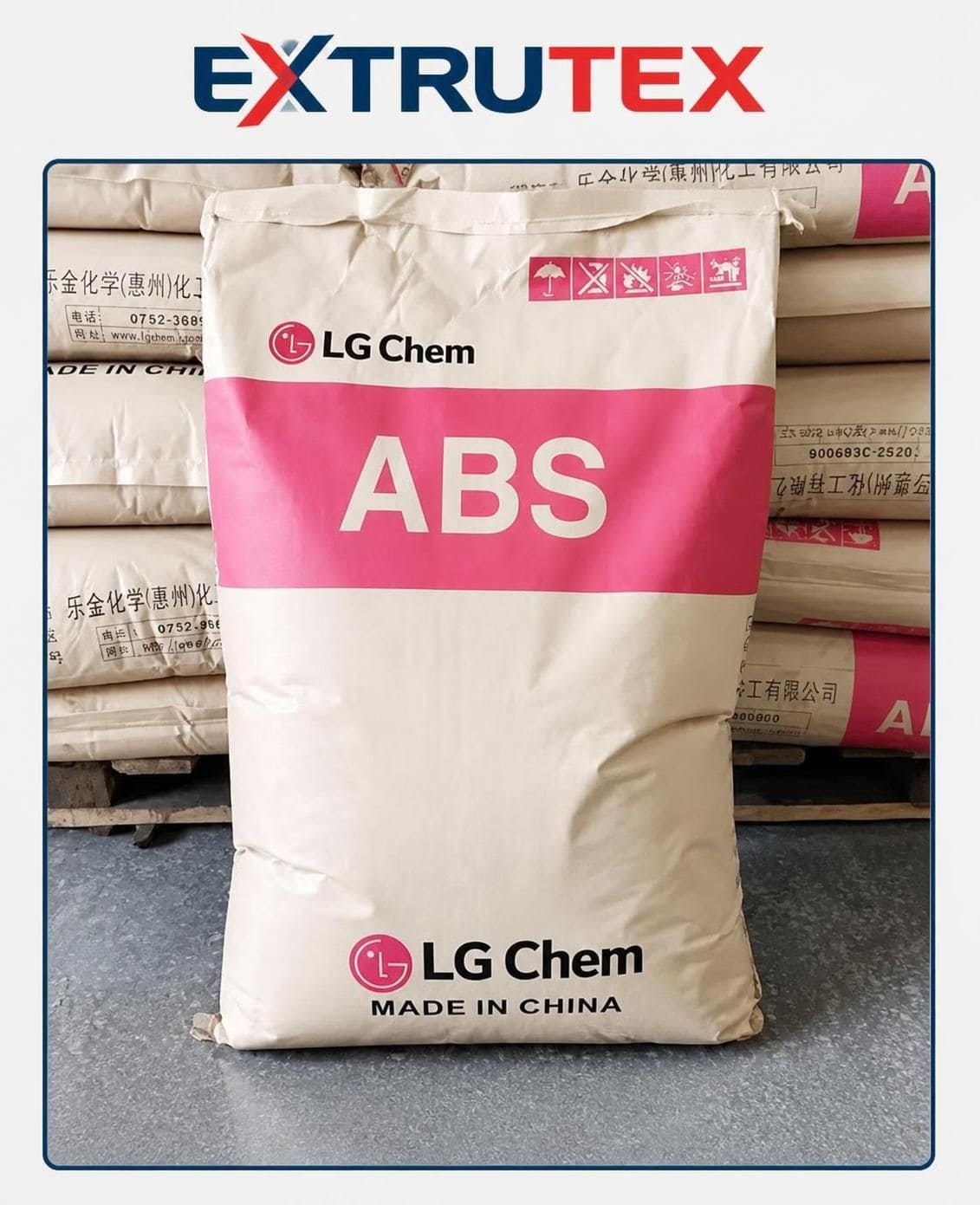
Our sourcing options may include Sinochem and other Chinese producers, as well as recognized ABS brands such as INEOS, LG Chem, Formosa Plastics, CHIMEI, and SABIC, subject to grade availability and destination-market requirements.
ABS is one of the most widely used engineering thermoplastics because it combines impact resistance, rigidity, surface quality, and processing versatility. It is used in consumer electronics, household appliances, automotive components, industrial enclosures, toys, furniture fittings, pipes and profiles, and many other manufactured products.
EXTRUTEX helps buyers identify suitable ABS grades according to their application, processing method, mechanical requirements, appearance, regulatory needs, and purchasing specifications. We can assist with grade comparisons, technical documentation requests, and sourcing discussions for projects requiring consistent material quality and reliable supply arrangements.
1. What Is ABS Resin?
ABS stands for Acrylonitrile Butadiene Styrene. It is a thermoplastic terpolymer made using three principal monomer components, each contributing different characteristics to the final material.
- Acrylonitrile: Contributes chemical resistance, hardness, and thermal performance.
- Butadiene: Provides rubber-like toughness and impact resistance.
- Styrene: Contributes rigidity, processability, and an attractive surface finish.
The balance between these components, together with polymer structure, additives, rubber morphology, and processing technology, determines the performance of each ABS grade. Different grades can vary significantly in impact strength, flow behavior, heat resistance, gloss, colorability, chemical resistance, and suitability for specific manufacturing processes.
ABS is generally an amorphous thermoplastic. It can be processed using conventional thermoplastic equipment when the resin grade and processing conditions are appropriately matched to the application. Injection molding is common, while selected grades are designed for extrusion, sheet production, plating, or other specialized processes.
EXTRUTEX material selection: ABS is not a single universal material grade. A high-flow injection molding grade may not provide the impact strength or heat resistance needed for a structural component. Always select the grade according to the finished product's requirements.
2. ABS Resin Supply from China and International Manufacturers
EXTRUTEX supports sourcing from Chinese petrochemical producers and international polymer suppliers. The appropriate source depends on the required grade, technical specification, production origin, documentation, quantity, and delivery destination.
| Supplier / Manufacturer |
Sourcing options |
Potential grade categories to investigate |
Important purchasing considerations |
| Sinochem and other Chinese producers |
China-origin ABS resin, subject to producer and grade availability |
General-purpose, injection molding, high-impact, high-flow, and selected specialty grades |
Confirm the actual resin producer, factory, grade code, technical data sheet, and country of origin for each offer. |
| INEOS Styrolution |
International branded ABS and related styrenic materials, subject to portfolio and market availability |
General-purpose, high-impact, heat-resistant, and specialty grades where offered |
Confirm the exact brand and grade. Do not confuse ABS with the company's other styrenic material families. |
| LG Chem |
International ABS resin sourcing |
Injection molding, extrusion, high-flow, high-impact, and specialty ABS grades, depending on the current portfolio |
Check the current grade data sheet and the availability of the specified grade in the target market. |
| Formosa Plastics |
ABS resin sourcing where the required grade is offered |
General-purpose and application-specific ABS grades, subject to the manufacturer's current portfolio |
Verify grade designation, production origin, test conditions, and delivery arrangements. |
| CHIMEI |
ABS resin sourcing from its applicable product range |
General-purpose, high-impact, heat-resistant, and specialty grades, depending on availability |
Confirm the exact product family and technical properties before approving a substitute. |
| SABIC |
ABS and other engineering thermoplastic products where available |
Application-specific ABS grades, subject to the current product range |
Verify the precise grade, manufacturer documentation, and local commercial availability. |
These manufacturers and sourcing channels provide a starting point for identifying candidate materials. The listed categories are not a guarantee that every manufacturer currently offers every type of grade in every region. EXTRUTEX confirms the actual grade and source against the specific inquiry.
China-origin ABS resin
Chinese producers offer ABS for a broad range of industrial and consumer applications. Depending on the producer and available portfolio, buyers may investigate general-purpose injection grades, higher-impact materials, higher-flow grades, and other formulations designed for particular product requirements.
When sourcing ABS from China, request the producer's exact legal name, factory or production site, grade designation, current technical data sheet, safety data sheet, packaging details, batch traceability information, and country-of-origin documentation where required. This helps distinguish original producer material from trading-company offers and reduces the risk of selecting a material with incomplete specifications.
International branded ABS
Some customers require a named international brand because of an existing product specification, mold-validation history, customer approval, or quality-management procedure. EXTRUTEX can help investigate sourcing options for requested brands, subject to availability and confirmation of the exact grade.
If a named grade is unavailable, an alternative should be proposed only after comparing the required properties and obtaining customer approval. A similar melt-flow value alone is not enough to establish equivalence.
3. Main Types of ABS Resin
General-purpose ABS
General-purpose ABS is used in applications requiring a practical combination of rigidity, impact resistance, processability, and surface appearance. Typical products include appliance components, office accessories, consumer products, housings, and molded parts.
Grade selection should consider the required impact performance, gloss, dimensional stability, color, and molding cycle. General-purpose grades are not automatically suitable for every outdoor, chemical-contact, or high-temperature application.
High-impact ABS
High-impact ABS grades are formulated to improve resistance to impact and mechanical shock. They can be useful for protective housings, covers, equipment enclosures, luggage components, and products exposed to handling or accidental impacts.
Impact strength depends on the grade, test method, temperature, specimen thickness, and conditioning. Buyers should compare values measured under equivalent conditions and evaluate the finished product rather than relying on a single number.
High-flow ABS
High-flow ABS grades can support filling of complex molds, thin-wall components, and parts with long flow paths. They may help manufacturers achieve more flexible processing windows or optimize cycle times when the mold and machine are designed appropriately.
Higher flow does not necessarily mean higher overall performance. The selected grade must still meet impact, heat-resistance, stiffness, appearance, and dimensional requirements.
Heat-resistant ABS
Heat-resistant ABS grades are designed for components that must tolerate higher temperatures than standard grades can accommodate. Possible applications include selected appliance parts, automotive interior components, and housings exposed to elevated operating temperatures.
Compare the relevant heat-deflection temperature, Vicat softening temperature, and other required thermal properties. These tests measure different characteristics and should not be treated as interchangeable.
Flame-retardant ABS
Flame-retardant ABS is used in applications where the finished component must meet a defined flammability requirement. It may be considered for electrical and electronic housings, equipment enclosures, and other products subject to applicable fire-performance standards.
The required rating depends on the exact grade, specimen thickness, color, test method, and end-product design. Do not claim a UL 94 rating or electrical safety compliance unless the current documentation supports the specific material and relevant thickness.
Electroplating ABS
Selected ABS grades are designed for plating or metallization processes. They can be used in products where a decorative or functional metallic surface is required, such as selected automotive trim, sanitary accessories, decorative hardware, and consumer-product details.
Plating suitability depends on the resin formulation and the pretreatment and plating process. A standard injection molding grade should not be assumed to be suitable for electroplating without confirmation.
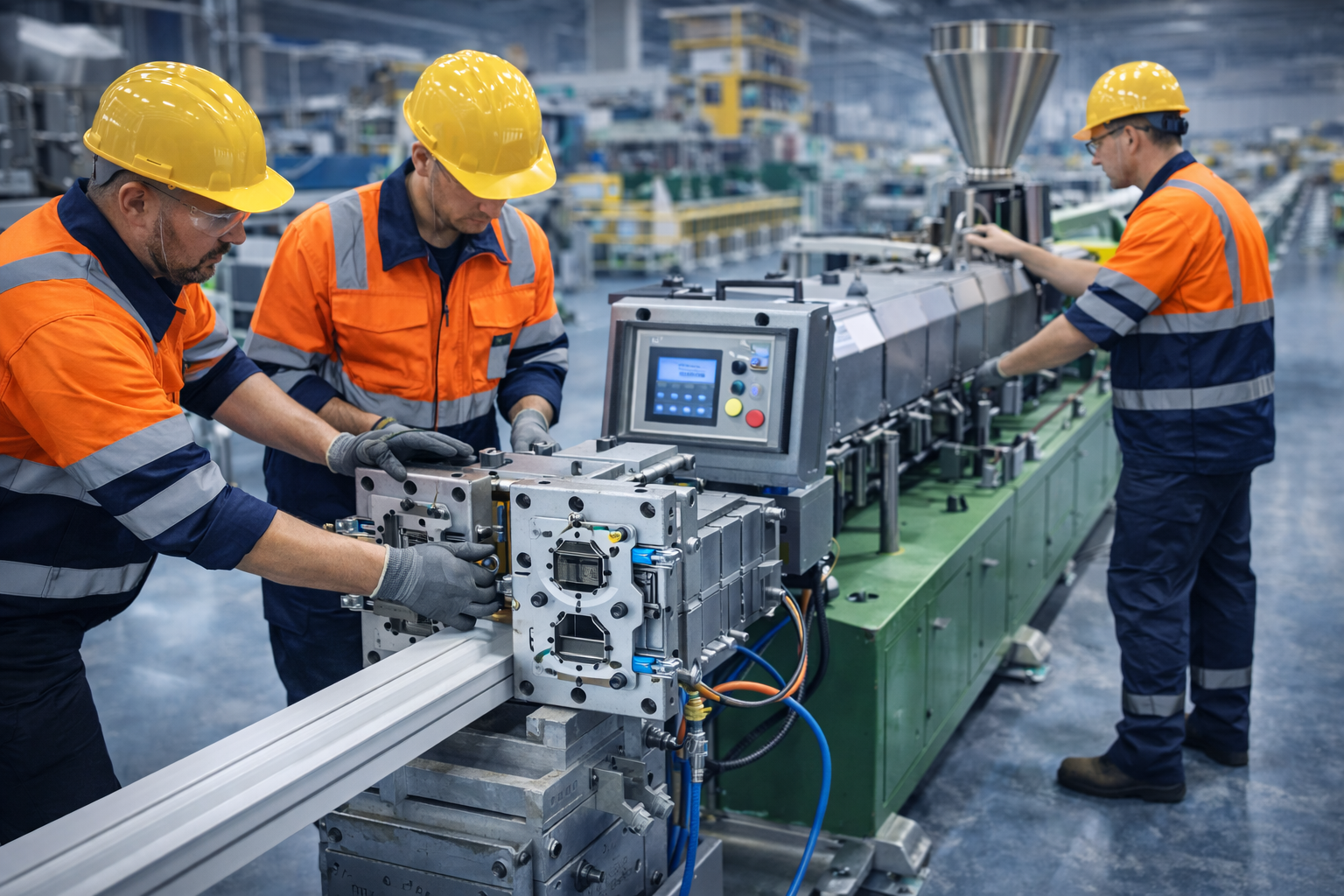
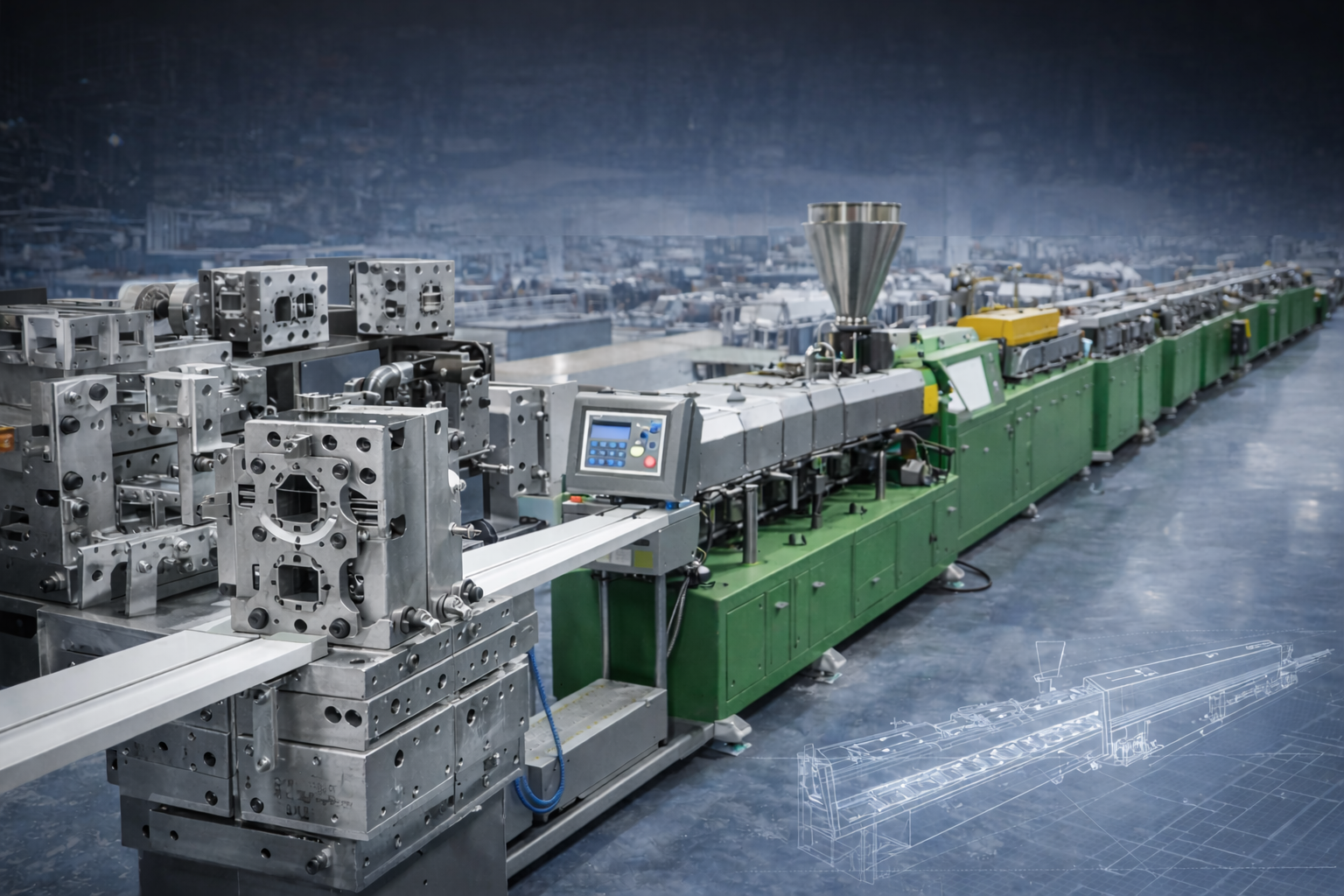
ABS extrusion grades
ABS extrusion grades are designed for continuous processing into profiles, sheets, and other extruded products. Their flow characteristics and melt behavior must match the extruder, die design, cooling system, and downstream equipment.
For sheet or profile production, evaluate melt stability, thickness control, surface finish, dimensional consistency, and any subsequent forming requirements. Do not select an injection grade for extrusion without technical confirmation.
4. ABS Resin Grade Selection Guide
The table below summarizes common selection priorities. It is an application guide, not a list of guaranteed properties for every ABS grade.
| Grade category |
Primary selection objective |
Potential applications |
Properties to verify |
| General-purpose ABS |
Balanced performance and processability |
Consumer goods, housings, appliance parts |
Impact strength, flow, stiffness, gloss |
| High-impact ABS |
Improved resistance to mechanical impact |
Protective covers, equipment enclosures, durable consumer parts |
Notched impact strength, low-temperature behavior, tensile properties |
| High-flow ABS |
Filling complex or thin-wall molds |
Thin-wall housings, intricate molded components |
Melt flow, impact strength, surface appearance, shrinkage |
| Heat-resistant ABS |
Improved performance at elevated temperatures |
Appliance parts, automotive interior components |
HDT, Vicat, dimensional stability, aging behavior |
| Flame-retardant ABS |
Meet a defined flammability requirement |
Electrical and electronic enclosures |
Flammability rating, specimen thickness, electrical requirements |
| Electroplating ABS |
Compatibility with plating processes |
Decorative trim and plated components |
Plating adhesion, surface quality, pretreatment compatibility |
| Extrusion ABS |
Stable continuous processing |
Sheets, profiles, selected panels |
Melt behavior, output stability, surface finish, dimensional control |
| Custom-color ABS |
Meet product appearance requirements |
Consumer products, housings, branded components |
Color consistency, pigment compatibility, UV and heat stability |
5. Applications of ABS Resin
Electrical and electronic products
ABS is widely used for selected electronic housings, peripheral-device components, control panels, chargers, office equipment, and equipment covers. Its surface appearance and molding versatility make it useful for products requiring consistent geometry and a professional finish.
Where a product requires flame retardancy, electrical safety, or specific heat performance, select a grade with documentation that covers the intended application and component thickness.
Household appliances
ABS is suitable for many appliance housings, vacuum-cleaner components, small kitchen-appliance parts, washing-machine details, control panels, and related molded components. The grade should be chosen according to impact loads, operating temperature, cleaning chemicals, and the required surface finish.
Automotive components
Selected ABS grades are used in automotive interior components, trim, console parts, housings, and other non-structural applications. The required grade depends on temperature exposure, impact requirements, appearance, odor or emissions specifications, and any customer-specific automotive standards.
For under-hood, exterior, or safety-related applications, do not assume that general-purpose ABS is suitable. Review the relevant performance requirements and validate the selected material for the actual service environment.
Toys and consumer products
ABS is used for toys, household goods, furniture accessories, tool housings, storage products, and other consumer items. The combination of rigidity, toughness, and surface quality can support durable designs and a wide range of colors.
Products intended for children or other regulated uses must comply with the applicable requirements for chemical composition, restricted substances, migration, and mechanical safety. Compliance must be established for the specific grade and finished product.
Furniture, fittings, and industrial equipment
ABS can be used for handles, knobs, covers, fittings, instrument housings, and selected industrial components. In these applications, dimensional consistency, impact resistance, chemical contact, and the product's expected service life are important considerations.
Sheets and extruded profiles
Selected ABS grades are suitable for sheet and profile extrusion. Depending on the formulation and downstream process, ABS sheet can be used in appliance panels, protective covers, thermoformed components, and industrial products.
Confirm that the resin is intended for the relevant extrusion process and that its melt behavior is compatible with the equipment. Thermoforming applications also require consideration of sheet uniformity, heating behavior, draw ratio, and final surface quality.
6. ABS Resin Technical Properties
ABS is available in a broad range of formulations. The following table describes typical qualitative characteristics only. Actual numerical values must be taken from the technical data sheet of the selected grade.
| Property |
General description |
Why it matters |
| Density |
Varies by grade and additives |
Influences part weight and material consumption |
| Melt flow rate |
Available in different flow levels |
Affects filling behavior and processing suitability |
| Impact strength |
Depends on rubber content, formulation, temperature, and test method |
Important for drop resistance and mechanical durability |
| Tensile properties |
Grade-dependent strength and elongation |
Relevant to load-bearing and deformation requirements |
| Flexural properties |
Grade-dependent stiffness and strength |
Influences rigidity and resistance to bending |
| Heat-deflection temperature |
Varies with grade and test load |
Helps evaluate performance under thermal load |
| Vicat softening temperature |
Grade-dependent softening characteristic |
Useful for comparing thermal behavior under a specified test |
| Surface finish |
Can range from matte to high gloss |
Important for visible consumer and appliance parts |
| Chemical resistance |
Depends on the chemical and exposure conditions |
Important for cleaning agents, oils, solvents, and other contacts |
| Colorability |
Natural and colored grades may be available |
Supports product design and brand-color requirements |
Technical data sheets should be compared only when test methods and conditions are equivalent. Melt flow rate, impact strength, heat-deflection temperature, and shrinkage are not universal constants for ABS; each must be confirmed for the exact grade.
7. ABS Compared with Other Engineering Plastics
| Material |
General characteristics |
When it may be considered |
Important limitations to evaluate |
| ABS |
Balanced rigidity, toughness, and surface quality |
Housings, appliances, consumer goods, selected automotive components |
Heat, UV, and chemical resistance vary by grade |
| HIPS |
Styrenic plastic with impact-modified properties |
Packaging, liners, appliance components, selected sheet applications |
Compare stiffness, chemical resistance, and impact performance with ABS |
| PC/ABS |
Blend combining polycarbonate and ABS characteristics |
Applications needing a different balance of heat resistance, impact performance, and processability |
Higher material cost may apply; grade and compliance must be checked |
| Polycarbonate (PC) |
Transparent or opaque engineering thermoplastic with high impact performance in suitable grades |
Impact-sensitive housings and components with higher thermal requirements |
Chemical compatibility, moisture handling, and processing conditions |
| PP |
Lightweight polyolefin with good chemical resistance in many environments |
Containers, automotive parts, household goods, chemical-contact products |
Lower stiffness and different heat behavior may matter for some designs |
| PA (Nylon) |
Engineering thermoplastic with good wear and mechanical properties in suitable grades |
Gears, functional components, mechanical parts |
Moisture absorption and dimensional changes require evaluation |
Material substitution should be based on a complete property comparison and, where necessary, a production trial. Similar appearance or melt-flow values alone do not establish equivalence.
8. Processing ABS Resin
Injection molding
Injection molding is one of the principal processing methods for ABS. Proper drying, melt-temperature control, mold temperature, injection speed, holding pressure, and cooling can help achieve consistent dimensions and surface quality.
The recommended conditions depend on the specific grade. Excessive residence time or temperature can lead to degradation and discoloration, while unsuitable processing settings can cause short shots, sink marks, weld lines, warpage, or other defects.
Extrusion
ABS extrusion grades can be processed into sheet, profiles, and other continuous products. The resin must have appropriate melt characteristics for the extruder and die. Cooling and downstream calibration should be selected to maintain thickness, dimensional tolerances, and surface quality.
Coloring and compounding
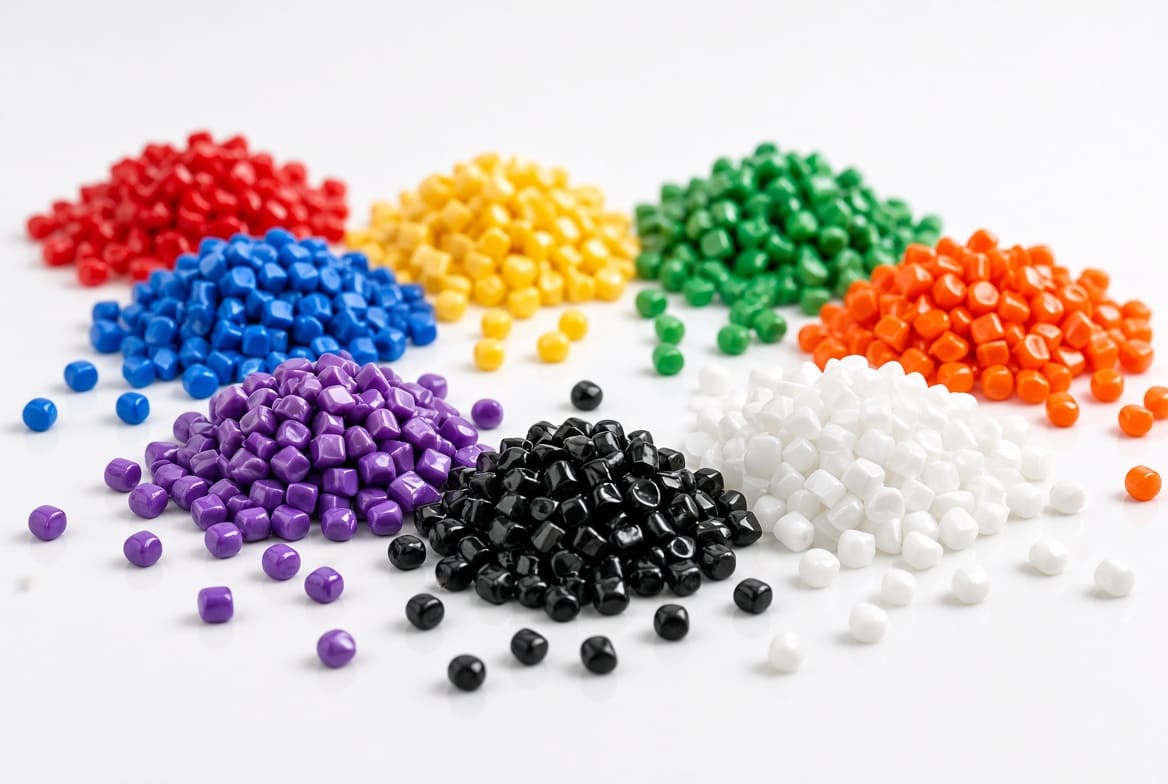
ABS can be supplied in natural or colored formulations, depending on the available grade and supplier. When coloring a natural grade, confirm the compatibility of the color masterbatch and additives with the base resin, processing temperature, and end-use requirements.
Recycled content and reprocessing
Reprocessed ABS may be suitable for some applications, depending on its source, degradation history, contamination, and quality controls. It should not automatically be considered equivalent to virgin resin. For demanding components, establish acceptance criteria and test the material before production.
9. Quality Assurance and Purchasing Considerations
For industrial purchasing, the resin grade is only one part of the specification. EXTRUTEX recommends confirming the source, documentation, packaging, and acceptance criteria before ordering.
- Exact grade: Confirm the full manufacturer grade code and suffix.
- Manufacturer: Identify the actual resin producer rather than relying solely on a trader's description.
- Technical data sheet: Obtain the current grade-specific document.
- Safety data sheet: Review applicable handling, storage, and transport requirements.
- Batch documentation: Request lot or batch traceability where available and required.
- Country of origin: Confirm origin documentation for customs, customer qualification, or regulatory purposes.
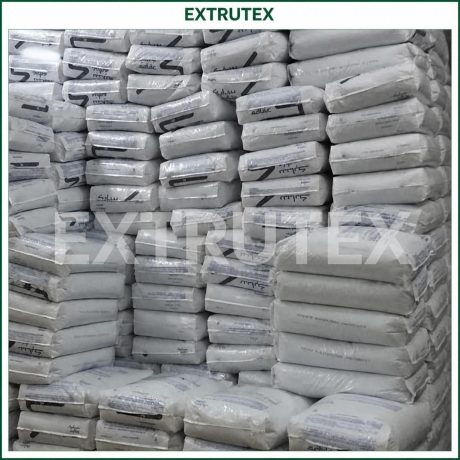
- Packaging: Confirm bag type, net weight, palletization, and protection from moisture or contamination.
- Color and appearance: Specify natural, black, white, or custom-colored material as required.
- Regulatory needs: Identify flame-retardancy, food-contact, automotive, medical, or other application-specific requirements.
- Substitution approval: Obtain customer approval before changing a specified grade or manufacturer.
10. EXTRUTEX ABS Resin Sourcing Service
EXTRUTEX supports international buyers looking for ABS resin for manufacturing and industrial applications. We work to identify suitable sourcing options based on the required grade, origin, technical performance, quantity, and destination.
Depending on the inquiry, sourcing may involve Sinochem and other Chinese petrochemical producers or international branded materials from manufacturers such as INEOS, LG Chem, Formosa Plastics, CHIMEI, and SABIC. The exact producer, grade, origin, and availability must be confirmed for each quotation.
Information to include in your inquiry
- Required manufacturer and exact grade, if already specified.
- Application and finished-product description.
- Injection molding or extrusion processing method.
- Required impact strength, flow, heat resistance, and surface appearance.
- Color and any flame-retardancy or regulatory requirements.
- Estimated quantity and purchasing frequency.
- Destination country and delivery requirements.
- Required technical documentation and approval process.
If you do not have a specific grade number, describe your product and processing conditions. EXTRUTEX can help define the technical requirements and investigate candidate materials for comparison.
11. Frequently Asked Questions
What is ABS resin used for?
ABS is used in many injection-molded and extruded products, including electronic housings, household appliances, consumer goods, toys, furniture fittings, selected automotive components, and industrial enclosures.
Can EXTRUTEX supply ABS from China?
EXTRUTEX can investigate sourcing options from Sinochem and other Chinese petrochemical producers. The actual manufacturer, grade, production origin, and availability must be confirmed for the specific order.
Can EXTRUTEX source branded ABS from LG Chem, Formosa, CHIMEI, INEOS, or SABIC?
We can investigate sourcing options for requested brands and grades, subject to current availability, destination-market restrictions, and confirmation of the exact product. Brand inclusion on this page does not guarantee stock or authorization to distribute every grade.
What is the difference between general-purpose ABS and high-impact ABS?
High-impact grades are formulated to improve impact performance, while general-purpose grades aim for a balanced set of properties. The best choice depends on the mechanical loads, temperature, geometry, and expected service conditions.
Can ABS be used for extrusion?
Yes, selected ABS grades are suitable for extrusion into sheet, profiles, and other products. Confirm that the specific resin is designed for the required process.
Is ABS suitable for electrical and electronic products?
Many ABS grades are used in electrical and electronic housings. If the component requires a particular flammability rating, heat performance, or electrical safety standard, select a grade with appropriate documentation and validate the finished part.
Can ABS be supplied in different colors?
Depending on the grade and supplier, ABS may be available in natural color, black, white, or other colors. Custom-color requirements should be discussed before ordering.
How do I compare ABS grades from different manufacturers?
Compare the complete technical data sheets, including melt flow under equivalent test conditions, impact strength, tensile and flexural properties, heat-deflection temperature, shrinkage, and regulatory documentation. Production trials may be needed to confirm suitability.
Does EXTRUTEX manufacture ABS resin?
EXTRUTEX provides resin sourcing and supply support. The actual manufacturer is identified according to the material offered and the relevant order documentation.
Request an ABS Resin Quotation
Looking for general-purpose ABS, high-impact ABS, high-flow ABS, heat-resistant ABS, flame-retardant ABS, electroplating ABS, or an extrusion grade?
Send EXTRUTEX your target grade, application, required quantity, and delivery destination. We will help review sourcing options and the technical information needed for material selection.
Contact EXTRUTEX







-
(0 customer reviews)