Glass Modified PP (Glass-Fiber-Reinforced Polypropylene)
EXTRUTEX Glass Modified Polypropylene is a material sourcing solution for manufacturers seeking enhanced stiffness, strength, dimensional stability and thermal performance from polypropylene compounds.
Glass-fiber-reinforced polypropylene combines a polypropylene matrix with glass-fiber reinforcement to improve selected mechanical properties. Depending on the grade, it can be considered for automotive components, industrial equipment, electrical housings, appliance parts and other demanding injection-moulded products.
EXTRUTEX supplies and sources modified polypropylene materials according to customer requirements. We can help evaluate available grades, compare technical specifications and identify suitable supply options from international producers, including Chinese petrochemical and compounding supply channels where available.
1. What Is Glass Modified Polypropylene?
Glass modified polypropylene is a family of polypropylene-based compounds containing glass fibers or other reinforcing and modifying materials. The purpose of modification is to improve particular properties of the base polymer while retaining useful characteristics such as relatively low weight, chemical resistance and efficient thermoplastic processing.
In glass-fiber-reinforced polypropylene, glass fibers are incorporated into a polypropylene matrix. The fibers help carry mechanical loads and restrict deformation, potentially improving stiffness, strength, heat-related dimensional performance and creep resistance.
The performance of the finished compound depends on several factors, including glass-fiber content, fiber length, fiber orientation, fiber-matrix adhesion, polymer formulation and processing conditions. Two grades with the same nominal glass content may therefore exhibit different mechanical properties.
Not all modified PP compounds contain glass fiber. Some use talc or other mineral fillers, while others rely on elastomer modification, flame-retardant additives or combinations of materials. These products serve different purposes and should not all be described as glass-fiber-reinforced polypropylene.
2. Main Types of Glass-Fiber-Reinforced PP
Short Glass Fiber Polypropylene (SGFPP)
Short glass fiber polypropylene contains relatively short glass fibers distributed throughout the polymer matrix. These compounds are commonly supplied as pellets for injection moulding.
Short-glass-fiber reinforcement can significantly improve stiffness and strength compared with an unreinforced PP grade. Depending on the formulation, it can also improve dimensional stability, heat-related performance and resistance to deformation under load.
SGFPP is commonly considered for automotive components, industrial housings, structural brackets, appliance components and selected under-the-hood parts.
The actual fiber length in the finished moulded component is influenced by the original compound, screw design, processing conditions and the moulding process. Short glass fibers are not necessarily all below 1 mm, so the actual fiber specification should be confirmed from the compound supplier.
Long Glass Fiber Polypropylene (LGFPP)
Long glass fiber polypropylene is designed to retain longer reinforcing fibers within the polymer matrix. Depending on the product and manufacturing method, the fibers may be incorporated through specialized compounding or long-fiber pellet technology.
Long-fiber reinforcement can provide advantages in impact performance, fatigue resistance, creep behavior and structural load-bearing applications when compared with suitable short-fiber or unreinforced alternatives.
LGFPP is considered for selected automotive structural components, seat structures, brackets, carrier components and industrial parts requiring a combination of stiffness and toughness.
Long glass fiber compounds are not interchangeable with every short glass fiber grade. They may require different feeding, mould design, processing conditions and mechanical validation.
Glass-Fiber Content
Commercial grades may contain different proportions of glass fiber, such as 15%, 20%, 25%, 30%, 35% or 40%, depending on the compound family.
Higher glass content often increases stiffness, but it does not automatically make a material superior in every application. Impact strength, elongation, surface appearance, flow behavior, weld-line strength, shrinkage and anisotropy must also be considered.
3. Key Properties of Glass Modified PP
Increased Stiffness
Glass fibers help restrict deformation of the polypropylene matrix. Reinforced grades can therefore be useful in components requiring greater rigidity than conventional unfilled PP provides.
Improved Mechanical Strength
Appropriately designed compounds can offer increased tensile and flexural performance. Actual results depend on fiber content, orientation, formulation and test conditions.
Better Dimensional Stability
Glass reinforcement can reduce moulding shrinkage and improve dimensional control relative to many unfilled PP grades. However, shrinkage may differ between flow and transverse directions because fibers tend to orient during mould filling.
Enhanced Heat-Related Performance
Glass reinforcement can improve stiffness retention and deformation resistance at elevated temperatures. The permissible service temperature still depends on the complete formulation, mechanical load, exposure time and environmental conditions.
Impact and Fatigue Performance
Selected glass-fiber compounds can provide a useful combination of strength and impact performance. The outcome depends on fiber length, matrix toughness, interfacial adhesion and component design. More glass fiber does not necessarily mean greater impact resistance.
Potential Weight and Cost Advantages
Glass modified PP can replace heavier materials in some applications, potentially reducing component weight and simplifying production. Whether it is a cost-effective alternative to metal or another engineering plastic depends on tooling, design, material price, cycle time, finishing and service-life requirements.
Chemical Resistance
Polypropylene offers resistance to many chemicals, but the compatibility of a glass-reinforced compound must be evaluated for the specific chemical, temperature, concentration and duration of exposure. Additives and environmental conditions can affect performance.
4. EXTRUTEX Glass Modified PP Grade Selection
EXTRUTEX helps customers source and evaluate modified polypropylene grades for industrial applications. The following table consolidates the grades supplied for this product page.
Important specification note: The grade names, producer names, MFI values and application descriptions below are based on the supplied reference list. They should be verified against current manufacturer datasheets before a grade is selected or quoted. The table also includes mineral-filled and other modified PP compounds, not only glass-fiber-reinforced materials.
| Grade |
Manufacturer |
Reported MFI |
Reported Application |
Material Classification / Verification |
Technical Data |
| H1030 |
SABIC |
8 |
Electrical and electronics; automotive injection moulding |
30% glass fiber; flame-retardant PP compound |
Manufacturer information |
| H1025 |
SABIC |
8 |
Electrical and electronics; automotive injection moulding |
25% glass fiber; flame-retardant PP compound |
Manufacturer information |
| H1015 |
SABIC |
15 |
Electrical and electronics; automotive injection moulding |
15% glass fiber; flame-retardant PP compound |
Manufacturer information |
| H1200 |
SABIC |
13 |
Injection-moulded applications |
Reported as non-filled, flame-retardant PP; not a glass-filled grade based on the referenced portfolio |
Confirm current datasheet |
| 8500C |
SABIC |
10 |
Injection moulding; automotive exterior |
Reported as elastomer-modified, talc-filled PP TPO |
Confirm current datasheet |
| 7451B |
SABIC |
20 |
Injection moulding |
Reported as elastomer-modified, talc-filled PP TPO |
Confirm current datasheet |
| 8620A |
SABIC |
21 |
Injection moulding |
Reported as mineral-filled, impact-modified PP TPO |
Reference PDF |
| 8620 |
SABIC |
23 |
Injection moulding |
Reported as mineral-filled, impact-modified PP TPO |
Reference PDF |
| 8520U |
SABIC |
25 |
Automotive exterior applications |
Reported as UV-stabilized, mineral-filled PP TPO |
Confirm current datasheet |
| 8611A |
SABIC |
34 |
Injection moulding |
Reported as talc-filled, impact-modified PP TPO |
Reference PDF |
| 8611P |
SABIC |
37 |
Injection moulding |
Reported as talc-filled, impact-modified PP TPO |
Reference PDF |
| CX03B81 |
SABIC |
10 |
Aesthetic automotive interior parts |
Confirm reinforcement and filler type from current datasheet |
Request datasheet |
| 9712 |
SABIC |
14 |
Automotive interior applications |
Confirm reinforcement and filler type from current datasheet |
Reference PDF |
| CX0281 |
SABIC |
15 |
Aesthetic automotive interior parts |
Confirm reinforcement and filler type from current datasheet |
Request datasheet |
| 3720E |
SABIC |
18 |
Non-aesthetic automotive interior parts |
Confirm reinforcement and filler type from current datasheet |
Reference PDF |
| 9120 |
SABIC |
21 |
Aesthetic automotive interior parts |
Confirm reinforcement and filler type from current datasheet |
Reference PDF |
| G3240A |
SABIC |
11 |
Under-the-hood and structural applications |
40% short glass fiber-reinforced PP |
Reference PDF |
| G3230A |
SABIC |
12 |
Structural and under-the-hood applications |
30% short glass fiber-reinforced PP |
Reference PDF |
| G3230AE |
SABIC |
12 |
Applications requiring reduced emissions |
30% short glass fiber-reinforced PP; emission-optimized formulation |
Reference PDF |
| G3220A |
SABIC |
17 |
Under-the-hood and structural applications |
20% short glass fiber-reinforced PP |
Reference PDF |
| G3135X |
SABIC |
1.2 |
Air inlet manifolds |
35% short glass fiber-reinforced PP; high-stiffness grade |
Reference PDF |
| G3225UX |
SABIC |
3 |
Pool filter housings |
Confirm exact reinforcement content and grade designation |
Request datasheet |
| 55T1040 |
SABIC |
3 |
General-purpose injection moulding |
Confirm exact filler type and content; T-series designation alone is not proof of glass reinforcement |
Reference PDF |
| 55T1030 |
SABIC |
4 |
Dashboard carriers and dashboard components |
Reported as talc-filled PP copolymer |
Reference PDF |
| S3625 |
SABIC |
6 |
Automotive interior applications |
Verify exact formulation and glass content against current datasheet |
Reference PDF |
| 15T1030 |
SABIC |
6 |
HVAC housings and under-the-hood parts |
Reported as talc-filled PP; not glass-fiber reinforcement |
Reference PDF |
| 15T1020 |
SABIC |
7 |
HVAC housings and under-the-hood parts |
Reported as talc-filled PP; not glass-fiber reinforcement |
Reference PDF |
| 31T1010 |
SABIC |
11 |
General-purpose injection moulding |
Reported as talc-filled PP copolymer |
Reference PDF |
| G3230X |
SABIC |
12 |
Under-the-hood and structural applications |
30% short glass fiber-reinforced PP; verify current grade status |
Reference PDF |
| 37T1020 |
SABIC |
13 |
Automotive interior parts, including panels and cladding |
Reported as talc-filled PP copolymer |
Reference PDF |
| 19T1020 |
SABIC |
18 |
General-purpose injection moulding |
Reported as talc-filled PP; not glass-fiber reinforcement |
Reference PDF |
| 19T1040 |
SABIC |
18 |
Injection-moulded applications requiring high modulus and thermal stability |
Reported as 40% talc-filled PP; not glass-fiber reinforcement |
Reference PDF |
| 19T1030 |
SABIC |
19 |
General-purpose injection moulding |
Reported as talc-filled PP; not glass-fiber reinforcement |
Reference PDF |
About the MFI values: Values in this table are transcribed from the supplied reference list. Some differ from figures in SABIC portfolio documents. Always use the current producer datasheet for the final MFR/MFI value, test method, temperature and load. For example, the SABIC portfolio material lists different MFR figures for some H-series and G-series grades. :chatgpt-content-reference{index="1"}
5. Applications of Glass-Fiber-Reinforced PP
Automotive Components
Glass-reinforced polypropylene is used in selected structural and semi-structural automotive components, brackets, carriers, housings and under-the-hood parts. The material can help balance stiffness, weight and manufacturing efficiency.
For automotive use, the exact grade must meet applicable requirements for heat ageing, mechanical performance, emissions, odour, chemical exposure, dimensional stability and customer approvals.
Electrical and Electronics
Selected glass-reinforced and flame-retardant PP compounds may be considered for electrical housings, enclosures and related components. Electrical performance and flame-retardancy ratings are grade-specific and should be confirmed from current documentation.
Industrial Equipment
Reinforced PP can be used in equipment covers, structural brackets, support components, filter housings and other parts requiring improved rigidity. Chemical exposure, temperature, sustained load and component geometry should be evaluated during material selection.
Appliances and Consumer Products
Glass-reinforced PP may be suitable for appliance components and durable consumer products where stiffness and dimensional control are important. Surface appearance and fiber-related surface effects should be considered when the finished part is visible.
HVAC and Under-the-Hood Components
Selected reinforced PP grades can be used in heating, ventilation and air-conditioning housings and other under-the-hood components. Operating temperature, vibration, chemical exposure and expected service life must match the grade's verified performance.
Water and Industrial Filter Housings
Suitable modified PP compounds may be considered for filter housings and similar equipment. The selected material must meet the required pressure, creep, chemical compatibility and temperature conditions. A general-purpose compound should not be assumed suitable for pressurized service without validation.
6. Glass Fiber PP Compared with Talc-Filled PP
Glass-fiber reinforcement and talc mineral filling are different approaches to modifying polypropylene. Although both can improve stiffness and dimensional behavior, their performance profiles are not identical.
| Feature |
Glass-Fiber-Reinforced PP |
Talc-Filled PP |
| Reinforcement |
Glass fibers incorporated into the polymer matrix |
Talc mineral particles incorporated into the polymer matrix |
| Stiffness |
Can provide substantial increases in stiffness and strength |
Can improve stiffness and dimensional stability |
| Impact performance |
Depends on fiber content, fiber length, orientation and matrix toughness |
Depends on the polymer formulation, mineral loading and impact modification |
| Dimensional behavior |
May be anisotropic because fibers orient during moulding |
Can also exhibit directional shrinkage, generally with different behavior from glass-filled grades |
| Surface finish |
Visible fiber effects may occur, depending on grade and moulding conditions |
Can provide different surface appearance and texture characteristics |
| Typical selection focus |
Structural stiffness, mechanical strength and demanding moulded parts |
Stiffness, cost balance, shrinkage control and selected automotive interiors |
Neither material family is universally better. The correct choice depends on the required mechanical properties, component design, processing method, appearance and total part cost.
7. Processing Glass Modified PP
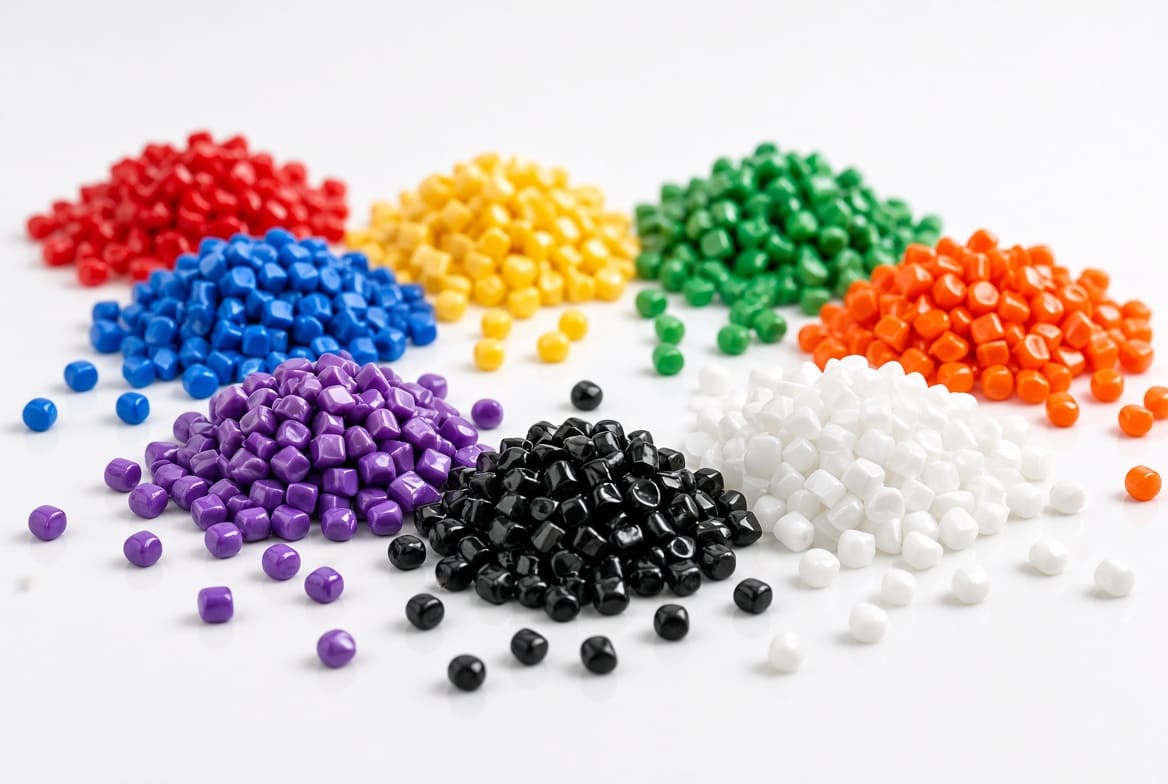
Many glass-fiber-reinforced PP compounds are supplied as pellets for injection moulding. Processing conditions depend on the specific grade, reinforcement content, machine design, mould geometry and required finished-part properties.
- Grade verification: Confirm the exact product code, reinforcement content and current technical datasheet.
- Material handling: Protect pellets from contamination and follow the supplier's storage and processing recommendations.
- Temperature control: Use the manufacturer's recommended melt and mould temperature ranges.
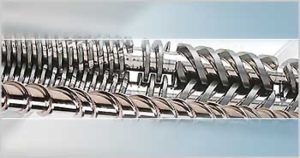
- Screw and barrel considerations: Select processing equipment and settings suitable for the compound and its reinforcing fibers.
- Fiber retention: Avoid unnecessary fiber degradation through inappropriate processing conditions or excessive mechanical shear.
- Mould filling: Consider fiber orientation, weld lines, gate location and the effects of flow direction on mechanical performance.
- Shrinkage and warpage: Validate mould design and dimensional compensation using the selected grade and actual processing conditions.
- Quality inspection: Test the finished component for the mechanical, dimensional and thermal requirements relevant to its use.
Glass-filled PP grades can behave differently from unfilled PP during moulding. Processing parameters should not be copied directly from a conventional PP grade without reviewing the compound manufacturer's recommendations.
8. How to Select a Glass Modified PP Grade
Material selection should begin with the functional requirements of the finished component rather than with MFI alone.
- Glass content: Determine the required reinforcement level based on stiffness, strength, impact performance and component weight.
- Fiber length: Evaluate whether a conventional short-fiber grade or a long-fiber compound is appropriate.
- MFR/MFI: Match melt flow characteristics to the mould, part geometry, filling requirements and production cycle.
- Heat resistance: Check the relevant thermal data for the intended service environment.
- Impact performance: Review impact test results at the temperatures relevant to the finished part.
- Dimensional requirements: Consider mould shrinkage, warpage and the influence of fiber orientation.
- Surface appearance: Confirm whether the component is visible and whether the grade meets appearance requirements.
- Chemical exposure: Evaluate compatibility with the chemicals, cleaning agents or fluids encountered in service.
- Flame retardancy: For electrical and electronics applications, confirm the precise rating and required specimen thickness.
- Compliance: Check automotive, electrical, environmental and other applicable customer or regulatory requirements.
9. Sourcing Glass Modified PP Through EXTRUTEX
EXTRUTEX supports customers seeking modified polypropylene materials for manufacturing and industrial applications. Our role is to help source suitable grades, compare supplier information and coordinate technical requirements for material evaluation.
Depending on current availability and customer specifications, sourcing enquiries can cover:
- Short glass fiber-reinforced polypropylene.
- Long glass fiber-reinforced polypropylene.
- Flame-retardant glass-filled PP compounds.
- Mineral-filled and talc-filled polypropylene compounds.
- Impact-modified and other specialty PP compounds.
- Automotive and industrial injection-moulding grades.
- Alternative grades from Chinese and international producers.
EXTRUTEX supplies and sources materials; the manufacturer of each grade remains the producer identified in the applicable technical documentation. Availability, country of origin, grade status, packaging and documentation must be confirmed for each enquiry.
10. Frequently Asked Questions
What is glass modified polypropylene?
Glass modified polypropylene is a PP-based compound that contains glass-fiber reinforcement. It is designed to improve properties such as stiffness, strength and dimensional performance compared with suitable unreinforced PP grades.
What is the difference between SGFPP and LGFPP?
SGFPP uses short glass fibers dispersed in the PP matrix, while LGFPP uses longer reinforcing fibers. Long-fiber grades can offer advantages in selected impact, fatigue and structural applications, but the best option depends on the component design and verified material data.
Does all modified PP contain glass fiber?
No. Modified PP can contain glass fibers, talc or other mineral fillers, elastomer modifiers, flame-retardant additives or combinations of these materials. The exact formulation must be checked in the technical datasheet.
Is a higher glass-fiber percentage always better?
No. Higher glass content can improve stiffness, but it may also affect impact behavior, flow, surface appearance, anisotropy and processing. The grade should be selected according to the required balance of properties.
Can glass modified PP replace metal?
It can replace metal in selected applications when engineering analysis and testing demonstrate adequate strength, stiffness, fatigue performance, temperature resistance and durability. It is not a universal substitute for metal components.
Can glass modified PP be used for automotive parts?
Yes, selected grades are used in automotive applications. The specific grade must meet the required mechanical, thermal, emissions, chemical resistance and customer approval requirements.
What does MFI mean when selecting glass-filled PP?
MFI or MFR indicates melt flow under specified test conditions. It helps evaluate processing behavior, but it does not establish reinforcement content or overall material quality. Always compare the test method and the full datasheet.
Does EXTRUTEX manufacture glass modified PP resin?
EXTRUTEX supplies and sources materials from available producers. The actual manufacturer and grade origin should be confirmed in the commercial offer and technical documentation.
Can EXTRUTEX source PP compounds from China?
EXTRUTEX can investigate Chinese supply options according to the required grade and application. Availability, reinforcement type, technical documentation and delivery conditions must be confirmed before an order.
What information is required for a sourcing enquiry?
Please provide the grade name if known, intended application, moulding method, target glass content, MFR/MFI requirement, mechanical and thermal targets, colour, estimated quantity and destination. A reference datasheet or sample specification can help identify suitable alternatives.
Source Glass Modified PP with EXTRUTEX
Looking for glass-fiber-reinforced polypropylene, long-glass-fiber PP or other modified polypropylene compounds? Contact EXTRUTEX with your grade requirements and intended application.
Contact EXTRUTEX








-
(0 customer reviews)