All rights of this website are reserved for EXTRUTEX Austria and its partner companies, © 2025
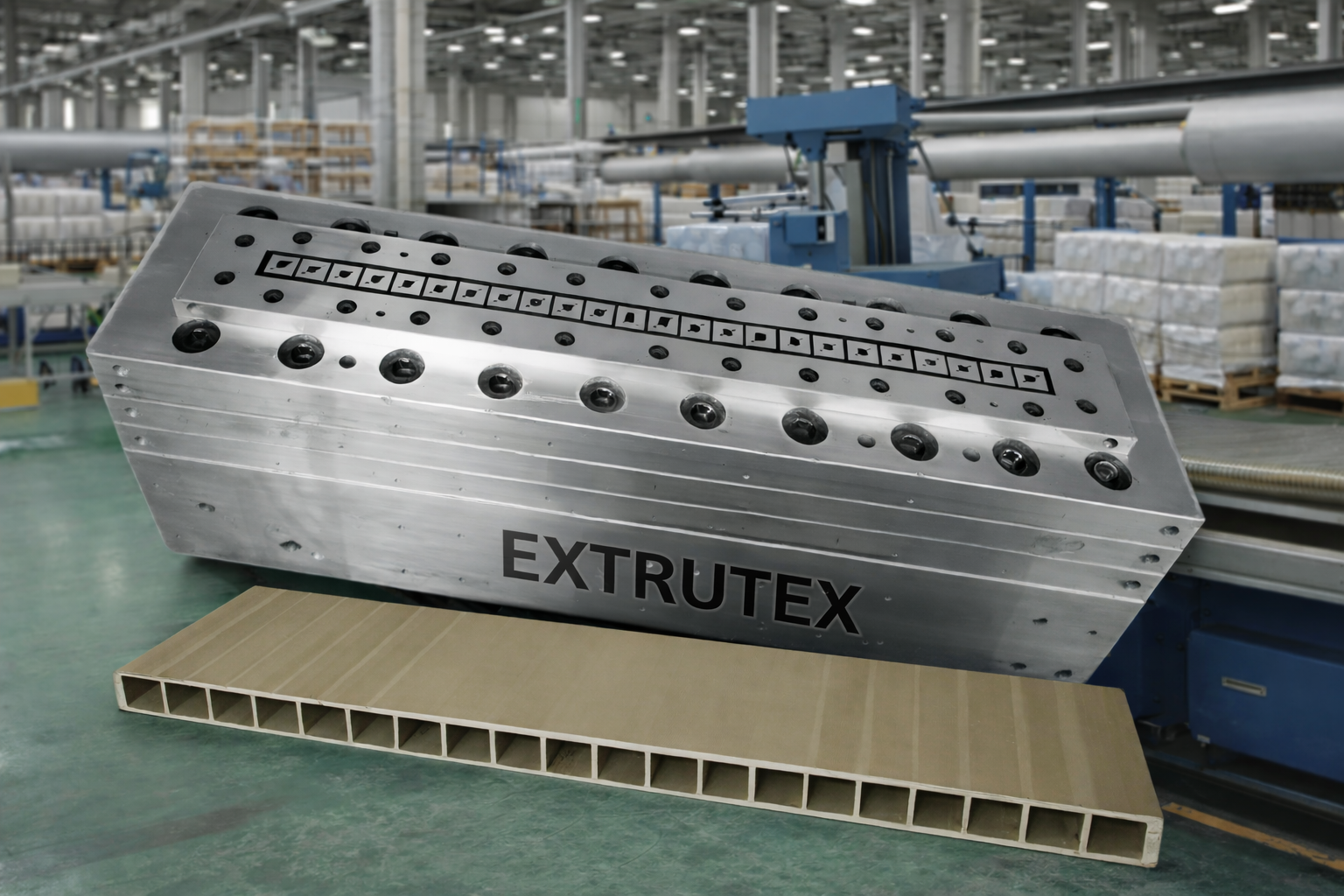
Extrusion Tooling for Wall Panel, Ceiling Tile, and Wide Hollow Profiles
EXUPVC-TOOL-FOAM-1
and Wide Hollow Profiles, building panel extrusion tooling, ceiling board extrusion tooling, ceiling cladding die, ceiling decorative tile die, ceiling sheet extrusion die, Ceiling Tile, ceiling tile extrusion die, ceiling tile extrusion tooling, ceiling tile mould for pvc, construction hollow profile tooling., construction panel extrusion die, decorative hollow panel tooling, decorative pvc panel extrusion die, decorative wall covering extrusion die, decorative wall panel tooling, extrusion die for hollow panels, extrusion die for pvc ceiling tiles, extrusion mould for wall panels, extrusion tooling, extrusion tooling for building panels, Extrusion Tooling for Wall Panel, hollow board tooling, hollow construction panel die, hollow decorative wall panel tooling, hollow panel extrusion die, hollow partition panel extrusion die, hollow section panel tooling, hollow wide board tooling, interior ceiling panel extrusion tooling, interior cladding extrusion tooling, interior decorative panel tooling, interior wall panel tooling, lightweight pvc panel tooling, lightweight wall panel tooling, plastic ceiling covering die, plastic ceiling tile mould, plastic construction panel die, plastic decorative tile die, plastic hollow tile mould, plastic hollow wall panel tooling, plastic tile extrusion die, plastic wall cladding die, plastic wall covering tooling, pvc ceiling cladding tooling, pvc ceiling panel tooling, pvc ceiling sheet extrusion die, pvc cladding extrusion die, pvc decorative ceiling tooling, pvc decorative panel tooling, pvc hollow ceiling panel die, pvc hollow profile mould, pvc hollow wall panel die, pvc panel extrusion die, pvc panel hollow section die, pvc partition panel tooling, PVC profile extrusion tooling, pvc tile board tooling, pvc tile extrusion tooling, pvc wall covering die, pvc wall panel mould, upvc ceiling panel die, upvc ceiling tooling, upvc hollow panel extrusion die, upvc hollow profile mould, upvc wall board tooling, upvc wall cladding tooling, upvc wide board mould, wall cladding hollow panel die, wall covering extrusion die, wall panel extrusion die, wall panel mould for pvc, wide board extrusion tooling, wide ceiling profile tooling, wide cladding panel tooling, wide hollow ceiling panel die, wide hollow profile tooling, wide hollow section die, wide pvc hollow section mould, wide pvc profile tooling, wide section panel mould, wide wall covering extrusion die, wide wall panel mould
Extrusion Tooling for Wall Panel, Ceiling Tile, and Wide Hollow Profiles
Description
Extrusion Tooling for Wall Panel, Ceiling Tile, and Wide Hollow Profiles
Introduction
As demand for lightweight, durable, and easy-to-install solutions in construction and interior decoration continues to grow, UPVC hollow panels have emerged as a versatile and efficient choice. These panels, widely used for wall cladding and ceiling covering, combine strength, low weight, and a clean decorative finish, making them a practical alternative to traditional building materials such as wood, MDF, and gypsum boards.
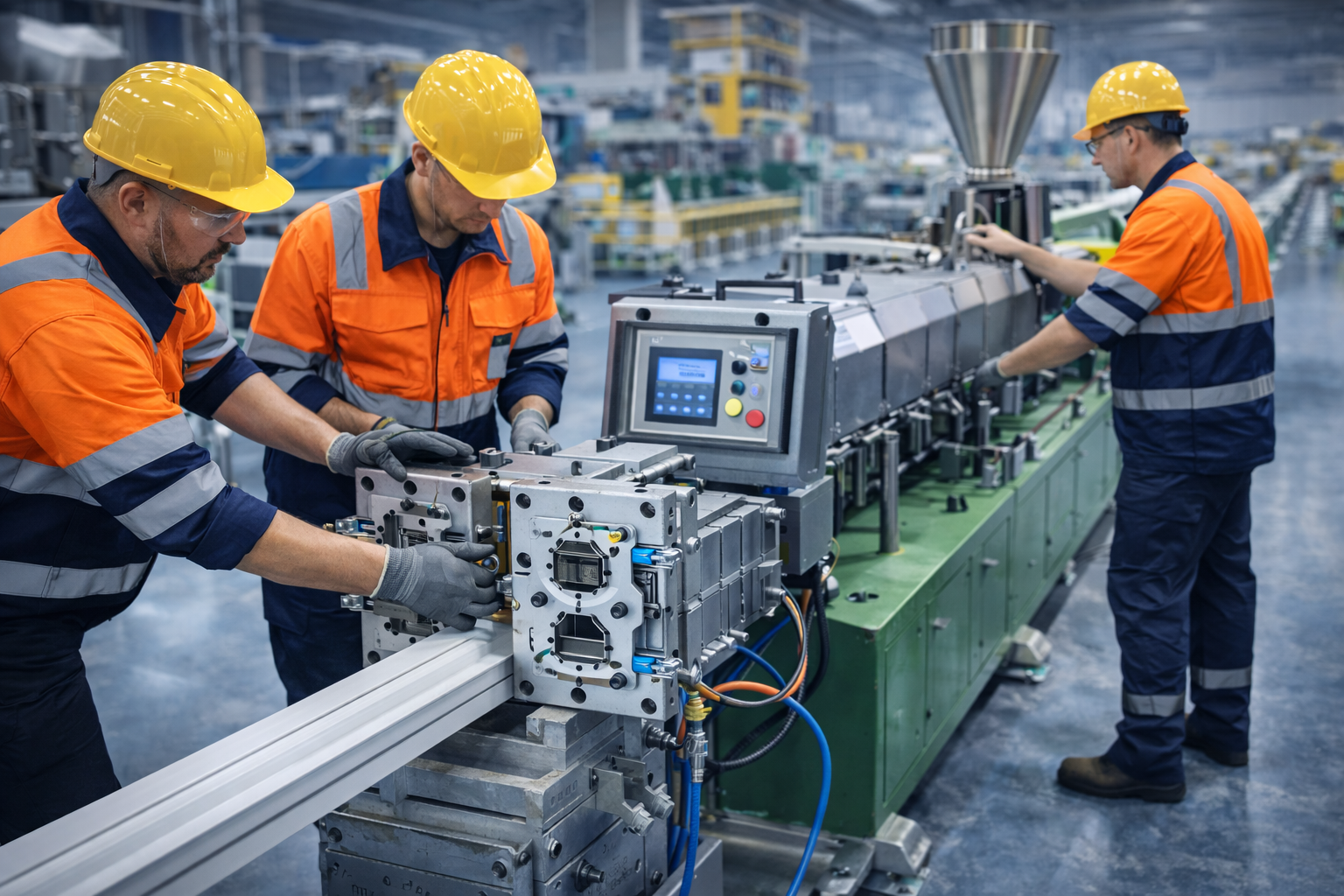
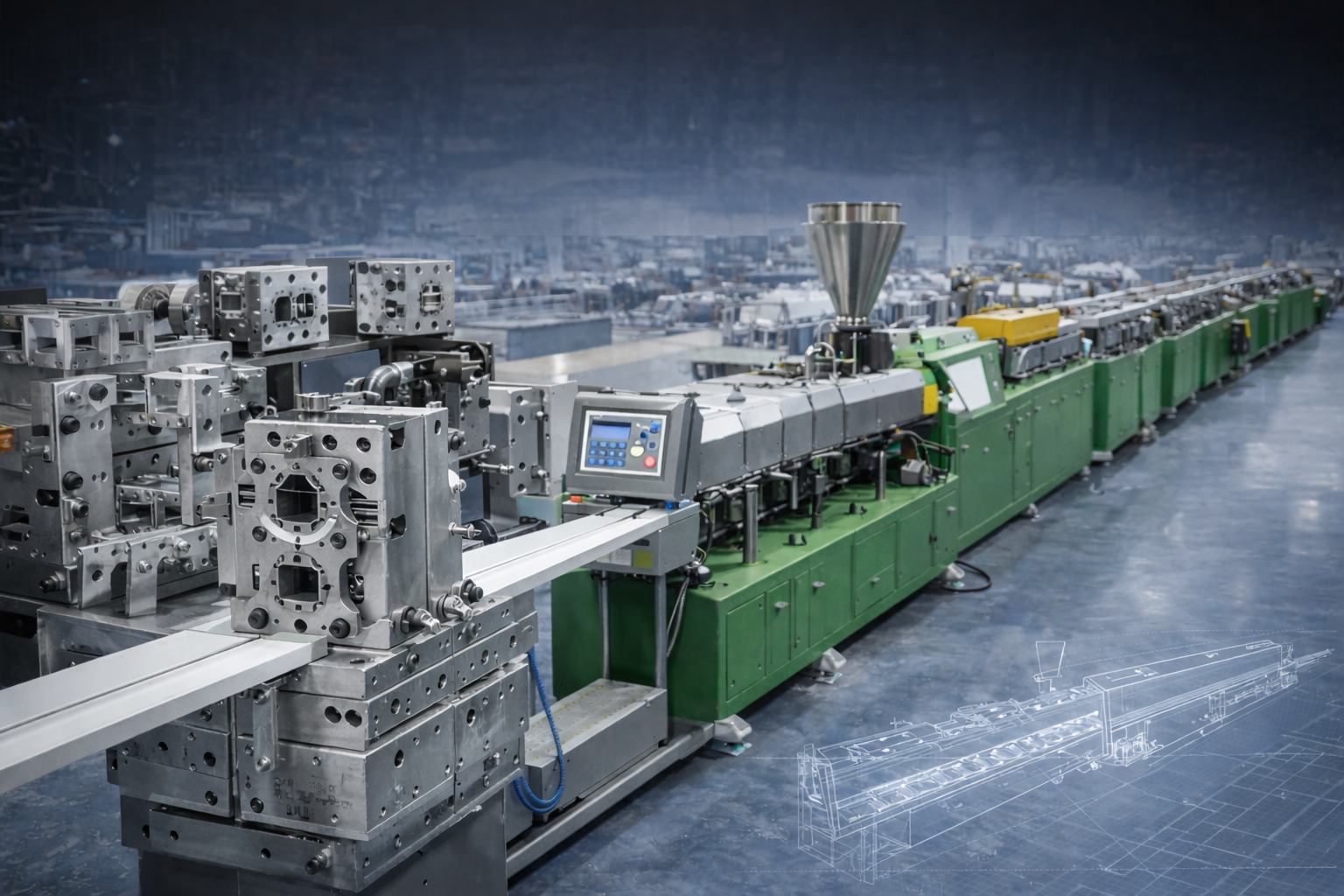
At the heart of this production process lies extrusion tooling — the specially engineered die that ensures precise panel dimensions, consistent hollow structure, and flawless surface quality. Tooling for wide hollow panels, designed for sizes such as 200 mm, 300 mm, and 600 mm, plays a decisive role in enabling high-output, stable, and cost-effective manufacturing.
Applications of Wide Hollow Panel Tooling
Extrusion dies designed for hollow UPVC panels are tailored to produce large-format tiles and boards that serve multiple industries and purposes:
False Ceilings: Ideal for kitchens, bathrooms, and commercial interiors.
Decorative Wall Panels: Adds an aesthetic finish to interior walls without the need for heavy cladding.
Industrial Halls & Cold Storage: Hollow panels provide lightweight coverage with insulation benefits.
Moisture-Resistant Panels: Perfect for humid environments, resistant to swelling and mold.
Patterned or Colored Ceiling Tiles: Available in plain, textured, or printed finishes to suit different decorative styles.
These applications highlight the versatility of the tooling, which allows manufacturers to serve both residential and commercial markets with customizable panel designs.
Structural Design of Wide Hollow Panel Tooling
Designing extrusion tooling for panels up to 600 mm wide requires advanced engineering to ensure stability and precision. The following elements are key:
🔹 Uniform Melt Distribution
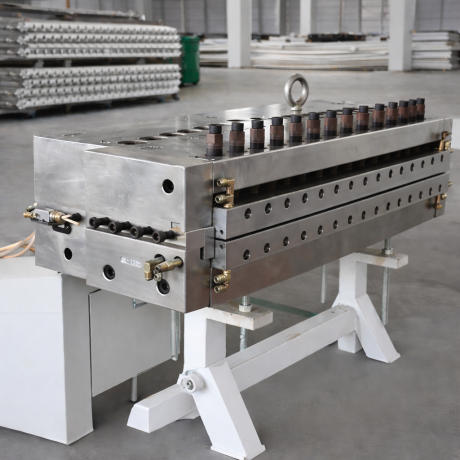
For wide panels, flow uniformity is critical. The die must integrate a flow splitter system that distributes the PVC melt evenly across the entire width, avoiding surface waves, warpage, or uneven thickness.
🔹 Hollow Structure Formation (Mandrels)
Internal mandrels or core pins are essential to shape the hollow chambers. These structures reduce the final panel weight while enhancing insulation properties. Precise mandrel alignment ensures consistent wall thickness throughout the panel.
🔹 Thermal Control & Stability
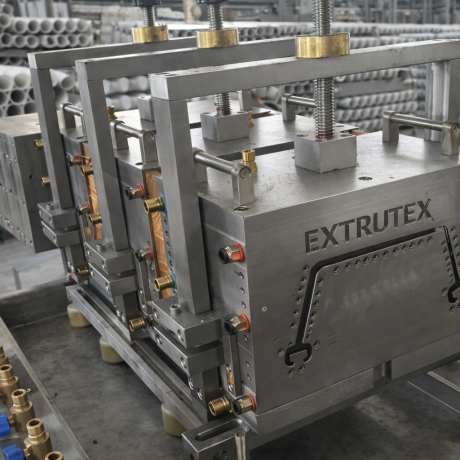
With widths up to 600 mm, multi-zone heating systems are indispensable. Independent heating elements and thermocouples across the die maintain uniform temperature, preventing defects like poor surface finish or incomplete fusion.
🔹 Robust Material & Surface Coating
The tooling is typically manufactured from hardened tool steel with a hard chrome coating or nitrided surfaces, ensuring resistance against wear, PVC degradation, and sticking.
Technical Specifications
| Feature | Specification |
|---|---|
| Panel Width | 200 mm, 300 mm, or 600 mm |
| Thickness | 6 – 12 mm |
| Structure | Multi-chamber, hollow |
| Operating Temperature | 160 – 185 °C |
| Line Speed | 2 – 4 m/min (depending on panel width) |
| Line Output | 250 – 450 kg/h |
| Die Material | Tool steel with hard chrome coating |
These parameters can be customized based on the client’s extrusion line, raw material formulation, and final product requirements.
Advantages of Wide Hollow Panel Tooling
1. Large Surface Coverage
The ability to produce panels up to 600 mm wide drastically reduces installation time. Fewer joints and seams result in a cleaner aesthetic and faster assembly on-site.
2. Lightweight with High Strength
The hollow multi-chamber design ensures that panels remain lightweight for easier handling, yet structurally strong enough to withstand impact and mechanical stresses.
3. Resistance to Moisture & Decay
Unlike wood or MDF, UPVC hollow panels do not swell, rot, or develop mold when exposed to water. This makes them especially suitable for bathrooms, kitchens, and humid industrial environments.
4. Thermal & Acoustic Insulation
The air pockets within the hollow structure act as natural insulators, reducing heat transfer and dampening sound. This dual property enhances comfort in residential and commercial buildings.
5. Customizable Surface Finish
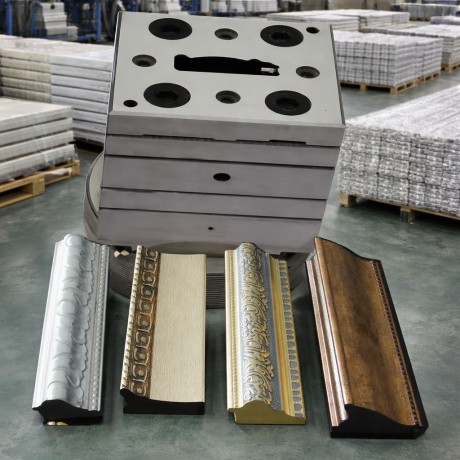
Tooling can be adapted to produce a variety of surfaces — smooth, textured, glossy, matte, or even patterned. Combined with printing or lamination, this allows endless decorative possibilities.
Production Process with Wide Hollow Panel Tooling
Step 1: Raw Material Preparation
PVC resin is mixed with thermal stabilizers, lubricants, processing aids, and optionally color masterbatches. This formulation ensures smooth flow, dimensional stability, and desired mechanical properties.
Step 2: Extrusion & Entry into the Die
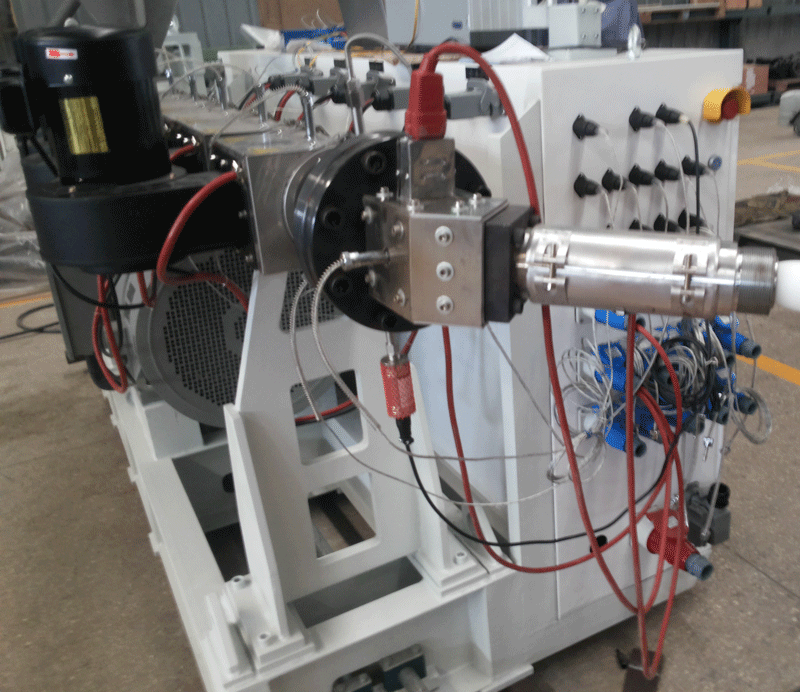
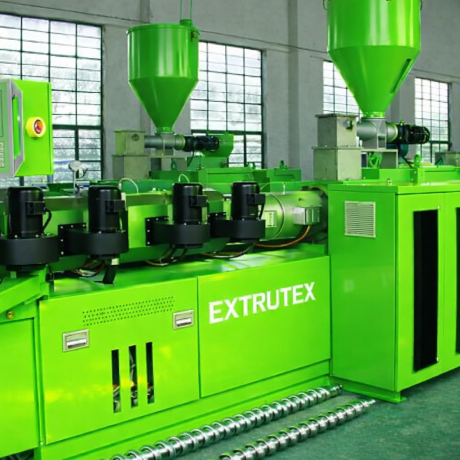
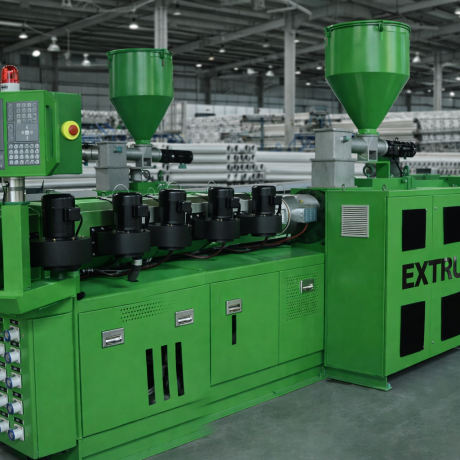
The prepared blend is fed into a twin-screw extruder (such as ATP93 or ATP113). The material is melted under controlled pressure and directed into the die.
Step 3: Hollow Structure Formation
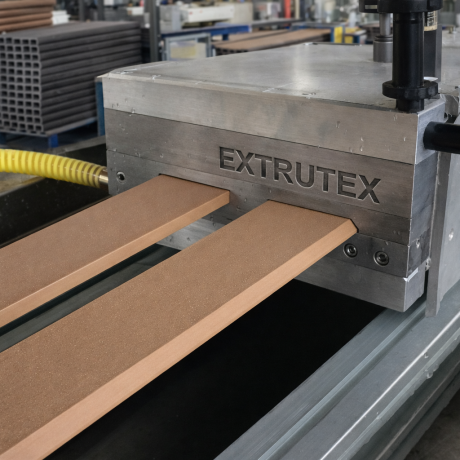
Inside the die, mandrels create the hollow chambers while flow channels distribute material evenly across the panel width. The exterior surface is simultaneously shaped for a flat or decorative finish.
Step 4: Calibration in Vacuum Tank
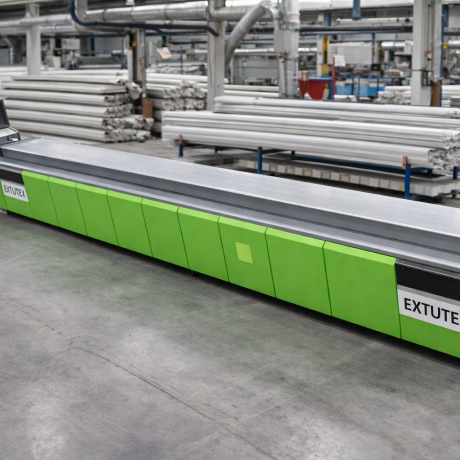
After exiting the die, the hot panel enters a vacuum calibration table (e.g., ACT11000). Here, dimensional accuracy and flatness are stabilized while the panel is cooled gradually.
Step 5: Cooling, Cutting, and Stacking
Panels are further cooled, cut into specified lengths using automatic saws, and stacked by downstream equipment (such as ATT6 take-off and stacking systems).
Key Maintenance & Operation Guidelines
Regular Cleaning: Internal surfaces should be cleaned every 2–3 months to remove PVC residues and prevent flow irregularities.
Mandrel Protection: Excessive pressure on internal mandrels can lead to distortion or breakage; operating parameters must be controlled.
Temperature Control: Precise monitoring of multi-zone heating prevents defects like incomplete fusion or surface burns.
Anti-stick Measures: Use of silicone-based release agents during startup minimizes material adhesion and prolongs die life.
Benefits for Manufacturers
Faster Installation Products → Wider panels reduce assembly time and labor cost.
Lower Transportation Costs → Lightweight hollow design decreases shipping weight.
Energy Efficiency → Panels contribute to thermal insulation in buildings, appealing to eco-conscious markets.
Market Versatility → One die can produce multiple widths (200, 300, 600 mm) with slight adjustments, enhancing production flexibility.
High ROI on Tooling → Durable construction ensures long service life, reducing downtime and maintenance costs.
Partnership with Global Leaders
Collaborating with industry experts such as EXTRUTEX Austria ensures that the tooling design integrates the latest innovations in flow distribution, thermal management, and long-term durability. These precision-engineered dies guarantee consistent quality, high productivity, and energy-efficient operation — essential for competing in today’s global PVC extrusion market.
Conclusion
Extrusion tooling for wall panels, ceiling tiles, and wide hollow profiles is more than just a shaping device; it is the technological heart of modern PVC panel production. By combining precision engineering, advanced thermal control, and optimized flow design, these dies enable manufacturers to produce lightweight, durable, and aesthetically versatile panels that meet the needs of residential, commercial, and industrial construction.
For companies seeking to enter or expand in the interior panel market, investing in high-quality wide hollow panel tooling ensures not only product consistency but also long-term profitability, energy efficiency, and customer satisfaction.

مشخصات فنی
کاربردها:
Reviews (0)
Be the first to review “Extrusion Tooling for Wall Panel, Ceiling Tile, and Wide Hollow Profiles” Cancel reply
Reviews
There are no reviews yet.
Extrusion Tooling for Wall Panel, Ceiling Tile, and Wide Hollow Profiles
Introduction
As demand for lightweight, durable, and easy-to-install solutions in construction and interior decoration continues to grow, UPVC hollow panels have emerged as a versatile and efficient choice. These panels, widely used for wall cladding and ceiling covering, combine strength, low weight, and a clean decorative finish, making them a practical alternative to traditional building materials such as wood, MDF, and gypsum boards.
At the heart of this production process lies extrusion tooling — the specially engineered die that ensures precise panel dimensions, consistent hollow structure, and flawless surface quality. Tooling for wide hollow panels, designed for sizes such as 200 mm, 300 mm, and 600 mm, plays a decisive role in enabling high-output, stable, and cost-effective manufacturing.
Applications of Wide Hollow Panel Tooling
Extrusion dies designed for hollow UPVC panels are tailored to produce large-format tiles and boards that serve multiple industries and purposes:
False Ceilings: Ideal for kitchens, bathrooms, and commercial interiors.
Decorative Wall Panels: Adds an aesthetic finish to interior walls without the need for heavy cladding.
Industrial Halls & Cold Storage: Hollow panels provide lightweight coverage with insulation benefits.
Moisture-Resistant Panels: Perfect for humid environments, resistant to swelling and mold.
Patterned or Colored Ceiling Tiles: Available in plain, textured, or printed finishes to suit different decorative styles.
These applications highlight the versatility of the tooling, which allows manufacturers to serve both residential and commercial markets with customizable panel designs.
Structural Design of Wide Hollow Panel Tooling
Designing extrusion tooling for panels up to 600 mm wide requires advanced engineering to ensure stability and precision. The following elements are key:
🔹 Uniform Melt Distribution
For wide panels, flow uniformity is critical. The die must integrate a flow splitter system that distributes the PVC melt evenly across the entire width, avoiding surface waves, warpage, or uneven thickness.
🔹 Hollow Structure Formation (Mandrels)
Internal mandrels or core pins are essential to shape the hollow chambers. These structures reduce the final panel weight while enhancing insulation properties. Precise mandrel alignment ensures consistent wall thickness throughout the panel.
🔹 Thermal Control & Stability
With widths up to 600 mm, multi-zone heating systems are indispensable. Independent heating elements and thermocouples across the die maintain uniform temperature, preventing defects like poor surface finish or incomplete fusion.
🔹 Robust Material & Surface Coating
The tooling is typically manufactured from hardened tool steel with a hard chrome coating or nitrided surfaces, ensuring resistance against wear, PVC degradation, and sticking.
Technical Specifications
| Feature | Specification |
|---|---|
| Panel Width | 200 mm, 300 mm, or 600 mm |
| Thickness | 6 – 12 mm |
| Structure | Multi-chamber, hollow |
| Operating Temperature | 160 – 185 °C |
| Line Speed | 2 – 4 m/min (depending on panel width) |
| Line Output | 250 – 450 kg/h |
| Die Material | Tool steel with hard chrome coating |
These parameters can be customized based on the client’s extrusion line, raw material formulation, and final product requirements.
Advantages of Wide Hollow Panel Tooling
1. Large Surface Coverage
The ability to produce panels up to 600 mm wide drastically reduces installation time. Fewer joints and seams result in a cleaner aesthetic and faster assembly on-site.
2. Lightweight with High Strength
The hollow multi-chamber design ensures that panels remain lightweight for easier handling, yet structurally strong enough to withstand impact and mechanical stresses.
3. Resistance to Moisture & Decay
Unlike wood or MDF, UPVC hollow panels do not swell, rot, or develop mold when exposed to water. This makes them especially suitable for bathrooms, kitchens, and humid industrial environments.
4. Thermal & Acoustic Insulation
The air pockets within the hollow structure act as natural insulators, reducing heat transfer and dampening sound. This dual property enhances comfort in residential and commercial buildings.
5. Customizable Surface Finish
Tooling can be adapted to produce a variety of surfaces — smooth, textured, glossy, matte, or even patterned. Combined with printing or lamination, this allows endless decorative possibilities.
Production Process with Wide Hollow Panel Tooling
Step 1: Raw Material Preparation
PVC resin is mixed with thermal stabilizers, lubricants, processing aids, and optionally color masterbatches. This formulation ensures smooth flow, dimensional stability, and desired mechanical properties.
Step 2: Extrusion & Entry into the Die
The prepared blend is fed into a twin-screw extruder (such as ATP93 or ATP113). The material is melted under controlled pressure and directed into the die.
Step 3: Hollow Structure Formation
Inside the die, mandrels create the hollow chambers while flow channels distribute material evenly across the panel width. The exterior surface is simultaneously shaped for a flat or decorative finish.
Step 4: Calibration in Vacuum Tank
After exiting the die, the hot panel enters a vacuum calibration table (e.g., ACT11000). Here, dimensional accuracy and flatness are stabilized while the panel is cooled gradually.
Step 5: Cooling, Cutting, and Stacking
Panels are further cooled, cut into specified lengths using automatic saws, and stacked by downstream equipment (such as ATT6 take-off and stacking systems).
Key Maintenance & Operation Guidelines
Regular Cleaning: Internal surfaces should be cleaned every 2–3 months to remove PVC residues and prevent flow irregularities.
Mandrel Protection: Excessive pressure on internal mandrels can lead to distortion or breakage; operating parameters must be controlled.
Temperature Control: Precise monitoring of multi-zone heating prevents defects like incomplete fusion or surface burns.
Anti-stick Measures: Use of silicone-based release agents during startup minimizes material adhesion and prolongs die life.
Benefits for Manufacturers
Faster Installation Products → Wider panels reduce assembly time and labor cost.
Lower Transportation Costs → Lightweight hollow design decreases shipping weight.
Energy Efficiency → Panels contribute to thermal insulation in buildings, appealing to eco-conscious markets.
Market Versatility → One die can produce multiple widths (200, 300, 600 mm) with slight adjustments, enhancing production flexibility.
High ROI on Tooling → Durable construction ensures long service life, reducing downtime and maintenance costs.
Partnership with Global Leaders
Collaborating with industry experts such as EXTRUTEX Austria ensures that the tooling design integrates the latest innovations in flow distribution, thermal management, and long-term durability. These precision-engineered dies guarantee consistent quality, high productivity, and energy-efficient operation — essential for competing in today’s global PVC extrusion market.
Conclusion
Extrusion tooling for wall panels, ceiling tiles, and wide hollow profiles is more than just a shaping device; it is the technological heart of modern PVC panel production. By combining precision engineering, advanced thermal control, and optimized flow design, these dies enable manufacturers to produce lightweight, durable, and aesthetically versatile panels that meet the needs of residential, commercial, and industrial construction.
For companies seeking to enter or expand in the interior panel market, investing in high-quality wide hollow panel tooling ensures not only product consistency but also long-term profitability, energy efficiency, and customer satisfaction.
-
(0 customer reviews)