Product

Description

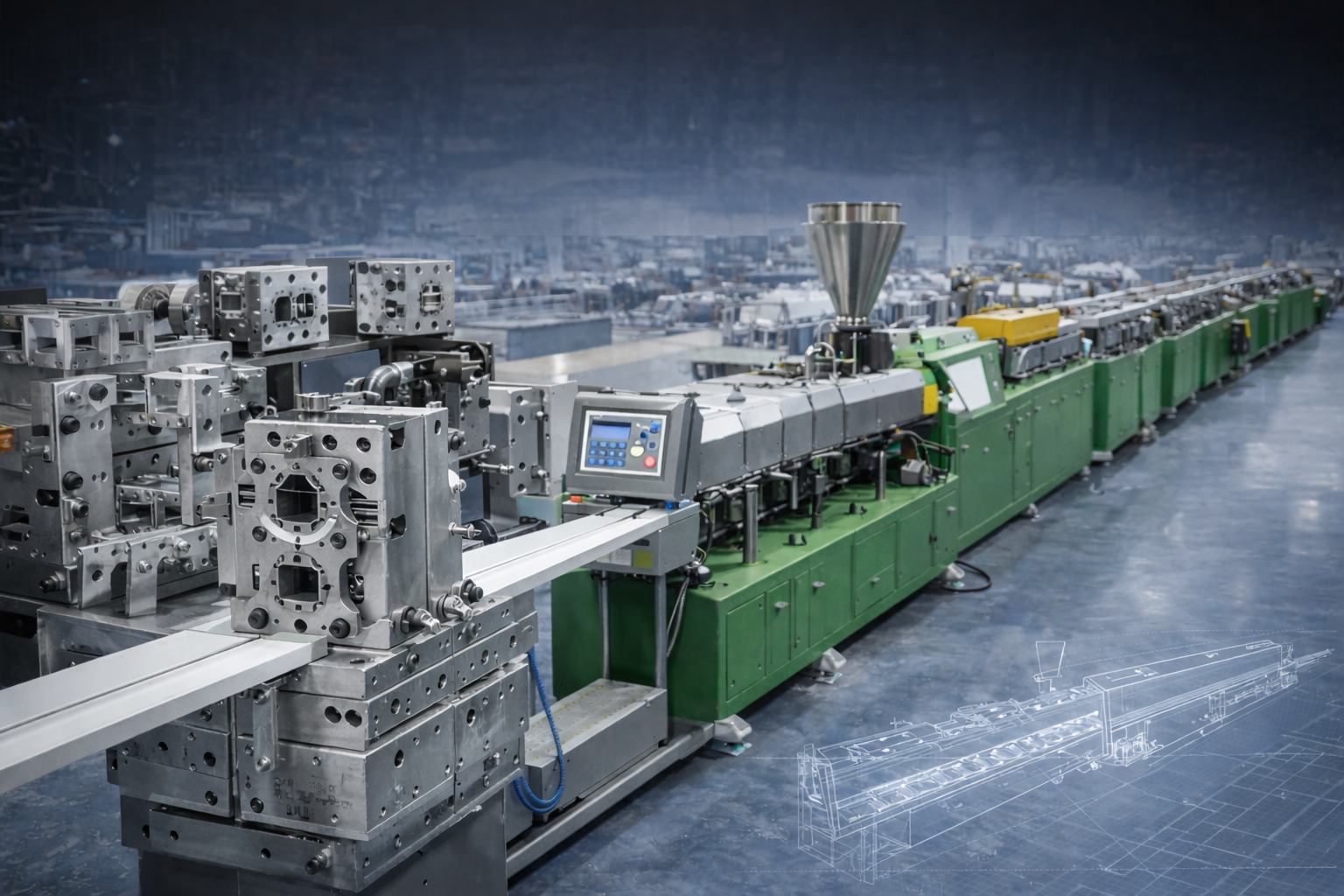
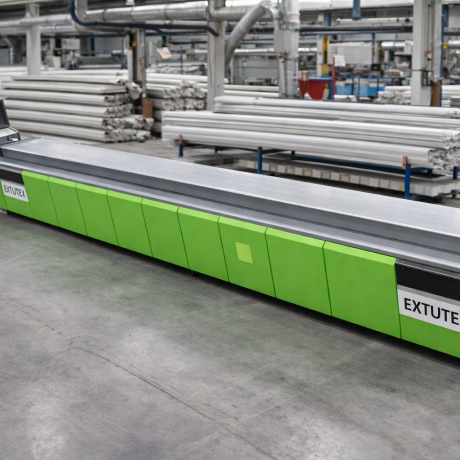
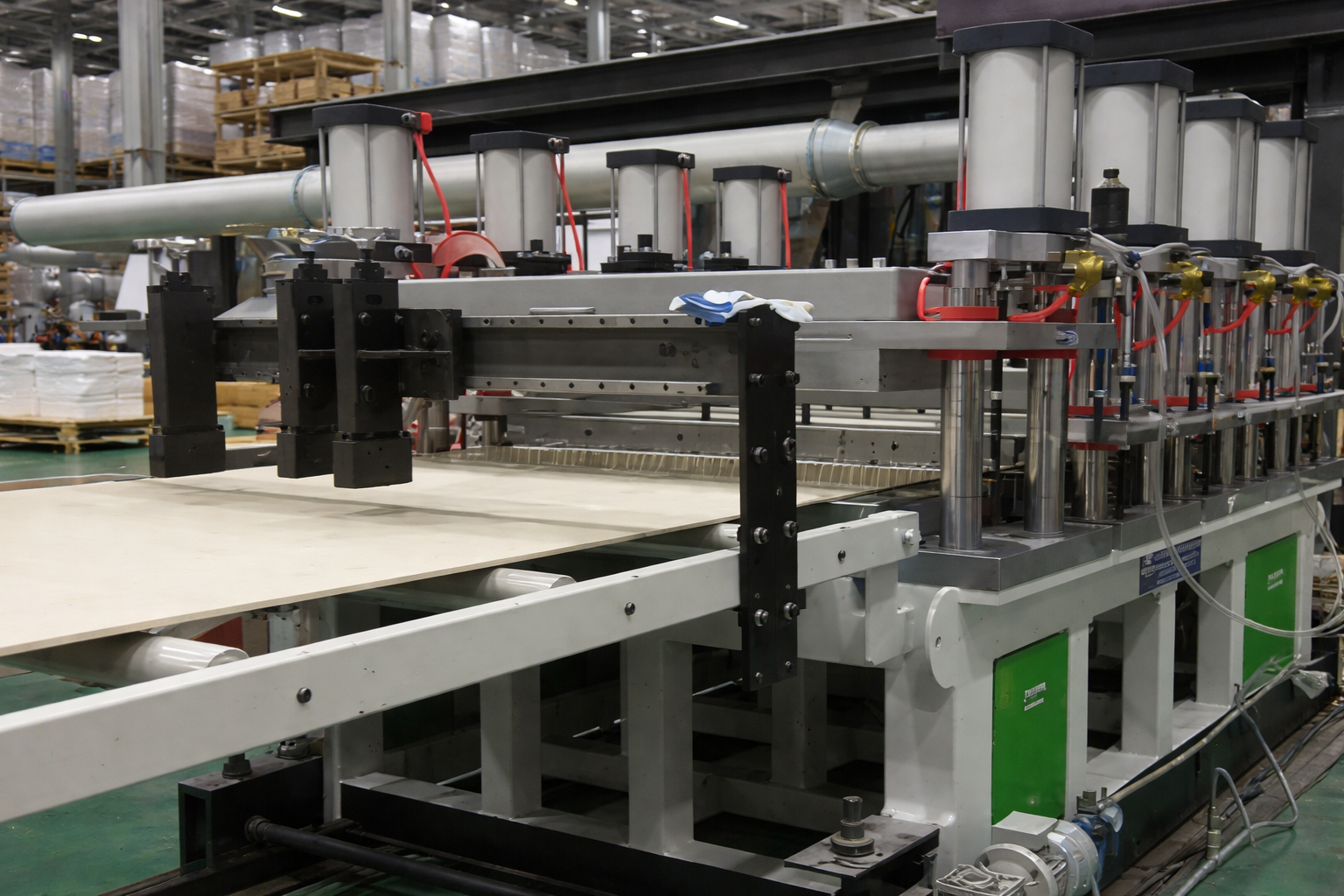
Celuka Foam Panel Tooling

Introduction to Celuka Foam Panel Tooling

Celuka Foam Panel Tooling is at the heart of producing high-quality PVC foam panels that have become indispensable in the interior design, furniture, cabinetry, wall cladding, and construction industries. With unique physical properties, durability, and aesthetic appeal, these panels are increasingly replacing traditional materials such as wood, MDF, and other conventional building products.

The key to achieving such high-performance panels lies in the Celuka foaming extrusion process, a highly controlled foaming technique that requires precision-engineered tooling. Celuka dies are designed not only to shape the panel but also to control its internal cellular structure, density, and surface finish, resulting in panels that combine lightweight design with superior mechanical and aesthetic properties.


What is Celuka?

Celuka is a controlled foaming process in which PVC, often blended with specific chemical foaming agents, is melted under high pressure and then extruded through a die. As the panel exits the die:

  • The surface forms a dense, smooth skin layer.

  • The internal core expands into a low-density foam.

This combination gives Celuka panels several advantages:

  • Lightweight yet strong – easier to handle and transport than solid boards.

  • Smooth, glossy surface – ideal for painting, printing, and lamination.

  • Thermal and acoustic insulation – the cellular structure reduces heat transfer and dampens sound.

The result is a panel that is durable, versatile, and visually appealing, ready for a wide range of applications.


Technical Features of Celuka Foam Panel Tooling

The precision of Celuka tooling ensures that every panel meets exacting standards for dimensions, density, and surface finish. Key specifications include:

FeatureSpecification
Maximum Panel WidthUp to 1220 mm
Thickness5–25 mm (adjustable)
StructureFoam with skin layer
Tool MaterialHardened steel with chrome coating
Temperature ControlMulti-zone with PID controllers
Operating PressureUp to 250 bar (line dependent)
Line Speed1.5–3 m/min
Line OutputUp to 500 kg/h

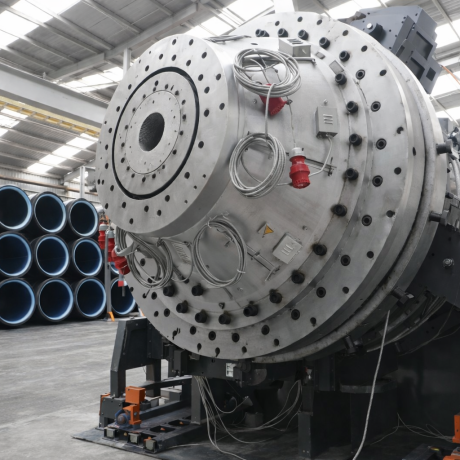
Main Components of a Celuka Foam Panel Die

  1. Feeding Block (Material Distribution)
    Responsible for uniformly distributing molten PVC across the width of the die. Precise distribution prevents density variations and ensures even foaming in the panel core.

  2. Die Lip & Calibration Section
    The die lip is carefully designed to create a smooth, skin-like surface, while the calibration section stabilizes the panel’s dimensions and ensures uniform thickness.

  3. Gap Adjuster (Thickness Control)
    Operators can adjust the die gap with micron-level precision, tailoring the panel thickness to specific applications.

  4. Cooling System
    Proper cooling of both the die and the extruded panel is essential to prevent deformation, maintain the skin layer, and stabilize the foam structure. Cooling can be done via rollers, air, or water baths, depending on the line design.


Advantages of Celuka Foam Panel Tooling

  • Material Efficiency – The foaming core reduces PVC consumption, lowering production costs and panel weight without sacrificing strength.

  • High Surface Quality – The skin layer provides a smooth, glossy surface suitable for painting, lamination, or direct printing.

  • Thermal and Acoustic Insulation – Foam structure improves heat resistance and sound absorption, enhancing panel performance in building interiors.

  • Durability – Resistant to moisture, UV radiation, chemicals, and moderate fire exposure, ensuring long-lasting panels.

  • Versatility – Celuka panels can be used for furniture, wall panels, ceilings, signage, and industrial applications.


Applications of Celuka Foam Panels

  1. Cabinetry and Washbasins – Waterproof panels for kitchens, bathrooms, and wet environments.

  2. Refrigerator and Cold Storage Interiors – Lightweight panels with thermal insulation properties.

  3. Wall and Ceiling Panels – Ideal for indoor spaces, especially in humid areas.

  4. Lightweight Furniture – For offices, schools, and temporary installations.

  5. Advertising & Signage – Panels provide a smooth printable surface for promotional boards, displays, and exhibition stands.

  6. Flooring – Temporary or permanent lightweight flooring applications.


Production Process Using Celuka Tooling

  1. Material Preparation
    PVC powder is combined with chemical foaming agents, lubricants, and thermal stabilizers to create a homogeneous mixture.

  2. Extrusion
    The mixture enters a twin-screw extruder (e.g., ATP113 or ATP93), where heat and pressure melt the material uniformly.

  3. Shaping & Die Exit
    Inside the Celuka die, the skin layer forms on the panel surface, while the core foams and expands to the desired density.

  4. Calibration & Cooling
    Panels pass through calibration tables and cooling systems to stabilize thickness, flatness, and surface quality.

  5. Cutting & Finishing
    Automated saws cut panels to size, creating a ready-to-use final product suitable for immediate application or further processing.


Important Operational Considerations

  • Tool Maintenance – The die must be cleaned regularly to prevent surface imperfections caused by burnt PVC or foaming residues.

  • Temperature and Pressure Control – Precise monitoring ensures proper skin formation and internal foaming.

  • Die Lip Adjustment – Fine-tuning is critical during startup and product changes.

  • Release Aids – Silicone oils or other release agents prevent sticking of molten PVC to the die surface.


Why Manufacturers Choose Celuka Tooling

  1. High Product Quality – Consistent skin layer and foam core deliver panels with excellent surface aesthetics and mechanical properties.

  2. Energy Efficiency – Controlled extrusion reduces waste and energy consumption.

  3. Process Reliability – Multi-zone heating, high-precision die design, and proper calibration yield stable, predictable output.

  4. Market Competitiveness – Durable, lightweight, and visually appealing panels meet diverse customer demands and allow premium pricing.

  5. Flexibility – Adjustable die and line parameters enable production of a wide range of panel thicknesses, widths, and densities.


Market Potential & Business Advantages

Celuka panels are in high demand globally, particularly in:

  • Europe & North America – Interior design, furniture, and advertising markets.

  • Asia-Pacific – Fast-growing construction and renovation sectors.

  • Middle East & Africa – Affordable housing and infrastructure projects requiring lightweight, durable panels.

Investing in Celuka tooling provides manufacturers with:

  • Reduced raw material consumption and energy costs.

  • Faster return on investment compared to traditional solid boards.

  • Opportunities to serve multiple industries with a single production line.


Case Study: EXTRUTEX Austria Collaboration

Manufacturers partnering with experienced tooling providers like EXTRUTEX Austria gain access to:

  • Precision-engineered dies with long lifespan and minimal maintenance needs.

  • Optimized flow channels and die lips for consistent surface finish and internal structure.

  • Comprehensive technical support, ensuring quick setup, efficient operation, and high product quality.

This collaboration guarantees that Celuka tooling delivers panels that are economical, durable, and suitable for demanding applications.


Celuka Foam Panel Tooling represents the gold standard for producing high-quality PVC foam panels. By combining advanced engineering, precise process control, and the benefits of the Celuka foaming process, manufacturers can produce panels that are:

  • Lightweight, strong, and durable.

  • Smooth, glossy, and ready for decoration or printing.

  • Thermally and acoustically insulating.

  • Energy-efficient and cost-effective to produce.

Whether for cabinetry, interior decoration, furniture, signage, or industrial applications, Celuka foam panels offer a versatile, reliable, and profitable solution. For manufacturers seeking to expand their product portfolio or enter the PVC panel market, investing in Celuka tooling is a strategic decision that ensures quality, efficiency, and long-term business success.


مشخصات فنی

کاربردها:

Reviews (0)

Be the first to review “Celuka Foam Panel Tooling”

Your email address will not be published. Required fields are marked *


Reviews

There are no reviews yet.

Celuka Foam Panel Tooling

Introduction to Celuka Foam Panel Tooling

Celuka Foam Panel Tooling is at the heart of producing high-quality PVC foam panels that have become indispensable in the interior design, furniture, cabinetry, wall cladding, and construction industries. With unique physical properties, durability, and aesthetic appeal, these panels are increasingly replacing traditional materials such as wood, MDF, and other conventional building products.

The key to achieving such high-performance panels lies in the Celuka foaming extrusion process, a highly controlled foaming technique that requires precision-engineered tooling. Celuka dies are designed not only to shape the panel but also to control its internal cellular structure, density, and surface finish, resulting in panels that combine lightweight design with superior mechanical and aesthetic properties.


What is Celuka?

Celuka is a controlled foaming process in which PVC, often blended with specific chemical foaming agents, is melted under high pressure and then extruded through a die. As the panel exits the die:

  • The surface forms a dense, smooth skin layer.

  • The internal core expands into a low-density foam.

This combination gives Celuka panels several advantages:

  • Lightweight yet strong – easier to handle and transport than solid boards.

  • Smooth, glossy surface – ideal for painting, printing, and lamination.

  • Thermal and acoustic insulation – the cellular structure reduces heat transfer and dampens sound.

The result is a panel that is durable, versatile, and visually appealing, ready for a wide range of applications.


Technical Features of Celuka Foam Panel Tooling

The precision of Celuka tooling ensures that every panel meets exacting standards for dimensions, density, and surface finish. Key specifications include:

FeatureSpecification
Maximum Panel WidthUp to 1220 mm
Thickness5–25 mm (adjustable)
StructureFoam with skin layer
Tool MaterialHardened steel with chrome coating
Temperature ControlMulti-zone with PID controllers
Operating PressureUp to 250 bar (line dependent)
Line Speed1.5–3 m/min
Line OutputUp to 500 kg/h

Main Components of a Celuka Foam Panel Die

  1. Feeding Block (Material Distribution)
    Responsible for uniformly distributing molten PVC across the width of the die. Precise distribution prevents density variations and ensures even foaming in the panel core.

  2. Die Lip & Calibration Section
    The die lip is carefully designed to create a smooth, skin-like surface, while the calibration section stabilizes the panel’s dimensions and ensures uniform thickness.

  3. Gap Adjuster (Thickness Control)
    Operators can adjust the die gap with micron-level precision, tailoring the panel thickness to specific applications.

  4. Cooling System
    Proper cooling of both the die and the extruded panel is essential to prevent deformation, maintain the skin layer, and stabilize the foam structure. Cooling can be done via rollers, air, or water baths, depending on the line design.


Advantages of Celuka Foam Panel Tooling

  • Material Efficiency – The foaming core reduces PVC consumption, lowering production costs and panel weight without sacrificing strength.

  • High Surface Quality – The skin layer provides a smooth, glossy surface suitable for painting, lamination, or direct printing.

  • Thermal and Acoustic Insulation – Foam structure improves heat resistance and sound absorption, enhancing panel performance in building interiors.

  • Durability – Resistant to moisture, UV radiation, chemicals, and moderate fire exposure, ensuring long-lasting panels.

  • Versatility – Celuka panels can be used for furniture, wall panels, ceilings, signage, and industrial applications.


Applications of Celuka Foam Panels

  1. Cabinetry and Washbasins – Waterproof panels for kitchens, bathrooms, and wet environments.

  2. Refrigerator and Cold Storage Interiors – Lightweight panels with thermal insulation properties.

  3. Wall and Ceiling Panels – Ideal for indoor spaces, especially in humid areas.

  4. Lightweight Furniture – For offices, schools, and temporary installations.

  5. Advertising & Signage – Panels provide a smooth printable surface for promotional boards, displays, and exhibition stands.

  6. Flooring – Temporary or permanent lightweight flooring applications.


Production Process Using Celuka Tooling

  1. Material Preparation
    PVC powder is combined with chemical foaming agents, lubricants, and thermal stabilizers to create a homogeneous mixture.

  2. Extrusion
    The mixture enters a twin-screw extruder (e.g., ATP113 or ATP93), where heat and pressure melt the material uniformly.

  3. Shaping & Die Exit
    Inside the Celuka die, the skin layer forms on the panel surface, while the core foams and expands to the desired density.

  4. Calibration & Cooling
    Panels pass through calibration tables and cooling systems to stabilize thickness, flatness, and surface quality.

  5. Cutting & Finishing
    Automated saws cut panels to size, creating a ready-to-use final product suitable for immediate application or further processing.


Important Operational Considerations

  • Tool Maintenance – The die must be cleaned regularly to prevent surface imperfections caused by burnt PVC or foaming residues.

  • Temperature and Pressure Control – Precise monitoring ensures proper skin formation and internal foaming.

  • Die Lip Adjustment – Fine-tuning is critical during startup and product changes.

  • Release Aids – Silicone oils or other release agents prevent sticking of molten PVC to the die surface.


Why Manufacturers Choose Celuka Tooling

  1. High Product Quality – Consistent skin layer and foam core deliver panels with excellent surface aesthetics and mechanical properties.

  2. Energy Efficiency – Controlled extrusion reduces waste and energy consumption.

  3. Process Reliability – Multi-zone heating, high-precision die design, and proper calibration yield stable, predictable output.

  4. Market Competitiveness – Durable, lightweight, and visually appealing panels meet diverse customer demands and allow premium pricing.

  5. Flexibility – Adjustable die and line parameters enable production of a wide range of panel thicknesses, widths, and densities.


Market Potential & Business Advantages

Celuka panels are in high demand globally, particularly in:

  • Europe & North America – Interior design, furniture, and advertising markets.

  • Asia-Pacific – Fast-growing construction and renovation sectors.

  • Middle East & Africa – Affordable housing and infrastructure projects requiring lightweight, durable panels.

Investing in Celuka tooling provides manufacturers with:

  • Reduced raw material consumption and energy costs.

  • Faster return on investment compared to traditional solid boards.

  • Opportunities to serve multiple industries with a single production line.


Case Study: EXTRUTEX Austria Collaboration

Manufacturers partnering with experienced tooling providers like EXTRUTEX Austria gain access to:

  • Precision-engineered dies with long lifespan and minimal maintenance needs.

  • Optimized flow channels and die lips for consistent surface finish and internal structure.

  • Comprehensive technical support, ensuring quick setup, efficient operation, and high product quality.

This collaboration guarantees that Celuka tooling delivers panels that are economical, durable, and suitable for demanding applications.


Celuka Foam Panel Tooling represents the gold standard for producing high-quality PVC foam panels. By combining advanced engineering, precise process control, and the benefits of the Celuka foaming process, manufacturers can produce panels that are:

  • Lightweight, strong, and durable.

  • Smooth, glossy, and ready for decoration or printing.

  • Thermally and acoustically insulating.

  • Energy-efficient and cost-effective to produce.

Whether for cabinetry, interior decoration, furniture, signage, or industrial applications, Celuka foam panels offer a versatile, reliable, and profitable solution. For manufacturers seeking to expand their product portfolio or enter the PVC panel market, investing in Celuka tooling is a strategic decision that ensures quality, efficiency, and long-term business success.

مشخصات فنی

کاربردها:

Product was successfully added to your cart!