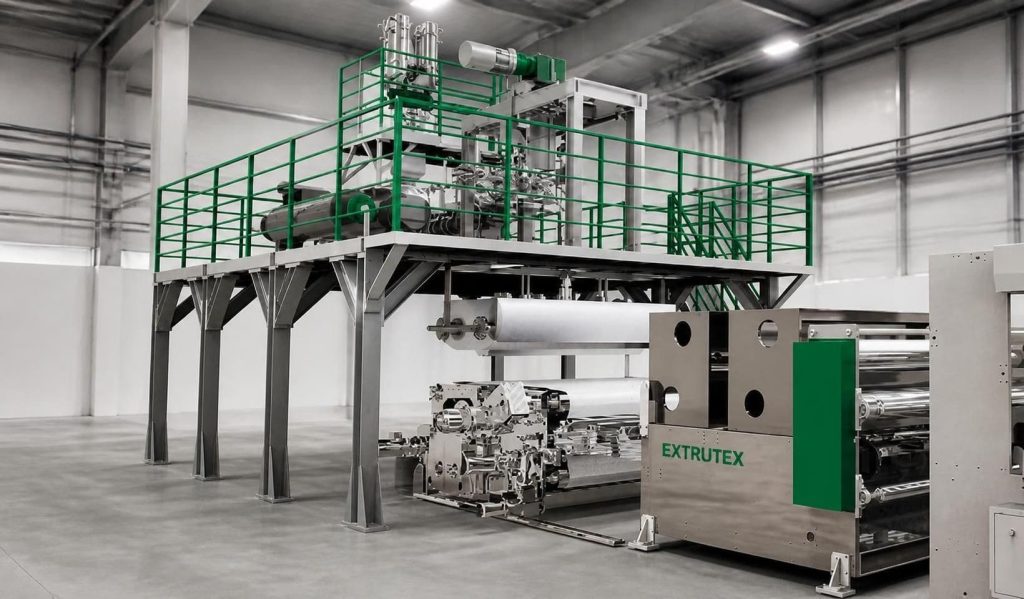
EXTRUTEX PP Meltblown Nonwoven Fabric Production Lines
Product Overview
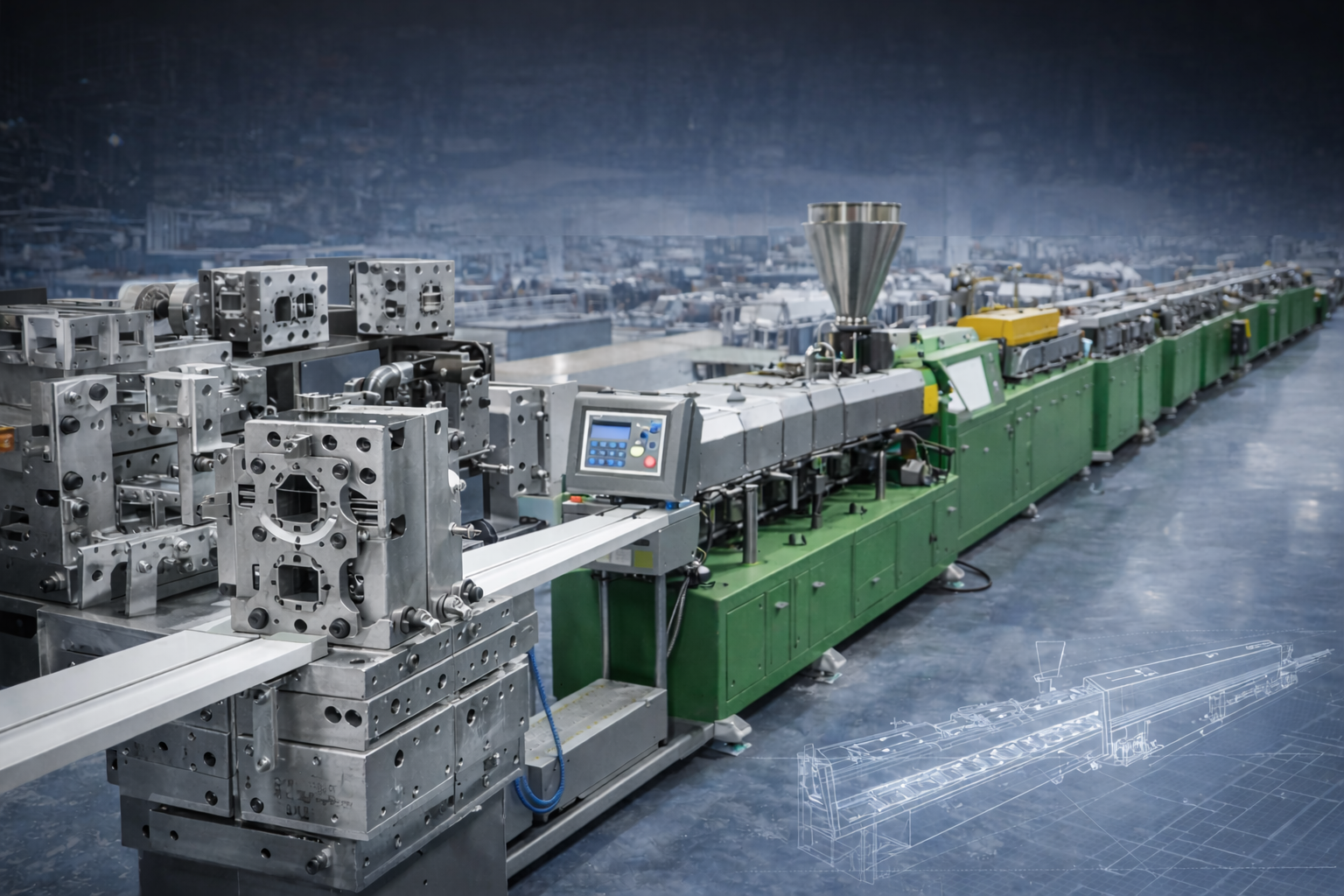
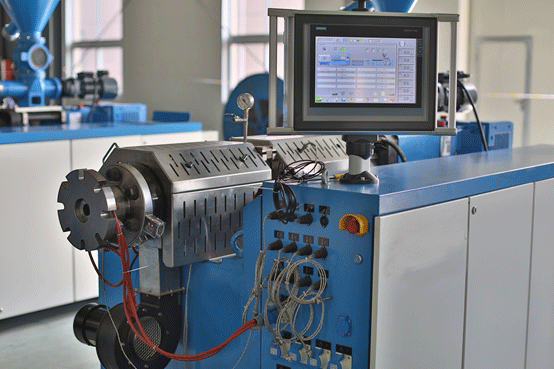
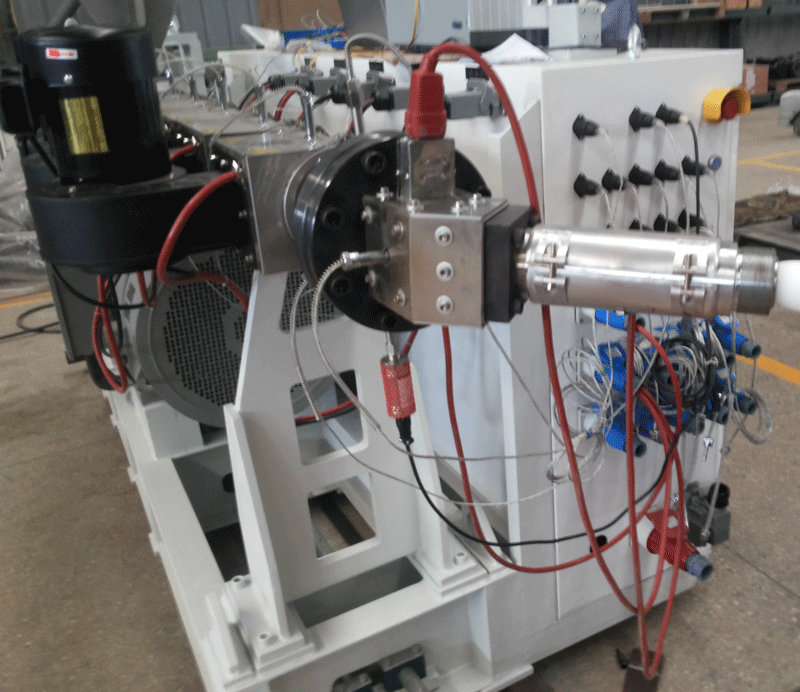
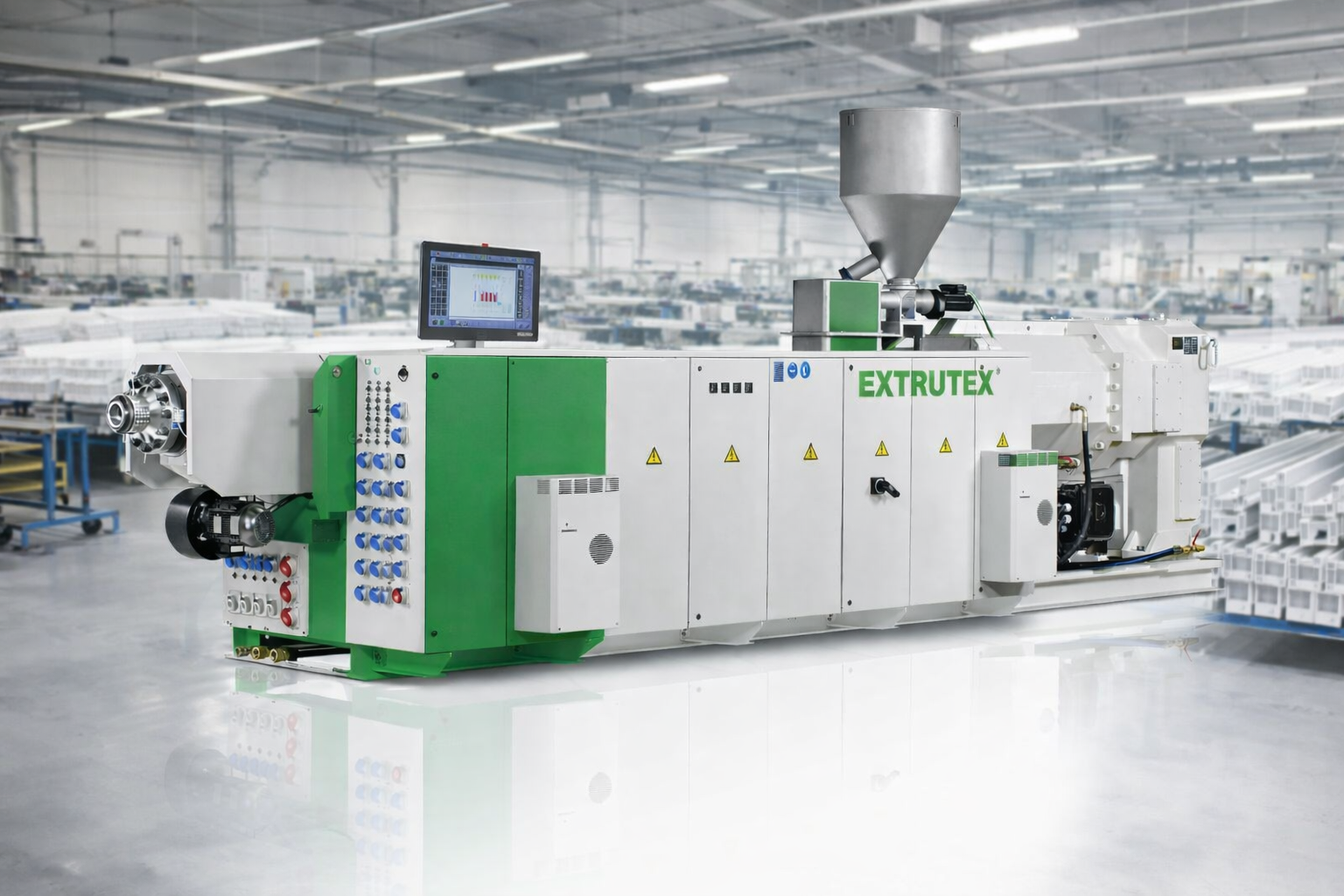
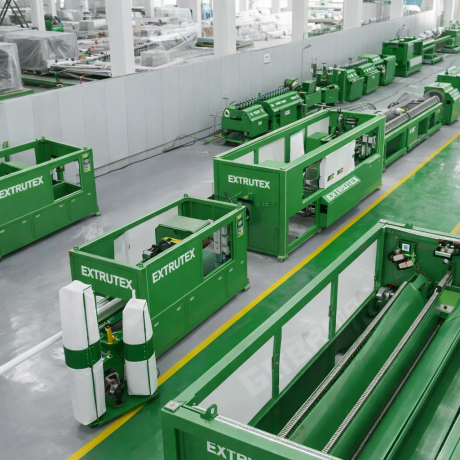
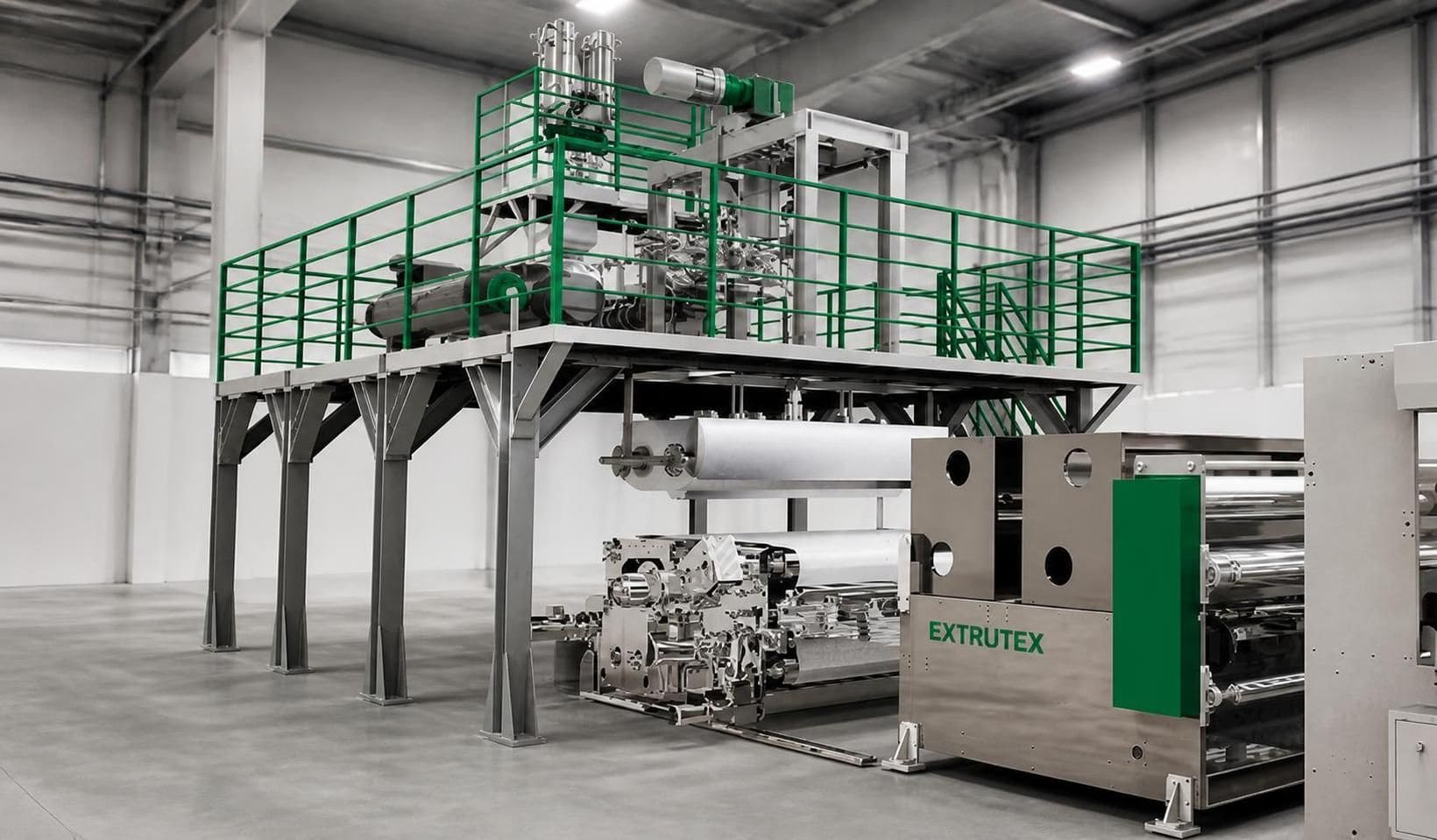
The EXTRUTEX PP Meltblown Nonwoven Fabric Production Lines are designed for manufacturing polypropylene (PP) nonwoven materials for filtration, thermal insulation, oil absorption, and other industrial applications. With different machine configurations and production widths, the series provides options for businesses establishing new nonwoven manufacturing facilities or expanding existing production capacity.
Meltblown technology converts molten polypropylene into fine fibers using high-velocity hot air. The fibers are collected as a lightweight nonwoven web with a large surface area and a structure that can be engineered for different filtration, insulation, and absorption requirements.
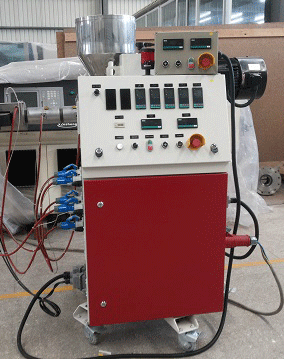
EXTRUTEX offers two equipment configurations within this product range: the **EXP-MB Series**, represented by the EXP-MB1600, and the **EX-RPL Series**, available in 600 mm, 1200 mm, 1600 mm, and 2400 mm effective product widths. These configurations provide different production capacities, operating speeds, and total installed power requirements to suit different manufacturing targets.
The EXP-MB1600 specification lists an extrusion capacity of 60–80 kg/h and a specified fiber diameter of 0.002–0.005 mm. The EX-RPL Series provides wider options for customers planning production capacities ranging from several hundred kilograms to approximately two tonnes per 24 hours, based on the supplied 25 g/m² product reference.
Actual production output and finished-fabric characteristics depend on the raw material, product weight, operating conditions, equipment configuration, and production schedule. EXTRUTEX can help customers assess their required product specifications and select a suitable production-line configuration.
Product Highlights
- Multiple production widths: Available EX-RPL configurations cover effective product widths of 600 mm, 1200 mm, 1600 mm, and 2400 mm.
- Different production capacities: Options accommodate a range of manufacturing requirements, from small and medium production operations to higher-output facilities.
- Adjustable production speed: The supplied EX-RPL specifications list a production-speed range of 10–50 m/min.
- Polypropylene processing: Designed for PP meltblown nonwoven fabric production.
- Fine-fiber technology: Meltblown processing creates a fine-fiber web suitable for developing specialized nonwoven materials.
- Versatile end uses: Potential applications include filter media, thermal insulation, and oil-absorption products.
- Production planning support: Line selection can be based on target fabric width, basis weight, required output, factory utilities, and downstream converting requirements.
Equipment Series and Technical Specifications
1. EX-RPL Series PP Meltblown Fabric Production Equipment
The EX-RPL Series is available in four configurations for different web widths and production targets. The stated capacities are based on a reference product weight of 25 g/m². Production speed is listed at 10–50 m/min for all four models.
| Technical Parameter |
EX-RPL600 |
EX-RPL1200 |
EX-RPL1600 |
EX-RPL2400 |
| Applicable material |
PP |
PP |
PP |
PP |
| Effective product width |
600 mm |
1200 mm |
1600 mm |
2400 mm |
| Reference production quantity |
250–350 kg/24 h |
0.8–1.0 t/24 h |
1.0–1.2 t/24 h |
1.5–2.0 t/24 h |
| Reference product basis weight |
25 g/m² |
25 g/m² |
25 g/m² |
25 g/m² |
| Production speed |
10–50 m/min |
10–50 m/min |
10–50 m/min |
10–50 m/min |
| Total power of complete equipment |
Approximately 210 kW |
Approximately 470 kW |
Approximately 520 kW |
Approximately 620 kW |
Production note: The daily production figures above are the supplied reference values for fabric with a basis weight of 25 g/m². Actual output varies with fabric weight, effective width, production speed, process stability, operating hours, and material characteristics. The stated total power is approximate and should be confirmed in the final technical proposal.
2. EXP-MB Series PP Meltblown Nonwoven Production Line
The EXP-MB Series provides another configuration for polypropylene meltblown manufacturing. The EXP-MB1600 is specified with a 90 mm screw diameter, a 1600 mm fabric width, a fiber diameter range of 2–5 microns, and an extrusion capacity of 60–80 kg/h.
| Technical Parameter |
EXP-MB1600 |
| Applicable material |
Polypropylene (PP) |
| Extruder screw diameter |
90 mm |
| Fabric width |
1600 mm |
| Specified fiber diameter |
0.002–0.005 mm (2–5 μm) |
| Extrusion capacity |
60–80 kg/h |
| Theoretical output over 24 hours at continuous rated throughput |
1440–1920 kg |
| Primary application categories |
Filtration, thermal insulation, adsorption and oil absorption |
| Total installed power |
To be confirmed for the selected configuration |
| Production speed |
To be confirmed for the selected configuration |
The EXP-MB1600's theoretical 24-hour throughput is calculated from the stated hourly extrusion capacity. It is not a guaranteed finished-fabric output. The EXP-MB and EX-RPL specifications are provided as separate equipment configurations and should be evaluated independently when comparing production targets.
How Meltblown Nonwoven Production Works
1. Polypropylene Feeding
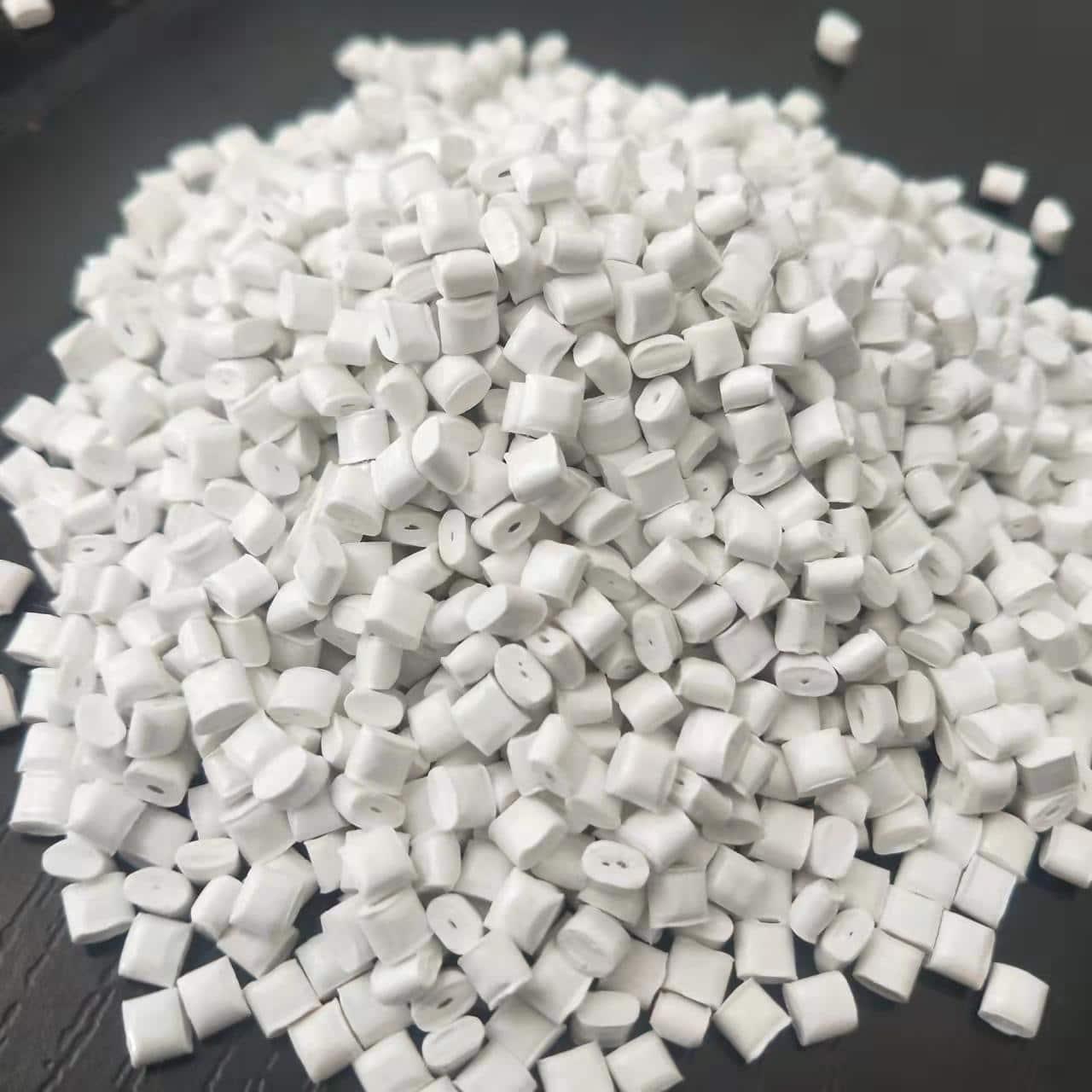
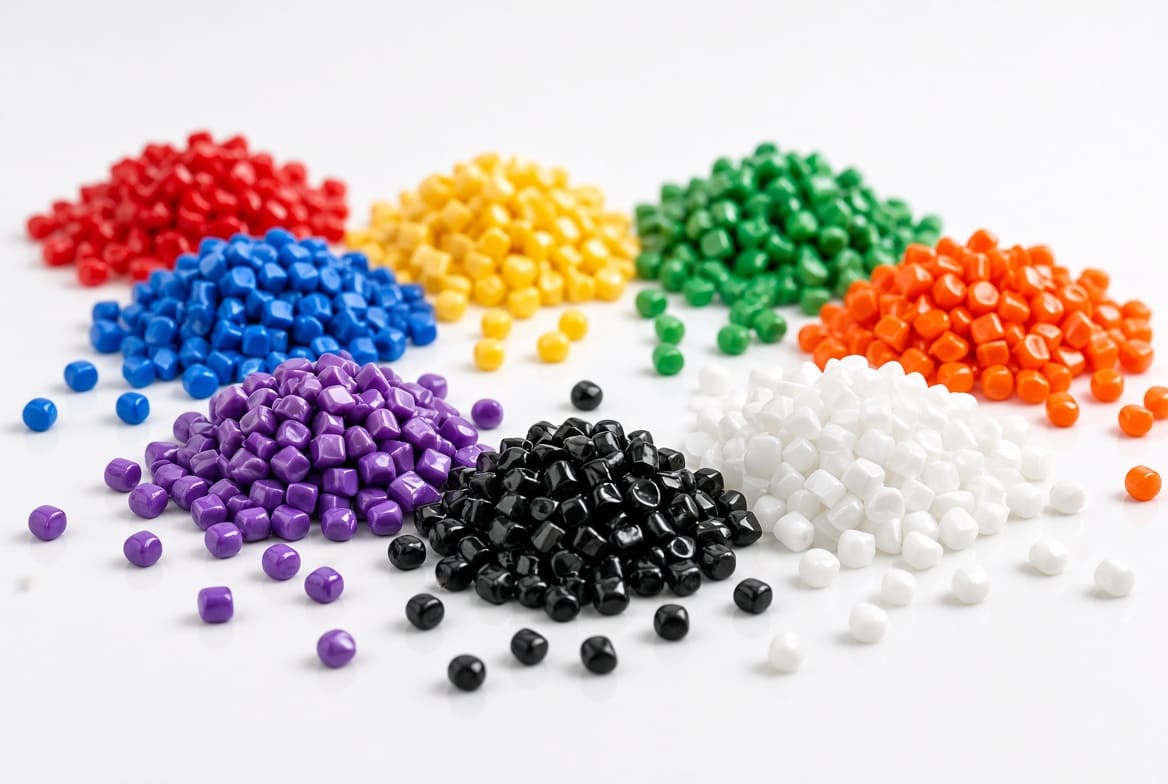
Polypropylene pellets suitable for meltblown processing are fed into the production system. Consistent raw-material quality and suitable polymer properties help maintain stable melting and fiber formation. The appropriate grade should be selected according to the required fabric characteristics and end-use application.
2. Polymer Melting and Extrusion
The extruder heats and conveys the polymer until it reaches a molten state. Temperature, screw speed, melt pressure, and material throughput are adjusted according to the selected PP grade and target production conditions.
3. Melt Conditioning and Delivery
The molten polymer passes through the relevant melt-conditioning components before reaching the meltblown die. Proper melt delivery and suitable filtration help support stable processing and reduce defects associated with contamination or inconsistent flow.
4. Fine-Fiber Formation
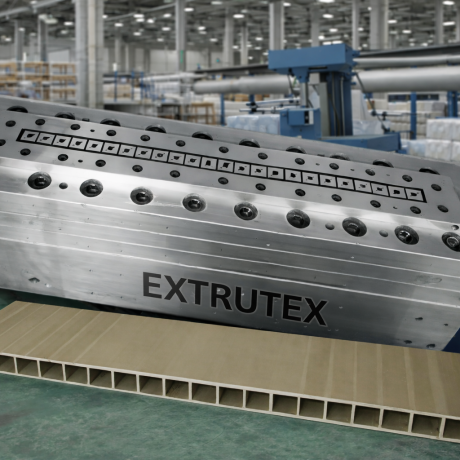
The molten polymer exits through small openings in the die. High-velocity hot air draws the polymer streams into fine fibers. Air conditions, polymer properties, die settings, and other process parameters affect fiber diameter and distribution.
5. Nonwoven Web Collection
The fibers are deposited onto a moving collection surface to form a continuous nonwoven web. Collection speed and process settings influence the web's basis weight, uniformity, porosity, and other characteristics.
6. Winding and Finishing
The formed nonwoven material is collected and wound into rolls for storage or downstream conversion. Depending on the finished product, additional equipment may be required for slitting, cutting, lamination, pleating, or filter assembly.
Applications of PP Meltblown Nonwoven Fabric
1. Filtration Products
Meltblown polypropylene is widely considered for filtration media because its fine-fiber structure can be engineered for particular filtration requirements. The performance of the finished product depends on the web construction, basis weight, fiber characteristics, any applicable treatment, and the final filter design.
- Mask filtration media: For suitable filtration layers, subject to material testing and finished-product validation.
- Air purifier filters: For selected air-filtration applications requiring a fine-fiber medium.
- Air-conditioning filtration: For appropriate filter constructions and operating conditions.
- Fume and smoke filtration: For selected filtration products designed and tested for the target particles and conditions.
- Automotive air filtration: For filter-media development according to automotive application requirements.
- Cleanroom filtration: For suitable filtration constructions validated against the required performance criteria.
Medical, respiratory-protection, and safety-critical filtration applications require appropriate performance testing and relevant regulatory approvals. Fiber diameter alone does not establish filtration efficiency or medical-grade status.
2. Thermal Insulation Products
The lightweight structure of meltblown nonwoven material can be considered for selected insulation and padding applications. Potential products include cold-protection layers for ski equipment, gloves, and similar items.
Finished-product suitability depends on thermal performance, compression behavior, durability, moisture response, and the construction of the complete article.
3. Adsorption and Oil-Absorption Products
Polypropylene is hydrophobic, making appropriately engineered PP nonwoven materials useful for certain oil-absorption applications. Potential uses include:
- Industrial oil-absorbent pads and rolls.
- Oil-absorbent wipes and cleaning materials.
- Oil collection and containment products.
- Selected spill-response and environmental protection products.
The absorbency, retention, and environmental suitability of the finished material must be verified for its intended use. Applications in waterways or other sensitive environments must also comply with applicable environmental requirements.
Production Quality and Process Control
Consistent meltblown production depends on the coordination of raw-material quality, polymer melting, melt delivery, hot-air conditions, die operation, and web collection. Changes in these parameters can affect the fiber structure and final fabric properties.
Quality-control procedures may include:
- Visual inspection for holes, streaks, uneven areas, and other web defects.
- Measurement of effective width and fabric basis weight.
- Evaluation of web uniformity, thickness, and mechanical integrity as required.
- Fiber-diameter measurement using a suitable test method.
- Pressure-drop and filtration-efficiency testing for filter media.
- Absorption capacity and retention testing for oil-absorbent products.
- Thermal-performance testing for insulation materials.
Testing procedures and acceptance limits should be established according to the finished product and relevant standards. The equipment's nominal capacity and operating specifications do not, by themselves, guarantee that the finished fabric meets a particular medical, filtration, environmental, or protective-product standard.
Factory Planning and Equipment Selection
Choosing a suitable meltblown production line requires more than comparing nominal output. Buyers should consider the intended product width, basis weight, target production quantity, operating schedule, material grade, utility availability, and downstream processing requirements.
For the EX-RPL Series, the stated total equipment power ranges from approximately 210 kW for the 600 mm model to approximately 620 kW for the 2400 mm model. These values should be used for preliminary planning only until the final equipment configuration and electrical requirements are confirmed.
Before ordering, confirm the following items with EXTRUTEX:
- Required effective fabric width and edge-trimming allowance.
- Target fabric basis weight and acceptable weight variation.
- Expected daily and annual production targets.
- Suitable PP raw-material grade and processing requirements.
- Installed power, power supply, and utility requirements.
- Compressed-air, ventilation, and heat-management requirements, where applicable.
- Line layout, operating space, maintenance access, and material handling.
- Winding, slitting, cutting, and other downstream equipment requirements.
- Quality-control instruments and testing procedures required for the target application.
Why Choose EXTRUTEX Meltblown Equipment?
EXTRUTEX provides equipment options for businesses developing polypropylene nonwoven materials for industrial and commercial applications. With multiple EX-RPL working widths and the separate EXP-MB1600 configuration, customers can assess alternatives according to their product specifications and production objectives.
Technical discussions can cover target output, fabric width, basis weight, application requirements, plant conditions, and the scope of auxiliary equipment. The final proposal should identify the selected model, included modules, confirmed specifications, utility requirements, and any optional downstream systems.
Frequently Asked Questions
What raw material do these production lines use?
The listed applicable material is polypropylene (PP). The selected polymer grade should be appropriate for meltblown processing and the intended finished product.
What widths are available in the EX-RPL Series?
The supplied configurations are EX-RPL600 with 600 mm, EX-RPL1200 with 1200 mm, EX-RPL1600 with 1600 mm, and EX-RPL2400 with 2400 mm effective product width.
What is the production speed of the EX-RPL Series?
The supplied technical data lists a production-speed range of 10–50 m/min for all four EX-RPL models. Actual operating speed depends on the product specification and production conditions.
What are the EX-RPL Series production capacities?
At the stated reference basis weight of 25 g/m², the supplied daily capacities are 250–350 kg for EX-RPL600, 0.8–1.0 tonnes for EX-RPL1200, 1.0–1.2 tonnes for EX-RPL1600, and 1.5–2.0 tonnes for EX-RPL2400. These figures are reference values, not unconditional guarantees.
What is the difference between the EXP-MB and EX-RPL series?
The supplied EXP-MB1600 data specifies a 90 mm screw diameter, a 1600 mm fabric width, a 2–5 micron fiber-diameter range, and an extrusion capacity of 60–80 kg/h. The EX-RPL Series data specifies four effective widths, daily output at a 25 g/m² reference basis weight, production speed, and approximate total equipment power. The two sets of specifications should be compared as separate configurations, with any further differences confirmed in the final technical proposal.
Can these lines produce medical filter media?
They can be considered for manufacturing PP meltblown materials intended for filtration applications. Medical or respiratory-protection use requires appropriate material and finished-product testing and applicable regulatory approvals. Equipment specifications alone do not guarantee compliance.
Can the production line manufacture oil-absorption materials?
PP meltblown nonwoven can be developed for oil-absorption products. The finished material's absorption capacity, retention, and suitability must be tested for its intended application.
Contact EXTRUTEX
Contact EXTRUTEX to discuss your PP meltblown nonwoven production project. Provide your required fabric width, basis weight, daily production target, intended application, raw-material grade, and factory utility conditions to help determine a suitable configuration.
EXTRUTEX — Austrian design, with manufacturing in China and design, laboratory, and R&D capabilities in Austria.






-
(0 customer reviews)