High-Strength PA6-CF20 Carbon Fiber 3D Printing Filament
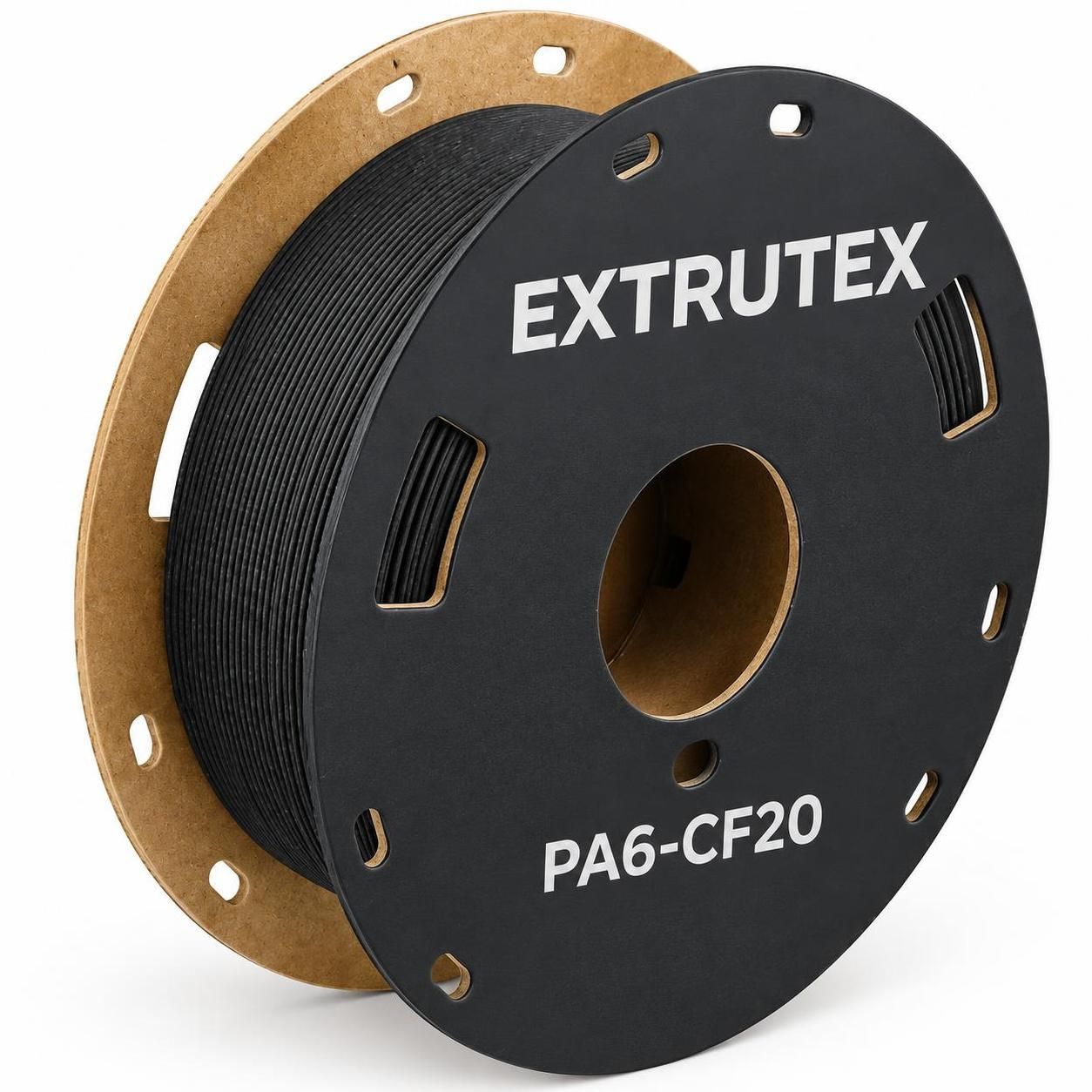
EXTRUTEX PA6-CF20 is a carbon fiber reinforced polyamide 6 (PA6) filament developed for engineering-grade 3D printing applications. Combining the mechanical properties of Nylon 6 with carbon fiber reinforcement, this material is designed to deliver increased stiffness, strength and heat resistance for demanding functional components.
With 20% carbon fiber reinforcement, PA6-CF20 is intended for applications where rigidity and mechanical performance are important. It offers excellent layer adhesion when processed correctly, helping produce solid printed structures for functional prototypes, mechanical components, industrial fixtures and custom engineering parts.
The material has a stated density of 1.17 g/cm³ and requires a high-temperature 3D printer equipped with an all-metal hotend capable of at least 280°C. A hardened nozzle is also recommended because carbon fiber reinforcement is abrasive and can accelerate wear in standard nozzles.
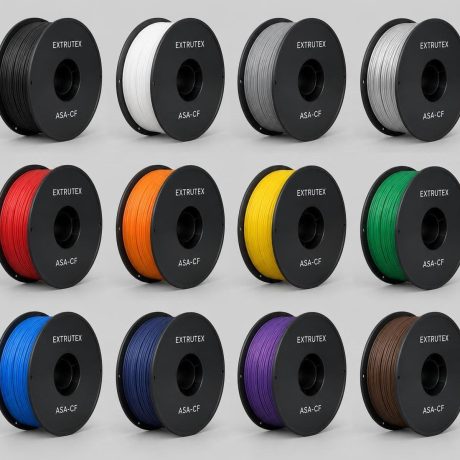
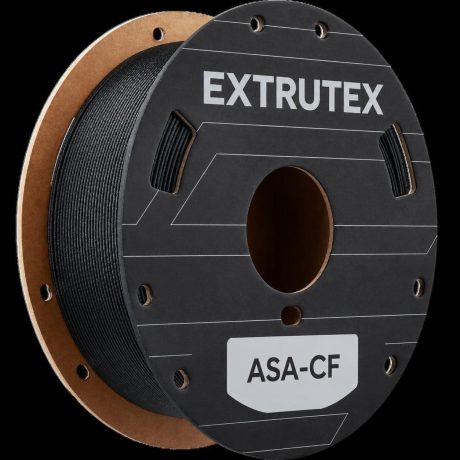
EXTRUTEX PA6-CF20 is available in standard black and customized colors, with spool sizes of 500 g, 1 kg and 3 kg. It is suitable for professional users looking for a reinforced nylon filament for demanding 3D printing applications.
Key Features and Advantages
20% Carbon Fiber ReinforcementCarbon fiber reinforcement improves rigidity and stiffness, supporting demanding functional applications.
High Mechanical PerformanceCombines the properties of PA6 nylon with carbon fiber reinforcement for strong engineering components.
Heat ResistanceDesigned for applications where improved thermal performance is required compared with standard unreinforced PA6.
Excellent Layer AdhesionSupports strong bonding between printed layers when suitable temperatures and processing conditions are maintained.
Material Density: 1.17 g/cm³A stated material density of 1.17 g/cm³ for engineering material calculations and design reference.
Multiple Spool OptionsAvailable in 500 g, 1 kg and 3 kg packaging, with black and customized color options.
Understanding PA6-CF20 Material
What Is PA6 Nylon?
PA6, also known as Nylon 6 or polyamide 6, is an engineering thermoplastic widely used in mechanical and industrial applications. It offers a useful combination of toughness, mechanical strength, wear resistance and processing versatility. PA6 is commonly used for functional components that require more demanding performance than general-purpose plastics.
In 3D printing, PA6 can be used to manufacture brackets, housings, fixtures, gears, mechanical prototypes and other functional components. However, conventional PA6 is sensitive to moisture absorption, and its dimensional and processing behavior can be affected by humidity. Proper filament drying and storage are therefore important.
Why Reinforce PA6 with Carbon Fiber?
Carbon fiber reinforcement is used to improve the stiffness and rigidity of the polymer matrix. In PA6-CF20, the carbon fibers help produce a composite material intended for parts that must resist deformation and maintain their shape under mechanical loading.
Compared with unreinforced PA6, carbon fiber reinforced formulations are generally stiffer and can provide improved dimensional stability in selected applications. The final properties depend on fiber characteristics, formulation, printing orientation, layer bonding and processing conditions.
The reinforcement also makes the filament abrasive. A hardened nozzle is therefore essential for maintaining consistent extrusion and reducing premature nozzle wear.
Mechanical Strength and Layer Adhesion
PA6-CF20 combines the mechanical characteristics of Nylon 6 with the rigidity provided by carbon fiber. This makes it suitable for functional parts where stiffness and structural performance are important.
Layer adhesion is another important factor in the performance of printed engineering components. The supplied material information identifies excellent layer adhesion as a product characteristic. Maintaining stable extrusion temperature and using an appropriate printing profile are important for achieving reliable bonding between layers.
As with all fiber-reinforced FDM materials, printed strength can vary significantly depending on build orientation, infill strategy, wall thickness, layer height and printer calibration. Engineering parts should be tested in their intended loading direction.
Technical Specifications
| Product Name | EXTRUTEX PA6-CF20 Filament |
|---|
| Base Polymer | Polyamide 6 (PA6 / Nylon 6) |
|---|
| Reinforcement | 20% carbon fiber |
|---|
| Material Type | Carbon fiber reinforced nylon |
|---|
| Filament Diameter | 1.75 mm |
|---|
| Density | 1.17 g/cm³ |
|---|
| Spool Weight Options | 500 g, 1 kg and 3 kg |
|---|
| Standard Color | Black |
|---|
| Custom Colors | Available upon request |
|---|
| Hotend Requirement | All-metal hotend capable of 280°C or higher |
|---|
| Nozzle Requirement | Hardened, wear-resistant nozzle |
|---|
| Moisture Management | Drying before printing recommended |
|---|
| Post-Processing | Annealing and moisture conditioning recommended |
|---|
| Primary Characteristics | Strength, stiffness, heat resistance and layer adhesion |
|---|
Technical note: The density is reproduced as supplied: 1.17 g/cm³. The source does not provide an exact nozzle temperature profile beyond the requirement for a 280°C+ all-metal hotend, nor does it specify a drying cycle, annealing schedule, tensile strength, flexural strength, heat deflection temperature or quantitative layer adhesion value. These should be confirmed from the official technical data sheet.
Recommended 3D Printer Requirements
PA6-CF20 is an engineering-grade reinforced filament and requires a printer capable of processing high-temperature nylon materials. The printer setup should be selected to support stable extrusion, reliable layer bonding and consistent material feeding.
All-Metal Hotend
An all-metal hotend capable of reaching at least 280°C is recommended. The hotend should maintain stable temperatures during printing and provide sufficient thermal capacity for the selected printing speed and part geometry.
Before printing, confirm that the printer manufacturer permits operation at the required temperature. The hotend, thermistor, heater cartridge and surrounding components must all be suitable for the intended operating range.
Hardened Nozzle
Carbon fiber is abrasive and can cause accelerated wear in ordinary brass nozzles. A hardened steel or equivalent wear-resistant nozzle is recommended for PA6-CF20.
Regularly inspect the nozzle when printing reinforced materials. Excessive nozzle wear can change extrusion characteristics, reduce dimensional accuracy and affect surface quality.
Filament Drying
PA6 is moisture-sensitive, so drying the filament before printing is recommended. Moisture contamination can affect extrusion behavior and may cause surface imperfections, bubbling or inconsistent material flow.
Use a suitable filament dryer and follow the grade-specific drying conditions supplied by EXTRUTEX. No specific drying temperature or duration has been provided for this grade, so avoid applying an unverified drying schedule.
Printer Calibration
- Verify that the hotend supports at least 280°C.
- Install a hardened or otherwise abrasion-resistant nozzle.
- Dry the filament before printing.
- Check extrusion flow and filament feeding consistency.
- Prepare the build surface for engineering nylon materials.
- Validate layer adhesion using representative test parts.
- Monitor dimensional accuracy and warping during initial profile development.
Heat Resistance and Engineering Applications
PA6-CF20 is designed for demanding applications where improved heat resistance and mechanical performance are required. Carbon fiber reinforcement changes the stiffness and thermal behavior of the base polymer, making the material a candidate for components exposed to mechanical stress and elevated operating temperatures.
However, heat resistance should be evaluated using the appropriate engineering property. Heat deflection temperature, glass transition temperature, melting temperature and continuous service temperature describe different characteristics. Since no numerical thermal test value has been supplied for this grade, the actual operating temperature limit should be confirmed before selecting it for a specific application.
Applications of PA6-CF20 Filament
Mechanical Components
PA6-CF20 can be considered for rigid mechanical components that require stiffness and structural performance. Potential applications include brackets, supports, equipment housings, protective covers and custom mechanical accessories.
Industrial Jigs and Fixtures
Manufacturing environments use fixtures and jigs to position, hold and inspect components. PA6-CF20 may be suitable for custom tooling aids and assembly fixtures where a reinforced polymer is preferred.
Automotive Development
Automotive engineering teams can evaluate PA6-CF20 for prototypes, mounting brackets, tooling accessories and selected functional components. Actual application suitability depends on the part's load, temperature, vibration and environmental requirements.
Industrial Machinery
Industrial equipment often requires custom parts that combine rigidity and mechanical durability. PA6-CF20 can be evaluated for equipment supports, custom housings, machine accessories and functional replacement components.
Functional Prototypes
Engineers can use PA6-CF20 to produce functional prototypes for assessing component fit, mechanical design, assembly and selected performance characteristics. Its reinforced composition makes it a candidate for prototypes that need more rigidity than standard nylon materials.
Custom Engineering Parts
PA6-CF20 is suitable for evaluating custom 3D printed parts where a combination of stiffness, mechanical strength and heat resistance is required. The final design should account for fiber orientation and the anisotropic behavior of FDM printed components.
Annealing and Moisture Conditioning
The supplied product guidance recommends post-print annealing and moisture conditioning. These processes can be relevant when producing functional polyamide components, but they serve different purposes and should be controlled separately.
Annealing After Printing
Annealing is a controlled heat-treatment process that may be used to modify the structure and properties of a printed polymer component. Depending on the formulation and process, it can influence crystallinity, residual stresses and dimensional behavior.
For PA6-CF20, the appropriate annealing conditions should be confirmed for the exact filament grade. Temperature, duration, heating rate, cooling method and part geometry all affect the result. An unsuitable heat-treatment cycle may cause warping or dimensional changes.
Moisture Conditioning
Moisture conditioning is a controlled process used to bring a polyamide component to a defined moisture state. It may influence the balance of mechanical properties and dimensional behavior of the finished part.
Conditioning a printed component is not the same as drying filament before printing. Filament drying is intended to remove unwanted moisture before extrusion, while conditioning is a post-processing step that may be used to establish the desired moisture state in the finished component.
For production applications, establish a consistent conditioning procedure and validate the resulting part dimensions and mechanical properties.
Storage and Handling
PA6-CF20 should be protected from moisture exposure before printing. Nylon materials can absorb moisture from the surrounding environment, which may affect print quality and processing consistency.
- Keep unused filament in sealed moisture-protective packaging.
- Store the spool in a dry environment.
- Use suitable desiccants in storage containers.
- Dry the filament before printing when required.
- Avoid leaving the spool exposed to humid air for extended periods.
- After printing, follow the appropriate annealing and conditioning procedure for the application.
Color and Packaging Options
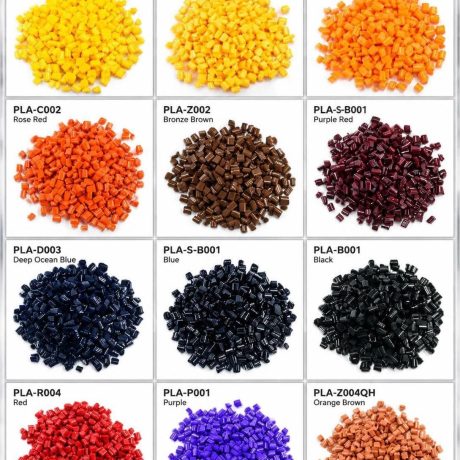
EXTRUTEX PA6-CF20 is available in standard black, with customized colors available upon request. The black finish is suitable for many industrial and engineering applications where a functional appearance is preferred.
Available spool sizes include:
- 500 g: Suitable for material testing, product development and smaller printing jobs.
- 1 kg: A practical option for regular engineering and professional 3D printing.
- 3 kg: Suitable for longer printing sessions and higher material consumption.
Custom color requirements, order quantities and packaging arrangements can be discussed with EXTRUTEX.
Why Choose EXTRUTEX PA6-CF20?
EXTRUTEX supplies advanced polymer materials and 3D printing solutions for engineering, professional and industrial applications. Our approach combines polymer knowledge, material development and application-oriented technical support.
EXTRUTEX products are manufactured in China, supported by design, laboratory and research and development capabilities in Austria. This structure connects manufacturing capabilities with technical development and customer application requirements.
PA6-CF20 is designed for users who need a reinforced nylon filament with increased rigidity and mechanical performance. Whether you are developing a functional prototype, manufacturing a custom fixture or evaluating a mechanical component, EXTRUTEX can support your material selection process.
Frequently Asked Questions
1. What is EXTRUTEX PA6-CF20 filament?
EXTRUTEX PA6-CF20 is a carbon fiber reinforced PA6 nylon 3D printing filament. It is designed for applications requiring increased stiffness, mechanical strength, heat resistance and reliable layer adhesion.
2. What does PA6-CF20 mean?
PA6 refers to polyamide 6, also known as Nylon 6. CF indicates carbon fiber reinforcement, and the product grade is identified as CF20, representing a 20% carbon fiber formulation.
3. What is the base polymer?
The base polymer is PA6, or Nylon 6. It is an engineering thermoplastic commonly used for mechanical and industrial components.
4. What is the carbon fiber content?
The product is identified as PA6-CF20, indicating a 20% carbon fiber reinforced grade. The precise basis of the percentage, such as weight percentage, should be confirmed against the official technical data sheet.
5. What is the density of PA6-CF20?
The stated density is 1.17 g/cm³. This value can be used as a material reference for preliminary engineering calculations, subject to confirmation through the official material specification.
6. What filament diameter is available?
EXTRUTEX PA6-CF20 is supplied in a 1.75 mm filament diameter. Ensure that your printer's filament feeding system and slicer settings are configured accordingly.
7. What spool sizes are available?
The available spool sizes are 500 g, 1 kg and 3 kg. These options support material testing, product development and larger professional printing requirements.
8. What colors are available?
Standard black is available, and customized colors can be requested. Custom color availability and minimum order requirements should be confirmed with EXTRUTEX.
9. What hotend is required?
An all-metal hotend capable of reaching at least 280°C is recommended. The printer must be designed to operate safely and consistently at the required temperature.
10. Can I use a brass nozzle?
A hardened nozzle is recommended because carbon fiber is abrasive. Standard brass nozzles may wear faster when processing reinforced filaments, which can affect extrusion consistency and dimensional accuracy.
11. Does PA6-CF20 require filament drying?
Yes. PA6 is moisture-sensitive, and drying before printing is recommended. Follow the specific drying temperature and duration provided for the grade by EXTRUTEX.
12. Why is moisture control important?
Moisture in nylon filament can affect extrusion behavior and printed surface quality. It may cause bubbling, rough surfaces and inconsistent material flow. Proper storage and drying help maintain reliable processing.
13. Does carbon fiber improve strength?
Carbon fiber reinforcement generally increases stiffness and rigidity and can improve selected mechanical properties. The exact improvement depends on the formulation, fiber orientation, printing conditions and test method.
14. Is PA6-CF20 stronger than standard PA6?
PA6-CF20 is designed to offer higher stiffness and improved mechanical performance compared with unreinforced PA6. Actual strength values should be compared using technical data generated under equivalent test conditions.
15. Is PA6-CF20 heat resistant?
It is designed for applications requiring improved heat resistance compared with standard unreinforced PA6. A specific heat deflection temperature or continuous service temperature has not been supplied, so confirm the appropriate thermal data before application.
16. Does PA6-CF20 have good layer adhesion?
Excellent layer adhesion is identified as one of the material's key characteristics. Consistent extrusion temperature, dry filament and suitable printing parameters are important for achieving strong bonding between printed layers.
17. Can PA6-CF20 warp during printing?
As with other engineering nylon materials, warping can occur if printing conditions are unsuitable. Proper printer setup, bed preparation, temperature control and part design help reduce the risk.
18. Can PA6-CF20 be annealed?
Yes. Annealing is recommended in the supplied product guidance. The correct temperature and duration should be confirmed for the specific grade and printed component to avoid unwanted dimensional changes.
19. What is moisture conditioning?
Moisture conditioning is a controlled post-processing step intended to bring a finished polyamide component to a defined moisture state. It is different from drying filament before printing and should be selected according to the final application's requirements.
20. Is PA6-CF20 suitable for industrial applications?
Yes. It can be evaluated for industrial fixtures, mechanical components, equipment accessories and custom tooling where rigidity and mechanical performance are important.
21. Can PA6-CF20 be used for automotive parts?
It can be considered for selected automotive prototypes, brackets, fixtures and functional components. Actual suitability depends on the component's mechanical, thermal and environmental requirements.
22. Is PA6-CF20 suitable for mechanical components?
Yes. The material is intended for demanding functional applications and can be evaluated for brackets, supports, housings, tooling accessories and other rigid mechanical parts.
23. Is PA6-CF20 suitable for beginners?
It is generally better suited to users with experience in engineering-grade 3D printing. It requires a high-temperature all-metal hotend, a hardened nozzle and appropriate moisture management.
24. Can PA6-CF20 be used for functional prototypes?
Yes. It can be used to produce functional prototypes where increased stiffness and mechanical performance are required. The printed part should be evaluated under its intended loading and operating conditions.
25. Can PA6-CF20 be used for production parts?
It can be evaluated for low-volume production and custom components. Production use should be supported by application-specific testing, dimensional verification and mechanical validation.
26. What applications are best suited to PA6-CF20?
Potential applications include industrial jigs and fixtures, mechanical brackets, automotive prototypes, equipment housings, custom tooling and engineering components requiring stiffness and heat resistance.
Request EXTRUTEX PA6-CF20 Filament Information
Looking for a carbon fiber reinforced PA6 filament for functional prototypes, mechanical components or industrial 3D printing?
Contact EXTRUTEX for technical information, available spool sizes, customized colors and material selection support.
Contact EXTRUTEX | Visit extruder.co




-
(0 customer reviews)